
Pests
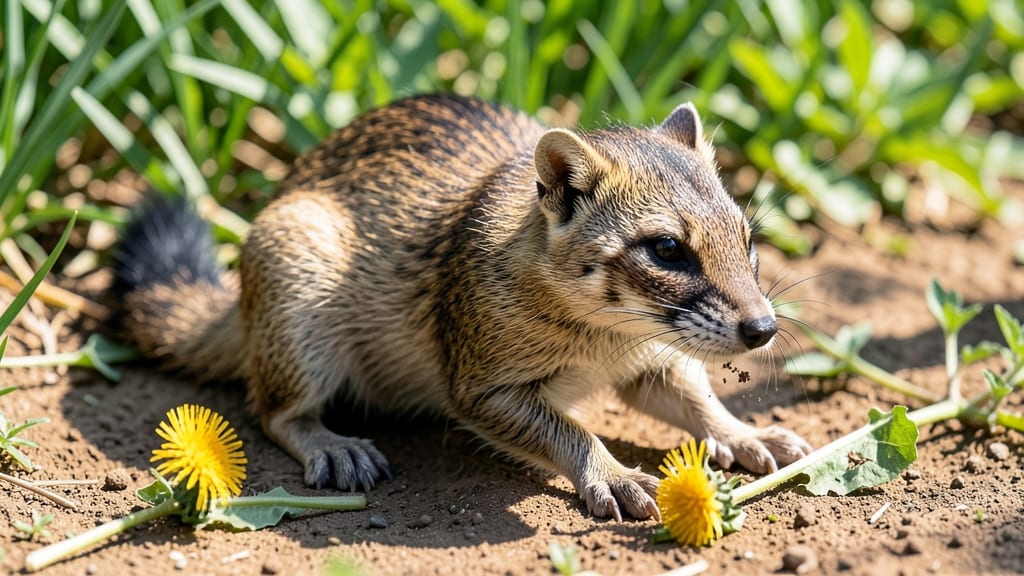
What keeps rabbits away from your flowers? I’ve lost count of the times I’ve woken up to chewed stems and vanished petals—until I discovered foul-smelling barriers that actually work. 🌷 These aren’t just temporary scares; they’re the real deal for keeping bunnies away long-term without harming your garden’s ecosystem.
The secret lies in combining strong odors with physical deterrents. Think garlic-based sprays, crushed hot peppers, or even predator urine (yes, the real stuff). These methods don’t just mask smells—they create an invisible shield that rabbits instinctively avoid.
And the best part? Most ingredients are pet-safe once dry, so your dog can nap in the yard without worry.
By the end of this, your flower beds will look untouched, not just for a week but all season. You’ll see fewer nibbled leaves, more blooms, and a garden that finally outsmarts those fluffy pests. Let’s get your flowers the protection they deserve—without traps or cruel tactics.
Works for perennials, annuals, and even delicate bulbs. Whether you’re dealing with a backyard infestation or just want to prevent future munching, these strategies adapt to any garden size. Ready to reclaim your blooms?
📚 In This Guide
- What you need
- Instructions
- Tips and common mistakes
- Wrapping up and next steps
What you need
- ● Foul-smelling repellents (pick 1-2): Garlic powder (1–2 lbs) – crushed or granulated
- ● Hot pepper flakes (½–1 cup) – Cayenne or crushed red pepper
- ● Rotten eggs or egg shells (3–5) – crushed or raw
- ● Predator urine (1–2 bottles) – fox, coyote, or bobcat urine (pet stores sell this!)
- ● Physical barriers: Chicken wire (10–20 ft roll) – 1-inch mesh, buried 6+ inches deep
- ● Plastic plant guards (10–20 units) – 6-inch tall, for individual plants
- ● Application tools: Spray bottle (1–2) – for liquid repellents
- ● Gloves (1 pair) – to handle hot peppers/garlic safely
- ○ Garden twine (50 ft roll) – optional, for securing barriers
- ● Essential oils (5–10 mL) – peppermint, eucalyptus, or citrus (dilute with water!)
- ● Compost or mulch (1–2 bags) – to mask repellent smells for aesthetics
- ● Motion-activated sprinkler (1 unit) – scares rabbits with water bursts
- ● Decoy plants (5–10) – rabbit-friendly herbs like dill or cilantro to distract them
How to create natural rabbit-repellent barriers for flower gardens
Here's my foolproof method for keeping rabbits away using what you already have around the house.
🌱 Step 1: Identify Your Garden's Rabbit Hotspots
Start by inspecting your flower beds for signs of rabbit activity—look for nibbled leaves, droppings, or fresh tracks in the soil. Rabbits prefer to munch on tender new growth, so focus on areas with young plants or delicate blooms. I mark these zones with small flags or sticks so I know exactly where to apply repellents.
Rabbits are most active at dawn and dusk, so check these spots during those times. You'll notice fresh damage if they've been visiting. The key is to apply repellents before they start feeding—once they find a tasty meal, they'll keep coming back.
🌿 Step 2: Gather and Apply Foul-Smelling Natural Repellents
Use garlic, hot peppers, or commercial rabbit repellent granules—these create strong odors that rabbits hate. I crush 3-4 garlic cloves and mix them with 1 tablespoon of hot sauce in a spray bottle, then apply it around plant bases and along garden edges. The pungent smell masks the scent of your flowers, making your garden less appealing.
For larger areas, sprinkle commercial rabbit repellent granules (like Liqui-Death or Bobbex) around the perimeter of your flower beds. Follow the package instructions for coverage—usually 1-2 tablespoons per 10 feet of garden edge. Reapply after rain or every 2-3 weeks to maintain effectiveness.
✂️ Step 3: Install Physical Barriers for Extra Protection
Combine repellents with wire mesh or chicken wire for best results. Bury 12-inch tall wire mesh at least 6 inches deep around the perimeter of your flower beds. Rabbits can't dig under it, and they won't jump over it if it's tall enough. Secure the top with landscape staples to prevent them from pushing through.
For individual plants, wrap the lower 12 inches of stems with wire mesh or hardware cloth (¼-inch mesh works well). This keeps rabbits from nibbling while still allowing sunlight and water to reach the plants. I like to hide the mesh with mulch or decorative rocks so it blends into the garden.
💧 Step 4: Maintain and Refresh Your Rabbit-Defense System
Check your barriers and repellents weekly, especially after rain. Rain washes away natural repellents, so reapply garlic or hot pepper sprays as needed. If you notice fresh damage, increase the frequency of your applications—sometimes rabbits just need a stronger deterrent.
Rotate repellent methods seasonally. In spring, when rabbits are most active, I use both sprays and mesh. By summer, when other pests become more of an issue, I rely more on physical barriers and reduce spray frequency. This keeps rabbits guessing and prevents them from adapting to one method.
Tips & tricks for effective rabbit repellent barriers
These practical tips will help you maximize your rabbit deterrent system and keep your flower garden safe all season long.
Timing is Everything: Apply your foul-smelling repellents in the late afternoon before rabbits become active at dawn. I've found that spraying garlic or hot pepper mixtures right before sunset gives you the full night's protection when rabbits are most active. The scent lingers through the night, creating an invisible barrier they'll avoid.
Layer Your Defenses: Combine repellents with physical barriers for maximum effectiveness. I start with the garlic spray around plant bases, then add a perimeter of commercial granules, and finally install wire mesh. This multi-layer approach makes it nearly impossible for rabbits to find a way in. Think of it like a security system with multiple levels of protection.
Seasonal Strategy: Don't treat all seasons the same. In spring and fall when rabbits are most active, I use both sprays and mesh. By summer, I rely more on the physical barriers and reduce spray frequency since other pests become more of an issue. This rotation keeps rabbits guessing and prevents them from adapting to one method.
Visual Disguise: Hide your wire mesh with mulch or decorative rocks to maintain your garden's aesthetic while still protecting your plants. I've found that rabbits are less likely to investigate areas that look natural and undisturbed. This is especially important for flower gardens where appearance matters as much as protection.
Pro Tips for What Keeps Rabbits Away From Flowers
- These practical tips will help you maximize your rabbit deterrent system and keep your flower garden safe all season long.
- Timing is Everything: Apply your foul-smelling repellents in the late afternoon before rabbits become active at dawn.
- Layer Your Defenses: Combine repellents with physical barriers for maximum effectiveness.
Frequently asked questions
about keeping rabbits away from your prized flowers—because even the best gardeners need quick answers!What’s the fastest way to repel rabbits without harming them?
Use hot pepper wax or commercial rabbit repellents like Liquid Fence. Spray or apply these around flower beds—their strong scent and taste deter rabbits immediately. Reapply after rain for best results!
How long does it take for these methods to work?
Most rabbits avoid treated areas within 24–48 hours, but consistency is key. Reapply every 1–2 weeks or after heavy rain. Patience pays off—some stubborn bunnies may take a few days to learn their lesson!
Are there natural alternatives to chemical repellents?
Try garlic spray (blend garlic + water + dish soap), predator urine (fox or coyote), or crushed red pepper around plants. Even planting rabbit-resistant flowers like marigolds or lavender can help!
What if rabbits keep coming back after I’ve treated the area?
They might be finding untreated spots! Check for hidden entry points (like gaps in fences) and reapply thoroughly. Also, ensure no food sources (like clover or grass) are nearby—rabbits won’t risk treated flowers if easier snacks exist.
Will these repellents harm my flowers or soil?
Most natural repellents (like pepper spray or garlic) are safe for plants and soil when used as directed. Always test a small area first, and avoid overusing commercial products—follow label instructions to protect your garden’s health!
Wrapping up and next steps
Keeping rabbits away from your prized flowers doesn’t have to be a guessing game! By leveraging natural repellents like garlic, hot peppers, or commercial foul-smelling sprays, you create an unwelcome environment for these nibblers. Consistency is key—reapply remedies after rain or every few weeks to maintain effectiveness. 🌱
Now that you’re armed with these foolproof strategies, take action! Start with one or two methods, monitor your garden’s response, and adjust as needed. Your blooms—and your peace of mind—will thank you!