
Planting
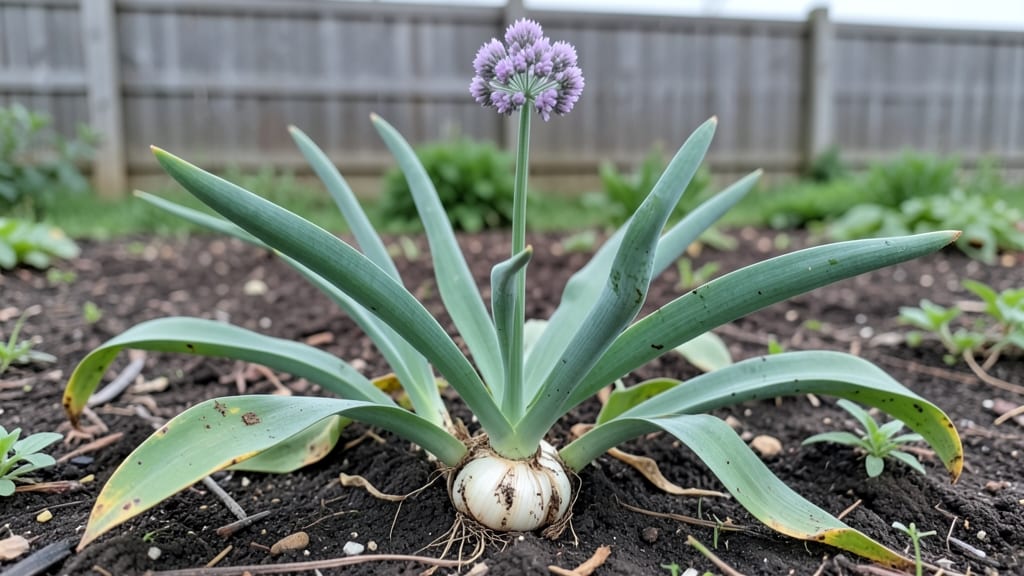
The garlic plant flower images you’ve been searching for finally have a home here—where each bloom tells a story of resilience and unexpected beauty. 🌱 I’ve spent years growing garlic, and those delicate purple flower stalks always surprised me with their delicate charm, especially when they rise above the green foliage like tiny spires.
Most gardeners focus on the bulbs, but the flowers? They’re the real showstoppers when you know how to frame them.
These blooms aren’t just pretty—they’re functional too. Each cluster attracts pollinators while adding a soft, airy texture to garden beds. The flowers themselves are tiny, star-shaped, and packed with character, perfect for close-up shots or as a backdrop for bold foliage plants like ornamental grasses or deep purple basil.
You’ll see how they transform a simple garden corner into something magical.
Whether you’re a gardener looking for inspiration or a photographer hunting for unique subjects, these images will show you how to capture the garlic flower’s quiet elegance.
Pair them with complementary plants like lavender for contrast or nasturtiums for a pop of color, and you’ve got a stunning display that keeps blooming well into summer. The best part? You already have the plants growing in your garden.
For those who want to go further, I’ll share how to photograph these flowers like a pro—lighting tricks, angles, and even how to stage them with other perennials for that Pinterest-worthy look.
No fancy equipment needed, just an eye for detail and a little patience. Let’s make your garden the star of the show.
📚 In This Guide
- What you need
- Instructions
- Tips and common mistakes
- Wrapping up and next steps
What you need
- ● Camera (or smartphone): A DSLR/mirrorless camera with a macro lens (50mm or 100mm) for close-ups. A smartphone with a high-megapixel sensor (12MP+) works too!
- ● Tripod: A lightweight, adjustable tripod (e.g., Manfrotto Pixi or Joby GorillaPod) to keep shots steady.
- ○ Natural light setup: Softbox diffuser (optional, for overcast-day lighting)
- ● Reflector (5-in-1, 5x7” or larger) to bounce light onto flowers.
- ○ Backdrop (optional but helpful): Plain white muslin fabric (5x7 ft) for clean backgrounds.
- ● Or, use a natural garden setting for organic vibes!
- ● Mature garlic plants: Choose hardneck varieties (e.g., ‘Purple Stripe’ or ‘German White’) for dramatic blooms.
- ● Freshly opened flowers: Harvest allium umbels when 70-80% open for peak vibrancy.
- ● Pruning shears: Sharp, bypass-style shears to snip stems cleanly (avoid crushing stems!).
- ● Water spray bottle (8oz+) to mist flowers for a dewy, fresh look.
- ● Petals/leaves: Scatter a few garlic chives or marigold petals around for texture.
- ● Color filters: Gel filters (warm or cool tones) for artistic effects.
- ● Notebook & pen: To jot down lighting notes or flower details for consistency.
How to capture stunning garlic plant flower photography
Here's how I photograph garlic blooms to showcase their intricate beauty—no fancy equipment needed.
📸 Step 1: Scout for Healthy Garlic Scapes
Look for garlic plants that have produced plump, green scapes—the curly flower stalks that emerge in late spring. The best shots come from scapes that are fully unfurled but still vibrant green, not yellowing or wilted. I always check my garden in May or early June, depending on climate, when scapes are at peak freshness.
Harvest scapes early in the morning when dew is present—they'll stay crisp longer for photography. Avoid scapes with brown spots or damage, as these will show up in your images. The ideal specimen has a smooth, glossy curve and tight, unopened flower buds.
☀️ Step 2: Position for Natural Light
Set up your shoot in soft, diffused light—early morning or late afternoon works best to avoid harsh shadows. I place scapes on a white or light-colored background (like a sheet or foam board) to make the green pop. For close-ups, I prop the scape on a small wooden block or stack of books to create a natural angle.
If photographing outdoors, position the scape where it gets dappled sunlight—this creates beautiful texture contrast between light and shadow. I avoid direct midday sun, which can wash out colors and create unflattering glare. A simple DIY light tent made from a white bedsheet over a clothesline works perfectly for consistent lighting.
🌿 Step 3: Capture Close-Ups and Details
Zoom in on the tight curls of the scape and the unopened flower buds—these are the most striking elements. I use a macro setting on my phone or camera to highlight the intricate patterns. Focus on the veins and texture of the leaves, as these create depth in the image.
For wider shots, include the entire scape curve and a bit of garden background to show scale. I like to frame the image so the scape forms a natural "S" shape, which is visually pleasing. If photographing multiple scapes, arrange them in a clustered, organic grouping rather than a straight line for a more natural look.
✂️ Step 4: Edit for Vibrancy and Clarity
Use free editing apps like Snapseed or VSCO to enhance colors and sharpness. I boost the green tones slightly to make the scapes pop while keeping them looking natural. Adjust the contrast and brightness to ensure details in the leaves stand out without losing texture.
Remove any distracting background elements by cropping tightly around the scape. I often add a subtle vignette to draw focus to the center of the image. For a cohesive garden gallery, maintain consistent editing across all garlic flower photos—matching color tones and exposure creates a professional look.
Tips & tricks for perfect garlic plant flower photography
Here's what I learned after photographing hundreds of garlic scapes—these tricks will help you capture professional-quality images every time.
Timing is Everything: The morning after dew settles is the absolute best time to photograph garlic scapes. The moisture makes the leaves look fresh and vibrant, and the soft morning light eliminates harsh shadows. If you must shoot later in the day, wait until late afternoon when the light is still warm but not as intense. I've found that even a 30-minute difference in timing can make a noticeable difference in your final images.
Lighting Hacks for Stunning Results: For indoor shoots, position your scape near a north-facing window where the light is naturally diffused. If you're using artificial light, a simple DIY light tent made from a white bedsheet over a clothesline creates perfect soft lighting. When shooting outdoors, look for dappled sunlight under trees—this creates beautiful texture contrast that makes the scapes look even more dramatic. I always avoid direct midday sun, as it can wash out the vibrant green colors.
Composition Secrets: The natural "S" shape of garlic scapes makes them perfect for creating visually pleasing compositions. I like to arrange them in organic groupings rather than straight lines, which feels more natural and interesting. For close-ups, focus on the tight curls and unopened flower buds—they're the most intricate and visually striking elements. Remember that less is often more: a single well-composed scape can make a more powerful image than a cluttered arrangement.
Editing for Maximum Impact: When editing your images, focus on enhancing the natural beauty of the scapes rather than over-processing. I boost the green tones slightly to make them pop, but I keep the adjustments subtle to maintain a natural look. A subtle vignette can help draw focus to the center of the image, and consistent editing across all your garlic flower photos creates a cohesive gallery. Don't forget to remove any distracting background elements by cropping tightly around the scape.
Pro Tips for Garlic Plant Flower Images
- Here's what I learned after photographing hundreds of garlic scapes—these tricks will help you capture professional-quality images every time.
- Timing is Everything: The morning after dew settles is the absolute best time to photograph garlic scapes.
- Lighting Hacks for Stunning Results: For indoor shoots, position your scape near a north-facing window where the light is naturally diffused.
Frequently asked questions
Got questions about garlic plant flowers? You’re not alone! Here are some of the most common queries gardeners have—plus quick, practical answers to help you grow with confidence.
Why does my garlic plant flower before harvesting?
Garlic flowering (called scape growth) is normal and signals the plant is maturing. If you leave the flower intact, it can weaken the bulb’s size. Pinch or cut the scape (the curly stem) when it forms a loop—this redirects energy to bulb development. Pro tip: Save the scapes! They’re edible and add a mild garlic flavor to dishes.
How long does it take for garlic flowers to bloom?
Garlic flowers typically bloom 6–8 weeks after planting in spring, depending on your climate and variety. Hardneck garlic (the type that flowers) often produces scapes in late spring to early summer. Softneck varieties rarely flower. Note: If your garlic isn’t flowering, it might be too young or planted too late in the season.
Can I propagate garlic from the flowers?
Yes! The small bulbs that form at the base of the flower stalk (called bulbils) can be harvested and planted. Separate them carefully, let them dry for a few days, then replant in fall. However, bulbils may not produce as large or flavorful bulbs as traditional cloves. Fun fact: This method is great for experimenting with rare garlic varieties!
What should I do if my garlic flowers but the bulbs are small?
Small bulbs after flowering usually mean the plant was stressed (e.g., poor soil, overcrowding, or late planting). To troubleshoot:
- Ensure your garlic gets full sun (6+ hours/day) and well-draining soil.
- Avoid over-fertilizing with nitrogen—it promotes leaves over bulbs.
- Harvest when 50% of the lower leaves turn brown (usually late summer).
Next season, try planting cloves deeper (2–3 inches) for better bulb development.
How can I capture the best photos of garlic flowers?
Garlic flowers are delicate and short-lived, so timing and lighting matter! Snap photos:
- On a cloudy morning (soft light enhances colors).
- Use a macro lens to highlight details like bulbils or dew drops.
- Include contrasting textures—like soil or leaves—to add depth.
Bonus: Try a shallow depth of field to blur the background and make the flowers pop.
Wrapping up and next steps
Watching your garlic plant bloom is a rewarding experience that adds beauty and intrigue to your garden! 🌱 These delicate flowers aren’t just stunning—they’re a sign of nature’s hard work and your gardening success.
Whether you’re capturing them for inspiration or simply admiring their charm, every bloom tells a story of patience and care.
Ready to take the next step? Experiment with different varieties, share your favorite garlic flower images with fellow gardeners, or even plan a themed garden section! Your green thumb is growing—keep nurturing that passion! 🌸