
Flowers
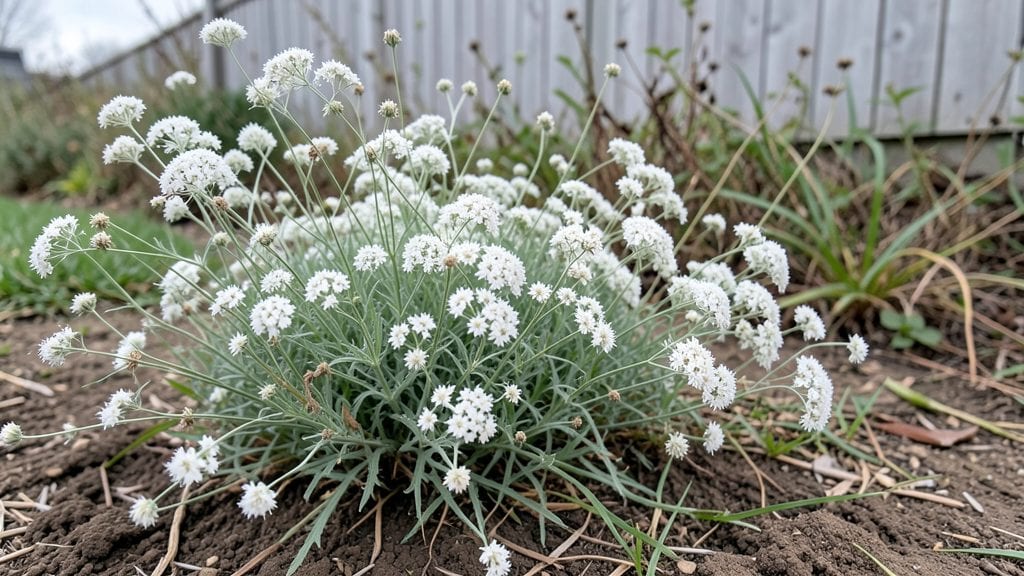
What’s that little white flower in bouquets you’ve probably wondered about—it’s baby’s breath, the fluffy filler that breathes life into arrangements. 🌸 event planners because it’s lightweight, inexpensive, and lasts longer than most stems.
The most common white filler flowers include gypsophila (with its tiny, star-shaped blooms), sweet alyssum (tiny clusters with a honey-like fragrance), and statice (papery, almost paparazzi-worthy petals).
Baby’s breath stands out with its cloud-like clusters, while alyssum drapes like a white carpet over arrangements, perfect for filling gaps in wreaths or centerpieces.
If you’re trying to identify one in your bouquet, check the texture: baby’s breath feels almost cottony, gypsophila is finer like dust, and alyssum has a slightly waxy sheen. These flowers don’t need much care—just keep stems fresh in water and avoid direct sunlight to prevent wilting.
Next time you spot one, you’ll know exactly which one it is—and how to make it last even longer. Whether it’s for a gift or your own home, these little blooms pack a big visual punch.
📚 In This Guide
- What you need
- Instructions
- Tips and common mistakes
- Wrapping up and next steps
What you need
- ● Fresh or dried bouquet – Look for one with the little white flowers you’re curious about (e.g., baby’s breath, gypsophila, or statice).
- ● Magnifying glass or phone camera – For close-up inspection of petals, stems, and leaf structures.
- ● Field guide or plant identification app (e.g., PlantNet, iNaturalist, or a physical guidebook like The Flowering Plants of the World).
- ● Notebook and pen – To jot down details like petal shape, stem texture, and growth patterns.
- ○ Small knife or pruners – For gently separating flowers to examine their roots or nodes (optional but helpful!).
- ● Floral preservative – If you’re reviving dried samples for closer study (e.g., Floralife or a DIY mix of sugar + bleach + water).
- ● White glove or tweezers – For handling delicate blooms without crushing them.
- ● Moisture tray – To keep fresh cuttings hydrated while you work.
- ● Reference photos – Print or save images of common filler flowers (e.g., this guide) for side-by-side comparison.
How to identify common white filler flowers in bouquets
Here's how to recognize those tiny white blooms—no botany degree required.
🌿 Step 1: Examine the Flower Shape and Structure
Start by closely inspecting the shape of the white blooms. Baby's breath (Gypsophila) has delicate, feathery clusters with tiny individual flowers that look like lacy clouds. If the flowers are clustered in flat, round heads with thin petals radiating outward, you're likely looking at statice (Limonium), which often appears in dried arrangements.
For single, star-shaped flowers with five petals, check the center. If it's a tiny yellow disc surrounded by white petals, it's probably chamomile—a common filler with a soothing herbal scent. Hold the bloom up to a bright light to see these details clearly. Notice how the petals feel too—baby's breath is soft and airy, while statice has a slightly papery texture.
🌱 Step 2: Check the Stem and Growth Pattern
Look at where the flowers attach to the stem. Baby's breath grows in dense, airy sprays with stems that branch out like a bush. If you see a single stem with a cluster of small white flowers at the top, it's likely gypsophila. These stems often feel slightly fuzzy to the touch.
For flowers growing in flat, disc-like clusters, you're probably dealing with statice. These stems are usually sturdier and can appear in both fresh and dried bouquets. If the flowers are arranged in a flat, circular pattern with multiple stems radiating outward, that's another clue—this is how florists often arrange statice for visual impact.
☀️ Step 3: Observe the Scent and Texture
Give the flowers a gentle sniff. Baby's breath has no noticeable scent, while chamomile releases a light, apple-like fragrance when crushed. If you detect a faint herbal aroma, it's a strong indicator of chamomile. Run your fingers over the petals—baby's breath feels almost silky, whereas statice has a slightly rougher texture.
Pay attention to how the flowers hold up. Baby's breath stays fluffy and voluminous even when dried, while statice maintains its shape but may appear more papery. If the flowers are slightly crisp to the touch, they're likely dried statice. Fresh statice feels more pliable and slightly waxy.
⏰ Step 4: Consider the Bouquet Context
Think about the type of bouquet you're examining. Baby's breath is almost always used in fresh arrangements to add volume and softness. If the bouquet is dried or has a vintage feel, statice is more likely. Chamomile often appears in rustic or farmhouse-style bouquets, where its delicate appearance complements other wildflowers.
Look at the overall color palette. White filler flowers are often paired with bold, colorful blooms to create contrast. If the bouquet features deep reds, purples, or rich greens, baby's breath or statice are probably the white elements. Chamomile tends to appear in softer, more natural arrangements with muted tones.
🌱 Step 5: Compare with Common Examples
Pull out your phone and search for images of baby's breath, statice, and chamomile side by side. Compare the shapes, textures, and growth patterns you observed with the photos. Baby's breath should look like a cloud of tiny flowers, statice like flat, circular clusters, and chamomile like small, star-shaped blooms with yellow centers.
If you're still unsure, check the stems for any labels or tags. Florists sometimes include small tags identifying filler flowers. If no tags are present, focus on the details—shape, texture, and scent are your best clues. Once you've identified the flower, you'll start noticing these common fillers everywhere!
Tips & tricks for identifying filler flowers in bouquets
Here's what nobody tells you about spotting those sneaky little white blooms—these tricks will have you identifying filler flowers like a pro.
Lighting is Your Secret Weapon: Natural daylight is your best friend when examining flowers. Hold your bouquet near a bright window or use a small flashlight to see the intricate details of each bloom. Artificial lighting can cast shadows that hide important clues like petal texture or center patterns. I always bring my bouquets outside for a closer look—it makes all the difference in distinguishing between baby's breath and statice.
Texture Tells All: Run your fingers over the petals—this is where you'll find the most reliable clues. Baby's breath feels almost silky and airy, like a cloud, while statice has a papery, slightly rough texture. Chamomile's petals are delicate but slightly thicker than baby's breath. Confession: I skipped this step for years and wondered why I kept misidentifying flowers until I realized texture was the key detail.
Scent Snapshot: Give each flower a gentle sniff—especially chamomile, which releases its signature apple-like fragrance when crushed. Baby's breath has no scent, while statice might have a faint, almost salty aroma. This is a game-changer for distinguishing chamomile in mixed bouquets. Pro tip: Crush a small section of the petals between your fingers to release the scent without damaging the flower.
Stem Structure Secrets: Look at how the flowers attach to the stem. Baby's breath grows in dense, bushy clusters with multiple branches, while statice typically has a single stem with a flat, disc-like arrangement. This is how florists arrange them for visual impact—notice how statice often creates a "floating" effect in dried bouquets. Between us, this is the detail that separates the casual observer from the true flower detective.
Pro Tips for Whats The Little White Flower In Bouqets
- Here's what nobody tells you about spotting those sneaky little white blooms—these tricks will have you identifying filler flowers like a pro.
- Lighting is Your Secret Weapon: Natural daylight is your best friend when examining flowers.
- Texture Tells All: Run your fingers over the petals—this is where you'll find the most reliable clues.
Frequently asked questions
Got questions about those tiny white blooms adding charm to your bouquets? You’re not alone! Here are some of the most common queries—plus quick, practical answers to help you spot, care for, or even swap them out with confidence.
What’s the most common little white flower in bouquets?
The Gypsophila (or "baby’s breath") is the MVP of filler flowers—those delicate, airy white clusters you see everywhere. Other contenders include Solidago (goldenrod), Statice (dried lavender-like blooms), or Alstroemeria (lily-like but petite). Pro tip: Gypsophila is the most budget-friendly and long-lasting!
How long do these tiny white flowers last in arrangements?
With proper care, most filler flowers like gypsophila or statice can last 7–14 days in a bouquet. Keep stems fresh by trimming them at an angle, changing the water every 2 days, and storing them in a cool spot away from direct sunlight. Dried flowers (like statice) can last months to years if preserved correctly!
Can I use these flowers for weddings or events?
Tiny white flowers are perfect for weddings, showers, or home decor—they add volume, texture, and a soft, romantic touch. Gypsophila and alstroemeria are especially popular for bridal bouquets and centerpieces. Just ensure they’re fresh or dried to avoid wilting mid-ceremony.
Are there eco-friendly alternatives to traditional filler flowers?
Yes! Swap plastic fillers for dried flowers (like baby’s breath or statice), preserved eucalyptus, or even local wildflowers. For a zero-waste option, try paper flowers or reusable silk blooms. Many florists also offer locally sourced fillers to reduce your carbon footprint.
Why are my little white flowers turning yellow or brown?
This usually means they’re overripe or dehydrated. Check your bouquet’s water—if it’s cloudy or stale, replace it immediately. Trim stems under running water to remove blocked vessels. For dried flowers, low humidity or direct sunlight can cause browning. Store them in a cool, dark place to extend their life.
Wrapping up and next steps
Now that you’ve mastered the art of spotting those tiny white blooms in bouquets, you’re ready to appreciate the beauty—and even the hidden meanings—behind every arrangement! 🌸 Whether it’s baby’s breath, gypsophila, or sweet alyssum, each filler flower adds charm, texture, and sometimes a whisper of symbolism.
Next time you’re gifting or receiving a bouquet, take a closer look—you might just uncover a little surprise waiting to be discovered.
Ready to dive deeper? Try creating your own bouquet with these fillers or research their cultural significance for your next floral project. Happy blooming! 🌼