
Flowers
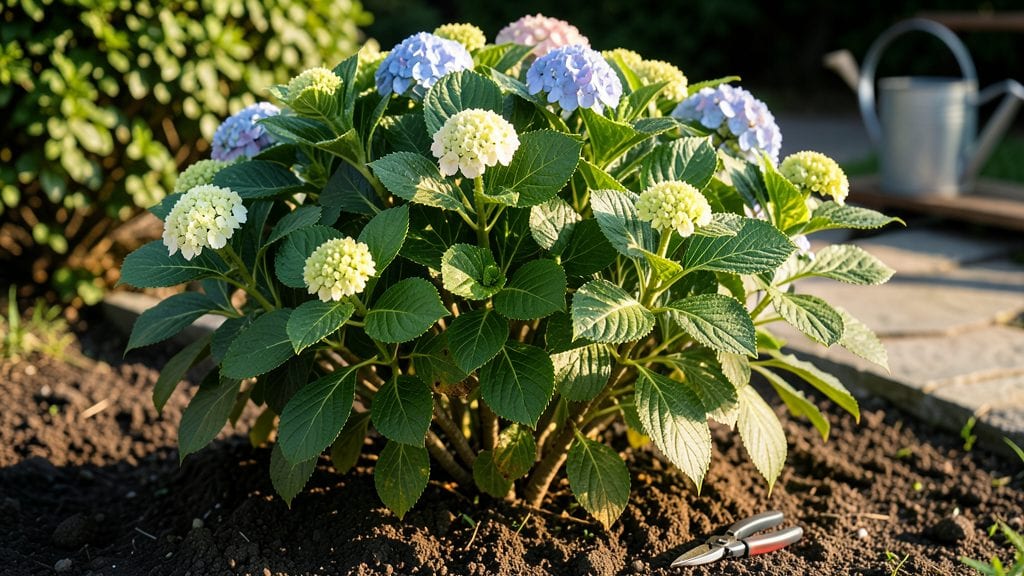
That first glimpse of white bushy flowers spilling over a Pacific Northwest garden fence—it’s pure magic. ✨ These fragrant clusters don’t just stop hummingbirds; they transform any space into a lush, dreamy retreat where every breeze carries sweetness.
The key lies in their natural abundance: white blooms like hydrangeas, abelia, and lilacs thrive here, their full, rounded shapes softening edges while drawing eyes deeper into the garden.
Picture a cottage-style border where white abelia’s delicate blooms cascade alongside deep green foliage, or a mixed hedge where hydrangeas add volume and texture. These plants aren’t just pretty—they’re low-maintenance workhorses that handle the region’s damp winters and mild summers with ease.
Their bushy growth habit means fewer gaps in your design, and their fragrance lingers long after the blooms fade.
What you’ll love most is how effortlessly they pair with other colors—think soft pinks, purples, or even bold blues to create contrast. Hummingbirds can’t resist their nectar, and bees adore the structure.
By the time summer arrives, your garden will feel like a secret sanctuary, all thanks to these fragrant, bushy stars. Let’s bring that vision to life.
From sunny borders to shady corners, these white bloomers adapt beautifully. Start with one or two varieties to test what suits your space best—your garden will thank you for it. The best part? Every year, they grow more stunning, proving that sometimes, the simplest choices make the biggest impact.
📚 In This Guide
- What you need
- Instructions
- Tips and common mistakes
- Wrapping up and next steps
What you need
- ● Pacific Dogwood (Cornus nuttallii) – 1-2 mature plants (6-8 ft tall, fragrant white bracts in spring).
- ● Oregon Grape (Mahonia aquifolium) – 3-5 shrubs (3-5 ft tall, clusters of white flowers in early spring).
- ● Salal (Gaultheria shallon) – 5-7 plants (3-5 ft tall, dense white flower clusters in late spring).
- ● Red Elderberry (Sambucus racemosa) – 1-2 shrubs (6-12 ft tall, fragrant white flower spikes in spring).
- ● Salmonberry (Rubus spectabilis) – 3-5 plants (6-10 ft tall, bushy white flowers in early spring).
- ● Garden gloves (1 pair) – For handling soil and plants safely.
- ● Trowel or shovel (1) – For digging and transplanting.
- ● Pruning shears (1) – To shape plants and encourage bushiness.
- ● Mulch (2-3 bags of pine bark or wood chips) – To retain moisture and suppress weeds.
- ● Organic fertilizer (1 bag, balanced NPK 10-10-10) – For nutrient-rich soil.
- ● Watering can or hose with a gentle nozzle (1) – For consistent hydration.
- ● Hummingbird feeders (2-3) – For supplemental nectar during migration.
- ● Native companion plants (e.g., Symphoricarpos albus or Lupinus polyphyllus) – To enhance pollinator diversity.
- ● Drip irrigation system – For low-maintenance watering.
- ● Birdbath or shallow water source – Hummingbirds love to sip!
How to create a Pacific Northwest hummingbird haven with white, bushy flowers
Here's how to design a fragrant, pollinator-friendly garden that thrives in our cool, wet climate.
🌱 Step 1: Select Native White-Blooming Perennials for Hummingbirds
Start with Pacific Northwest natives like Pacific dogwood (Cornus nuttallii), Oregon grape (Mahonia aquifolium), or snowberry (Symphoricarpos albus)—all produce white, bushy clusters that hummingbirds adore. These plants handle our 50-70°F summers and 40-50°F springs/falls beautifully. I always check for fragrant flowers since scent attracts hummingbirds almost as much as color.
Plant 3-5 mature shrubs spaced 6-10 feet apart to create a dense, layered effect. This mimics their natural habitat and ensures continuous blooms from late spring through fall. For instant impact, add white-flowering currants (Ribes sanguineum)—their arching branches create perfect perching spots for hummingbirds.
☀️ Step 2: Position for Maximum Sun and Shelter
Most white-blooming hummingbird favorites need full sun (6+ hours daily) to produce abundant flowers. In the PNW, this means south-facing slopes or protected areas where morning sun warms the soil. I plant mine near east or south-facing fences to catch morning light while shielding from afternoon coastal winds.
Add windbreaks like arbutus (Pacific madrone) or evergreen rhododendrons on the north side of your planting area. Hummingbirds avoid exposed, gusty spots—you'll notice they hover closest to sheltered clusters where flowers sway gently. Mulch heavily with wood chips (3-4 inches deep) to retain moisture and regulate soil temperature.
💧 Step 3: Water Deeply and Maintain Consistent Moisture
Newly planted shrubs need deep watering twice weekly until established (about 1-2 years). Water at the base, not overhead, to prevent fungal diseases like powdery mildew—common in our damp climate. I use drip irrigation on a timer set for 15-20 minutes every other day during dry spells.
Once established, most PNW natives tolerate occasional drought, but white-flowering shrubs produce fewer blooms if stressed. Check soil moisture by pushing your finger 2 inches deep—if dry, water thoroughly. Overwatering is worse than underwatering; soggy roots lead to root rot in our heavy, clay-like soils.
✂️ Step 4: Prune for Bushier Growth and Continuous Blooms
Prune Pacific dogwood and snowberry in early spring (March) before new growth appears. Remove 1/3 of oldest stems at ground level to encourage new, flower-bearing branches. For Oregon grape, trim back spent flower stalks after blooming to redirect energy to next year's flowers.
Never prune in fall or winter—hummingbirds rely on late-season blooms for nectar before migration. Shape plants lightly in late summer to open the center for better air circulation. This prevents fungal issues and ensures dense, bushy growth that hummingbirds love to forage in.
🪴 Step 5: Add Complementary Plants for Year-Round Interest
Layer in white-flowering annuals like nicotiana (flowering tobacco) or white alyssum for summer-long blooms. These fill gaps while your perennials establish. I also tuck in white columbine and white penstemon—both attract hummingbirds and thrive in partial shade, perfect for underplanting.
Include native grasses like tufted hairgrass for texture and seed heads that provide winter interest and shelter. Hummingbirds appreciate diverse plant heights—tall shrubs for perching, mid-height bloomers for nectar, and low ground covers to protect soil moisture. This creates a multi-layered habitat that supports pollinators year-round.
Tips & tricks for perfect white bushy flowers in your PNW garden
A few key strategies will help you create the ideal hummingbird haven with fragrant, bushy white blooms that thrive in our unique climate.
Plant Selection Matters: When choosing your Pacific dogwood, Oregon grape, or snowberry, look for plants with multiple flower clusters at the nursery—this ensures you're starting with bushy growth. I always check for at least 3-5 flower buds on each branch, as these will develop into those lush white clusters hummingbirds love. For instant impact, select white-flowering currants with arching branches—their natural shape creates perfect perching spots.
Sun and Shelter Strategy: The 6+ hours of full sun requirement is non-negotiable for abundant blooms, but don't overlook the afternoon shelter. I've found that planting near east-facing fences catches morning sun while shielding from coastal winds that can stress plants. For extra protection, add arbutus or evergreen rhododendrons on the north side—their dense foliage creates a natural windbreak that hummingbirds appreciate during feeding.
Watering Wisdom: Those 15-20 minutes of drip irrigation every other day during dry spells make all the difference for new plants. I've learned the hard way that our clay-like soils can become waterlogged quickly—always water at the base to prevent fungal diseases. For established plants, the 2-inch soil moisture check is your best friend: if it's dry at that depth, water thoroughly but don't overdo it—soggy roots are the enemy of continuous blooms.
Pruning Precision: Timing is everything when pruning Pacific dogwood and snowberry—always do it in early March before new growth appears. I remove one-third of the oldest stems at ground level each year, which might seem drastic, but it's what creates that dense, bushy growth hummingbirds love. For Oregon grape, wait until after blooming to trim spent flower stalks—this ensures you don't cut off next year's blooms.
Pro Tips for White Bushy Flowers
- A few key strategies will help you create the ideal hummingbird haven with fragrant, bushy white blooms that thrive in our unique climate.
- Plant Selection Matters: When choosing your Pacific dogwood, Oregon grape, or snowberry, look for plants with multiple flower clusters at the nursery—this ensures you're starting with bushy growth.
- Sun and Shelter Strategy: The 6+ hours of full sun requirement is non-negotiable for abundant blooms, but don't overlook the afternoon shelter.
Frequently asked questions
Got questions about those stunning white bushy flowers that hummingbirds adore? You’re not alone! Here are some of the most common queries—plus quick, helpful answers to keep your garden thriving.
What are the most popular white bushy flowers for hummingbirds?
The Pacific Northwest’s top picks include Ceanothus (California lilac), Penstemon (beardtongue), and Symphoricarpos (snowberry). These plants boast fragrant, clustered blooms that hummers can’t resist! For extra buzz, opt for Lavandula (lavender) or Salvia varieties too.
When is the best time to plant these flowers?
For the PNW’s mild climate, plant white bushy flowers in early spring (March–April) or fall (September–October). This gives roots time to establish before summer heat or winter frost. Avoid planting during peak summer—drought stress can stunt growth.
How do I keep my white flowers looking bushy and healthy?
Prune after flowering to encourage dense growth. Water deeply 1–2 times per week (more in drought), and mulch to retain moisture. Fertilize lightly in spring with a balanced, low-nitrogen mix to avoid leggy stems. Deadhead spent blooms to prolong flowering!
Why aren’t hummingbirds visiting my white flowers?
Hummingbirds love red tubular flowers, but white blooms work too—if they’re fragrant and nectar-rich. Try adding a hummingbird feeder nearby (1:4 sugar-water ratio) or plant companion flowers like red columbine or bee balm to attract them faster.
Can these flowers handle PNW rain and wind?
Most white bushy flowers (like Ceanothus or Spiraea) are drought-tolerant once established and thrive in rain. For windy spots, choose compact varieties or stake taller plants. Avoid soggy soil—ensure well-draining soil to prevent root rot.
Wrapping up and next steps
From the delicate Dicentra formosa to the bold Ceanothus, the Pacific Northwest’s white bushy flowers aren’t just a feast for the eyes—they’re a hummingbird magnet, a fragrant escape, and a gardener’s dream! 🌸 Whether you’re drawn to their vibrant clusters, low-maintenance charm, or their role in supporting local ecosystems, these blooms prove that beauty and function go hand in hand.
Now that you’re armed with the best picks, care tips, and troubleshooting tricks, why not take the next step?
🌿 Plant a patch this spring! Start small—even a single bushy bloom can transform your space into a hummingbird hotspot. Need inspiration? Sketch a layout, gather your tools, and dive in. Your garden (and the pollinators) will thank you! 🐝