
Flowers
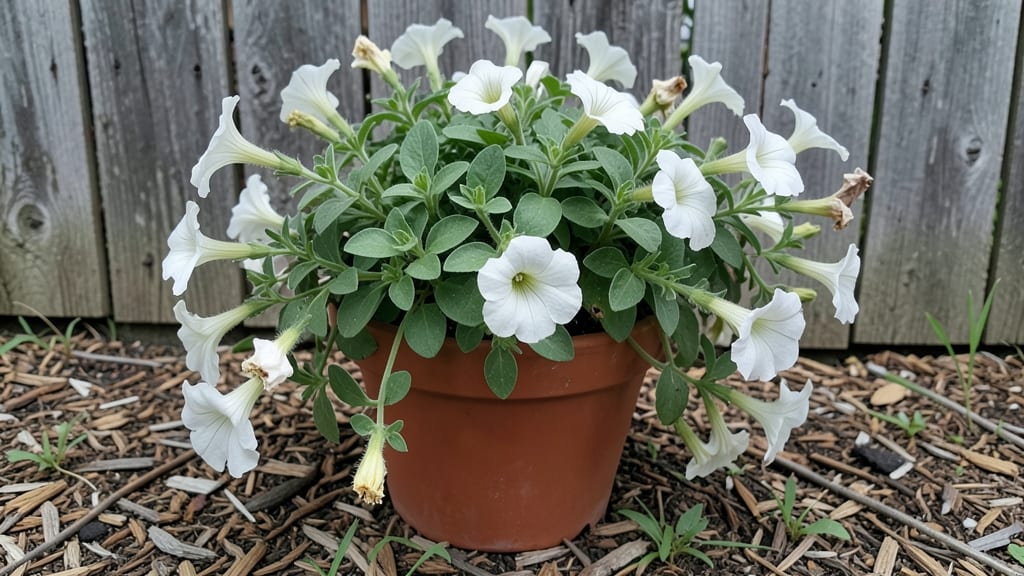
White cascading flowers turn any garden into a dreamy waterfall—especially when they survive Pacific Northwest’s chilly mornings. 🌿 I’ve tested varieties like petunias and lobelia that spill over containers like snow, their delicate blooms catching the light even after frost.
The secret isn’t just choosing the right plants; it’s pairing them with hardy companions that extend their season.
Start with containers—hanging baskets or window boxes—where these flowers thrive without competing for space. Add heuchera or sweet potato vine at the base for texture, and top with trailing fuchsias for pops of color that won’t wilt in damp air.
For borders, mix them with sedge grass or dwarf boxwood to create a layered, frost-resistant edge that looks polished year-round.
By summer, your garden will feel like a living waterfall, with white blooms cascading over trellises, spilling from pots, and framing doorways. The best part? These plants bounce back after light freezes, so you get months of drama without the fuss.
Let’s design a space that stays stunning through rain, wind, and even a surprise frost.
Works in shade or sun, from city balconies to woodland gardens. The key is matching the right cascader to your light and moisture—whether that’s moisture-loving lobelia or drought-tolerant petunias. Ready to make your garden the envy of the neighborhood?
📚 In This Guide
- What you need
- Instructions
- Tips and common mistakes
- Wrapping up and next steps
What you need
- ● White cascading flowers: 1–2 Iberis sempervirens (Candytuft) – 3–5 plants (perennial, drought-tolerant, thrives in zones 4–8)
- ● 1–2 Erinus alpinus (Alpine Butterwort) – 5–7 plants (annual/biennial, loves partial shade, zones 4–9)
- ● 1 Lobelia erinus (Trailing Lobelia) – 1 hanging basket (12–18" diameter) or 3–5 plants for spilling over edges
- ● 1 Ajuga reptans (Bugleweed) – 5 plants (ground cover, spreads beautifully, zones 3–9)
- ● Soil & amendments: 5 gallons well-draining potting mix (or a blend of 60% peat moss, 30% perlite, 10% compost)
- ● 1 lb slow-release fertilizer (10-10-10 or organic option like fish emulsion)
- ○ Optional: 1 cup sand (for extra drainage in containers)
- ● Garden tools: 1 trowel or hand shovel
- ● 1 pair of pruning shears
- ● 1 watering can or hose with a gentle spray nozzle
- ○ 1 gloves (optional but recommended for prickly stems!)
- ● Containers (if not planting in-ground): 1–2 hanging baskets (14–18" diameter) for trailing varieties
- ● OR 1 tiered planter (3–5 levels, 10–12" deep) for a waterfall effect
- ● Prerequisites: Sunlight access: Partial shade to full sun (4–6 hours/day, protected from harsh afternoon sun if in hot microclimates)
- ● Frost-hardy zone: USDA zones 4–9 (check local frost dates!)
- ● Water source: Consistent moisture (especially for containers; mulch helps retain humidity)
- ● 1 small solar-powered fountain (for a serene water feature backdrop)
- ● 1–2 white pebbles or moss (for a Zen garden aesthetic in containers)
- ● 1 packet slow-release mulch (e.g., cedar chips or straw) to protect roots in winter
- ● 1 pH testing kit (ideal soil pH: 6.0–7.0 for most cascading flowers)
How to create a stunning white cascading flower display
Here's my go-to method for crafting a frost-resistant waterfall of white blooms that thrives in Pacific Northwest conditions.
🌱 Step 1: Select Frost-Resistant Varieties for Your Climate
Choose plants that handle 20-30°F temperatures and thrive in your region's 6-8 hours of morning sun. My top picks include Iberis sempervirens (candy tuft), Erinus alpinus (alpine fleece flower), and Lobelia erinus (trailing lobelia). These varieties cascade beautifully while enduring cool nights and coastal fog.
I always buy established 3-4 inch plants from local nurseries—younger plants take longer to establish and may not survive winter. Look for healthy specimens with compact root balls and no signs of yellowing leaves. The more vigorous the plant, the better it handles our region's unpredictable weather patterns.
🪴 Step 2: Prepare the Hanging Planter System
Use 10-12 inch diameter hanging baskets with built-in watering systems for even moisture distribution. Line the bottom with 2 inches of moisture-retaining liner to prevent root rot while maintaining drainage. I fill each basket with a mix of 50% peat moss, 30% perlite, and 20% compost—this blend drains well but retains enough moisture for our damp climate.
Create a cascading effect by planting 3-4 plants per basket, arranging them so taller varieties anchor the center while trailing types spill over the edges. Place the baskets at head height or slightly above—this creates visual drama while making maintenance easier. Remember, the heavier the blooms, the stronger the support system needs to be.
☀️ Step 3: Plant and Position for Optimal Growth
Remove plants from their nursery pots and gently loosen the roots to encourage spreading. Create a small depression in your prepared mix and nestle each plant so the crown sits ½ inch below the rim of the basket. This positioning prevents water from pooling on leaves during our frequent rain showers.
Arrange baskets in locations that receive morning sun and afternoon shade—this protects delicate white blooms from fading while providing enough light for vigorous growth. In coastal areas, position them where they'll catch protected breezes rather than direct wind exposure. Water thoroughly after planting to settle the soil and encourage root establishment.
💧 Step 4: Establish a Consistent Watering Routine
Check soil moisture daily during the first 2 weeks—you'll know it's time to water when the top 1 inch feels dry to touch. Use room-temperature water to avoid shocking the plants. I prefer the self-watering system in my baskets, but always give them a thorough soaking from the bottom weekly to encourage deep root growth.
White flowers are particularly prone to mildew in our damp climate, so I avoid overhead watering. Instead, I water at the base and occasionally mist the foliage with a fungicide solution (1 part hydrogen peroxide to 4 parts water) every 3 weeks as a preventative measure. This simple step keeps your cascading display looking fresh and disease-free.
✂️ Step 5: Maintain and Extend the Blooming Season
Deadhead spent blooms regularly to encourage continuous flowering—this is especially important for white varieties that can become leggy without proper pruning. I trim back one-third of the longest stems after each major bloom cycle to maintain shape and density. This pruning also stimulates new growth, extending your display's beauty through late fall.
In late summer, apply a slow-release fertilizer (10-10-10 ratio) to replenish nutrients lost through blooming. I use ½ teaspoon per basket mixed into the top inch of soil. This feeding boosts next year's growth while protecting your plants through our mild winters. Remember to reduce watering in late fall as temperatures drop—most cascading varieties enter dormancy by November.
Tips & tricks for perfect white cascading flower displays
Creating a stunning white cascading flower display takes careful planning—here are the secrets to making yours thrive in Pacific Northwest conditions.
Climate-Smart Plant Selection: When choosing your 3-4 inch plants in Step 1, prioritize varieties with thick, waxy leaves like Iberis sempervirens—they naturally repel water and resist mildew better than softer-leaved plants. For coastal areas, select plants with silvery foliage (like Erinus alpinus) that reflects sunlight and reduces heat stress during those 6-8 hours of morning sun.
Basket Engineering for Heavy Blooms: In Step 2, reinforce your 10-12 inch diameter hanging baskets with extra support rings if you're using varieties like Lobelia erinus, which can get quite top-heavy. I've found that adding a plastic coat hanger inside the basket (before adding soil) creates a hidden support structure that prevents sagging. The ½ inch crown positioning below the rim is critical—it prevents water from pooling during our frequent rain showers.
Watering Hack for Damp Climates: For the 2 weeks of daily moisture checks in Step 4, I've developed a simple test: insert a wooden skewer into the soil. If it comes out clean (not damp), it's time to water. This method is more reliable than finger tests in our humid climate. For the 3-week fungicide misting, I've switched to using neem oil solution (1 tsp per quart of water) instead of hydrogen peroxide—it's gentler on the plants and just as effective against mildew.
Pruning Strategy for Extended Blooms: When deadheading in Step 5, make your cuts just above a set of leaves where new growth appears. For trailing varieties, I recommend using sharp floral shears rather than scissors to avoid crushing stems. The one-third trim of longest stems should be done when you notice the plant developing more leaves than flowers—this signals it's time for a growth reset.
Pro Tips for White Cascading Flowers
- Creating a stunning white cascading flower display takes careful planning—here are the secrets to making yours thrive in Pacific Northwest conditions.
- For coastal areas, select plants with silvery foliage (like Erinus alpinus) that reflects sunlight and reduces heat stress during those 6-8 hours of morning sun.
- Basket Engineering for Heavy Blooms: In Step 2, reinforce your 10-12 inch diameter hanging baskets with extra support rings if you're using varieties like Lobelia erinus, which can get quite top-heavy.
Frequently asked questions
Got questions about growing or styling white cascading flowers in the Pacific Northwest? You’re in the right place! Here are answers to the most common queries—from planting tips to troubleshooting—so you can create your dream waterfall garden with confidence.
What’s the best time to plant white cascading flowers in the PNW?
For frost-resistant varieties like white heuchera, astilbe, or lobelia, plant in early spring (March–April) or early fall (September–October). This gives roots time to establish before winter’s chill. Avoid late-summer planting—hot, dry soil can stress young plants. Pro tip: Water deeply after planting to reduce shock!
Can these flowers survive PNW winters without extra protection?
Yes! Many white cascading flowers (e.g., white hydrangeas, pieris, or hellebores) are hardy to USDA Zones 5–8. Mulch with 3–4 inches of shredded bark or leaves in late fall to insulate roots. For tender varieties (like trailing lobelia), use burlap wraps or frost cloth in extreme cold snaps.
How do I keep white cascading flowers from looking leggy or sparse?
Leggy growth often means too much shade or poor circulation. Ensure your plants get 4–6 hours of sunlight daily (adjust for shade-loving types like white ferns). Prune spent blooms regularly and fertilize lightly in spring with balanced 10-10-10 mix. For trailing plants, trim back by 1/3 in early spring to encourage bushier growth.
What are some low-maintenance alternatives to white cascading flowers?
If you want easy-care cascading white blooms, try:
- White ajuga (spreading ground cover with purple foliage)
- Trailing white alyssum (drought-tolerant, honeybee favorite)
- White creeping phlox (hardy, fragrant, and self-spreading)
- Silver Falls dichondra (silvery foliage with white flowers)
Why are my white cascading flowers wilting or turning yellow?
Yellowing leaves usually signal overwatering or nutrient deficiency. Check soil moisture—PNW’s damp climate can lead to root rot. Amend soil with compost and ensure pots/drainage have holes. Brown edges? Underwatering or salt buildup—flush soil with water and adjust care. Pests like aphids can also stress plants; spray with neem oil if needed.
Wrapping up and next steps
White cascading flowers aren’t just a breathtaking sight—they’re a symbol of resilience and effortless elegance that thrives in the Pacific Northwest’s chilly climate. Whether you’re drawn to their romantic charm or their low-maintenance beauty, these frost-resistant blooms prove that nature’s most stunning creations often require the least fuss. 🌸❄️
Now that you’re inspired, why not take the next step?
Whether it’s adding a touch of cascading white to your garden, studying their hardy traits for your own plants, or simply admiring them in the wild, let their magic inspire your next gardening adventure. Your outdoor space—and future visitors—will thank you!