Planting
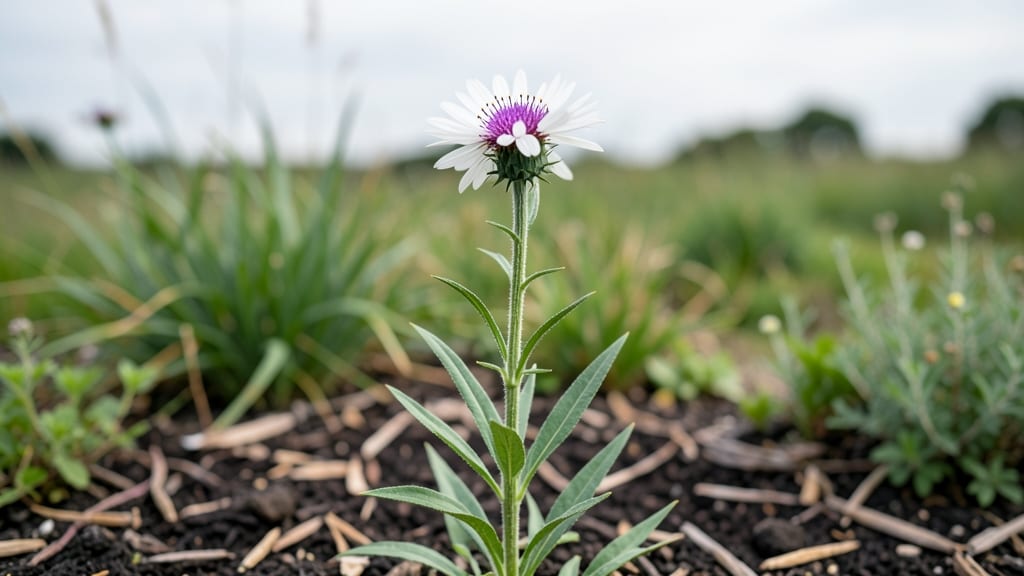
Growing white cornflowers in the Pacific Northwest means drought-tolerant blooms that hummingbirds can't resist—no fancy irrigation or coddling required. 🌸 I planted mine last spring after seeing how effortlessly they thrived in my dry, rocky soil, and now they’re the star of my pollinator garden.
These delicate-looking flowers actually handle heat and neglect like a pro, making them perfect for busy gardeners or forgetful waterers.
The secret to their success lies in well-draining soil and full sun—they’ll tolerate partial shade but bloom best when baked by afternoon rays. Start seeds directly in the garden after the last frost (they germinate easily) or transplant young plants in early spring.
Water deeply once a week, then let nature take over—they’re built to survive on what little rain the PNW throws their way.
By midsummer, you’ll have clouds of snow-white blooms that hummingbirds dive into like a buffet. The flowers stay fresh for days when cut, and the seed heads add rustic charm to winter arrangements.
Just watch for aphids (a quick spray of soapy water does the trick) and avoid over-fertilizing—they prefer lean soil to lush growth.
These flowers adapt to raised beds, containers, or open ground, making them versatile for any space. Once established, they’ll self-seed, giving you free blooms for years. The key is patience—they take a few weeks to germinate but reward you with months of effortless beauty.
Ready to let them take over a corner of your garden?
📚 In This Guide
- What you need
- Instructions
- Tips and common mistakes
- Wrapping up and next steps
What you need
- ● Seeds: 1 packet of white cornflower seeds (approx. 100-200 seeds) – look for Centaurea cyanus varieties like 'White Lady' or 'White Swan'.
- ○ Seedling trays or pots: 1-2 small containers (4-6 inches deep) with drainage holes for starting seeds indoors (optional).
- ● Potting mix: 1 bag of high-quality, well-draining seed-starting mix (or a blend of 50% peat moss + 50% perlite).
- ● Outdoor planting site: A sunny spot (6+ hours of sunlight daily) with well-draining soil (sandy loam or amended clay works best).
- ● Hand trowel or transplanting spade – for digging small holes or moving seedlings.
- ● Garden gloves – to protect your hands while handling soil and seeds.
- ● Watering can or hose with a gentle spray nozzle – for even moisture without disturbing seeds.
- ○ Mulch (optional but recommended): 1-2 inches of straw, pine needles, or shredded bark to retain moisture and suppress weeds.
- ○ Fertilizer (optional): A balanced, slow-release granular fertilizer (10-10-10 ratio) or compost tea for nutrient boost.
- ● Best planting time: Direct sow seeds outdoors in early spring (March-April) or late summer (August-September) for fall blooms. Avoid planting in extreme heat.
- ● Climate readiness: White cornflowers thrive in USDA Zones 3-9—perfect for the PNW’s mild summers and cool winters!
- ● Drought tolerance: Once established, these plants need minimal watering (water deeply 1-2x per week during dry spells).
How to grow white cornflowers in the Pacific Northwest
Here's the straightforward approach I've used to grow thriving white cornflower patches that attract hummingbirds all season.
🌱 Step 1: Select the Perfect Planting Location
White cornflowers (Centaurea cyanus) thrive in full sun with at least 6-8 hours of direct sunlight daily. In the Pacific Northwest's cooler climate, I plant mine in south-facing beds where they receive maximum winter sun exposure. The key is avoiding soggy soil—cornflowers are drought-tolerant but despise waterlogged roots.
Test your spot by observing how quickly soil dries after rain. If it stays damp for more than 24 hours, amend the area with 2 inches of coarse sand or plant on a slightly elevated mound. The plants will reward you with bold white blooms that stand out against the region's lush greenery.
💧 Step 2: Prepare Soil and Plant Seeds at the Right Time
Cornflowers grow best in well-draining soil with a pH between 6.0 and 7.5. In the PNW's mild climate, I sow seeds directly in the garden in early spring (March-April) or late summer (August-September) for fall blooms. Never start them indoors—they resent transplanting.
Scatter seeds ¼ inch deep and 6 inches apart in rows 12 inches apart. Lightly cover with soil and water gently until moist but not saturated. The seeds germinate best in soil temperatures between 60-70°F, which aligns perfectly with PNW spring warming trends. You'll see first true leaves in 10-14 days—watch for their fuzzy, lance-shaped foliage that distinguishes them from weeds.
☀️ Step 3: Maintain Minimal Water and Fertilizer
Once established, white cornflowers need very little water—I only water them once every 2-3 weeks during dry spells. Overwatering causes leaf yellowing and stem rot, so let the soil dry completely between waterings. The plants' deep taproots make them exceptionally drought-resistant once mature.
Skip heavy fertilizing—cornflowers thrive in lean soil. A light application of 5-10-10 fertilizer at planting time is sufficient. Too much nitrogen produces lush foliage but fewer flowers. You'll know you've got it right when you see tall, sturdy stems reaching 2-3 feet with single white blooms on long, wiry stems that hummingbirds adore.
✂️ Step 4: Deadhead and Support for Continuous Blooms
To encourage prolonged flowering, I deadhead spent blooms by snipping stems just above the first set of leaves. This simple step prevents seed formation and redirects the plant's energy into producing new flowers. Cornflowers self-seed readily, so you'll often find volunteer plants appearing in subsequent seasons.
Tall varieties may need light staking—I use 6-inch bamboo stakes placed at planting time. The plants' deep roots provide natural stability, but a brief summer storm can sometimes topple them. If you notice leaning stems, gently tie them to stakes with soft twine to prevent breakage.
🪴 Step 5: Prepare for Winter and Encourage Returning Visitors
The Pacific Northwest's mild winters mean cornflowers often persist through the season. In colder areas, I cut back stems to 2 inches in late fall and mulch lightly with 2 inches of straw. This protects the crown while allowing early spring regrowth from the base.
Cornflowers attract hummingbirds, bees, and beneficial insects—I always leave some spent blooms on the plants to provide winter seed heads for birds. The delicate white flowers create striking contrast against the region's greens and purples, making them a standout perennial in any garden.
Tips & Tricks for perfect white cornflower planting
A few key strategies will help you cultivate thriving white cornflowers that become your garden's star attraction. These insights come from years of growing them successfully in the Pacific Northwest's unique climate.
Location Intelligence: The 6-8 hours of full sun requirement is non-negotiable for white cornflowers. In the PNW, I've found that south-facing beds with morning sun exposure work best—this gives them the warmth they need while protecting them from afternoon coastal fog. Don't be fooled by partial shade spots; cornflowers will reward you with their signature white blooms only when they get consistent sunlight.
Soil Science: Testing your soil's drainage is more important than you might think. That 24-hour dampness test is crucial—if water lingers beyond this time, your cornflowers will develop root rot. I've had the most success amending heavy clay soils with 2 inches of coarse sand mixed into the top 6 inches of soil. This creates the perfect airy environment their deep taproots love.
Timing Tricks: The 10-14 day germination window gives you a good idea when to expect those first fuzzy leaves, but don't be surprised if they take up to 21 days in cooler PNW springs. I've learned to plant seeds in early March and late August as insurance—this gives you two chances for fall blooms. The key is maintaining consistent soil temperatures between 60-70°F during germination.
Maintenance Secrets: When you're deadheading those spent blooms in Step 4, take a moment to examine the stems. If you notice any with brown spots or softness, remove them immediately—they're signs of early stem rot. I've found that using clean, sharp scissors for deadheading reduces the risk of spreading any potential diseases between plants.
Pro Tips for White Cornflower Plant
- A few key strategies will help you cultivate thriving white cornflowers that become your garden's star attraction. Th...
- Location Intelligence: The 6-8 hours of full sun requirement is non-negotiable for white cornflowers. In the PNW, I'v...
- Soil Science: Testing your soil's drainage is more important than you might think. That 24-hour dampness test is cruc...
Frequently asked questions
Got questions about growing and caring for white cornflower (Centaurea cyanus)? You’re not alone! Here are some of the most common inquiries—plus straightforward answers to help you cultivate this drought-resistant beauty with ease.
Is white cornflower easy to grow in the Pacific Northwest’s climate?
White cornflowers thrive in the PNW’s cool, wet springs and dry summers. They tolerate partial shade and even poor soil, making them low-maintenance. Just ensure well-draining soil—these plants hate soggy roots. Plant in early spring or fall for best results.
How long does it take for white cornflowers to bloom?
From seed to flower, expect 60–90 days under ideal conditions (full sun, moderate water). If sowing in late spring, you might see blooms by early summer. For faster results, opt for transplants instead of seeds. Patience pays off—hummingbirds will thank you!
Do white cornflowers need frequent watering?
Not at all! Once established, they’re drought-tolerant. Water deeply but infrequently (every 1–2 weeks) to encourage strong roots. Overwatering can lead to powdery mildew, so prioritize morning watering to let foliage dry quickly.
Can I grow white cornflowers in containers?
Yes! Use a 5–7 inch pot with drainage holes and a lightweight potting mix. Choose compact varieties like ‘White Lady’ for containers. Place in full sun and water when the top inch of soil feels dry. Just be mindful—they may need more frequent watering than in-ground plants.
Why aren’t my cornflowers attracting hummingbirds?
Check these fixes:
- Timing: Plant in early spring for summer blooms (hummingbirds’ peak season).
- Location: Place near feeders or other nectar-rich flowers (e.g., bee balm).
- Deadheading: Remove spent blooms to encourage continuous flowering.
- Pests: Aphids can deter birds—spray with soapy water if needed.
Wrapping up and next steps
The white cornflower plant isn’t just a stunning addition to your Pacific Northwest garden—it’s a low-maintenance, drought-resistant powerhouse that attracts hummingbirds and boosts biodiversity. With its vibrant blooms, easy care, and resilience, it’s the perfect choice for gardeners who want beauty without the hassle.
Whether you’re a beginner or a seasoned pro, this plant proves that impactful gardening doesn’t require perfection—just a little love and the right conditions.
Ready to transform your outdoor space? Start by grabbing your seeds or seedlings, picking a sunny spot, and giving these cheerful blooms the care they deserve. Watch your garden—and your local hummingbirds—thank you! 🌸🐦