
Flowers
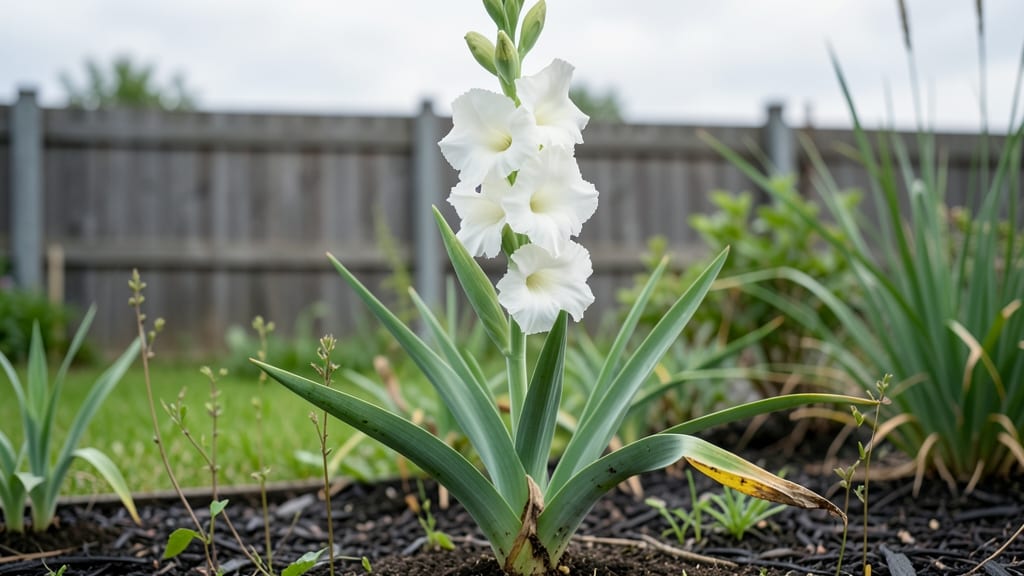
White gladioli flowers create a striking vertical statement in any garden. Their fuzzy petals and bold purple spikes add unexpected contrast, making them the star of summer borders or cut flower arrangements.
I remember the first time I planted them along my front walkway—their dramatic height instantly transformed a plain space into something memorable.
These flowers thrive when planted in clusters of three or five, spaced about 18 inches apart to create that signature layered look. Pair them with deep green foliage like hostas or purple-leaved plants to make their white blooms pop even more.
In arrangements, they add height and elegance, especially when combined with dusty miller or deep red dahlias.
For maximum visual impact, place them where they’ll be seen from multiple angles—near pathways, patios, or as a focal point in a mixed border. Their late-summer blooming season bridges the gap between summer’s abundance and fall’s cooler tones, keeping your garden vibrant well into September.
Whether you’re designing a cutting garden or simply want to elevate a summer border, white gladioli deliver dramatic, fuss-free beauty with minimal effort. The key is giving them full sun and well-drained soil—their reward is a garden that feels like a grand stage.
📚 In This Guide
- What you need
- Instructions
- Tips and common mistakes
- Wrapping up and next steps
What you need
- ● White gladioli bulbs – 10-20 bulbs (depending on desired height and fullness; larger bulbs yield taller stems).
- ● Purple gladioli bulbs – 3-5 bulbs (for striking contrast; choose a deep purple variety like 'Black Star' or 'Dark Knight').
- ● Well-draining potting mix – 5-10 gallons (a blend of garden soil, compost, and perlite works best).
- ● Large containers or garden beds – At least 6-8 inches deep (ensure they have drainage holes if using pots).
- ● Balanced, water-soluble fertilizer – 10-10-10 or similar (follow package instructions for dilution).
- ○ Slow-release fertilizer granules – Optional but recommended (mix 1 cup per 5 gallons of soil).
- ● Garden trowel or bulb planter – For digging holes or planting in containers.
- ● Watering can or hose with gentle spray – To keep soil moist without disturbing bulbs.
- ● Pruning shears or sharp scissors – For trimming stems after flowering.
- ○ Stakes or floral wire – Optional but helpful (to support tall stems in windy areas).
- ● Sunlight access – Full sun (6+ hours daily) for optimal growth.
- ● Patience! 🌱 – Gladioli take 8-12 weeks to bloom from planting.
How to grow striking white gladioli with dramatic height
These elegant blooms thrive with the right balance of sunlight, soil, and patience—here’s how to cultivate them into bold garden statements.
Select the Right Variety and Planting Location
Choose a white gladiolus variety with strong stems, like 'White Friendship' or 'White Wings,' known for their 4-5 foot height and fuzzy petals. Plant in full sun—at least 6 hours of direct sunlight daily—where they’ll develop sturdy spikes. Avoid low-lying areas prone to frost, as gladioli are tender perennials in cooler climates.
Test your soil’s drainage—gladioli hate soggy roots. Amend heavy clay with 2-3 inches of coarse sand or perlite per hole. The ideal planting spot balances sun exposure with shelter from strong winds, which can snap their towering stems. I always mark the location with stakes before digging to ensure even spacing.
Prepare the Soil and Plant Bulbs Correctly
Dig holes 6 inches deep and 8-12 inches apart for mature plants (closer spacing works for smaller varieties). Gladioli bulbs (corms) should sit 2 inches below soil level—burying them too deep delays blooming, while planting too shallow risks rot. Mix the excavated soil with compost (use the 1 cubic yard from your materials) to enrich nutrients without overwhelming the corms.
Plant corms pointy end up, as this is where the shoot emerges. If unsure, orient them with the wider base down. Water immediately after planting to settle the soil, but avoid overwatering—damp soil is fine, but soggy soil invites fungal diseases. Mulch lightly with 2 inches of straw to retain moisture and suppress weeds without smothering the emerging shoots.
Provide Consistent Care for Towering Growth
Water deeply once weekly during establishment, then 2-3 times weekly once shoots reach 6 inches tall. Gladioli need 1-1.5 inches of water per week, delivered at the base to prevent fungal spots on leaves. You’ll know moisture is right when the soil feels damp 2 inches down—never let it dry out completely, but avoid puddling.
Fertilize every 4 weeks with a balanced 10-10-10 formula (use the 1 pound from your materials) after the first true leaves appear. Side-dress with ½ pound of fertilizer per 10-foot row, keeping it 3 inches away from the stems. Stop fertilizing 8 weeks before your first frost to encourage bulb maturation for next season.
Stake and Support for Dramatic Height
Insert 5-foot stakes or bamboo canes into the soil at planting, placing them 3-4 inches from each corm. As stems reach 18 inches tall, loosely tie them to stakes with soft garden twine to prevent snapping in wind or rain. Gladioli grow 2-3 inches per week in ideal conditions—you’ll see rapid vertical growth once buds form.
Deadhead spent blooms immediately to redirect energy to the corm and encourage more spikes. Cut stems 2 inches above the next lower bud to promote lateral branching. Leave foliage until it yellows naturally—this ensures the corm stores nutrients for next year’s blooms. In colder zones, dig up corms before the first frost and store them in a cool, dry place until replanting.
Extend the Season with Cut Flowers
Harvest gladioli when 2-3 lower buds open—this stage ensures the longest vase life. Cut stems early morning with clean pruners, leaving 2-3 inches of stem attached to the corm. Strip lower leaves to fit standard 12-inch floral buckets, then recut stems under water to prevent air bubbles from blocking uptake.
Arrange in lukewarm water with a flower preservative (use the 1 packet from your materials) to extend freshness. Change water every 2 days and trim stems ½ inch daily to encourage hydration. White gladioli pair beautifully with purple statice or deep red dahlias for a striking contrast—my go-to arrangement uses 3 white gladioli, 2 statice, and 1 dahlia per bouquet for balanced drama.
Tips & tricks for growing towering white gladioli
Growing these dramatic blooms to their full potential requires a few strategic moves—here's how to ensure your white gladioli reach their stunning 4-5 foot height without common pitfalls.
Sunlight Strategy: While the instructions specify 6 hours of direct sunlight, I've found that gladioli actually perform best with 8-10 hours daily for maximum height and bloom production. If your location doesn't get full sun, consider using a reflective surface like white gravel or a mirror on the north side of your planting area to bounce extra light onto the plants. This subtle boost can make a noticeable difference in stem strength and flower size.
Soil Science: The 2-3 inches of coarse sand or perlite recommended for drainage is crucial, but don't stop there. I've seen gladioli thrive even better when you add a handful of vermiculite to each planting hole—it provides excellent aeration while holding moisture better than sand alone. This helps maintain that perfect "damp 2 inches down" moisture level without risking soggy soil that invites fungal diseases.
Staking System: Those 5-foot stakes are essential, but here's a pro move: insert them at a 45-degree angle rather than straight up. This creates a more stable triangle of support that catches stems better when they lean. I also recommend using 3 stakes per plant in windy areas—place one on each side and one in front to create a protective cage. The stakes should be inserted 3-4 inches from each corm as specified, but don't wait until stems reach 18 inches to secure them—attach them at 12 inches instead for better wind resistance.
Fertilizer Timing: The 4-week fertilization schedule works well, but I've found that adding a high-phosphorus fertilizer (like 5-10-10) at planting time gives an extra boost to root development. Then, switch back to the 10-10-10 formula after the first true leaves appear. The key is to stop fertilizing exactly 8 weeks before your first frost—this timing ensures the corms have time to fully mature and store nutrients for next season's blooms.
Pro Tips for White Gladioli Flowers
- Growing these dramatic blooms to their full potential requires a few strategic moves—here's how to ensure your white gladioli reach their stunning 4-5 foot height without common pitfalls.
- Sunlight Strategy: While the instructions specify 6 hours of direct sunlight, I've found that gladioli actually perform best with 8-10 hours daily for maximum height and bloom production.
- Soil Science: The 2-3 inches of coarse sand or perlite recommended for drainage is crucial, but don't stop there.
Frequently asked questions
Got questions about white gladioli flowers? You’re not alone!
Whether you're planning a bouquet, troubleshooting growth, or looking for alternatives, we’ve got answers. Here are the most common questions—plus quick fixes and pro tips to keep your white gladioli thriving.
How long do white gladioli flowers last in a vase?
With proper care, white gladioli can last 7–10 days in a vase. Cut stems at an angle, change the water every 2–3 days, and trim foliage to keep them fresh. For extra longevity, add a drop of bleach or a flower preservative to the water to prevent bacterial growth.
When is the best time to plant white gladioli bulbs?
Plant gladioli bulbs in early spring (after the last frost) or late summer (6–8 weeks before the first frost). They thrive in full sun and well-draining soil. In warmer climates, you can plant them year-round, but avoid extreme heat or cold during growth.
Can I mix white gladioli with other flowers in a bouquet?
White gladioli pair beautifully with purple statice, dusty miller, or deep red roses for contrast. For a soft look, combine them with white ranunculus, eucalyptus, or hydrangeas. Avoid overcrowding—their dramatic spikes need room to shine!
Why are my white gladioli wilting or not blooming?
Wilting or poor blooming often stems from overwatering, lack of sunlight, or nutrient deficiency. Ensure they get 6+ hours of sun daily and water only when the top inch of soil is dry. Feed them with a balanced fertilizer every 4–6 weeks during the growing season.
What are some low-maintenance alternatives to white gladioli?
If gladioli seem high-maintenance, try these stunning low-fuss alternatives:
- Bearded Iris – Tall, bold, and drought-tolerant.
- Lilies (Stargazer or Casa Blanca) – Fragrant and easy to grow.
- Snapdragons – Add vertical interest without fuss.
- Dahlias – Dramatic blooms with fewer pests.
Pro Tip: Extend Bloom Time!
To encourage longer blooming seasons, deadhead spent flowers regularly. This redirects energy to new buds, giving you weeks more drama from your white gladioli! Plus, mulch around the base to retain moisture and deter weeds.
Wrapping up and next steps
White gladioli flowers bring a touch of elegance and drama to any space—whether you’re crafting a stunning bouquet, brightening a room, or adding a whimsical touch to a special occasion.
Their towering height and fuzzy, velvety petals make them a showstopper, while their versatile charm ensures they fit seamlessly into any aesthetic. 🌸
Now that you’re equipped with the materials and answers to common questions, it’s time to let your creativity bloom! Try experimenting with different arrangements—pair them with deep purples for contrast, or let their purity shine alone.
Ready to grow, arrange, or gift these beauties? Grab your tools and start crafting your floral masterpiece today! 🌱✨