
Flowers
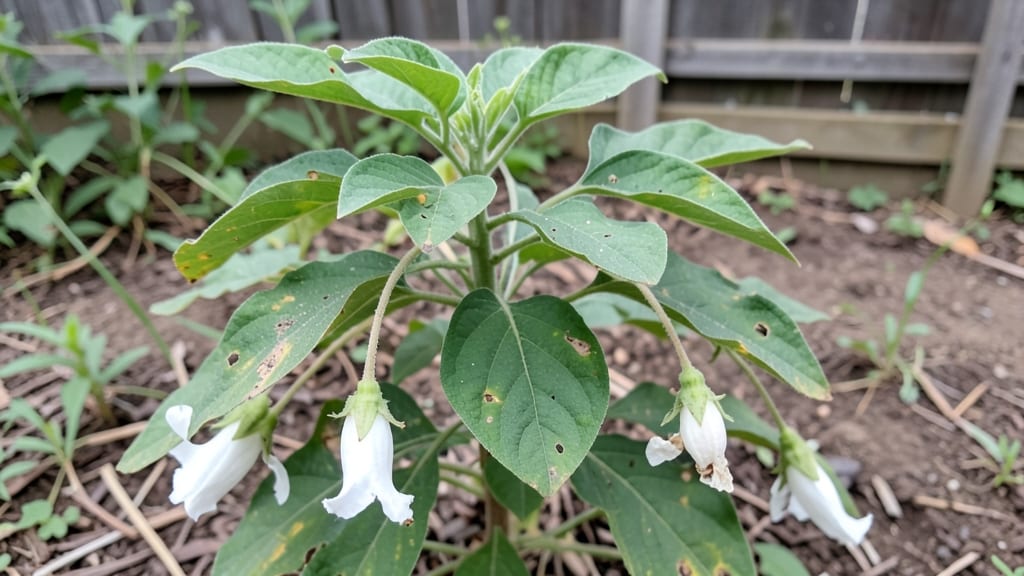
White gooseneck flowers are the Pacific Northwest’s secret weapon for drama and pollinator power—towering stems that hummingbirds can’t resist. 🌿 I first spotted them in a friend’s cottage garden, where they stretched toward the sky like elegant white candles, their arching blooms creating a natural canopy over purple coneflowers.
The contrast alone makes them a designer’s dream, but their ability to draw hummingbirds to your garden is what truly sets them apart.
Pair them with deep purple foliage like heuchera or salvia for a striking color combo, or let them shine in a moon garden alongside white peonies and silver foliage.
They thrive in partial shade, making them perfect for understory plantings or woodland garden edges, where their graceful arcs soften the landscape without competing with other plants.
The key is giving them space—they can reach 6 feet tall, so cluster them in groups of three or more for maximum impact.
Imagine a summer afternoon where the air hums with wings and the garden glows with soft white blooms backlit by golden afternoon light. These flowers don’t just look stunning—they create a living stage for hummingbirds to perform their aerial ballet.
Whether you’re designing a cottage garden, a modern minimalist space, or a pollinator haven, white gooseneck flowers bring height, movement, and a touch of whimsy that’s impossible to ignore.
They’re equally at home in mixed borders or as a standalone specimen, proving their versatility. For best results, plant them in well-draining soil and water consistently—once established, they’re surprisingly low-maintenance.
The secret to their magic lies in their ability to blend effortlessly while stealing the show, making them a must-have for any garden that wants to feel alive with color and movement.
📚 In This Guide
- What you need
- Instructions
- Tips and common mistakes
- Wrapping up and next steps
What you need
- ● White Gooseneck Flower Seeds or Bulbs: 10–20 seeds (for direct sowing) or
- ● 5–10 bulbs (for faster growth)
- ● Well-Draining Soil Mix: 1 part potting soil
- ● 1 part perlite or coarse sand (for aeration)
- ○ Optional: Compost (for nutrient boost)
- ● Containers or Garden Bed: 6–8 inch pots (per bulb/seed) or
- ● Sunny, sheltered garden spot (6+ hours of light daily)
- ● Garden trowel or bulb planter
- ● Watering can or hose with gentle spray
- ○ Mulch (straw or shredded bark, optional for moisture retention)
- ○ Fertilizer (balanced 10-10-10, optional for established plants)
- ● Knowledge of your last frost date: Plant bulbs after the final frost (typically late April–May in the PNW).
How to grow white gooseneck flowers for hummingbirds
These striking Pacific Northwest natives thrive with the right approach—here's how to cultivate them for maximum height and pollinator appeal.
🌱 Step 1: Select the Perfect Planting Location
White gooseneck flowers (Ipomoea leptophylla) need full sun to partial shade—at least 6 hours of direct sunlight daily—to develop their signature towering growth. In the Pacific Northwest's cooler climate, choose a spot with morning sun and afternoon shade to prevent leaf scorch. The soil should drain well but retain moisture, so avoid low-lying areas where water pools.
I always test drainage by digging a 6-inch hole, filling it with water, and watching how quickly it drains. If it takes longer than 30 minutes, amend the soil with 2-3 inches of compost to improve aeration. These plants hate soggy roots, which leads to root rot and stunted growth.
☀️ Step 2: Plant at the Right Time and Depth
Start seeds indoors 8-10 weeks before your last frost date, or plant bare-root starts in early spring once soil temperatures reach 60°F. The Pacific Northwest's mild winters mean you can also plant in early fall for blooms the following season. Dig a hole twice as wide as the root ball but only as deep as the container—burying too deep suffocates the roots.
Space plants 3-4 feet apart to allow their vines to sprawl without competition. If growing as annuals, I like to tuck them near trellises or fences, where they can climb and create dramatic vertical displays. Mulch around the base with 2 inches of organic mulch to retain moisture and suppress weeds—just keep it 6 inches away from the stem to prevent rot.
💧 Step 3: Water and Fertilize for Towering Growth
Water deeply once a week during the first month, then every 5-7 days once established, ensuring the soil is damp 2-3 inches down but not waterlogged. Overwatering is the fastest way to kill these plants—yellowing leaves signal you're drowning the roots. In the Pacific Northwest's damp climate, reduce watering in fall and winter unless the soil feels bone-dry.
Feed with a balanced, slow-release fertilizer (10-10-10) at planting, then again mid-summer to encourage blooms. I avoid high-nitrogen fertilizers—they promote leafy growth at the expense of those iconic white, trumpet-shaped flowers. Instead, side-dress with compost tea every 4-6 weeks for a natural nutrient boost without burning the roots.
✂️ Step 4: Prune and Support for Maximum Height
As vines grow, gently weave them through a trellis or tall stake to guide their upward progress. Prune leggy stems back by one-third in early summer to encourage bushier growth and more blooms. Remove spent flowers regularly—this prevents the plant from wasting energy on seed production and redirects it toward longer, stronger vines.
Watch for aphids or spider mites, which love the tender new growth. I spray affected areas with neem oil at the first sign of infestation—it’s organic, effective, and won’t harm hummingbirds or bees. If vines flop over in heavy rain, secure them with soft plant ties to prevent breakage. The goal is to keep them upright and unobstructed so they can reach their full 6-10 foot height.
🪴 Step 5: Overwinter and Extend the Season
In the Pacific Northwest’s mild winters, cut back vines to 6 inches tall after the first frost, then mulch heavily with 4-6 inches of straw or leaves. This protects the roots from freezing while allowing the plant to regrow in early spring. If growing as annuals, save seeds from dried pods—store them in a cool, dry place until next year’s planting.
For extended blooms, deadhead faded flowers weekly through late summer. This tricks the plant into producing more flowers instead of seeds, keeping those white trumpets in full display. In fall, if temperatures stay above 50°F, fertilize lightly with low-nitrogen, high-phosphorus (5-10-10) to encourage a second flush of blooms before winter sets in.
Tips & tricks for perfect white gooseneck flower cultivation
Here's what I've learned after growing these stunning Pacific Northwest natives year after year.
Sunlight Strategy: The 6 hours of daily sunlight requirement is non-negotiable for those towering vines. In the Pacific Northwest's cooler climate, I've found that positioning plants where they get morning sun and afternoon shade actually prevents leaf scorch while still promoting vigorous growth. If your garden gets intense afternoon sun, consider using shade cloth during peak hours—it makes all the difference for maintaining that lush green foliage.
Soil Science: That 30-minute drainage test is your best friend. If water pools longer than that, your plants will develop root rot before they even get established. I've seen this happen too many times—yellowing leaves and stunted growth are the first signs. For heavy clay soils, mix in perlite or coarse sand along with the 2-3 inches of compost to create that perfect drainage-to-moisture balance. The roots need air as much as they need water.
Timing is Everything: Starting seeds indoors 8-10 weeks before your last frost date gives them the head start they need to reach that impressive 6-10 foot height. I've learned that in the Pacific Northwest's mild climate, fall planting can actually work better than spring—those plants get an extra growing season before winter sets in. Just make sure soil temperatures are above 60°F before planting bare-root starts, or they'll sit there looking sad while they wait for warmer conditions.
Support System: Don't underestimate the importance of those trellises and stakes. I've seen beautiful vines flop over in heavy rain, breaking under their own weight. Install your support structures at planting time so you're not struggling to attach them later. For maximum height, I like to use a combination of a central stake and horizontal wires—this creates a natural lattice that guides the vines upward while preventing them from getting tangled.
Pro Tips for White Gooseneck Flowers
- Here's what I've learned after growing these stunning Pacific Northwest natives year after year.
- Sunlight Strategy: The 6 hours of daily sunlight requirement is non-negotiable for those towering vines.
- Soil Science: That 30-minute drainage test is your best friend.
Frequently asked questions
Got questions about white gooseneck flowers? You’re not alone!
Here are answers to the most common queries about these stunning Pacific Northwest beauties—from care tips to wildlife benefits.
What’s the best time to plant white gooseneck flowers?
Plant them in early spring (March–April) after the last frost, or in early fall (September–October) for a head start. They thrive in well-draining soil and partial shade, so avoid waterlogged spots. Young plants are delicate—keep them moist but not soggy until established!
Do white gooseneck flowers really attract hummingbirds?
Absolutely!
Their tubular, nectar-rich blooms are a magnet for hummingbirds, especially Anna’s and Rufous species common in the PNW. Plant them near feeders or other pollinator-friendly flowers (like penstemons) to create a hummingbird highway.
How do I keep my white gooseneck flowers healthy?
These perennials are low-maintenance but love:
- Watering: Deep water 1–2x/week (drought-tolerant once established).
- Pruning: Trim dead blooms in late summer to encourage new growth.
- Soil: Amend heavy clay with compost for better drainage.
Pro tip: Mulch around the base to retain moisture and deter weeds.
Can I grow white gooseneck flowers in containers?
Yes! Choose a large pot (12"+ diameter) with drainage holes and a well-draining potting mix. They’ll need more frequent watering in containers but thrive in balconies or patios. Just ensure the pot gets morning sun and afternoon shade to prevent wilting.
What if my flowers aren’t blooming?
Common culprits:
- Too much shade: They need at least 4–6 hours of sun daily.
- Over-fertilizing: Too much nitrogen = leafy growth, fewer blooms.
- Dormant period: They may rest in late summer—don’t panic!
Try moving them to a sunnier spot or fertilizing lightly with low-phosphorus plant food in early spring.
Wrapping up and next steps
White gooseneck flowers—those stunning Zauschneria devesae blooms—are a Pacific Northwest gardener’s dream, offering height, color, and hummingbird magic in one elegant package.
Whether you’re drawn to their drought-resistant charm or their ability to turn your garden into a hummingbird buffet, these flowers prove that beauty and functionality go hand in hand. 🌸
Ready to transform your outdoor space? Start small: plant a single gooseneck flower this season and watch it thrive. Before you know it, you’ll be the neighborhood’s go-to expert for effortless, pollinator-friendly gardening!