
Flowers
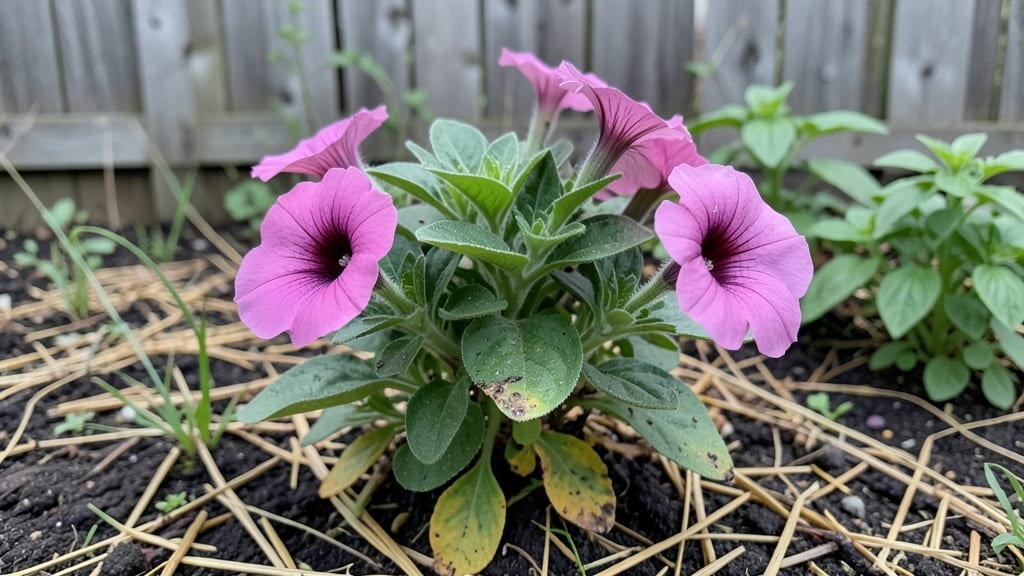
Pink petunia flowers are the Pacific Northwest’s secret weapon for instant vertical drama. ✨ I’ve seen them transform drab fences into cascading waterfalls of color, and they thrive in our damp, mild climate better than most annuals.
The key isn’t just planting them—it’s arranging them to create layers, from hanging baskets to mixed containers where they spill over edges like pink velvet ribbons.
These petunias pair beautifully with deep purple salvias, crisp white begonias, or even silver foliage plants to make your garden pop. They’re drought-tolerant once established and bloom nonstop from spring through fall, which means you’ll get that lush, full look without constant deadheading.
The trick is keeping them well-drained and giving them morning sun to prevent mildew—our rainy summers can be tricky, but with the right care, they’ll stay vibrant.
Imagine your front porch overflowing with pink spills, or a modern raised bed where they contrast sharply against dark green boxwoods. In cottage gardens, they soften the edges of perennials, while in pollinator-friendly spaces, they attract bees and butterflies without competing with native plants.
The possibilities are endless, and the impact is immediate—just plant them where you want to draw the eye.
Whether you’re working with a small balcony or a sprawling backyard, petunias adapt to any style. Start with a few baskets this season, experiment with pairings, and let them teach you what works best in your space.
Once you see how they transform a corner, you’ll never plant them any other way again.
📚 In This Guide
- What you need
- Instructions
- Tips and common mistakes
- Wrapping up and next steps
What you need
- ● Pink petunia seeds or seedlings: Choose Petunia × hybrida varieties like 'Sweetunia,' 'Wave,' or 'Surfinia' for trailing or bushy growth.
- ● Quantity: 5–10 plants per square foot (or 1–2 plants per 10-inch pot for containers).
- ● Growing containers or garden space: Containers: 10–12 inch pots with drainage holes (fabric grow bags work too!).
- ● Garden beds: Well-draining soil with 6+ hours of sunlight daily (partial shade tolerates Petunia 'Wave' series).
- ● High-quality potting mix: 1 part peat moss or coconut coir + 1 part perlite or vermiculite (for aeration).
- ● Add compost (1 cup per 5 gallons of mix) for nutrients.
- ● Fertilizer: Balanced 10-10-10 or 20-20-20 liquid fertilizer (diluted to half-strength).
- ● Slow-release granules (e.g., Osmocote) for long-term feeding.
- ● Tools: Trowel or small shovel
- ● Pruning shears (for deadheading)
- ● Watering can with a rose nozzle (gentle spray for seedlings)
- ○ Gloves (optional but recommended for soil work)
- ● Epsom salt: 1 tablespoon per gallon of water (monthly for magnesium boost).
- ● Mulch: Straw or pine bark to retain moisture and suppress weeds.
- ● Vertical planters or trellises: For cascading varieties like 'Surfinia.'
- ● Shade cloth (30–50% coverage): If planting in hotter microclimates (e.g., urban areas).
- ● Insecticidal soap or neem oil: Preemptive treatment for aphids or whiteflies.
How to grow stunning pink petunias in the Pacific Northwest
Here's my go-to method for vibrant, long-lasting petunias that thrive in our cool, damp climate.
🌱 Step 1: Choose the Right Petunia Variety and Planting Time
Select Pacific Northwest-hardy petunia varieties like 'Wave' or 'Supertunia'—they handle our cooler summers better than standard types. Start seeds indoors 8-10 weeks before your last frost date (usually early March for most PNW zones). You'll see faster, stronger plants than nursery starts that often struggle after transplanting.
If you prefer transplants, buy established 4-inch pots from a local nursery in late April to early May when night temperatures stay above 50°F. Avoid early starts—they get leggy waiting for warm soil. Look for sturdy stems and dark green, compact foliage—anything pale or stretched out will flop in our damp weather.
🪴 Step 2: Prepare Containers or Garden Beds
Petunias need well-draining soil—they hate soggy roots. Mix 2 parts potting soil with 1 part perlite or coconut coir to improve drainage. For containers, use pots at least 10 inches deep with drainage holes. I add a 2-inch layer of gravel at the bottom to prevent clogging and improve airflow.
In garden beds, amend the soil with 2-3 inches of compost and work in a slow-release fertilizer (like 10-10-10) at planting time. The PNW's acidic soil can stunt petunias, so test your soil—if pH is below 6.0, add pelletized lime to raise it to 6.2-6.8. You'll see healthier growth and brighter blooms within weeks.
☀️ Step 3: Plant and Provide Optimal Light
Plant seeds ¼ inch deep in moist soil, spacing them 12-18 inches apart—they'll spread! Cover lightly with soil and mist gently with water. Keep the soil consistently moist (not soggy) until germination, which takes 7-14 days at 70-75°F. If your home is cooler, use a seedling heat mat to speed things up.
For transplants, dig holes twice as wide as the root ball to encourage root spread. Place plants in morning sun with afternoon shade—our PNW summers can scorch petunias if they get full afternoon sun. Move containers to a sheltered spot if winds exceed 15 mph, as petunias are top-heavy and prone to tipping.
💧 Step 4: Water and Feed for Continuous Blooms
Water deeply once a week, aiming for 1 inch of water per week. Let the top 1-2 inches of soil dry out between waterings—petunias wilt quickly if thirsty but also rot if overwatered. Water at the base of the plant in the morning to prevent fungal diseases from evening moisture.
Feed every 2-3 weeks with a balanced liquid fertilizer (like 20-20-20) diluted to half-strength. Deadhead spent blooms weekly by pinching off flowers just above the next set of leaves. This encourages nonstop blooming—my plants stay lush and colorful from June through October with this routine.
✂️ Step 5: Prune and Overwinter (If Desired)
Prune leggy stems back by one-third in early summer to encourage bushier growth. Use clean, sharp scissors and cut just above a leaf node. Avoid heavy pruning after mid-August—new growth won't harden off before frost. You'll see fuller plants with more blooms per stem within 3-4 weeks.
In the PNW, petunias are annuals, but you can try overwintering tender varieties indoors. Dig up plants before the first frost, trim back by half, and pot them in 6-inch containers. Place in a bright, cool room (50-60°F) with grow lights for 12-14 hours daily. They'll need minimal water and may rebloom weakly in spring—though most gardeners prefer fresh starts each year.
Tips & tricks for perfect pink petunia flowers
Here's what I've learned after growing these showstoppers for years in our unpredictable PNW climate.
Variety Selection: The 'Wave' petunia is my top pick for PNW gardens—it handles our cooler summers and wind better than standard types. For containers, 'Supertunia' varieties stay compact and bloom nonstop. If you're in a particularly wet area, look for disease-resistant hybrids like 'Easy Wave'—they'll thank you with fewer fungal issues.
Timing Secret: Those 8-10 weeks before last frost for seed starting aren't just numbers—they're critical for strong plants. I set reminders for March 1st (our typical last frost date) and count backward. If you're using transplants, wait until night temps stay above 50°F—any earlier and your plants will get leggy from waiting for warm soil.
Soil Prep Strategy: The 2-3 inches of compost in Step 2 isn't just about nutrients—it's about creating the right texture. Our PNW soil is naturally dense, so the compost helps with aeration while the perlite/coco coir mix prevents compaction. For containers, that 2-inch gravel layer at the bottom is a game-changer—it prevents root rot from soggy bottoms during our frequent rain.
Light Management: Morning sun with afternoon shade is non-negotiable in our climate. I've seen petunias get sunburned in full afternoon sun—look for leaves with crispy edges if this happens. For containers, I move mine to a sheltered spot during wind gusts over 15 mph—they're top-heavy and will flop dramatically otherwise.
Pro Tips for Pink Petunia Flower
- Here's what I've learned after growing these showstoppers for years in our unpredictable PNW climate.
- Variety Selection: The 'Wave' petunia is my top pick for PNW gardens—it handles our cooler summers and wind better than standard types.
- Timing Secret: Those 8-10 weeks before last frost for seed starting aren't just numbers—they're critical for strong plants.
Frequently asked questions
Got questions about growing and caring for pink petunia flowers in the Pacific Northwest? Here are some common ones—and their answers!
How long do pink petunias typically bloom?
With proper care, pink petunias can bloom from early summer (June) through the first hard frost (usually October in the PNW). Deadheading spent blooms encourages continuous flowering. In milder coastal areas, they may even bloom into November!
Do pink petunias need full sun?
Yes! Pink petunias thrive in 6–8 hours of direct sunlight daily. In the PNW’s cloudier regions, place them in the sunniest spot possible—even partial shade can reduce blooms. Containers can be moved to follow the sun if needed.
Why aren’t my pink petunias blooming?
Common culprits include over-fertilizing with high-nitrogen (promotes leaves, not flowers), poor sunlight, or root-bound plants. Try pruning leggy stems, switching to a bloom-boosting fertilizer, and ensuring they get enough light. Pro tip: Pinch back new growth early to encourage bushier, flower-heavy plants!
Can I grow pink petunias in hanging baskets?
Hanging baskets are perfect for petunias—they cascade beautifully and maximize vertical space. Use a well-draining potting mix and water consistently (they dry out faster in baskets). Add a slow-release fertilizer at planting for steady nutrition.
How do I protect pink petunias from PNW rain?
While petunias tolerate light rain, heavy downpours can cause puddling or fungal issues. Elevate containers, ensure pots have drainage holes, and avoid overhead watering. If rain is forecasted, temporarily move potted plants to a covered porch or under a patio awning.
Are there pink petunia alternatives for shade?
If your garden is shadier than ideal, try impatiens (like New Guinea impatiens) or begonias—both tolerate lower light and add vibrant pink blooms. For partial shade, coleus or heuchera (with pink foliage) are great companions!
Wrapping up and next steps
The pink petunia flower isn’t just a splash of color—it’s a statement for any Pacific Northwest garden, bringing joy, vertical drama, and effortless charm to your outdoor space. Whether you’re a seasoned gardener or just starting, these vibrant blooms prove that beauty thrives with a little patience and care. 🌸
Ready to transform your garden? Start by planting a few pink petunias this season—your future self (and your neighbors!) will thank you. Happy gardening! 🌿