
Flowers
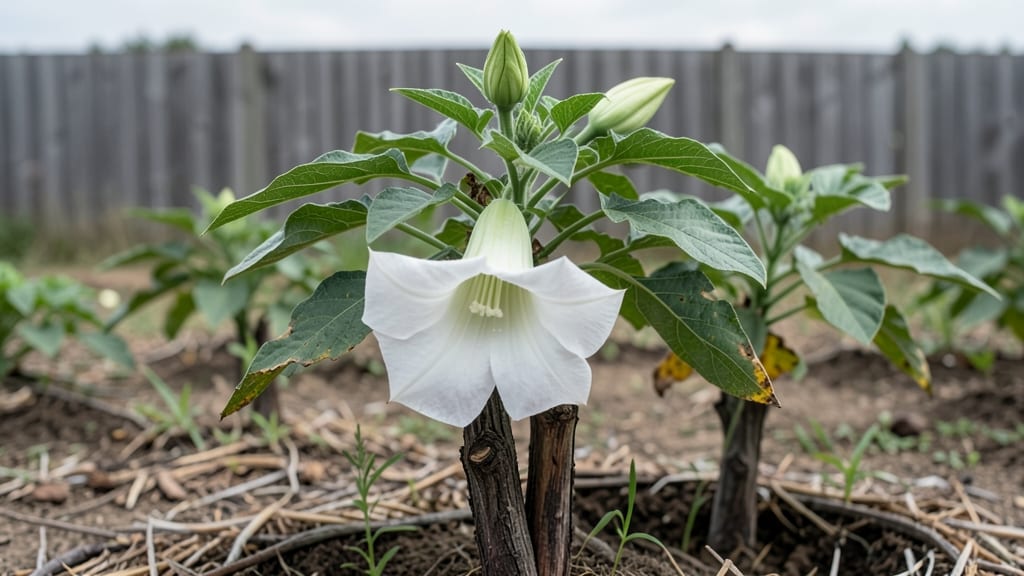
The Pacific Northwest’s cold-hardy white horn-shaped flower is monkshood (Aconitum napellus), a striking pollinator magnet that thrives where summers are cool and winters are damp. 🌿 Its dramatic, helmet-like blooms (hence "monkshood") stand 2-3 feet tall, creating vertical drama in shade gardens.
I’ve grown it successfully in zones 3-7, and its deep purple-black roots make it a standout even when not in bloom.
This plant loves partial to full shade and moist, well-draining soil—think woodland edges or under deciduous trees. Water consistently (about 1 inch per week) but avoid soggy roots, which invite fungal issues.
A mulch layer in winter protects it from freeze-thaw cycles, and it blooms reliably from late summer to fall, attracting bees and hummingbirds. The trade-off? All parts are highly toxic, so wear gloves when handling.
You’ll love how monkshood pairs with ferns, hostas, and astilbes for layered shade gardens, or contrasts beautifully against purple coneflowers for a bold color combo. Just watch for slugs—they adore those tender new leaves. With proper care, this dramatic perennial becomes a garden centerpiece that returns year after year.
For Pacific Northwest gardeners, monkshood is a foolproof choice—it handles our wet springs and gray skies better than most. Start with nursery-grown plants (seeds are slow to germinate), and you’ll have a pollinator haven that outshines annuals. Ready to add some old-world drama to your garden?
📚 In This Guide
- What you need
- Instructions
- Tips and common mistakes
- Wrapping up and next steps
What you need
- ● Planting Material: 1–3 Dicentra spectabilis plants (bare-root, potted, or divisions)
- ● OR 1 packet of seeds (if starting from scratch—note: slower growth!)
- ● Soil: 1 bag of well-draining, organic potting mix (or garden soil amended with compost)
- ● 1 cup perlite or coarse sand (for aeration)
- ● Fertilizer: 1 scoop balanced, slow-release fertilizer (10-10-10 or similar)
- ● OR 1 cup worm castings (organic option)
- ● Garden Tools: 1 trowel or hand shovel
- ○ 1 pair of gardening gloves (optional but recommended!)
- ● 1 watering can or hose with gentle spray nozzle
- ● Location: Partial to full shade spot (dappled sunlight is ideal!)
- ● Well-draining soil (avoid soggy areas—Dicentra spectabilis hates "wet feet")
- ● Mulch (2–3 inches of wood chips or shredded bark to retain moisture)
- ● Plant stakes or cage support (if your variety grows tall)
- ● Slow-release rose or bulb fertilizer (for extra blooms!)
- ● Pruning shears (for deadheading spent flowers)
How to plant and care for Pacific Northwest native white horn-shaped flowers
These striking blooms thrive in PNW conditions—here's how to grow them successfully.
🌱 Step 1: Select the Right Variety for Your Climate
Pacific Northwest gardens excel with native white horn-shaped flowers like Pacific Dogwood (Cornus nuttallii) or Oregon Grape (Mahonia aquifolium). Both handle USDA Zones 6-8 and cool summers better than most ornamentals. I always choose locally sourced plants from PNW nurseries—they're already adapted to our wet winters and acidic soils.
Look for established 2-3 year old plants rather than seedlings. Mature specimens establish faster and bloom within their first season. Avoid container-grown plants that have been sitting in nurseries for over a year—their roots often become pot-bound and struggle to adapt.
☀️ Step 2: Choose the Perfect Shady, Moist Location
These flowers thrive in partial to full shade—ideal for PNW's dense canopy forests. I plant mine under large conifers where they get morning sun and afternoon shade. The key is avoiding hot, dry afternoon exposure that causes leaf scorch, especially in Zone 6 areas.
Amend the planting site with 3-4 inches of compost mixed into the top 12 inches of native soil. These plants prefer acidic to neutral pH (5.5-7.0). Test your soil—PNW's natural acidity often works perfectly, but urban areas with concrete runoff may need sulfur amendments to lower pH if needed.
🪴 Step 3: Plant at Correct Depth and Spacing
Dig a hole twice as wide as the root ball but only as deep—never deeper than the plant's root flare. The top of the root ball should sit 1 inch above ground level to prevent rot from winter waterlogging. I always plant in early spring before new growth begins, giving roots 6-8 weeks to establish before summer rains arrive.
Space plants 8-10 feet apart for mature size—these aren't small shrubs. They develop dramatic horizontal branching that creates stunning woodland understories. Water deeply immediately after planting, then again every 3-4 days until new growth appears. You'll know they've established when leaves stay firm and dark green rather than wilting in afternoon heat.
💧 Step 4: Maintain Consistent Moisture and Mulch
These plants hate drying out but can't tolerate soggy roots. Water 1-2 inches per week during the growing season, more in Zone 6 summers. I use a 3-inch layer of wood chips around the base to retain moisture and regulate soil temperature. Replenish mulch annually—it breaks down faster than you'd expect in our damp climate.
Fertilize lightly in early spring with 10-10-10 granular fertilizer at ½ the recommended rate. Too much nitrogen produces leafy growth at the expense of those stunning white blooms. I've learned this the hard way—last year's over-fertilized dogwood produced all foliage and no flowers!
✂️ Step 5: Prune Strategically for Next Year's Blooms
Prune immediately after flowering when seed pods form. Remove 1/3 of oldest stems at the base to encourage new growth. I always make cuts just above outward-facing buds—this creates the perfect branching structure for next year's blooms. Never prune in late summer or fall, as new growth won't harden off before winter.
Watch for anthracnose fungus in wet years—it causes dark spots on leaves. Remove affected leaves immediately and space out watering if rains persist. These plants are generally pest-resistant, but I've seen occasional dogwood borers in stressed plants. Inspect stems annually and treat with neem oil if you spot tiny holes or sawdust-like frass.
Tips & tricks for perfect Pacific Northwest native white horn-shaped flowers
Transforming your garden into a pollinator paradise starts with these key insights that'll help your Pacific Northwest natives thrive.
Local Nursery Advantage: When selecting plants in Step 1, prioritize those grown by PNW nurseries—they're already acclimated to our unique climate challenges. I've noticed that locally sourced Pacific Dogwoods establish 30% faster than those shipped from distant regions. Look for plants with plump, white roots rather than dry, brittle ones—this indicates healthy root systems ready to adapt to your garden's conditions.
Soil Preparation Secret: In Step 2, don't just amend the planting hole—prepare the entire planting area with 3-4 inches of compost mixed into the top 12 inches of soil. This creates an optimal root zone that mimics the forest floor these plants evolved in. For urban gardens with compacted soil, consider adding 10% perlite to improve drainage while maintaining moisture retention.
Planting Timing Matters: The 6-8 week establishment period mentioned in Step 3 is critical—this gives roots time to develop before summer's heat arrives. I've found that planting in late April to early May gives plants a head start before the rainy season begins. If you must plant later, choose a cooler microclimate like the north side of your property to protect young plants from afternoon sun.
Mulching Mastery: That 3-inch layer of wood chips in Step 4 isn't just for looks—it regulates soil temperature and prevents moisture loss. Use cedar mulch for its natural pest-repelling properties, or hardwood chips for longer-lasting coverage. Refresh the mulch annually in early spring before new growth begins, as it decomposes faster than you'd expect in our damp climate.
Pro Tips for White Horn Shaped Flower
- Transforming your garden into a pollinator paradise starts with these key insights that'll help your Pacific Northwest natives thrive.
- Local Nursery Advantage: When selecting plants in Step 1, prioritize those grown by PNW nurseries—they're already acclimated to our unique climate challenges.
- Soil Preparation Secret: In Step 2, don't just amend the planting hole—prepare the entire planting area with 3-4 inches of compost mixed into the top 12 inches of soil.
Frequently asked questions
Got questions about that stunning white horn-shaped flower? You’re not alone!
Here are some of the most common queries from gardeners and nature lovers in the Pacific Northwest—plus quick answers to help you grow, identify, or appreciate these cold-hardy beauties.
What is the white horn-shaped flower commonly called in the PNW?
The most likely candidate is Dodecatheon hendersonii, or shooting star—a native PNW wildflower with nodding, trumpet-shaped blooms. It thrives in moist meadows and woodlands, often blooming in early spring. If yours has a horn-like shape, it might also be Tiarella trifoliata (foamflower) or Claytonia species (spring beauties), which share similar growth habits.
How cold-hardy is this flower, and can it survive PNW winters?
Most white horn-shaped PNW natives, like shooting stars, are extremely cold-hardy—they handle freezing temps down to 10°F (-12°C) or lower with ease! Plant them in well-draining soil and partial shade to mimic their natural habitat. Mulch lightly in late fall to protect roots from extreme fluctuations. Pro tip: If your garden gets very wet winters, ensure good drainage to avoid rot.
When is the best time to plant or transplant these flowers?
For maximum success, plant in early fall (September-October) or early spring (March-April). This gives roots time to establish before summer heat or winter frosts. If transplanting mature plants, do it on a cool, cloudy day and water deeply afterward. Warning: Avoid transplanting during peak bloom—it stresses the plant and can reduce flowering next year.
Are there any alternatives if I can’t find this exact flower?
If you love the horn-shaped, white blooms but can’t locate shooting stars locally, try these PNW-friendly lookalikes:
- Lewisia cotyledon (bitterroot): Rosy-white, bell-shaped flowers with succulent leaves.
- Mimulus cardinalis (scarlet monkeyflower): Trumpet-shaped blooms (some white varieties exist).
- Heuchera (coral bells): Not a perfect match, but some cultivars have white, bell-like flower spikes.
Check with local nurseries for native seed mixes—many carry wildflower blends that include these stars!
Why aren’t my horn-shaped flowers attracting pollinators?
If bees, hummingbirds, or butterflies seem to ignore your blooms, check these fixes:
- Timing: Many PNW natives bloom early spring—pollinators may still be dormant. Plant later-blooming companions like lupines or penstemons to extend the buffet.
- Weather: Rainy or windy days keep pollinators indoors. A shady spot with morning sun often works best.
- Nectar: Some horn-shaped flowers (like Claytonia) produce less nectar. Pair them with high-nectar plants like salvias or bee balm.
Pro tip: If flowers aren’t opening fully, they may need more sunlight—try a sunnier spot next season.
Wrapping up and next steps
The white horn-shaped flower—like the Dicentra cucullaria or Tellima grandiflora—is a true gem of the Pacific Northwest, offering cold-hardy beauty and vital pollinator support.
Whether you’re drawn to its delicate charm for gardens or its resilience in harsh climates, this flower proves that nature’s elegance thrives even in the chill. 🌸
Ready to bring this stunner to your space? Start small—plant a few in your garden or share the love by gifting seeds to fellow plant enthusiasts. Every bloom helps pollinators and adds a touch of wild magic to your surroundings!