
Flowers
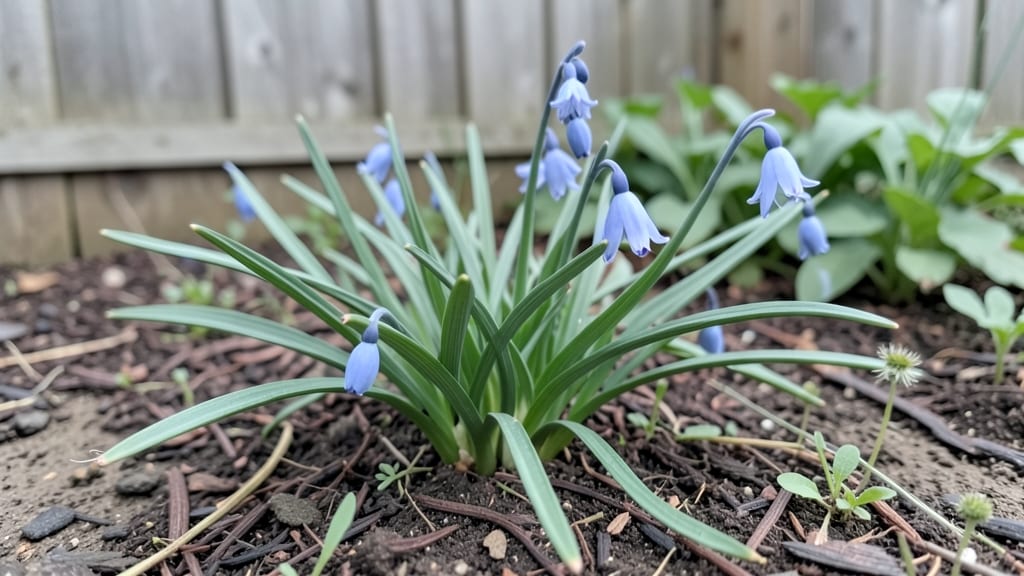
The Pacific Northwest's wild bluebell flower transforms any garden into a storybook scene. 🌿 I’ve spent years weaving these delicate bell-shaped blooms into woodland gardens, and they never fail to bring a touch of magic to early spring.
Their nodding flowers in soft blue hues create a dreamy carpet when planted en masse, while their delicate scent adds an extra layer of enchantment.
These woodland natives thrive in dappled shade and moist, well-draining soil—perfect for understory planting or naturalized meadows. Pair them with ferns, bleeding hearts, and lungwort for a lush, layered look that mimics their native forest floor.
The secret to their success lies in mimicking their natural habitat: avoid heavy clay and full sun, and they’ll reward you with weeks of blooms.
Imagine stepping into your garden in April and being greeted by a sea of tiny blue bells swaying gently in the breeze. They’ll attract pollinators early in the season and create a serene focal point that feels both wild and intentional.
The best part? Once established, they self-seed reliably, spreading their charm year after year with minimal effort.
For designers, wild bluebells are a game-changer in woodland themes, cottage gardens, or even as edging along shady paths. They’re equally at home in containers for patios or as a ground cover under trees.
The key is to let them naturalize—resist the urge to tidy them up, and they’ll thrive in their own whimsical way.
📚 In This Guide
- What you need
- Instructions
- Tips and common mistakes
- Wrapping up and next steps
What you need
- ● Wild bluebell seeds or bulbs: 10-20 bulbs (or 1 packet of seeds) for planting. Look for Hyacinthoides non-scripta—the true wild bluebell—if available in your region.
- ● Well-draining soil: A mix of 60% topsoil, 30% compost, and 10% perlite or sand (for bulbs) or regular garden soil (for seeds).
- ● Garden trowel or bulb planter: A small, sharp-edged tool for digging.
- ● Watering can or hose with a gentle spray nozzle: For consistent moisture without disturbing bulbs.
- ○ Mulch (optional but recommended): A light layer of straw, pine needles, or shredded bark to retain moisture and deter weeds.
- ● Gloves: A pair of gardening gloves to protect your hands from soil and thorns (if foraging wild).
- ● Pruners or shears: For trimming foliage or harvesting flowers.
- ● Spray bottle (for indoor growing): If starting seeds in pots or terrariums.
- ● Plant labels: To track varieties and planting dates.
- ● Sunlight or grow lights: A sunny windowsill or a small grow light for indoor seedlings.
How to cultivate wild bluebells in Pacific Northwest woodlands
These delicate blooms thrive with minimal fuss—just follow nature’s lead.
🌱 Step 1: Locate the Perfect Shady Spot
Wild bluebells (Mertensia virginica or Hyacinthoides non-scripta) need dappled shade—think under deciduous trees where sunlight filters through leaves. Avoid dense evergreen shade, which blocks too much light. I scout for areas where ferns or salmonberry already grow; those spots mimic their natural woodland habitat.
Check the soil moisture—it should stay evenly damp but not soggy. Press your finger into the ground; if it feels cool and clings slightly, that’s ideal. If the soil dries out quickly, you’ll need to water more frequently or choose a lower-lying area where natural moisture lingers.
🌿 Step 2: Prepare the Soil Naturally
Bluebell bulbs prefer loamy, slightly acidic soil with good drainage. If your site has heavy clay, mix in a thin layer of leaf litter or compost (about ½ inch deep) to improve texture without altering the soil’s natural acidity. Avoid digging deeply—wild bluebells spread via rhizomes, not deep roots.
I scatter a handful of crushed pine needles over the area to acidify the soil gently. This mimics their native woodland floor and discourages weeds. Skip synthetic fertilizers—they encourage leafy growth over blooms. Instead, let fallen leaves and organic matter build up naturally over time.
⏰ Step 3: Plant Bulbs in Early Fall
Timing is everything: plant bulbs 6-8 weeks before the first frost, ideally in September or October. Dig a hole twice as deep as the bulb’s height (about 2-3 inches deep) and space them 4-6 inches apart. Wild bluebells multiply quickly, so don’t overcrowd them.
Gently place the bulb with the pointy end up—this ensures the shoot grows toward light. Cover with soil and water lightly to settle it in. You’ll see first green shoots in late winter, signaling successful planting. If your climate stays mild, wait until November to plant.
☀️ Step 4: Provide Seasonal Care
Water once a week during the first growing season to help roots establish, but reduce frequency once leaves appear in spring. Bluebells are drought-tolerant once established—yellowing leaves in summer mean it’s time to water, but wilting blooms mean you’re overwatering.
In early spring, remove dead foliage after it turns brown (around May or June) to allow energy to return to the bulb for next year’s flowers. Avoid fertilizing—wild bluebells thrive in poor soil. Instead, let natural leaf mulch protect the soil and suppress weeds.
🌱 Step 5: Enjoy and Let Them Spread
Bluebell blooms appear in late spring (April–May), when their bell-shaped flowers nod gracefully in clusters. They self-seed readily, so you’ll see new plants popping up each year. If you want to control spread, dig up excess bulbs in early summer when foliage dies back.
To prolong blooms, deadhead spent flowers only if you’re harvesting seeds—otherwise, leave them for wildlife. By early fall, the foliage will yellow and die back naturally, signaling it’s time to prepare for next year’s cycle. With minimal care, these woodland charmers will naturalize beautifully for decades.
Tips & tricks for perfect wild bluebell cultivation
These woodland charmers reward patience with breathtaking blooms—here's how to give them the best start.
Location Intelligence: The perfect spot mimics their natural woodland habitat—look for areas where ferns or salmonberry already thrive. These plants indicate the right balance of shade and moisture. I've found bluebells naturally colonize near fallen logs or under large deciduous trees where sunlight dapples through leaves rather than creating dense shade. In Step 1, check for that signature "cool and slightly clinging" soil moisture—this is your golden indicator of ideal conditions.
Soil Preparation Secret: When amending heavy clay soil in Step 2, focus on surface-level changes—bluebells spread via shallow rhizomes, so avoid deep tilling that could damage them. For that ½-inch layer of leaf litter or compost, I recommend using well-aged material to prevent introducing weeds. The crushed pine needles work magic for acidity, but if you don't have pine trees, hemlock or cedar needles make excellent substitutes. Remember, these bulbs thrive in poor soil—don't overdo it with amendments!
Planting Precision: In Step 3, that 6-8 week window before frost is critical for root establishment. If you're unsure about your first frost date, check your local agricultural extension service—they provide precise frost date maps. For planting depth, use your bulb as a guide: twice its height means if you have 1-inch bulbs, aim for 2-inch depth. The pointy-end-up orientation might seem obvious, but I've seen many gardeners plant them upside down—always double-check before covering with soil.
Seasonal Care Strategy: The once-a-week watering in Step 4 only applies to the first growing season—after that, these plants become remarkably drought-tolerant. I've left established bluebell patches completely dry for months and still seen them thrive. When deadheading in May-June, be gentle with the foliage—you want to remove only the browned portions while leaving green growth to photosynthesize until early fall. This energy storage is what fuels next year's spectacular blooms.
Pro Tips for Wild Bluebell Flower
- These woodland charmers reward patience with breathtaking blooms—here's how to give them the best start.
- Location Intelligence: The perfect spot mimics their natural woodland habitat—look for areas where ferns or salmonberry already thrive.
- Soil Preparation Secret: When amending heavy clay soil in Step 2, focus on surface-level changes—bluebells spread via shallow rhizomes, so avoid deep tilling that could damage them.
Frequently asked questions
Got questions about the enchanting wild bluebell flower? You’re not alone! Here are some of the most common inquiries—plus answers to help you embrace (or troubleshoot) these Pacific Northwest woodland darlings.
When is the best time to see wild bluebells in bloom?
Wild bluebells typically bloom in late winter to early spring (February–April), depending on your exact location in the PNW. They’re one of the first flowers to brighten up forests after winter’s slumber. For the best views, visit moist, shaded woodlands—think old-growth forests or damp meadows.
Can I plant wild bluebells in my garden? What’s the catch?
Yes! But they’re fussy about conditions. Wild bluebells thrive in cool, shaded spots with well-draining, acidic soil (like leaf litter or peat). Avoid full sun—they’ll sulk! If your soil is alkaline, mix in pine needles or compost to mimic their woodland home. Patience is key: They may take 2–3 years to naturalize.
How do I tell wild bluebells apart from Spanish bluebells (Hyacinthoides hispanica)?
Wild bluebells (Mertensia virginica) have drooping, bell-shaped flowers and grow in clumps along forest floors. Spanish bluebells, an invasive species, have upright stalks and stiffer, darker blue flowers. Pro tip: Wild bluebells smell lightly sweet when crushed—Spanish ones? Not so much! Report Spanish bluebells to local conservation groups.
Why aren’t my wild bluebells coming back after the first year?
Don’t worry—it’s often normal! Wild bluebells are perennials but slow to spread. If your patch vanished, check for:
- Too much sun (they prefer shade).
- Dry soil (keep them moist but not soggy).
- Overcrowded neighbors (aggressive ground covers like ivy can smother them).
Give them time—they’re stealthy survivors! If you planted seeds, germination can take 1–2 years.
Are wild bluebells toxic to pets or kids?
Good news: Wild bluebells are non-toxic to humans, dogs, and cats. However, like many wild plants, they’re not a food source—so while they’re safe to admire, avoid ingesting large amounts. If you’re crafting (e.g., drying flowers for arrangements), wear gloves to protect your skin from mild sap irritation in some individuals.
Wrapping up and next steps
The wild bluebell flower isn’t just a fleeting woodland treasure—it’s a symbol of the Pacific Northwest’s magic, waiting to be discovered.
Whether you’re admiring its delicate droops in the wild, cultivating it in your garden, or simply soaking in its symbolic beauty, these enchanting blooms remind us to slow down and appreciate nature’s quiet wonders. 🌿
Ready to dive deeper? Grab your boots, sketchbook, or camera—and head into the woods (or your backyard) to experience the charm of wild bluebells firsthand. Every petal tells a story; yours is just beginning!