
Flowers
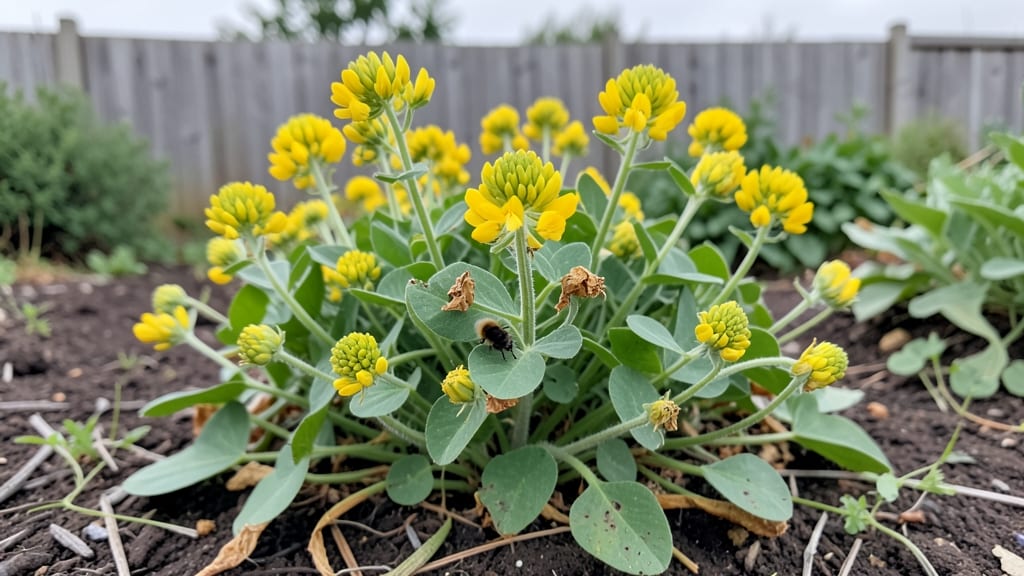
Yellow alfalfa flowers transform any garden into a vibrant pollinator paradise. 🌻 Their golden blooms catch sunlight like tiny beacons, drawing bees, butterflies, and hummingbirds into your space with effortless charm.
This isn't just about beauty—it's about creating a thriving ecosystem where every visit from a winged friend means better pollination for your entire yard.
Pair them with purple coneflowers and black-eyed Susans for a cottage garden that feels like stepping into a storybook. They bloom from early summer through fall, giving you weeks of color and movement.
The best part? Their deep roots improve soil health while their flowers add texture to bouquets or dried arrangements that last all winter.
You'll end up with a garden that buzzes with life, where every corner feels intentional. The flowers' delicate petals even make stunning garnishes for salads or cocktails, though their real magic lies in how they elevate your outdoor space.
Their versatility means they work in wildflower meadows, formal borders, or even container gardens with just a little planning.
Whether you're designing a pollinator haven or simply want more color in your landscape, yellow alfalfa flowers deliver year after year. They're the perfect addition for gardeners who want both beauty and purpose in every plant they choose. Let's make your garden sing with color and life.
📚 In This Guide
- What you need
- Instructions
- Tips and common mistakes
- Wrapping up and next steps
What you need
- ● Yellow alfalfa flowers: ½ to 1 cup (freshly picked or store-bought, organic preferred). Pro tip: Look for blooms with tightly closed buds for the best flavor!
- ● Fresh greens or salad base: 4 cups (mixed greens, arugula, or butter lettuce work perfectly).
- ● Protein or crunch: 1 cup (chickpeas, feta cheese, avocado slices, or toasted nuts).
- ● Dressing: 2–3 tbsp (olive oil, lemon juice, honey, or your favorite vinaigrette).
- ● Sharp kitchen shears or scissors (for snipping stems cleanly).
- ● Mixing bowl (large enough for tossing ingredients).
- ● Plate or platter (for presentation—bonus points for a rustic wooden board!).
- ○ Optional: Small spray bottle (for lightly misting flowers to keep them fresh).
- ● Knowledge of foraging: If harvesting wild alfalfa, confirm it’s pesticide-free and grown in a clean environment. ⚠️ Always avoid roadsides or treated fields!
- ● Time: 10–15 minutes for prep (longer if foraging or growing your own).
- ● Allergies: Check for sensitivities to legumes or pollen (alfalfa is related to peanuts).
Step-by-Step guide to growing yellow alfalfa flowers
Here's how to cultivate these delicate, edible blooms at home—simple and rewarding.
🌱 Step 1: Start Seeds Indoors for Early Blooms
Alfalfa seeds need warmth to germinate, so begin indoors 8-10 weeks before your last frost date. Fill 2-inch deep seed trays with sterile seed-starting mix (not garden soil) and moisten until damp but not soggy. Press seeds ¼ inch deep—they're tiny, so I tap the seed packet gently to release one seed at a time. Cover lightly with additional mix to protect them.
Place the tray in a warm spot (70-75°F)—a seedling heat mat speeds germination. Keep the soil consistently moist by misting daily until sprouts appear in 7-14 days. Once seedlings show first true leaves, remove the heat mat and move them to a sunny windowsill or under grow lights (14-16 hours daily).
☀️ Step 2: Harden Off and Transplant Outdoors
When seedlings reach 3-4 inches tall with 4-5 leaves, it's time to harden them off. Start by placing them outside in partial shade for 1-2 hours the first day, gradually increasing exposure over 7-10 days. Watch for wilting or yellowing leaves—this means they're not ready yet.
Transplant after all frost risk has passed, spacing seedlings 6-8 inches apart in full sun (6+ hours daily). Alfalfa thrives in well-draining soil with a pH of 6.8-7.5. Mix 1 cup of compost into the planting hole to give roots a nutrient boost. Water deeply at the base to settle soil around roots—don’t water leaves to prevent fungal issues.
💧 Step 3: Maintain Soil Moisture and Fertility
Alfalfa has deep roots, so water deeply 1-2 times per week instead of frequent shallow waterings. Aim for 1 inch of water per week, adjusting for rain. Let the top 1-2 inches of soil dry between waterings—soggy soil invites root rot. Mulch with 2 inches of straw to retain moisture and suppress weeds.
Fertilize lightly 4-6 weeks after transplanting with a balanced organic fertilizer (10-10-10). Too much nitrogen makes plants leafy but delays flowering. You'll see tiny yellow blooms appear 60-90 days after planting—this is your cue to start harvesting!
✂️ Step 4: Harvest Blooms at Peak Freshness
Pick flowers in the early morning when petals are fully open but still crisp. Use clean scissors to snip stems just above a leaf node—this encourages bushier growth. Avoid harvesting more than ⅓ of the plant at once to keep production steady.
Store blooms in a paper towel-lined container in the fridge for up to 5 days. For longer storage, dry them on a wire rack in a dark, dry place for 3-5 days, then store in an airtight jar. Use fresh or dried flowers to garnish salads, yogurt, or desserts—their sweet, slightly nutty flavor pairs beautifully with citrus and honey.
Tips & tricks for perfect yellow alfalfa flowers
Growing these delicate blooms successfully takes a little patience, but these pro tips will help you avoid common pitfalls and maximize your harvest.
Seed Starting Secret: In Step 1, when pressing those tiny alfalfa seeds into your 2-inch deep trays, I like to use a fine mist spray bottle instead of watering from above. This prevents seeds from washing away while keeping the sterile seed-starting mix consistently moist. The 70-75°F warmth is critical—if your home runs cooler, place the tray on top of your fridge (not inside) for that gentle heat boost.
Harden Off Gradually: During the 7-10 day hardening off process in Step 2, I recommend using a small shade cloth (like the kind used for seedlings) on sunnier days. Alfalfa's delicate leaves can scorch easily, and this gradual sun exposure prevents shock. Watch for those wilting or yellowing leaves—they're your signal to move them back inside for another day. The 6-8 inch spacing you'll use later gives them room to grow strong stems for those beautiful blooms.
Watering Wisdom: When you're maintaining soil moisture in Step 3, focus on watering deeply at the base rather than sprinkling the leaves. I use a watering wand with a gentle spray to avoid disturbing the soil around those deep roots. The 1-2 inch dry top layer between waterings is key—alfalfa hates soggy feet! If you notice the top leaves curling, that's often a sign the roots need more moisture, not less.
Harvesting Hack: For Step 4, I've found that harvesting every other day instead of daily gives the plants time to recover and produce more blooms. When you see those tiny yellow flowers starting to appear around 60-90 days, pick them in the early morning when they're fully open but still crisp. Use clean scissors to snip just above a leaf node—this encourages the plant to branch out and produce even more flowers!
Pro Tips for Yellow Alfalfa Flowers
- Growing these delicate blooms successfully takes a little patience, but these pro tips will help you avoid common pitfalls and maximize your harvest.
- Seed Starting Secret: In Step 1, when pressing those tiny alfalfa seeds into your 2-inch deep trays, I like to use a fine mist spray bottle instead of watering from above.
- Harden Off Gradually: During the 7-10 day hardening off process in Step 2, I recommend using a small shade cloth (like the kind used for seedlings) on sunnier days.
Frequently asked questions
Got questions about harvesting, using, or growing yellow alfalfa flowers?
Here are some of the most common ones—plus quick, practical answers to help you get the most out of these edible blooms!
When is the best time to harvest yellow alfalfa flowers?
Harvest alfalfa flowers in the early morning on a dry day, after the dew has evaporated but before the sun gets too hot. Aim for fully open blooms—this ensures the sweetest, most tender petals. Avoid harvesting after rain, as moisture can make them soggy and prone to spoilage.
Can I substitute yellow alfalfa flowers for other edible flowers?
If you can’t find alfalfa flowers, try borage, nasturtiums, or violets for a similar mild, slightly sweet flavor. However, alfalfa’s delicate texture and subtle licorice-like note make it a unique choice. For garnishes, pansies or calendula also work well but have a bolder taste.
Are there any risks or allergies to be aware of?
Yellow alfalfa flowers are generally safe for most people, but moderation is key. If you have legume allergies (like peanuts or soy), proceed with caution—some folks react to alfalfa’s compounds. Always do a patch test by placing a small amount on your skin or lip before consuming. Pregnant or breastfeeding individuals should consult a doctor first.
How do I grow yellow alfalfa flowers at home?
Alfalfa is a hardy perennial that thrives in full sun and well-draining soil. Plant seeds in early spring, keeping the soil consistently moist until germination (about 7–14 days). Space plants 6–12 inches apart. With regular watering and occasional trimming, you’ll enjoy blooms for years—just avoid overcrowding to prevent disease.
Can I dry yellow alfalfa flowers for later use?
Yes! Gently lay blooms on a paper towel-lined tray in a dry, dark place for 3–5 days, flipping them occasionally. Once fully dry, store in an airtight container away from light. Dried alfalfa flowers keep for up to 6 months and work beautifully in teas, potpourri, or as a decorative garnish for baked goods.
Wrapping up and next steps
Yellow alfalfa flowers aren’t just a pretty addition—they’re a delicious, nutrient-packed boost to your dishes! Whether you’re tossing them into salads, garnishing cocktails, or experimenting with edible arrangements, these little blooms bring flavor, texture, and vibrancy to the table. 🌼
Ready to get creative? Start small—try swapping a few flowers into your next meal or sharing this recipe with a friend who loves unique, edible decor. Your taste buds (and Instagram feed) will thank you!