
Flowers
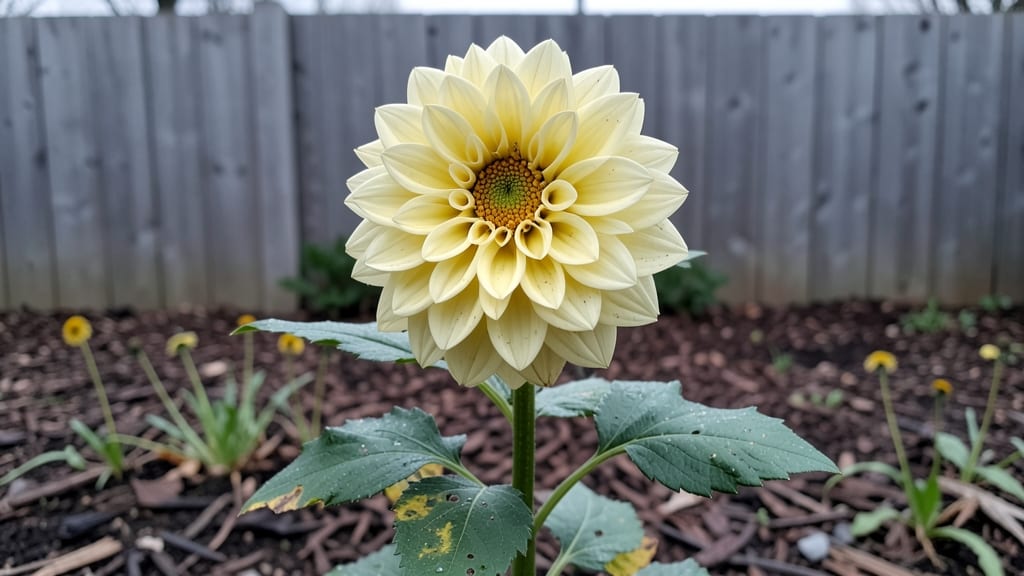
Nothing brightens a Pacific Northwest garden like a big yellow flower standing tall against the misty backdrop. 🌻 I’ve planted everything from towering sunflowers to bold daylilies, and these sun-catchers transform even the driest corners into cheerful spots.
The key? Choosing varieties that thrive in our cool, damp summers—like the 6-foot-tall ‘Moulin Rouge’ sunflower or the clumping daylilies that bloom from early summer to frost.
These plants aren’t just pretty—they’re workhorses. Sunflowers draw pollinators like bees and butterflies, while black-eyed Susans add late-season color when other blooms fade. Pair them with deep purples (like salvia) or soft blues (like delphinium) for a garden that pops without trying too hard.
And since they’re tough, they’ll handle the rain, wind, and even forgetful watering sessions.
📚 In This Guide
- What you need
- Instructions
- Tips and common mistakes
- Wrapping up and next steps
What you need
- ● Yellow flowering plants: Choose from Solidago (tall, feathery blooms), Helenium (daisy-like, drought-tolerant), or Rudbeckia (cheerful, long-lasting). Pro tip: Opt for native PNW varieties like Solidago canadensis or Rudbeckia laciniata for eco-friendly impact! 🌿
- ● Well-draining soil: Mix in 1 part compost to 2 parts native soil for optimal growth. Test pH (ideal: 6.0–7.5).
- ● Sunlight access: Ensure 6+ hours of direct sun daily—these beauties thrive in full sun!
- ● Watering can or hose: With a fine-mist nozzle for gentle hydration.
- ● Garden trowel (for planting/seeding).
- ● Pruning shears (to trim spent blooms and encourage regrowth).
- ○ Mulch (optional): 2–3 inches of shredded bark or straw to retain moisture and suppress weeds.
- ○ Fertilizer (optional): Slow-release 10-10-10 or organic compost tea for a nutrient boost.
- ● Support stakes (for tall varieties): Like Solidago gigantea, which may need bamboo stakes for stability.
How to grow the Pacific Northwest's stunning yellow giant: a Step-by-Step guide
This bold beauty thrives with the right conditions—let’s get your garden glowing with 6-foot-tall sun-catching yellow blooms.
🌱 Step 1: Select the Perfect Location for Maximum Sun
Pacific Northwest sunlight is gentle, but this yellow giant demands full sun exposure—6 to 8 hours daily. Scout your yard for the sunniest spot, ideally near a south-facing wall or fence, which captures reflected warmth. Morning sun is ideal, but afternoon rays work too—just avoid deep shade.
I always test a spot for 2 weeks before planting by placing a white board where you plan to grow. If it stays dry and warm to the touch for most of the day, it’s perfect. If not, supplement with a sun reflector panel or move your plant closer to the sunniest window if growing in containers.
🪴 Step 2: Prepare Soil for Strong Roots and Vibrant Blooms
This yellow stunner thrives in well-draining, slightly acidic soil with a pH between 6.0 and 7.0. Amend your native soil with 3 inches of compost and 1 part perlite to improve aeration. If your soil is heavy clay, mix in 2 parts sand to prevent waterlogging, which can rot roots.
Dig a hole twice as wide as the root ball but no deeper—planting too deep suffocates the roots. Loosen the sides of the hole with a fork to encourage root spread. I like to add a handful of slow-release fertilizer (10-10-10) to the bottom to give the plant a nutrient boost right away.
☀️ Step 3: Plant and Stake for Wind Resistance
Remove the plant from its container and gently tease the roots apart if they’re circling. Place it in the hole so the top of the root ball sits 1 inch below soil level—this prevents stem rot while encouraging strong root growth. Backfill with native soil, tamping lightly to remove air pockets.
Stake immediately—this yellow giant grows 6 to 8 feet tall and top-heavy with blooms. Use 3-foot stakes driven 6 inches deep on either side of the plant, then tie the main stem loosely with soft garden twine. Avoid tight binding, which can girdle the stem as it grows.
💧 Step 4: Water Deeply and Maintain Consistent Moisture
Water deeply once a week (or more in summer) to encourage roots to grow downward. Let the top 2 inches of soil dry out between waterings—this prevents fungal diseases like powdery mildew, which thrives in damp foliage. Use a soaker hose or drip irrigation to deliver water at the base, avoiding wet leaves.
Mulch with 3 inches of wood chips around the base (but keep it 6 inches away from the stem) to retain moisture and regulate soil temperature. I always refresh the mulch in early spring—it breaks down over winter and loses effectiveness.
✂️ Step 5: Prune for Longer Blooming and Stronger Growth
Deadhead spent blooms every 2 weeks to encourage continuous flowering. Snip just above the first set of healthy leaves below the bloom—this redirects energy to new growth rather than seed production. I use clean, sharp pruners to avoid tearing stems, which invites disease.
In late winter, prune back one-third of the plant’s height to remove dead or weak stems. This rejuvenates growth and prevents the plant from becoming leggy. Fertilize lightly with a balanced 10-10-10 after pruning to support new shoots.
Tips & tricks for perfect Pacific Northwest sun-catching yellow giants
These insider secrets will help your bold yellow blooms reach their full potential—taller, healthier, and more vibrant than ever.
The Sunlight Secret: In Step 1, those 6-8 hours of daily sun are non-negotiable, but here's the trick: Pacific Northwest mornings often provide the gentlest, most beneficial sunlight. If your spot gets intense afternoon sun, consider a 50% shade cloth during peak hours (1-4pm) to prevent leaf scorch while still getting full sun exposure. The key is balancing intensity with duration—think "goldilocks" sunlight, not scorching.
Soil Science: When amending your soil in Step 2, don't just dump compost and perlite—mix them thoroughly with your native soil to create a uniform growing medium. I like to use a garden fork to create "soil pockets" where roots can easily penetrate. For the pH test, grab a simple soil testing kit from your local garden center—the 6.0-7.0 range is critical for nutrient uptake, especially for those vibrant yellow blooms. If your soil tests too acidic, add crushed limestone; too alkaline? Mix in peat moss.
Staking Strategy: In Step 3, those 3-foot stakes might seem excessive, but trust me—this 6-8 foot giant needs serious support. Drive stakes at a 45-degree angle rather than straight up for better stability, and use soft garden twine that won't cut into the stem as it grows. Pro tip: Install a third stake on the north side if your garden gets strong prevailing winds. I've seen too many beautiful plants topple because people skipped this crucial step.
Watering Wisdom: The "deeply once a week" rule in Step 4 works, but here's how to make it even better: Water in the early morning (6-8am) when evaporation rates are lowest. Use the "finger test" to check moisture—stick your finger 2 inches into the soil. If it feels dry, it's time to water. For containers, you'll need to water every 2-3 days, but always let the top 2 inches dry out between waterings to prevent root rot. That mulch ring you create should stay about 3 inches thick—refresh it every spring to maintain its moisture-retaining properties.
Pro Tips for Yellow Flower Big
- These insider secrets will help your bold yellow blooms reach their full potential—taller, healthier, and more vibrant than ever.
- The Sunlight Secret: In Step 1, those 6-8 hours of daily sun are non-negotiable, but here's the trick: Pacific Northwest mornings often provide the gentlest, most beneficial sunlight.
- Soil Science: When amending your soil in Step 2, don't just dump compost and perlite—mix them thoroughly with your native soil to create a uniform growing medium.
Frequently asked questions
Got questions about the Pacific Northwest’s show-stopping yellow flower big? You’re not alone! Here are answers to the most common queries—from care tips to wildflower wonders.
What’s the biggest yellow wildflower in the PNW?
The California Poppy (Eschscholzia californica) and Sunflower (Helianthus spp.) are the PNW’s boldest yellow giants, with some varieties reaching 4–6 feet tall. Look for Sunflower ‘Moulin Rouge’—its fiery blooms can span 10+ inches wide! For native giants, Lewis Flax (Linum lewisii) hits 3–5 feet with golden-yellow stars.
When do these big yellow flowers bloom?
Timing varies by species:
- Sunflowers: Late summer to fall (August–October), with some varieties reblooming if deadheaded.
- California Poppies: Spring (March–May) in wild settings; garden varieties may rebloom in fall.
- Lewis Flax: Early summer (June–July), often in meadows and open woods.
Pro tip: Plant sunflowers in full sun for bigger blooms—shade = smaller flowers!
How do I make my big yellow flowers last longer in a vase?
Cut stems at a 45-degree angle and recut every 2 days. Use cool water (not warm) with a flower food packet or DIY mix: 1 tsp sugar + 2 drops bleach (to prevent bacteria). Trim foliage below the waterline to avoid rot. Sunflowers last 7–10 days; poppies wilt faster (3–5 days)—enjoy them fresh!
Are there yellow perennials for big impact?
Yes! Try these low-maintenance PNW-friendly picks:
- Black-Eyed Susan (Rudbeckia hirta): 2–3 feet tall, thrives in poor soil, blooms summer–fall.
- Coreopsis (Tickseed): Drought-tolerant, 1–3 feet, blooms spring–fall.
- Daylily ‘Stella de Oro’: 2 feet tall, golden-yellow, spreads easily.
Pro tip: Plant perennials in groups of 3–5 for maximum drama!
Why are my big yellow flowers wilting or not opening?
Check these fixes:
Issue
Solution
Not enough sun
Move to 6+ hours of direct sun (sunflowers need full sun).
Overwatering
Let soil dry between waterings—yellow flowers = thirsty but not soggy!
Pests (aphids, slugs)
Spray with soapy water or use beer traps for slugs.
Bud blast (sudden wilting)
Could be heat stress—provide afternoon shade in hot spells.
If problems persist, test soil pH (6.0–7.0 is ideal for most yellow bloomers).
Wrapping up and next steps
From the vibrant yellow flower big of the Pacific Northwest to its deep cultural roots and easy-care charm, this bold beauty is a true standout in any garden or landscape.
Whether you’re drawn to its striking appearance, resilience, or symbolic meaning, this flower proves that nature’s brightest moments often come in the most unexpected places. 🌻
Ready to bring a splash of sunshine to your space? Start by researching local nurseries or seed suppliers to find your perfect yellow flower big—and don’t forget to share your blooming success with fellow plant lovers! Happy gardening! 🌱✨