
Companion Plants
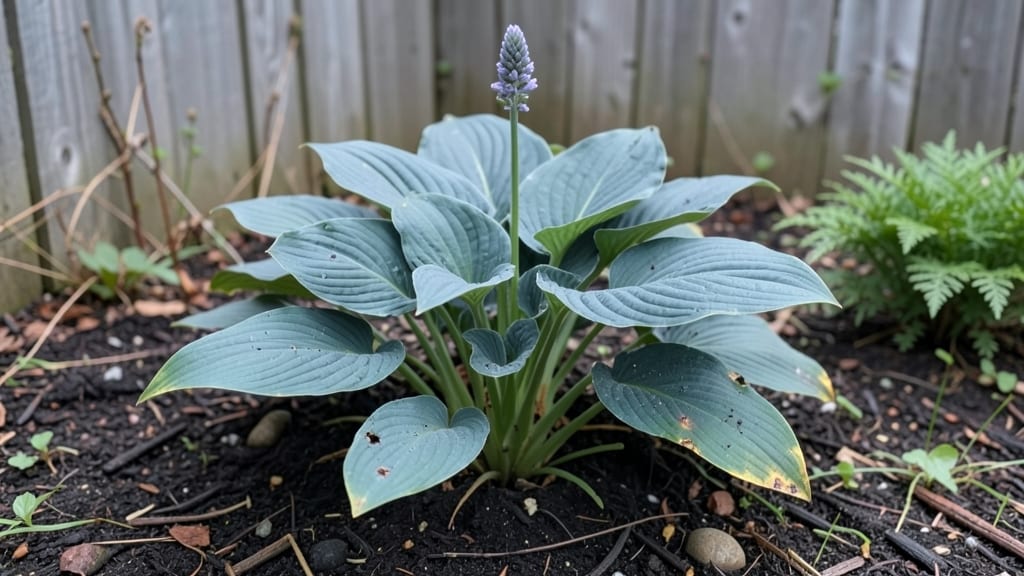
Some flowering plants that do well in shade don’t just survive—they burst into color where others fade, and I’ve spent years proving it. 🌿 I’ve transformed dull corners into vibrant displays using shade-loving stars, and the results are nothing short of magical.
The key is choosing the right varieties that bloom reliably without begging for sunlight.
Hostas, impatiens, and astilbes top my list for their hardy nature and stunning blooms. These plants handle partial to full shade like champions, and they’re low-maintenance once established. A little extra organic matter in the soil and consistent moisture keeps them happy, even in the darkest spots.
The payoff? A garden that stays lush and colorful long after sun-loving plants have given up.
Imagine deep purple hosta leaves framing delicate white astilbe plumes or impatiens spilling over containers in jewel-toned cascades. These plants attract pollinators too, proving shade gardens can be just as lively as sunny ones.
The secret is pairing them with the right care—moisture, mulch, and a little patience—and you’ll have a thriving, low-stress garden that outshines the competition.
Whether you’re dealing with a north-facing yard, a dense tree canopy, or just a shady corner, these plants adapt beautifully. Start small with a few containers or dive into a full shade garden—either way, your space will transform into a serene, blooming oasis. Let’s bring the light to the shadows!
📚 In This Guide
- What you need
- Instructions
- Tips and common mistakes
- Wrapping up and next steps
What you need
- ● Flowering plants: 1–3 Hosta (e.g., 'Blue Angel' or 'Halcyon') – perennial, shade-tolerant
- ● 1–2 Impatiens (e.g., 'Super Elfin') – annual, thrives in deep shade
- ● 1 Astilbe (e.g., 'Fanal') – perennial, feathery plumes
- ● 1 Bleeding Heart (Dicentra spectabilis) – perennial, heart-shaped blooms
- ● 1–2 Foxglove (Digitalis) – biennial, tall spikes (partial shade)
- ● Soil amendments: 5–10 lbs peat moss or compost – improves drainage and fertility
- ● 1–2 lbs slow-release fertilizer (10-10-10 or organic option)
- ○ Optional: Mulch (3–4 inches of shredded bark or leaves) – retains moisture
- ● Tools: 1 trowel or hand shovel – for planting
- ● 1 garden gloves – protects hands from soil and thorns
- ● 1 watering can (or hose with gentle spray nozzle) – for delicate watering
- ○ 1 pruners – for trimming dead foliage (optional)
- ● Location: A spot receiving 2–6 hours of indirect sunlight daily (e.g., under trees, north-facing walls, or shaded patios).
- ● Soil: Well-draining, moist but not waterlogged. Amend heavy clay with compost.
- ● Water access: Consistent moisture (especially for Impatiens and Bleeding Heart).
- ● Patience: Perennials may take 1–2 years to fully bloom!
Step-by-Step guide to designing a thriving shade garden
Here's how to create a vibrant, low-light garden that blooms beautifully year after year.
🌿 Step 1: Choose the Right Shade-Tolerant Flowering Plants
Start with plants that thrive in partial to full shade—meaning less than 4 hours of direct sun daily. My go-to shade bloomers include bleeding heart (Dicentra spectabilis), hosta (Hosta spp.), heuchera (Coral Bells), astilbe (Astilbe spp.), and impatiens (Impatiens walleriana). These plants not only survive in shade but also produce stunning flowers or foliage.
Look for plants labeled as "shade-tolerant" or "woodland" varieties—they're bred to handle low light. I always check the plant tag for light requirements before buying. If you're unsure, ask your local nursery for recommendations tailored to your specific shade conditions (dry shade vs. moist shade).
🪴 Step 2: Prepare the Soil for Optimal Growth
Shade gardens need rich, well-draining soil that retains moisture but doesn't stay soggy. Amend your garden soil with 2-3 inches of compost or organic matter to improve fertility and drainage. I like to work in a 50/50 mix of garden soil and compost for the best results.
Test your soil's moisture level by digging down 6 inches. If it feels compacted or dry, add more organic matter. Shade plants often struggle in dense, clay-heavy soil, so loosening it up is key. A simple fork or tiller can help break up compacted areas before planting.
☀️ Step 3: Plant in the Right Locations for Light and Moisture
Group plants with similar light and moisture needs together. For example, hostas and astilbes prefer moist, well-draining soil, while heucheras and impatiens tolerate slightly drier conditions. Space plants 12-24 inches apart, depending on their mature size—check the plant tag for guidance.
Plant in the spring or early fall when temperatures are mild. Dig a hole twice as wide as the root ball but no deeper. Place the plant in the hole, ensuring the top of the root ball sits level with the surrounding soil. Fill the hole with soil, pressing gently to remove air pockets, then water deeply to settle everything.
💧 Step 4: Water and Mulch for Consistent Moisture
Shade gardens dry out slower than sunny ones, but consistent moisture is still critical. Water deeply once a week (or more often in extreme heat) until the soil is 6 inches deep and evenly moist. You'll know it's time to water when the top inch of soil feels dry to the touch.
Apply a 2-3 inch layer of mulch (like shredded bark or wood chips) around plants to retain moisture and suppress weeds. Keep mulch 2 inches away from plant stems to prevent rot. Mulching also helps regulate soil temperature, which is especially helpful in hot, humid shade conditions.
✂️ Step 5: Maintain and Prune for Continuous Blooms
Deadhead spent blooms regularly to encourage more flowers and prevent self-seeding (unless you want it). For example, pinch back impatiens after flowering to promote bushier growth. Heucheras and hostas rarely need pruning but benefit from removing any yellow or damaged leaves in early spring.
Fertilize lightly in early spring with a balanced, slow-release fertilizer (like 10-10-10) to support new growth. Avoid heavy feeding in late summer—it can lead to tender new growth that struggles in cooler weather. Watch for pests like slugs or aphids, which love shade gardens, and address them promptly with organic controls.
Tips & tricks for perfect shade garden blooms
A few simple strategies will help your shade garden thrive and burst with color year after year.
Layer Your Plants: Create visual interest by planting taller varieties like astilbe in the back, medium-height heucheras in the middle, and trailing impatiens in the front. This not only maximizes your space but also ensures all plants get the light they need. I like to place my bleeding hearts where they'll get dappled light through taller plants—it creates that perfect woodland effect.
Soil Test First: Before amending your soil, do a simple moisture test by digging down 6 inches. If the soil feels compacted or dry, mix in a 50/50 blend of garden soil and compost as recommended in Step 2. For clay-heavy soil, add perlite or coarse sand to improve drainage—shade plants hate soggy roots! I've seen shade gardens fail spectacularly when planted in unamended clay.
Seasonal Planting Timing: The instructions recommend spring or early fall planting, and that's spot on. But here's what nobody tells you: In hot climates, plant in early fall to give roots time to establish before summer heat. In cooler regions, early spring planting gives plants a head start. I've learned this the hard way after losing several impatiens to summer heat stress during their first season.
Mulch Like a Pro: That 2-3 inch layer of mulch in Step 4 isn't just for looks—it's a game-changer. Use shredded bark or wood chips, but keep it 2 inches away from stems to prevent rot. For extra moisture retention in hot summers, I add a thin layer of straw on top of the mulch. This creates a moisture barrier that keeps soil cool and damp for weeks.
Pro Tips for Flowering Plants That Do Well In Shade
- A few simple strategies will help your shade garden thrive and burst with color year after year.
- Layer Your Plants: Create visual interest by planting taller varieties like astilbe in the back, medium-height heucheras in the middle, and trailing impatiens in the front.
- Soil Test First: Before amending your soil, do a simple moisture test by digging down 6 inches.
Frequently asked questions
Got questions about thriving shade-loving bloomers? You’re not alone! Here are answers to the most common queries about growing flowering plants in low-light spots—so you can confidently create a lush, vibrant garden under the canopy.
What are the easiest flowering plants for deep shade?
For deep shade (little to no direct sunlight), opt for hardy perennials like heuchera (coral bells), astilbe, or Japanese painted fern. Annuals like impatiens or begonias also thrive here with minimal fuss. These plants tolerate 2–4 hours of dappled light daily.
When is the best time to plant shade-loving flowers?
Plant in early spring (after the last frost) or early fall for ideal results. This gives roots time to establish before extreme heat or cold. Bare-root perennials can also be planted in late winter, but avoid summer—heat stress slows growth.
Why aren’t my shade flowers blooming?
Lack of blooms often stems from too much shade (some need partial shade) or over-fertilizing with high-nitrogen feeds, which encourages foliage over flowers. Try balanced fertilizer (10-10-10) in spring and prune spent blooms to encourage reblooming.
Can I grow flowering plants in fully shaded areas (like under trees)?
Yes! Choose root competition-tolerant plants like foxglove, bleeding heart, or hostas with variegated leaves. Mulch heavily (3–4 inches) to retain moisture and suppress weeds. Avoid planting directly under tree roots—opt for edge zones instead.
What’s a great shade-tolerant alternative to impatiens?
If impatiens fail (they’re prone to downy mildew), try begonias (tuberous or wax types), caladiums (for bold foliage + subtle blooms), or fuchsias. These handle humidity and low light better while adding color and texture to shady spots.
Wrapping up and next steps
Transforming your shady garden into a vibrant oasis is easier than you think! These low-light bloomers prove that shade doesn’t mean sacrificing beauty—just a little creativity and the right plant choices. 🌿 Whether you’re a seasoned gardener or just starting, start small, experiment, and enjoy the process.
Ready to bring color to your dark corners? Pick 1-2 plants from our list, test your soil, and dive in! Your future garden will thank you—one petal at a time. 🌸