
Flowers
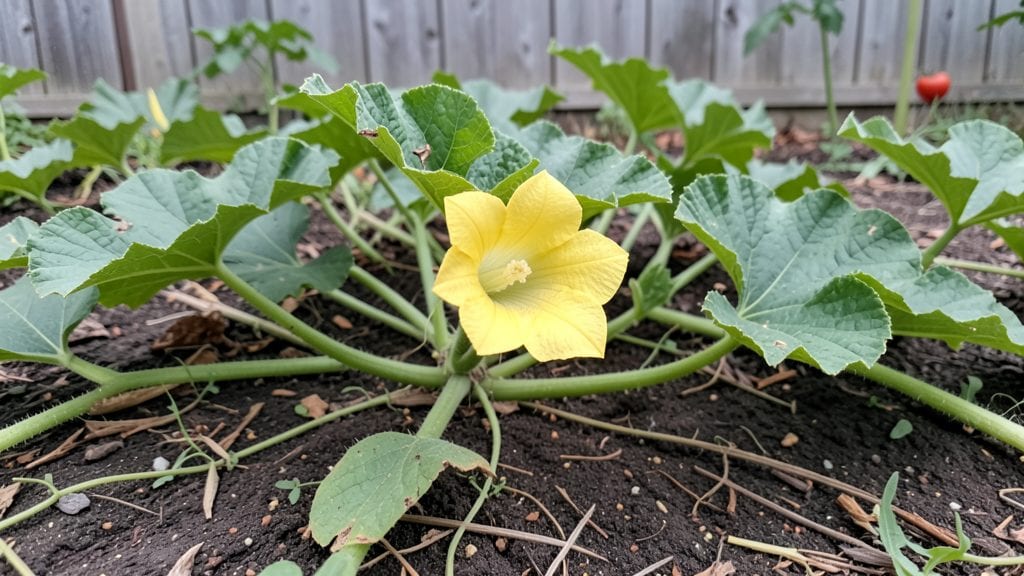
Yellow squash flowers aren’t just pretty—they’re edible, fragrant, and the secret to a bumper harvest. 🌿 I’ve learned that these bright blooms are more than just decoration; they’re the gateway to sweet, tender squash.
The key to success? Understanding their needs and encouraging pollinators (or stepping in yourself when nature falls short).
Healthy yellow squash flowers thrive with plenty of sunlight, consistent water, and rich soil. They’re not fussy, but they do need 6+ hours of sun daily and well-draining soil to prevent rot.
The real magic happens when you support pollination—whether by attracting bees or giving flowers a gentle hand with a paintbrush. Even a small garden can produce dozens of blooms if you tend to them right.
📚 In This Guide
- What you need
- Instructions
- Tips and common mistakes
- Wrapping up and next steps
What you need
- ● Yellow squash seeds or seedlings: Choose heirloom or hybrid varieties like 'Golden Zucchini' or 'Straightneck' for vibrant blooms. Quantity: 3–5 plants per gardener (or 1–2 per small container).
- ● Well-draining potting soil: Mix organic matter (compost or aged manure) for nutrient-rich growth. Quantity: 1–2 cubic yards for in-ground planting or 5-gallon pots per plant.
- ● Container or garden bed: Minimum 18–24 inches of space per plant (or 5-gallon pots with drainage holes).
- ○ Balanced fertilizer (10-10-10 or 5-5-5): Apply at planting and again when flowers appear. Optional: Add compost tea for a natural boost.
- ● Watering can or hose with adjustable nozzle: Yellow squash loves 1–2 inches of water weekly (more in heatwaves!).
- ● Hand trowel or transplanting spade: For planting seeds or seedlings.
- ● Pruning shears: To harvest blooms or trim excess foliage (sterilize with rubbing alcohol!).
- ○ Gloves (optional): Protect your hands from prickly stems or soil-borne pathogens.
- ● Pollinator-friendly companion plants: Marigolds, nasturtiums, or borage attract bees and boost flower production!
- ● Sunlight: Full sun (6–8 hours daily) is non-negotiable for blooms and fruit.
- ● Warmth: Start seeds indoors 2–4 weeks before the last frost (or direct-sow after soil reaches 60°F+).
- ● Patience: Flowers appear 45–60 days after germination—stay consistent with care!
Step-by-step guide to cultivating vibrant yellow squash flowers
Here's how to nurture these edible blooms—packed with flavor and pollinator appeal.
🌱 Step 1: Select and Prepare Healthy Squash Plants
Start with 4 healthy yellow squash plants (like 'Golden Zucchini' or 'Straightneck') that have 2-3 true leaves and show no signs of disease. I always choose plants with sturdy stems and deep green leaves—these are your best bet for robust flowering. If starting from seed, plant them 1 inch deep in well-draining soil after the last frost when soil reaches 60°F. Space plants 3-4 feet apart to allow room for vines to spread.
Here's the thing—yellow squash flowers thrive when their roots establish first. Water deeply once planted, then maintain 1 inch of moisture weekly. Avoid overhead watering once flowers appear—wet blossoms attract fungal diseases like powdery mildew, which can ruin your harvest.
☀️ Step 2: Optimize Light and Nutrients for Blooming
Yellow squash flowers need full sun (6-8 hours daily) to produce abundantly. If your garden gets less, supplement with a grow light placed 12-18 inches above the plants for 14 hours daily. You'll see the difference in 2-3 weeks—plants in full sun develop larger, brighter blooms with thicker stems.
Feed plants with a balanced 10-10-10 fertilizer when they first flower, then switch to a low-nitrogen, high-phosphorus (5-10-10) formula to encourage blooming. I mix 1 tablespoon per plant into the soil at the base, then water deeply. Watch for new flower buds forming—this is your signal that the nutrients are working. Avoid over-fertilizing with nitrogen, or you'll get leafy growth instead of flowers.
🐝 Step 3: Hand-Pollinate for Maximum Flower Production
Squash flowers are self-pollinating, but sometimes bees or wind don't cooperate—especially in early spring or late summer. Use a small paintbrush or cotton swab to transfer pollen from male flowers (long stem, no bulb at base) to female flowers (small bulb at base where fruit will form). Do this early in the morning when flowers are fresh. You'll know it worked when the female flower's petals wilt and the bulb begins to swell into a squash.
Here's a pro tip: Harvest spent male flowers (they don't produce fruit but drain energy). Snip them off at the stem with clean bypass pruners—this redirects the plant's energy to female flowers, giving you more edible blooms and squash. I do this every 2-3 days during peak flowering season.
✂️ Step 4: Harvest Flowers and Maintain Plant Health
Pick yellow squash flowers in the morning when petals are fully open but still tender. Use sharp scissors to cut the stem just above a leaf node—this encourages more blooms. You can eat them fresh in salads or batter them for fritters. The key is harvesting regularly—if left on the plant, they'll turn into squash, and you'll miss out on the delicate floral flavor.
Watch for pests like squash vine borers—you'll spot them as chewed stems or sawdust-like frass. If you find them, prune infested vines immediately and treat the area with neem oil to deter further damage. Also, mulch around the base with straw or grass clippings to keep soil cool and retain moisture—this prevents stress that can reduce flowering.
🌿 Step 5: Extend the Blooming Season
To keep yellow squash flowers coming, prune older vines that have stopped producing. Use clean pruners to trim back 1/3 of the plant just above a healthy leaf node. This rejuvenates growth and triggers new flower buds. I do this every 4-6 weeks during the growing season, and it keeps my plants flowering well into fall.
If frost threatens, harvest remaining flowers and cover plants with row fabric to protect them for a few more weeks. You'll be surprised how many more blooms you can coax from the plant with this simple trick. And if you're lucky, you might even get a second flush of flowers in early spring if you leave a few vines intact and mulch heavily over winter.
Tips & tricks for perfect yellow squash flower cultivation
A few key strategies will help you coax vibrant, abundant yellow squash flowers that thrive and reward you with both beauty and edible blooms.
Light and Timing Secret: Those 6-8 hours of full sun daily are non-negotiable for optimal flowering. I've found that positioning plants where they get morning sun and afternoon shade (especially in hot climates) prevents stress while still delivering the light they need. If your garden lacks natural sunlight, invest in a quality grow light—place it 12-18 inches above the plants for 14 hours daily to mimic summer conditions. You'll notice the difference in just 2-3 weeks with brighter petals and more robust stems.
Nutrient Timing: The switch from 10-10-10 fertilizer to 5-10-10 when flowers first appear is critical. Too much nitrogen at this stage will send your plants into leafy overdrive instead of producing blooms. I mix 1 tablespoon per plant into the soil at the base, then water deeply to help the nutrients reach the roots. Watch for new flower buds forming—this visual cue tells you the nutrients are working perfectly. The key is patience; don't rush the transition.
Pollination Strategy: Hand-pollination might seem tedious, but it's a game-changer when bees aren't cooperating. Use a small paintbrush or cotton swab to transfer pollen from male to female flowers early in the morning when dew is still present. The female flowers will give you a clear signal when pollination succeeds—the petals will wilt and the base will begin swelling into a squash. I've found that doing this every 2-3 days during peak flowering maximizes both edible blooms and fruit production.
Pest Prevention: Squash vine borers are the silent destroyers of vibrant yellow squash flowers. The moment you spot chewed stems or sawdust-like frass, act immediately by pruning infested vines and treating the area with neem oil. I've also had great success using straw mulch around the base of plants to keep soil cool and retain moisture—this prevents stress that can make plants more susceptible to pests. Regular monitoring is key; check plants every 2-3 days during the growing season.
Pro Tips for Yellow Squash Flower
- A few key strategies will help you coax vibrant, abundant yellow squash flowers that thrive and reward you with both beauty and edible blooms.
- Light and Timing Secret: Those 6-8 hours of full sun daily are non-negotiable for optimal flowering.
- Nutrient Timing: The switch from 10-10-10 fertilizer to 5-10-10 when flowers first appear is critical.
Frequently asked questions
Got questions about growing, harvesting, or using yellow squash flowers? You’re not alone! Here are some of the most common queries—and their answers—to help you make the most of these edible blooms.
Can I eat yellow squash flowers raw or do I need to cook them?
Yellow squash flowers are delicious raw—just give them a gentle rinse and pluck off any stubborn stamens. For a milder flavor, lightly sauté them in butter or toss into salads. They’re also fantastic stuffed with cheese or herbs and quickly pan-fried!
How long do yellow squash flowers last before wilting?
Freshly picked flowers stay vibrant for 2–3 days in the fridge, wrapped loosely in a damp paper towel. For longer storage, blanch them in boiling water for 30 seconds, then shock in ice water before freezing. Pro tip: Harvest in the early morning for peak freshness!
Are yellow squash flowers good for pollinators like bees?
Absolutely!
These flowers are a pollinator powerhouse, attracting bees, butterflies, and hummingbirds. To maximize their benefits, avoid pesticides and let some flowers mature into squash for seed production. Planting companion flowers (like marigolds) nearby can also boost pollination rates.
What can I substitute if I can’t find yellow squash flowers?
If you’re craving that delicate flavor, try zucchini flowers (similar taste and texture) or squash blossoms from other varieties like pattypan. In a pinch, daylily or nasturtium flowers add a peppery bite to dishes—though they’re not as mild. Check your local farmers' market!
Why aren’t my yellow squash flowers producing fruit?
Lack of pollination is the #1 culprit! Hand-pollinate by transferring pollen with a small brush or gently shake plants near blooms. Other issues could include temperature stress (too hot/cold), nutrient deficiencies, or over-fertilizing with nitrogen. Focus on balanced fertilizer (like 10-10-10) and ensure consistent watering.
Wrapping up and next steps
Growing yellow squash flowers is a rewarding journey that benefits both your garden and the planet—whether you’re harvesting edible blooms or supporting pollinators like bees and butterflies! 🐝 With the right soil, sunlight, and care, these vibrant flowers can transform your space into a thriving ecosystem.
Now that you’re armed with tips on planting, maintenance, and troubleshooting, why not take the next step?
🌱 Your Action Plan:
- Start small: Plant a few seeds or seedlings this season and watch your garden bloom!
- Experiment: Try adding yellow squash flowers to salads or garnishes—your taste buds will thank you.
- Share the joy: Invite neighbors to admire your pollinator-friendly garden or swap tips with fellow gardeners.
Every flower you grow makes a difference—happy planting! 🌿