
Flowers
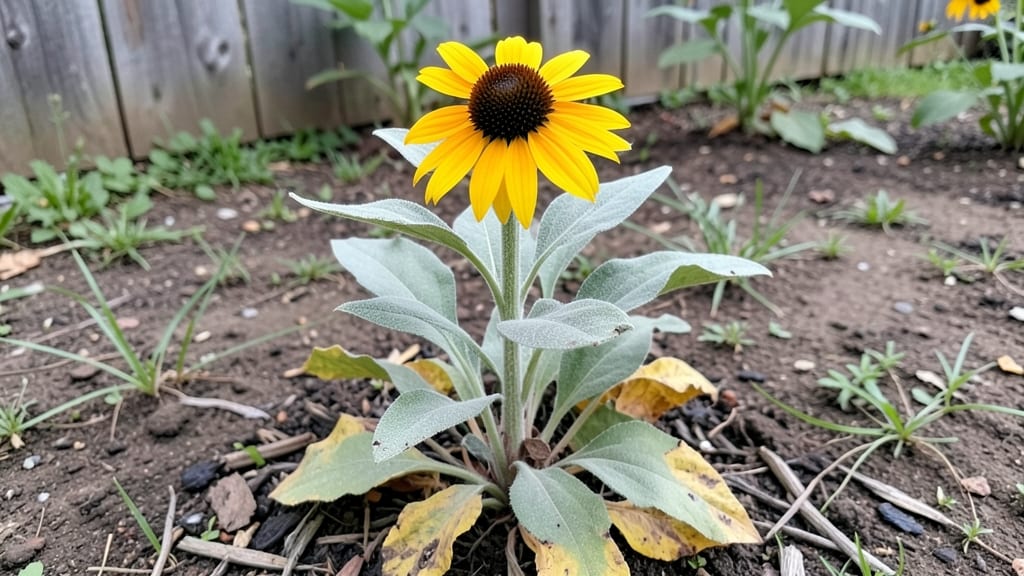
Growing yellow susan flowers in the Pacific Northwest means bringing bold, cheerful blooms to your garden that pollinators can't resist. 🌻 These hardy perennials thrive in our region's mix of sun and rain, turning any sunny spot into a magnet for bees and butterflies.
The secret lies in their love of well-draining soil and full sun—conditions that are actually perfect for our climate.
Plant them in early spring or fall when the soil is workable but not soggy, spacing them about 18 inches apart to give their roots room to establish.
Yellow susans are drought-tolerant once established, so water deeply once a week unless we're in a dry spell—then they'll reward you with 3-4 weeks of continuous blooms from midsummer to frost.
The key is keeping the soil slightly moist but never waterlogged, which is easy once you get the hang of it.
📚 In This Guide
- What you need
- Instructions
- Tips and common mistakes
- Wrapping up and next steps
What you need
- ● Seeds or nursery starts: 10-20 Rudbeckia hirta seeds or 5-10 young plants (check for disease-resistant varieties).
- ● Well-draining potting mix: 1-2 bags (look for organic blends with perlite or sand for PNW’s moist climates).
- ● Garden soil (if planting outdoors): Amend with compost (1 part compost to 3 parts soil) for nutrient-rich beds.
- ○ Containers (optional for starter plants): 4-6" pots with drainage holes (1-2 per seedling).
- ● Watering can or hose with a gentle spray nozzle: For consistent moisture without over-saturating.
- ● Trowel or hand shovel: For transplanting seedlings or digging holes (6" deep).
- ○ Gloves (optional but recommended): Protects hands from prickly stems and soil.
- ● Mulch (straw or shredded bark): 2-3 inches to retain moisture and suppress weeds.
- ● Pruners (sterilized): For deadheading spent blooms or shaping plants.
- ○ Sunlight meter or app (optional): To confirm your garden gets 6+ hours of direct sun—critical for these sun-lovers!
- ● Timing: Start seeds indoors 6-8 weeks before last frost (March-April in PNW) or direct-sow in early spring or late summer.
- ● Location: Full sun to partial shade (mornings sun, afternoon shade works in hotter microclimates).
- ● Soil pH: 6.0–7.5 (test with a soil kit if unsure).
- ● Watering routine: Keep soil consistently moist (not soggy) until established, then water 1–2 times per week.
How to grow vibrant yellow susan flowers in the Pacific Northwest
Here's how to coax these cheerful pollinator magnets to thrive in your garden.
🌱 Step 1: Choose the Right Location and Prepare Soil
Yellow Susans (Rudbeckia) love full sun—at least 6 hours daily—so pick a spot that gets morning sun and afternoon light without harsh afternoon shade. In the Pacific Northwest's cooler climate, they'll tolerate partial shade (4-6 hours sun), but you'll get bigger, bolder blooms with more sun. Clear the area of weeds and loosen the soil to 12 inches deep with a garden fork.
Amend the soil with 2-3 inches of compost or well-rotted manure to improve drainage and fertility. Yellow Susans hate soggy roots, so if your soil stays wet for long periods, mix in 1 inch of coarse sand or perlite. I like to work in a handful of balanced 10-10-10 fertilizer at planting time to give them a nutrient boost for the season.
🌿 Step 2: Plant Seeds or Transplants at the Right Time
For direct sowing, plant seeds ¼ inch deep in early spring (March-April) or late summer (August-September) for fall blooms. Space seeds 12-18 inches apart—they'll spread over time, so give them room to grow. If using transplants, set them out after the last frost when soil temperatures reach 50°F or warmer. You'll see faster establishment with transplants, but they cost more upfront.
Water the soil thoroughly before planting to help roots settle. For seeds, lightly cover with soil and mist the area to keep moisture consistent. Press the soil gently around each seed or transplant to remove air pockets. Real talk: if you plant too deep, germination will take longer or may fail entirely.
☀️ Step 3: Water and Fertilize for Continuous Blooms
Water 1-2 inches per week, keeping the soil evenly moist but not soggy. Yellow Susans are drought-tolerant once established, but they'll reward you with more blooms if you maintain consistent moisture, especially during dry spells. Water at the base of the plant in the morning to prevent fungal diseases from setting in overnight.
Feed plants with a low-nitrogen fertilizer (like 5-10-10) every 4-6 weeks during the growing season to encourage blooming. Too much nitrogen will make them grow lush foliage but few flowers. You'll know you're on track when stems are sturdy and leaves are a deep green without yellowing.
✂️ Step 4: Deadhead and Prune for Longer Blooming Seasons
Cut back spent blooms to just above the first set of healthy leaves to encourage more flowers. This is called deadheading, and it keeps your Yellow Susans looking tidy while extending the blooming season. I like to do this every 2-3 weeks throughout summer and fall. If you skip this, the plant will focus energy on seed production instead of new blooms.
In late fall, cut back the entire plant to 6 inches tall to promote fresh growth in spring. This also prevents the plant from flopping over in winter storms. Mulch around the base with 2-3 inches of organic mulch (like shredded bark) to protect roots from freezing temperatures and retain moisture.
⏰ Step 5: Overwinter and Prepare for Next Year
Yellow Susans are perennial in the Pacific Northwest, meaning they'll come back year after year with proper care. In winter, they'll go dormant, so avoid fertilizing or pruning until early spring. If you notice any dead or damaged stems, trim them back in late winter (February) before new growth begins.
Once new growth appears in spring, add a light layer of compost around the base and water lightly to encourage fresh shoots. You'll see fresh foliage emerge in 2-3 weeks, signaling it's time to resume regular care. This is the moment that matters: proper winter care ensures a stronger, more vibrant plant for next season's blooms.
Tips & tricks for perfect yellow susan flower growth
These practical tips will help you coax the most vibrant blooms from your Yellow Susans in the Pacific Northwest's unique climate.
Sunlight Strategy: In Step 1, when choosing your location, remember that Yellow Susans in the Pacific Northwest actually perform better with morning sun and afternoon shade during our cooler summers. If you're planting near trees, position them to receive the morning sunlight first—this prevents leaf scorch while still giving them the 6 hours of light they need. I've found that plants in partial shade (4-6 hours) often produce more blooms than those in full sun during our cooler months.
Soil Preparation Secret: The 12-inch deep soil loosening in Step 1 is crucial, but don't stop there. After amending with compost, I like to add a handful of bone meal to the planting hole. This gives your Yellow Susans an extra phosphorus boost right at the start, which encourages stronger root development. The bone meal breaks down slowly, providing nutrients throughout the growing season without risking over-fertilization.
Planting Timing: For direct sowing in Step 2, I've learned that March-April planting gives the best results in our climate. The soil temperature needs to reach at least 50°F, but don't wait too long—planting in early spring gives the roots time to establish before our summer heat arrives. If you're using transplants, watch for the last frost date in your specific area, as it can vary by 1-2 weeks even within the Pacific Northwest.
Watering Wisdom: The 1-2 inches per week recommendation in Step 3 is perfect, but here's what I've noticed: Yellow Susans actually prefer deep, infrequent watering rather than frequent shallow watering. Water thoroughly once or twice a week rather than daily light watering. This encourages deeper root growth, making your plants more drought-resistant once established. Always water at the base to avoid wetting the leaves, which helps prevent fungal issues.
Pro Tips for Yellow Susan Flower
- These practical tips will help you coax the most vibrant blooms from your Yellow Susans in the Pacific Northwest's unique climate.
- Sunlight Strategy: In Step 1, when choosing your location, remember that Yellow Susans in the Pacific Northwest actually perform better with morning sun and afternoon shade during our cooler summers.
- Soil Preparation Secret: The 12-inch deep soil loosening in Step 1 is crucial, but don't stop there.
Frequently asked questions
Got questions about growing yellow susan flowers (also called Rudbeckia) in your Pacific Northwest garden? Here are some common ones—and their answers—to help you cultivate a thriving pollinator haven!
When is the best time to plant yellow susan flowers in the PNW?
Plant Rudbeckia seeds in early spring (March–April) or late summer (August–September) for fall blooms. Transplant seedlings after the last frost (typically mid-April to May in the PNW). For direct sowing, wait until soil temps reach 50–60°F (10–15°C)—they’re frost-hardy but germinate best in warmth.
Are yellow susan flowers really good for pollinators?
These flowers are a magnet for bees, butterflies, and birds, especially late-season pollinators like monarchs. Their long bloom time (June–frost) provides nectar when other flowers fade. Just avoid pesticides—they’re toxic to beneficial insects!
How often should I water yellow susan flowers?
Water deeply once a week (or more in drought) during the first growing season to establish roots. Once mature, they’re drought-tolerant—water only if soil is bone-dry. Mulch (2–3 inches) helps retain moisture and suppress weeds. Overwatering can cause root rot, so well-draining soil is key!
Why aren’t my yellow susan flowers blooming?
Common culprits:
- Too much nitrogen (promotes leafy growth over flowers)—use a low-N, high-P fertilizer (e.g., 5-10-10).
- Overcrowding: Thin seedlings to 12–18 inches apart for better airflow and blooms.
- Deadheading spent blooms encourages more flowers.
- Poor sunlight: They need full sun (6+ hours/day)—move to a sunnier spot if blooms are sparse.
What are some great alternatives to yellow susan flowers?
If you love Rudbeckia’s sunny, long-blooming vibe, try these PNW-friendly pollinator stars:
- Black-eyed Susan (Rudbeckia hirta) – Hardier, earlier bloomer.
- Blanket flower (Gaillardia) – Drought-tolerant, red/yellow blooms.
- Coneflower (Echinacea) – Purple/pink, deer-resistant.
- Bee balm (Monarda) – Fragrant, hummingbird favorite.
Are yellow susan flowers invasive in the PNW?
Most Rudbeckia varieties (like R. fulgida) are not invasive in the PNW, but R. laciniata (cut-leaf coneflower) can spread aggressively. To control them:
- Deadhead before seed heads form.
- Divide clumps every 3–4 years.
- Plant in contained beds if concerned.
Wrapping up and next steps
The Yellow Susan flower isn’t just a burst of sunshine for your Pacific Northwest garden—it’s a powerhouse for pollinators and low-maintenance beauty. With the right soil, sunlight, and a little TLC, you’ll soon be rewarded with vibrant blooms that attract bees, butterflies, and hummingbirds all season long. 🌻
Ready to transform your outdoor space? Grab your gloves, pick a sunny spot, and plant your first Yellow Susan today—your garden (and the pollinators!) will thank you. Start here for a step-by-step guide!