Flowers
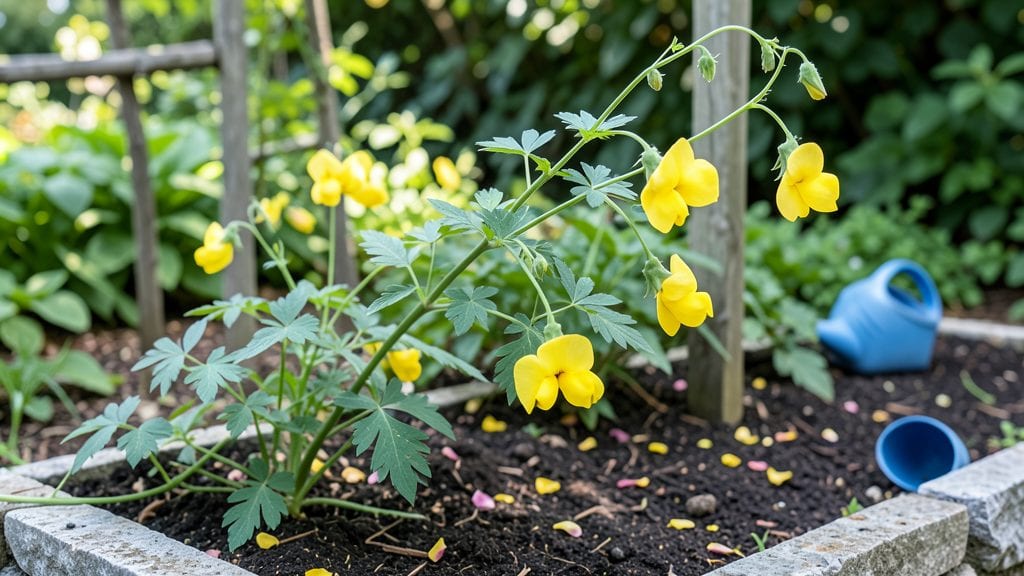
Growing yellow sweet pea flowers from seed gives you the most fragrant climbers in the garden—those honeyed, vanilla-scented blooms that make summer evenings magical. 🌿 I’ve learned the hard way that these picky plants need the right soil, consistent moisture, and a sturdy support structure to shine.
The payoff? A vertical explosion of color that draws hummingbirds and fills your yard with sweetness.
Start with well-draining soil rich in organic matter, plant seeds just half an inch deep in early spring (after the last frost), and keep them consistently moist until germination.
Once established, these vines thrive in full sun and need regular watering—about an inch per week—but never let them sit in soggy soil. Prune spent blooms to encourage more flowers, and watch as your garden transforms into a fragrant, golden-hued paradise by midsummer.
📚 In This Guide
- What you need
- Instructions
- Tips and common mistakes
- Wrapping up and next steps
What you need
- ● Seeds: Lathyrus odoratus (yellow variety) – 10-20 seeds (or pre-started seedlings if preferred).
- ● Growing Containers: 6-8 inch pots (2-3 per plant) or a garden bed with well-draining soil.
- ○ Potting Mix: High-quality, well-draining soil blend (e.g., 60% peat moss, 30% perlite, 10% compost). Optional: Add a slow-release fertilizer (10-10-10 ratio).
- ● Support Structure: 4-6 foot tall trellis, bamboo stakes, or wire mesh (for climbing varieties).
- ● Watering Can or Hose: With a gentle spray nozzle for moisture control.
- ● Mulch: Organic mulch (e.g., straw or shredded bark) to retain soil moisture.
- ● Gloves: Gardening gloves (to protect hands from thorns or soil).
- ● Trowel: Small hand trowel for transplanting seedlings.
- ● Pruning Shears: For trimming dead blooms or overgrown vines.
- ○ pH Test Kit (Optional): To ensure soil pH is between 6.0-7.0 (sweet peas prefer slightly acidic to neutral soil).
- ● Sunlight Access: Full sun (6+ hours/day) or partial shade (if in hot climates).
- ● Patience! 😊 Sweet peas take 2-3 months to bloom from seed.
- ● Liquid fertilizer (e.g., fish emulsion) for mid-season nutrient boost.
- ● Epsom salt (1 tbsp per gallon of water) every 2-3 weeks to enhance bloom production.
- ● Decorative pebbles or mulch for aesthetic appeal.
Step-by-Step instructions for growing yellow sweet peas
Here's how to coax those fragrant, golden blooms from tiny seeds—no fancy tricks, just patience and the right timing.
🌱 Step 1: Start Seeds Indoors for Early Blooms
Fill small seed trays with moistened seed-starting mix and press it down gently. Sweet peas germinate best when sown ¼ inch deep, so tap a seed into each hole with your finger—don't bury them deeper or they'll struggle to emerge. I like to plant mine 8-10 weeks before the last frost to give them time to mature before summer heat arrives.
Cover the trays with plastic wrap or a humidity dome to keep the soil warm and moist. Place them in a spot where the soil stays around 60-65°F—a sunny windowsill or under a grow light works well. Germination takes 7-14 days, so be patient. Once sprouts appear, remove the cover immediately to prevent mold. You'll know they're ready to transplant when they have 2-3 sets of true leaves—that's when their first real growth stage begins.
☀️ Step 2: Harden Off Seedlings Before Moving Outdoors
Sweet peas hate sudden temperature changes, so I start hardening them off 10 days before transplanting. Place the seedlings outside in a sheltered spot for 1-2 hours the first day, gradually increasing their time outdoors over 5-7 days. Watch for signs of stress like wilting or yellowing leaves—if you see those, they're not ready yet.
By the time you're ready to plant, your seedlings should be 4-6 inches tall with sturdy stems. Choose a cool, overcast day for transplanting to reduce shock. Dig holes just deep enough to bury the seedlings up to their first set of leaves—any deeper and they'll rot at the stem.
🪴 Step 3: Plant Along a Trellis for Maximum Support
Sweet peas need vertical support to climb, so install a 5-6 foot tall trellis or sturdy fence near your planting site before you transplant. Space seedlings 4-6 inches apart along the trellis, gently pressing the soil around their roots to secure them. I like to plant mine in late winter or early spring so they have time to establish before summer heat arrives.
Water deeply after planting to settle the soil and encourage root growth. Keep the soil consistently moist but not soggy—sweet peas wilt easily if they dry out. You'll see new growth within a week, and that's your signal that they're settling in. Once they reach 6-8 inches tall, tie the main stems to the trellis with soft plant ties to keep them upright.
💧 Step 4: Maintain Consistent Care for Continuous Blooms
Sweet peas thrive in cool weather and struggle in heat above 75°F, so I focus on keeping them cool and well-watered. Water at the base of the plants in the morning to reduce evaporation and fungal risks. Deadhead spent blooms regularly to encourage more flowers—just pinch them off with your fingers or snip with clean scissors.
Fertilize lightly every 4-6 weeks with a balanced, water-soluble fertilizer to support steady growth. You'll know they're happy when they produce fragrant, vibrant yellow blooms that last for weeks. If you notice leaves yellowing or stems wilting, it's often a sign of overwatering or poor drainage—adjust your watering schedule accordingly.
✂️ Step 5: Extend the Season with Proper Care
To keep your sweet peas blooming well into fall, I recommend cutting back any leggy or overgrown stems in early summer. This encourages bushier growth and more flowers. Harvest blooms in the morning for the best fragrance and vase life—just snip the stems at an angle and place them in cool water immediately.
As temperatures drop in late summer, your sweet peas will naturally slow down. They'll go dormant in winter but often resprout in spring if the roots are healthy. If you live in a cold climate, you can cut back the plants after the first frost and mulch around the base to protect the roots over winter.
Tips & tricks for perfect yellow sweet pea flowers
Here's what I've learned after growing these fragrant beauties for years—simple tricks that make all the difference.
Germination Secret: The ¼ inch depth for planting seeds is crucial—any deeper and they won't emerge. I like to use a toothpick to tap seeds gently into the soil without compacting it too much. For faster germination, place your seed trays on a heating mat set to 65°F—this mimics their natural growing conditions and can cut those 7-14 days down to just 5-7 days.
Harden Off Gradually: Don't rush the 10-day hardening process in Step 2. I've seen seedlings wilt dramatically when moved outside too quickly. Start with just 1-2 hours in a sheltered spot and increase by 1 hour each day. Watch for leaves that perk up quickly after watering—that's your sign they're ready for more time outdoors. A north-facing spot with dappled shade works best for this gradual transition.
Trellis Placement Matters: When installing your 5-6 foot trellis in Step 3, position it where it gets morning sun and afternoon shade. Sweet peas need support to climb, but too much direct afternoon sun can stress them. I like to plant mine near a fence or wall that provides natural shade in hotter climates. The 4-6 inch spacing between seedlings gives them room to grow without competing for nutrients.
Watering Wisdom: The key to consistent moisture is watering at the base of the plants in the morning. I use a gentle spray nozzle to avoid disturbing the soil around the roots. In Step 4, if you notice wilting, it's usually a sign of either underwatering or—more commonly—overwatering. Let the top inch of soil dry out between waterings, and always check drainage to prevent root rot.
Pro Tips for Yellow Sweet Pea Flower
- Here's what I've learned after growing these fragrant beauties for years—simple tricks that make all the difference.
- Germination Secret: The ¼ inch depth for planting seeds is crucial—any deeper and they won't emerge.
- Harden Off Gradually: Don't rush the 10-day hardening process in Step 2.
Frequently asked questions
Got questions about growing yellow sweet pea flowers? You’re not alone! Here are answers to the most common queries to help you cultivate a thriving garden of these fragrant beauties.
How long does it take for yellow sweet peas to bloom after planting?
With proper care, yellow sweet pea seeds typically sprout within 7–14 days. Once planted, expect the first blooms to appear in 8–12 weeks, depending on temperature and variety. For faster results, start seeds indoors 4–6 weeks before your last frost date.
Can yellow sweet peas survive in hot climates?
Sweet peas prefer cooler weather (ideal temps: 55–70°F) and may struggle in extreme heat. In hot climates, plant them in partial shade or opt for heat-tolerant varieties like 'Cupani'. Provide consistent moisture and mulch to retain soil coolness.
What’s the best way to keep sweet peas blooming all season?
Deadhead spent flowers regularly to encourage new blooms! Also, fertilize lightly with a balanced, low-nitrogen mix every 4–6 weeks. Ensure sturdy support (like a trellis) to reduce stress, and water at the base to avoid fungal issues.
Are there alternatives to yellow sweet peas for fragrant flowers?
If you love fragrance, try lilacs, jasmine, or stock flowers—all thrive in similar conditions. For vibrant yellow blooms, consider black-eyed Susans or coreopsis, though they lack sweet pea’s intoxicating scent.
Why aren’t my sweet pea flowers opening, even though the buds are forming?
Bud drop or failure to open often signals stress. Check for overwatering, poor drainage, or pests (like aphids). Ensure plants get 6+ hours of sunlight and avoid high-nitrogen fertilizers, which promote foliage over flowers.
Wrapping up and next steps
Growing yellow sweet pea flowers is a rewarding journey that brings vibrant color and fragrance to your garden—whether you're a seasoned gardener or just starting out! 🌸 With the right soil, sunlight, and care, these charming blooms will thrive and become the star of your outdoor space.
Ready to turn your garden into a sweet-scented paradise?
Your next step? Grab those seeds, pick a sunny spot, and get planting! Watch as your efforts bloom into showstopping beauty—your garden (and neighbors!) will thank you. Happy growing! 🌱