
Flowers
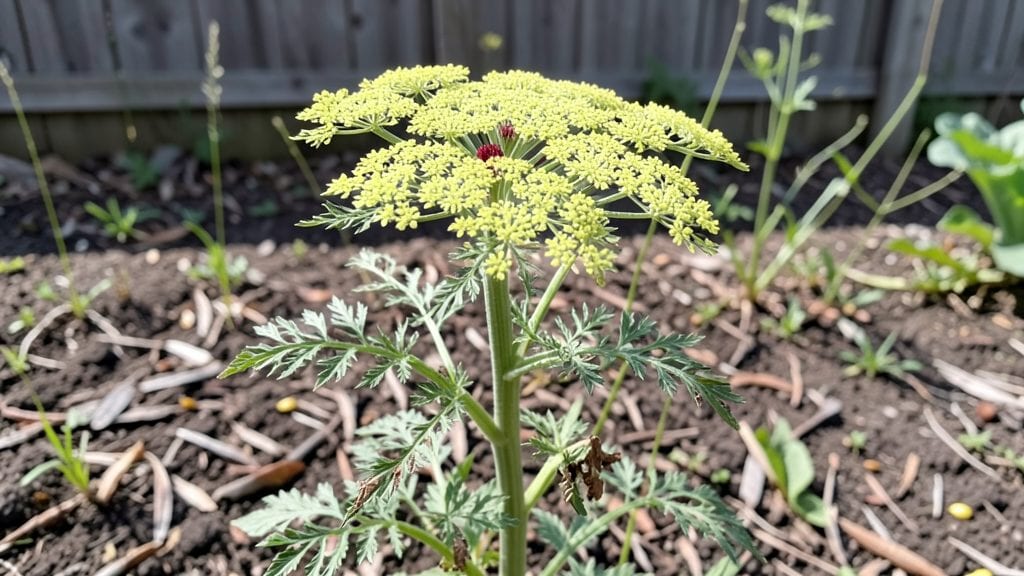
The Pacific Northwest’s fragrant, deer-resistant pollinator magnet is finally in your garden. 🌻 These yellow umbel flowers—like golden yarrow, anise hyssop, and wild bergamot—transform borders into buzzing, bee-friendly havens while repelling deer and rabbits.
The secret lies in their layered textures and long bloom seasons, which keep your garden vibrant from early summer through fall.
These perennials thrive in partial sun, making them perfect for woodland edges, cottage-style gardens, or pollinator patches. Pair them with deep purples like Russian sage or soft pinks like catmint for striking contrast, or let them stand alone in drifts for a wild, natural look.
Their airy stems and bright blooms add movement and lightness to any space, while their fragrance draws in beneficial insects.
Once established, they’re nearly maintenance-free, returning year after year with minimal care. Deadhead spent blooms to encourage more flowers, and watch as your garden becomes a sanctuary for bees, butterflies, and hummingbirds.
The best part? Their deer resistance means fewer battles over your plants, leaving you more time to enjoy the show.
Whether you’re designing a formal border or a wildflower meadow, these umbel flowers deliver color, fragrance, and ecosystem benefits without the fuss. Start small with a few plants, then expand as you see how they transform your garden into a thriving ecosystem.
📚 In This Guide
- What you need
- Instructions
- Tips and common mistakes
- Wrapping up and next steps
What you need
- ● Yellow umbel flower seeds or plants: 1–2 lbs of seeds (for direct sowing) or
- ● 3–5 mature plants (for transplanting, 12–18" apart)
- ● Well-draining potting mix: 10–15 gallons (sterilized, organic blend for containers or in-ground planting)
- ● Compost or aged manure: 2–3 gallons (to enrich soil with nitrogen and nutrients)
- ○ Slow-release fertilizer (10-10-10 or 5-5-5): 1 lb (optional but recommended for nutrient boost)
- ● Organic mulch: 2–3 inches (straw, wood chips, or shredded leaves to retain moisture)
- ● Garden trowel or transplant spade (for digging holes or transplanting)
- ● Garden gloves (to protect hands from thorns or rough stems)
- ● Watering can or hose with adjustable nozzle (gentle watering is key for seedlings!)
- ● Pruning shears (for trimming dead blooms or shaping plants)
- ● Measuring tape or ruler (to ensure proper spacing, 12–24" apart for most umbels)
- ○ Optional: Seed-starting trays (if sowing indoors)
- ● Row cover or shade cloth (for delicate seedlings)
- ● Deer repellent spray (if local wildlife is a concern!)
- ● Sunlight: Full sun to partial shade (6+ hours of sunlight daily for most varieties)
- ● Soil pH: Slightly acidic to neutral (6.0–7.0; test with a soil kit if unsure)
- ● Water access: Regular watering (1–1.5 inches per week, more during droughts)
- ● Deer/wildlife awareness: Monitor for nibbling (umbels like Ligularia are deer-resistant, but yarrow may attract them!)
Step-by-Step guide to cultivating Pacific Northwest yellow umbel flowers
Here’s how to create a thriving pollinator haven with fragrant, deer-resistant blooms that light up your garden.
🌱 Step 1: Select the Right Umbel Varieties for Your Region
Pacific Northwest gardens thrive with native or adapted yellow umbel flowers like Golden Alexanders (Zizia aurea), Black-Eyed Susan (Rudbeckia hirta), or Sneezeweed (Helenium autumnale). These varieties are hardy to USDA Zones 3-9, deer-resistant, and attract bees, butterflies, and hummingbirds. Check local nurseries for region-specific cultivars—some, like Pacific Coast Iris (Iris tenax), produce striking yellow blooms in partial shade.
I always choose plants with fragrant foliage (like Golden Alexanders) to maximize pollinator appeal. Avoid hybridized varieties marketed for cut flowers—they often sacrifice fragrance and pollinator value for long vase life. Plant labels will specify height and spread; choose based on your garden’s sun exposure and available space.
☀️ Step 2: Prepare Soil and Plant in Ideal Conditions
Yellow umbel flowers thrive in well-draining, slightly acidic soil (pH 6.0-7.0). Amend heavy clay soil with 2-3 inches of compost mixed into the top 12 inches of soil. These plants tolerate partial shade to full sun, but morning sun with afternoon shade prevents leaf scorch in hotter microclimates. Test your soil’s moisture retention—umbrellas hate soggy roots, so raised beds or slopes improve drainage.
Dig holes twice as wide as the root ball but no deeper. Space plants 18-24 inches apart for air circulation (critical to prevent fungal diseases like powdery mildew). Water deeply before planting to settle the soil and encourage root expansion. If your garden soil is sandy, add 1 part peat moss to the backfill mix to retain moisture.
💧 Step 3: Water Deeply and Mulch for Retention
Water newly planted umbel flowers every 2-3 days until established, keeping soil 2-3 inches deep consistently moist. You’ll know it’s right when the topsoil feels damp but not waterlogged—umbrellas wilt quickly in drought but also rot in standing water. After 4-6 weeks, reduce watering to once a week unless rainfall is insufficient. Mature plants are drought-tolerant once roots establish.
Apply 2-3 inches of mulch (shredded bark or straw) around the base, keeping it 2 inches away from stems to prevent rot. Mulch conserves moisture, suppresses weeds, and regulates soil temperature. Replenish mulch annually in spring—this is the secret to continuous blooming from early summer through fall.
✂️ Step 4: Prune for Long Bloom Seasons and Pest Control
Deadhead spent blooms every 2-3 weeks to encourage reblooming. Use clean, sharp pruners to snip stems just above a set of leaves—this redirects energy to new growth. I always prune in the morning when stems are stiff, reducing the risk of spreading disease through open cuts. For Sneezeweed, leave some seed heads for winter interest and bird food.
Watch for aphids or spider mites on new growth—yellow umbel flowers are particularly vulnerable after rainy springs. Spray affected areas with neem oil (mix 1 tablespoon per gallon of water) or introduce ladybugs for natural control. Avoid chemical pesticides; they harm the very pollinators these flowers attract.
🪴 Step 5: Divide and Renew Every 3-4 Years
Yellow umbel flowers form dense clumps over time. In early spring or fall, dig up mature plants when foliage is 6-8 inches tall but before new growth begins. Divide the root ball with a clean knife, separating sections with 3-5 healthy stems each. Replant divisions immediately in prepared soil. This rejuvenates plants and prevents the center from dying out—a common issue with neglected perennials.
After dividing, water deeply for 10 days to encourage root establishment. You’ll see new shoots emerge within 2-3 weeks—this is your signal that the plants are thriving. Dividing also prevents overcrowding, which reduces both bloom quantity and fragrance intensity. Save a few divisions to share with fellow gardeners; these are highly sought-after pollinator plants in the PNW.
Tips & tricks for perfect Pacific Northwest yellow umbel gardens
Transforming your garden into a pollinator paradise starts with these key strategies that go beyond basic planting.
Variety Selection Tip: When choosing your yellow umbel flowers, prioritize fragrant foliage varieties like Golden Alexanders—this subtle detail makes a huge difference for pollinators. I've found that plants with strong natural fragrance attract bees and butterflies even when not in bloom. For partial shade areas, Pacific Coast Iris offers stunning yellow blooms while still supporting local ecosystems. The key is matching plant characteristics to your garden's specific microclimates.
Soil Preparation Strategy: The pH 6.0-7.0 range mentioned in Step 2 is crucial, but don't stop there. I always test my soil's moisture retention before planting—umbrellas are particularly sensitive to soggy conditions. For heavy clay soils, consider creating raised beds or planting on gentle slopes to improve drainage. This simple adjustment prevents root rot and ensures your plants thrive. The 2-3 inches of compost mixed into the top 12 inches creates an ideal growing environment that mimics their natural habitat.
Watering Wisdom: Those first 4-6 weeks after planting are critical for establishing strong root systems. I've learned to check soil moisture by pressing my finger 2-3 inches deep—this is the zone where roots will develop. The goal is to keep it consistently moist but never waterlogged. After establishment, the once-weekly watering schedule works beautifully, especially when combined with proper mulching. This routine prevents both drought stress and fungal diseases that can plague these delicate perennials.
Pruning Precision: The 2-3 week deadheading schedule in Step 4 is perfect, but timing matters more than you'd think. I always prune in the morning when stems are stiffest—this reduces the risk of spreading disease through open cuts. For Sneezeweed specifically, leaving some seed heads creates winter interest while providing food for birds. The key is to balance regular maintenance with natural ecosystem benefits, creating a garden that thrives both aesthetically and ecologically.
Pro Tips for Yellow Umbel Flowers
- Transforming your garden into a pollinator paradise starts with these key strategies that go beyond basic planting.
- Variety Selection Tip: When choosing your yellow umbel flowers, prioritize fragrant foliage varieties like Golden Alexanders—this subtle detail makes a huge difference for pollinators.
- Soil Preparation Strategy: The pH 6.0-7.0 range mentioned in Step 2 is crucial, but don't stop there.
Frequently asked questions
Got questions about growing or using yellow umbel flowers? You’re not alone! Here are some of the most common queries—and their answers—to help you cultivate these vibrant pollinator magnets with confidence.
What’s the best time to plant yellow umbel flowers?
For most varieties (like Ligusticum canadense or Osmorhiza species), plant seeds or transplants in early spring after the last frost, or in late summer for fall blooms. Young plants need consistent moisture, so avoid drought stress during establishment. If using potted starts, transplant when soil temps hit at least 50°F (10°C).
Are yellow umbel flowers truly deer-resistant?
While they’re less appealing to deer than many other flowers, they’re not 100% deer-proof. The strong fragrance and fuzzy foliage often deter browsing, but hungry herds may nibble young shoots. Pair them with deer-resistant companions like Russian sage or lavender for extra protection. A physical barrier (like chicken wire) can help during high-risk seasons.
How do I keep yellow umbels blooming all season?
Deadhead spent blooms regularly to encourage continuous flowering. For perennials, divide clumps every 3–4 years to prevent overcrowding. Ensure well-draining soil and partial shade (especially in hot climates). Mulch with compost to retain moisture and fertility—these plants thrive with consistent but not soggy soil.
What can I substitute if I can’t find yellow umbel seeds?
If yellow umbels are unavailable, try these fragrant, deer-tolerant alternatives with similar pollinator appeal:
- Anise hyssop (Agastache foeniculum) – Purple blooms, minty scent, and butterfly magnet.
- Goldenrod (Solidago spp.) – Late-season yellow plumes, great for bees.
- Wild bergamot (Monarda fistulosa) – Lavender-pink flowers with a citrusy aroma.
- Yarrow (Achillea millefolium) – Fern-like foliage and flat-topped yellow clusters.
Why aren’t my yellow umbel flowers opening?
Several factors can prevent blooms:
- Too much shade – Most need 4–6 hours of sun daily.
- Over-fertilizing – These plants prefer lean soil; avoid high-nitrogen feeds.
- Immature plants – Perennials may take 2–3 years to establish and bloom.
- Pests/disease – Check for aphids or powdery mildew; treat with neem oil if needed.
Wrapping up and next steps
Yellow umbel flowers aren’t just a stunning addition to your garden—they’re a powerhouse for pollinators, deer resistance, and Pacific Northwest charm! Whether you’re growing them for their fragrant blooms, supporting local ecosystems, or adding a pop of color, these hardy perennials make gardening effortless and rewarding.
Ready to transform your outdoor space? Start by selecting the right variety (like Ligusticum canadense or Osmorhiza), then dive into planting, maintenance, and creative uses—from bouquets to culinary adventures. Your garden (and the bees!) will thank you. 🌿🐝
Next step: Pick a spot in your yard, grab your gloves, and let these golden umbels work their magic! 🌱