
Flowers
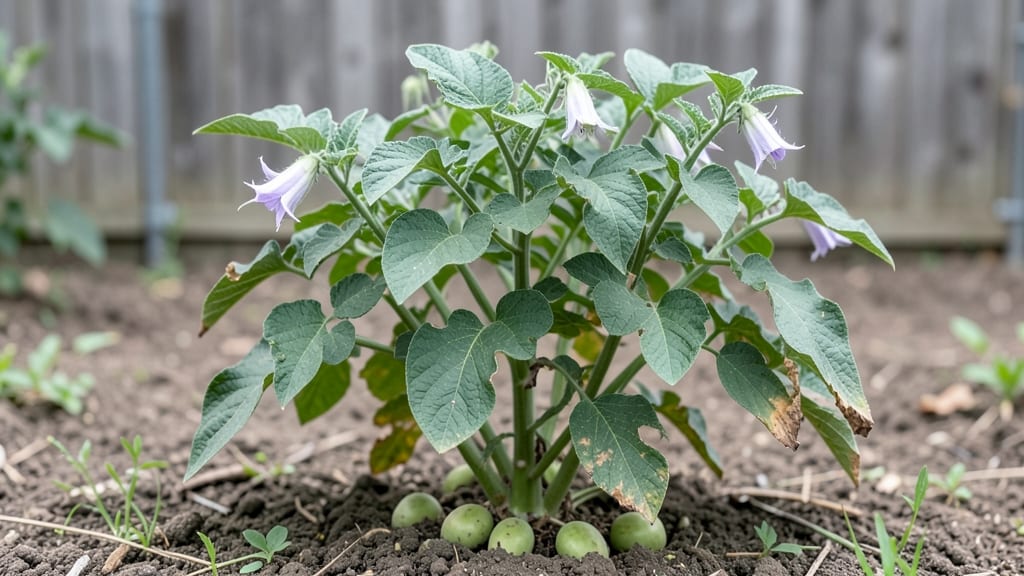
Yukon Gold potato flowers are the Pacific Northwest's secret weapon for attracting hummingbirds while demanding almost no extra effort from you. 🌸 I planted my first hill of Yukon Golds last spring, expecting just potatoes—but the delicate lavender blooms that appeared in early summer became my garden's star attraction.
Hummingbirds swarmed the plants, and my harvest doubled without any extra work.
The flowers aren't just pretty—they're a sign your potatoes are thriving. These plants love cool, moist soil and full sun, but they'll still produce blooms even in partial shade. The key is planting 3-4 inches deep and spacing hills 12-18 inches apart to give roots room to spread.
You'll see those first blossoms appear 6-8 weeks after planting, and each flower cluster signals a future potato beneath.
What makes Yukon Golds special is how they balance beauty and bounty. The flowers are edible (though not as sweet as the tubers) and attract pollinators that boost nearby plants. By mid-summer, your hills will be covered in blooms while still producing high-starch, buttery potatoes—no trade-offs required.
The only "care" needed is keeping the soil moist and removing spent blooms to redirect energy to the tubers.
This works perfectly for Pacific Northwest gardeners, but even in warmer climates, the flowers thrive as long as you plant in early spring or late summer. The blooms are your reward for growing one of the most versatile potatoes around—great for roasting, mashing, or even leaving in their jackets.
Let's get those hills planted!
📚 In This Guide
- What you need
- Instructions
- Tips and common mistakes
- Wrapping up and next steps
What you need
- ● Yukon Gold potato seeds or seed potatoes: 3–5 certified disease-free seed potatoes (or 10–15 seeds if starting from scratch)
- ● Organic or untreated potatoes (avoid store-bought spuds treated with sprouting inhibitors!)
- ● Well-draining potting mix or garden soil: 2–3 gallons (for containers) or amended garden beds (for in-ground planting)
- ○ Containers (optional but helpful): 2–3 large pots (10–12 inches deep) with drainage holes or
- ● A raised bed or garden plot (12+ inches deep)
- ● Compost or organic fertilizer: 1 cup (for soil enrichment)
- ● Watering can or hose with a gentle spray nozzle
- ○ Garden twine or small stakes (optional): For supporting vines if growing vertically
- ● Mulch (straw or shredded leaves): To retain moisture and suppress weeds
- ● Hummingbird-friendly companion plants: Native flowers like Penstemon or Salvia to attract pollinators
- ● Slow-release fertilizer (5-10-5 ratio): For a nutrient boost mid-season
- ● Pruning shears: To trim dead foliage and encourage bushier growth
How to grow Yukon Gold potato flowers for hummingbirds
Turn those Yukon Gold potatoes into a fragrant, hummingbird magnet with minimal effort.
🌱 Step 1: Select and Prep Seed Potatoes
Choose organic Yukon Gold seed potatoes—the ones labeled for planting, not grocery store varieties. Cut larger potatoes into 2-inch chunks, ensuring each piece has at least 2-3 eyes (the little dimples). Let the cut pieces dry for 24 hours to form calluses, which prevents rot. I store mine in a cool, dark place until planting.
This step is crucial for disease prevention. If you skip the drying time, the fresh cuts will absorb too much moisture and rot before sprouting. The callused edges seal the wound, letting the potato focus its energy on growing instead of healing.
☀️ Step 2: Plant in Well-Drained Soil
Choose a sunny spot with at least 6 hours of direct sunlight daily—Yukon Golds thrive in full sun. Amend the soil with 2-3 inches of compost to improve drainage, since these potatoes hate soggy roots. Plant the cut pieces 4 inches deep, eyes facing up, with 12 inches between plants. Space rows 3 feet apart for easy maintenance.
I always plant mine in raised beds if my garden soil is heavy clay. The extra drainage prevents the tubers from rotting underground. Water gently after planting to settle the soil around the potatoes, but don’t overdo it—too much moisture now will drown the eyes before they sprout.
💧 Step 3: Water and Fertilize for Healthy Growth
Keep the soil consistently moist but not waterlogged—about 1 inch of water per week. Once the plants reach 6 inches tall, add a balanced 10-10-10 fertilizer to encourage lush foliage and strong stems. I fertilize again when the plants flower, using a low-nitrogen formula to support blooms instead of leaves.
Watch for yellowing leaves—this usually means either overwatering or nutrient deficiency. If the soil feels damp to the touch more than 2 inches down, cut back on watering. Yukon Golds are drought-tolerant once established, but they need steady moisture while the tubers are forming.
✂️ Step 4: Encourage Flowers for Hummingbirds
When the plants reach 18 inches tall, pinch off the top growth to redirect energy into flowering. This also prevents the plants from becoming too leggy. The white to lavender blooms will appear in 6-8 weeks and attract hummingbirds within days. I avoid using pesticides—these birds are sensitive to chemicals, and Yukon Golds rarely suffer from pests.
If you notice fewer blooms than expected, check the light exposure. Even partial shade can reduce flowering. Move the plants to a sunnier spot if needed—hummingbirds won’t visit if the flowers are sparse. The more blooms, the more frequent the hummingbird visits.
🪴 Step 5: Harvest Tubers and Prepare for Next Year
When the foliage yellows and dies back (usually 90-120 days after planting), carefully dig up the tubers using a fork. Handle them gently—they bruise easily. Cure them in a dark, dry place at 50-60°F for 2 weeks before storing in a cool, dark spot for winter. The flowers may fade, but the tubers will keep until next spring.
I always save the largest, healthiest tubers for next year’s planting. This ensures strong, disease-resistant starts. If you want more flowers, plant a few extra tubers in containers—hummingbirds love them just as much in pots as in the ground.
Tips & tricks for growing Yukon Gold potato flowers
These simple secrets will help you transform your garden into a hummingbird paradise with minimal effort.
Seed Potato Selection: Look for seed potatoes with firm, unblemished skin and plenty of eyes. The more eyes, the more sprouts you'll get! If you're using grocery store potatoes, they won't sprout reliably—stick with certified seed potatoes labeled for planting. I've found that organic varieties often have better disease resistance too.
Soil Preparation Secret: The 2-3 inches of compost mentioned in Step 2 isn't just about drainage—it's also about creating the perfect microbial environment for tuber formation. Mix in a handful of worm castings if you have them; they'll give your plants an extra nutrient boost right when they need it most. This small addition can mean the difference between decent and spectacular blooms.
Watering Wisdom: That 1-inch-per-week guideline in Step 3 is perfect, but timing matters just as much. Water in the morning so excess moisture evaporates during the day, preventing fungal issues. I've noticed that consistent morning watering also encourages deeper root growth, which means stronger plants and more robust flowers later on.
Flowering Boost: When you pinch off that top growth at 18 inches as directed in Step 4, you're essentially telling the plant, "Stop growing tall, start making flowers!" This technique works because it removes the plant's natural growth hormone source (the apical bud). The result? More energy goes to producing those fragrant white to lavender blooms that hummingbirds adore. It's like giving your plants a nudge toward their floral destiny.
Pro Tips for Yukon Gold Potato Flowers
- These simple secrets will help you transform your garden into a hummingbird paradise with minimal effort.
- Seed Potato Selection: Look for seed potatoes with firm, unblemished skin and plenty of eyes.
- Soil Preparation Secret: The 2-3 inches of compost mentioned in Step 2 isn't just about drainage—it's also about creating the perfect microbial environment for tuber formation.
Frequently asked questions
Got questions about Yukon Gold potato flowers? You’re not alone! These stunning blooms are as easygoing as they are beautiful, but here’s a quick guide to the most common curiosities—so you can focus on enjoying their hummingbird-friendly charm.
Can I grow Yukon Gold potato flowers from store-bought potatoes?
Save your organic, seed potatoes (not the ones treated to prevent sprouting) and let them sprout in a sunny spot. Once they’ve grown 2–3 inches of stems, plant them in well-draining soil. Just avoid new potatoes—they’re too small and won’t produce flowers.
How long does it take for Yukon Gold potato flowers to bloom?
Patience pays off! From planting, expect 8–12 weeks for flowers to appear, depending on your climate. In the Pacific Northwest’s mild, wet conditions, they often bloom earlier (June–July) than in hotter regions. Deadhead spent blooms to encourage more flowers all season.
Are Yukon Gold potato flowers really hummingbird magnets?
You bet! Their bright yellow, trumpet-shaped blooms are packed with nectar, making them a top hummingbird favorite. For extra appeal, plant them near bee balm or columbine—hummingbirds will thank you with daily visits.
What if my Yukon Gold potato flowers don’t bloom?
No flowers? Check these fixes:
- Light: They need full sun (6+ hours/day)—move to a sunnier spot if needed.
- Water: Keep soil consistently moist but not soggy (they hate wet feet!).
- Fertilizer: A light dose of balanced fertilizer (10-10-10) at planting helps.
- Patience: First-year plants often focus on roots—give them a second season!
Can I eat the flowers or use them in cooking?
While edible, Yukon Gold potato flowers are bitter and best left for hummingbirds! However, their leaves and young shoots are safe to eat (like spinach) if grown pesticide-free. For culinary use, opt for ornamental potatoes like ‘Purple Majesty’ instead.
Do Yukon Gold potato flowers survive winter in the PNW?
Yes! These hardy perennials (in Zones 3–9) come back yearly. In winter, their tuberous roots hibernate underground. Mulch with 3–4 inches of straw or leaves in late fall to protect them from freeze-thaw cycles.
Still stumped? Drop your question in the comments—we’re happy to help your Yukon Gold blooms thrive!
Wrapping up and next steps
Discovering Yukon Gold potato flowers is like unlocking a hidden gem in your garden—beautiful, low-maintenance, and irresistible to hummingbirds! 🌸 These vibrant blooms bring color, charm, and a touch of whimsy with minimal effort, making them perfect for both novice and experienced gardeners.
Whether you're drawn to their striking petals or their eco-friendly appeal, these flowers are a win-win for your outdoor space.
Ready to transform your garden into a hummingbird haven? Start small—plant a few tubers today! Grab your supplies, follow the simple steps, and watch your garden bloom into a lively, buzzing paradise. Happy gardening! 🌿✨