
Tools
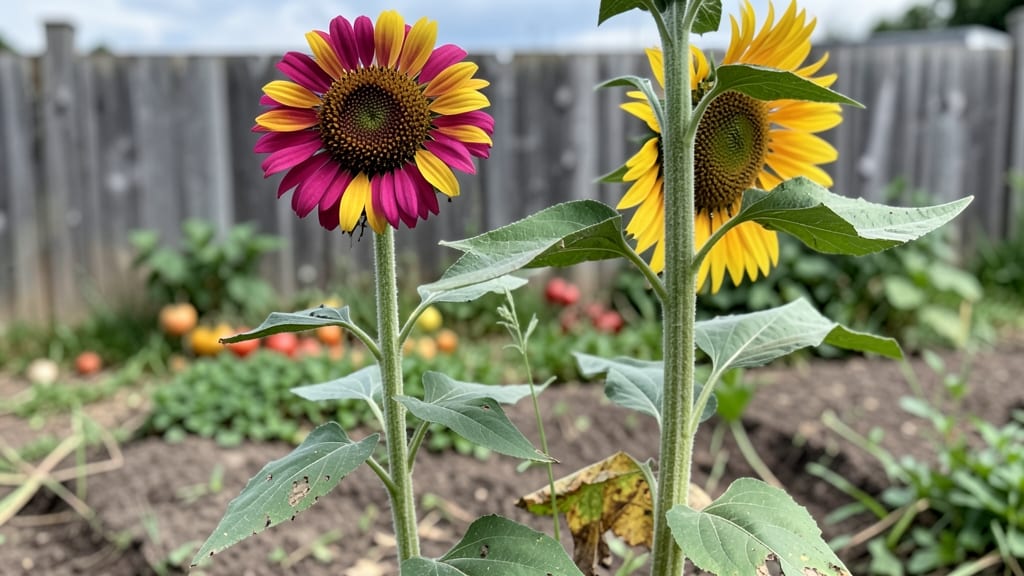
A zinnia and sunflower garden isn’t just a border—it’s a living canvas that hums with pollinators and sways in the breeze. I designed mine last summer after watching bees swarm my zinnias like a golden buffet, and the results were shockingly lush.
The secret? Pairing sunflowers’ towering structure with zinnias’ riotous colors creates vertical drama that draws hummingbirds, butterflies, and even the occasional hummingbird moth.
The layout starts with sunflowers as your backbone—plant them in odd-numbered clusters (3, 5, or 7) for natural balance, then fill the gaps with zinnias in 3-foot-wide drifts. Mix tall ‘Benary’s Giant’ sunflowers (6–8 feet) with shorter ‘Profusion’ zinnias (18–24 inches) to layer the height.
Add companion plants like cosmos or cleome to fill the early-season gaps before zinnias bloom in July.
By August, your garden will be a pollinator magnet—sunflowers dripping with nectar while zinnias burst in jewel tones. The best part? Cut a few stems in the morning, and they’ll last 10–14 days in a vase, turning your kitchen into a sunlit meadow.
Even my neighbor’s cat (a notorious plant killer) can’t resist batting at the blooms.
Works for cottage gardens, cut-flower plots, or even container arrangements—just scale the sunflowers down to ‘Teddy Bear’ varieties (2–3 feet) for smaller spaces.
The key is letting them grow wild enough to sway, because a garden this vibrant isn’t about perfection—it’s about movement, color, and the quiet hum of life.
📚 In This Guide
- What you need
- Instructions
- Tips and common mistakes
- Wrapping up and next steps
What you need
- ● Seeds: Sunflower seeds (e.g., Helianthus annuus) – 50–100 seeds (choose varieties like 'Moulin Rouge' or 'Autumn Beauty' for height and color).
- ● Zinnia seeds (e.g., Zinnia elegans) – 20–50 seeds (opt for 'Benary’s Giant' or 'Profusion' for bold blooms).
- ● Soil: 1–2 bags of high-quality garden soil or potting mix (ensure it’s well-draining and rich in organic matter).
- ● Containers or Garden Bed: Large pots (12+ inches deep) for sunflowers, or
- ● A sunny garden bed (6+ inches deep, 3–4 feet wide for spacing).
- ● Watering Can or Hose: With a gentle spray nozzle for even moisture.
- ● Fertilizer: Balanced all-purpose fertilizer (10-10-10 ratio) or compost for nutrients.
- ● Mulch: Straw or shredded leaves (1–2 inches) to retain moisture.
- ● Hand trowel or small shovel for planting.
- ● Gloves to protect your hands.
- ● Measuring tape or ruler for spacing seeds.
- ● Pruners (for trimming dead blooms later).
- ● Stakes or trellis (if growing towering sunflowers like 'Russian Giant').
- ● A sunny spot with 6+ hours of direct sunlight daily.
- ● Access to water (nearby hose or watering can).
- ● Patience! Sunflowers take 80–120 days to bloom, while zinnias sprout in 7–10 days.
Instructions: designing a thriving zinnia and sunflower pollinator haven
Here’s how to create a bold, functional garden that attracts bees, butterflies, and hummingbirds while showcasing these sun-loving stars.
Plan Your Layout for Height and Pollinator Flow
Start by sketching your space with sunflowers as the backbone—their 6- to 10-foot heights provide structure and shelter for pollinators. Place taller varieties (like 'Mammoth' or 'Autumn Beauty') at the north or west edges of the bed to avoid shading zinnias, which need full sun for vibrant blooms. Zinnias, with their 1- to 3-foot range, fill the middle and front tiers, creating a layered effect that guides pollinators deeper into the garden.
I like to group 3-5 sunflowers together in clusters, spaced 18-24 inches apart, to create a dense vertical backdrop. For zinnias, plant 5-7 per square foot in loose drifts—this mimics their natural spread and ensures continuous blooms. Avoid straight rows; instead, stagger plants so pollinators have multiple entry points to access flowers at all heights.
Prepare Soil for Heavy Feeders
Both zinnias and sunflowers are nutrient hogs, so amend the soil with 2-3 inches of compost mixed into the top 12 inches of bed. Sunflowers, especially, benefit from phosphorus-rich fertilizer (like bone meal) at planting to support deep root development. I blend 1 part compost, 1 part garden soil, and ½ part perlite for loose, well-draining conditions—critical for preventing fungal diseases like powdery mildew.
Test your soil’s pH before planting; zinnias and sunflowers thrive in slightly acidic to neutral soil (6.0-7.0). If your soil is heavy clay, mound the amended mix into raised beds or hills to improve drainage. Work in a broad-spectrum fungicide (like copper spray) at planting to deter early-season diseases, especially in humid climates.
Plant for Sequential Blooms and Pollinator Support
Stagger planting dates so zinnias and sunflowers bloom overlapping timelines—this ensures continuous nectar for pollinators from early summer through frost. Start with early zinnias (like 'Benary’s Giant' or 'Profusion') in late spring, followed by sunflowers 2-3 weeks later, and finish with late zinnias (like 'Crystal Palace') in early summer. This creates a 3-month pollinator buffet without gaps.
Plant sunflower seeds ½ inch deep and 1 inch apart, thinning to 6-12 inches when seedlings are 4 inches tall. Zinnia seeds, which are tiny, can be sown ¼ inch deep and ½ inch apart, then thinned to 8-12 inches apart. Water gently after planting—avoid soaking, as wet seeds can rot. Mulch with 2 inches of straw to retain moisture and suppress weeds, but keep mulch 2 inches away from stems to prevent rot.
Maintain for Pollinator-Friendly Growth
Water deeply 1-2 times per week (more in 90°F+ heat) to encourage deep root systems, but avoid overhead watering after midday to prevent fungal spores from splashing onto leaves. Deadhead spent zinnias weekly by pinching off faded blooms—this redirects energy to new flowers and extends the season. For sunflowers, remove wilting lower leaves to improve airflow, but leave the upper foliage intact to support the heavy blooms.
Fertilize zinnias monthly with a balanced liquid fertilizer (like 10-10-10) to sustain their rapid growth, but skip fertilizer for sunflowers after planting—too much nitrogen produces leafy growth at the expense of blooms. Monitor for aphids or Japanese beetles, which love zinnias; blast them off with a strong spray of water or use neem oil as a preventative spray every 2 weeks.
Extend the Season with Strategic Placement
To keep pollinators visiting into fall, choose late-blooming zinnias (like 'Zahara' or 'Crystal Palace') and autumn sunflowers (like 'Teddy Bear' or 'Autumn Beauty'). Plant a second round of zinnias in late summer for a second flush of color. Position the garden near water sources (like a birdbath or small pond) to create a pollinator oasis—butterflies and bees need both food and water to thrive.
Add companion plants like basil, marigolds, or cosmos at the garden’s edges to repel pests and attract beneficial insects. Avoid strongly scented herbs (like lavender or rosemary) near zinnias, as their fragrance can mask the flowers’ pollinator signals. Instead, opt for low-growing pollinator magnets like sweet alyssum or calendula to fill gaps and provide early-season nectar.
Tips & tricks for perfect zinnia and sunflower pollinator gardens
These insights will help you create a thriving pollinator haven that's both beautiful and functional, ensuring your zinnias and sunflowers flourish year after year.
Layering for Pollinator Access: In Step 1, when planning your layout, remember that pollinators like bees and butterflies navigate by scent and color patterns. Create a "pollinator highway" by staggering your plants so they can move from zinnias at ground level to sunflowers at the back without having to fly through dense foliage. I've found that leaving a 12-inch gap between the tallest sunflowers and the middle zinnias allows easy access while maintaining the layered visual effect. This thoughtful arrangement encourages more frequent visits from your winged garden guests.
Soil Amendments for Heavy Feeders: The nutrient requirements in Step 2 are non-negotiable for these sun-lovers. For sunflowers, I recommend adding a handful of crushed eggshells to your phosphorus-rich fertilizer blend—this provides calcium for strong stems that can support those heavy blooms. For zinnias, work in a bit of coffee grounds (used, not fresh) to lower the pH slightly if your soil tests above 7.0. Both amendments improve soil structure while meeting the plants' specific needs, and they're completely free if you compost your coffee grounds and eggshells.
Sequential Planting Strategy: The staggered planting in Step 3 creates a pollinator buffet that lasts all season, but timing is everything. I've learned that planting sunflowers exactly 2-3 weeks after your early zinnias ensures they reach peak bloom simultaneously. For a true extension of the season, consider planting a few 'Autumn Beauty' sunflowers in late summer—they'll bloom into fall when other varieties have faded, providing late-season nectar for migrating pollinators.
Maintenance for Pollinator Health: When deadheading zinnias in Step 4, don't discard those spent blooms! Place them in a bucket of water to create an instant pollinator drink station. Bees and butterflies will visit to sip the nectar while you're working in the garden. This small addition turns your maintenance routine into another pollinator support system. Also, when removing lower sunflower leaves, leave the upper foliage intact—it provides shade for pollinators during hot afternoons, especially when temperatures exceed 90°F.
Pro Tips for Zinnia And Sunflower Garden
- These insights will help you create a thriving pollinator haven that's both beautiful and functional, ensuring your zinnias and sunflowers flourish year after year.
- Layering for Pollinator Access: In Step 1, when planning your layout, remember that pollinators like bees and butterflies navigate by scent and color patterns.
- Soil Amendments for Heavy Feeders: The nutrient requirements in Step 2 are non-negotiable for these sun-lovers.
Frequently asked questions
Got questions about creating your dream zinnia and sunflower garden? You’re not alone! Here are some of the most common queries—plus quick, actionable answers to help you grow with confidence.
When is the best time to plant zinnias and sunflowers?
For most climates, spring (after the last frost) is ideal—typically March–May—but you can also sow seeds directly in the soil once temperatures stay above 50°F (10°C). Sunflowers are hardy and can handle cooler soil, while zinnias thrive in warm conditions. Pro tip: Start sunflower seeds indoors 4–6 weeks before the last frost for a head start!
How do I attract more pollinators to my garden?
Zinnias and sunflowers are pollinator magnets, but you can boost their appeal by adding native plants like milkweed (for monarchs) or bee balm. Avoid pesticides, and plant in sunny spots with well-draining soil. Bonus: Drip irrigation keeps flowers hydrated without disrupting pollinators!
Can I grow zinnias and sunflowers in containers?
Sunflowers need large pots (10+ gallons) with deep roots, while zinnias thrive in 5–7 gallon containers. Use a lightweight potting mix and place containers in full sun. Dwarf varieties (like ‘Teddy Bear’ sunflowers or ‘Thumbelina’ zinnias) are perfect for small spaces!
Why are my zinnias or sunflowers wilting or drooping?
Wilting often signals underwatering (especially in heat) or overwatering (root rot risk!). Check soil moisture—1 inch deep should be dry before watering. If leaves yellow, it may be nutrient deficiency; feed with a balanced fertilizer (10-10-10). Pro tip: Mulch to retain moisture and prevent soil-borne diseases.
What’s a good alternative if I can’t grow sunflowers?
Try tall cosmos (drought-tolerant and pollinator-friendly) or giant fleabane for height. Black-eyed Susans or coneflowers are also sun-loving perennials that pair beautifully with zinnias. For instant drama, add ornamental grasses like Miscanthus!
Wrapping up and next steps
A zinnia and sunflower garden isn’t just a splash of color—it’s a thriving ecosystem that supports pollinators, boosts biodiversity, and brings joy to your outdoor space. 🌻 With the right layout, soil prep, and plant care, you’ll create a stunning, low-maintenance garden that keeps blooming all season long.
Ready to roll up your sleeves? Start small—pick a sunny spot, gather your tools, and plant your first seeds or seedlings this weekend. Every garden begins with a single step, and yours could be the next pollinator powerhouse in the neighborhood! 🌱