
Planting
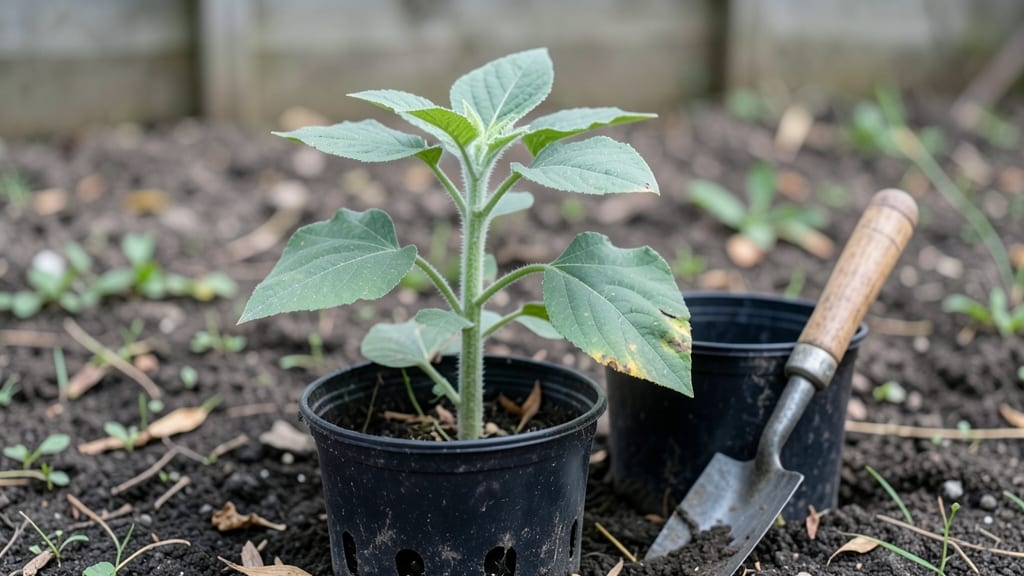
Planting sunflower seedlings means sky-high success starts with the right technique—deep roots and strong stems are what turn floppy starts into towering giants by summer. 🌻 I’ve learned the hard way that shallow planting leads to weak stems that flop in the first breeze, so let’s get this right from the start.
You’ll need well-draining soil, a sunny spot with at least 6-8 hours of sunlight daily, and a small trowel for planting. Sunflowers love space—give each seedling 12-18 inches between plants, and 2-3 feet between rows to prevent competition.
The deeper you plant (about 1-2 inches), the stronger the roots grow, and that’s the secret to those 10-foot giants you’ve always dreamed of.
After planting, water deeply to settle the soil around the roots—not a light sprinkle that leaves air pockets. Mulch with straw or grass clippings to keep moisture in and weeds out.
Within a week, you’ll see new leaves pushing through, and by midsummer, those bright faces will be turning toward the sun.
Here’s the best part: once established, sunflowers need minimal care—just consistent watering and occasional staking for taller varieties. Avoid overwatering, and watch as your seedlings transform into the bold, cheerful giants that make every garden unforgettable.
📚 In This Guide
- What you need
- Instructions
- Tips and common mistakes
- Wrapping up and next steps
What you need
- ● Sunflower seedlings: 3–5 healthy, sturdy seedlings (choose varieties like 'Mammoth' or 'Autumn Beauty' for best results).
- ● Well-draining potting mix: 2–3 gallons (or enough to fill your planting containers). Opt for a blend with compost for extra nutrients.
- ● Containers or garden bed: Containers: 5–7 gallon pots (at least 12–18 inches deep) with drainage holes.
- ● Garden bed: A sunny spot (6+ hours of light) with loose, fertile soil.
- ● Watering can or hose: With a gentle spray nozzle to avoid disturbing seedlings.
- ○ Fertilizer (optional but recommended): Balanced liquid fertilizer (10-10-10) or compost tea for a nutrient boost.
- ● Slow-release granular fertilizer (follow package instructions).
- ● Trowel or small shovel: For digging holes (2–3 inches deep).
- ● Gloves: To keep your hands clean and protect against dirt.
- ● Measuring tape or ruler: To ensure proper spacing (12–18 inches apart for full sun).
- ○ Mulch (optional): Straw or shredded leaves to retain moisture and suppress weeds.
- ● Check your last frost date—sunflowers thrive in warm soil (wait until temperatures stay above 50°F/10°C).
- ● Ensure seedlings are hardened off (acclimated to outdoor conditions for 5–7 days).
- ● Pick a sunny location—sunflowers are heavy drinkers and need full sun!
Step-by-Step instructions for planting sunflower seedlings
Here's the straightforward method I use every year—sunflowers grow fast when you get the roots right.
🌱 Step 1: Prepare the Planting Site for Strong Roots
Sunflowers need deep, loose soil to support their towering growth. Choose a spot with full sun (6+ hours daily) and dig a hole twice as wide as the seedling's root ball. This prevents root binding and encourages outward growth. If your soil is heavy clay, mix in 2 inches of compost to improve drainage—sunflowers hate soggy feet.
Loosen the soil another 6-8 inches deep with a garden fork. You'll see this when the soil breaks apart easily and doesn't resist the fork's tines. This deep preparation gives roots room to establish before summer heat arrives. Water the hole thoroughly before planting to settle the soil and eliminate air pockets.
🪴 Step 2: Transplant Seedlings with Care
Gently remove the seedling from its container, supporting the stem with one hand while tapping the pot's sides. Sunflower roots are surprisingly delicate—don't pull or twist, or you'll damage the taproot. Place the seedling in the hole so the top of the root ball sits 1 inch below soil level. This prevents stem rot while keeping the plant stable.
Fill the hole with soil, pressing lightly around the base to eliminate gaps. Avoid compacting too firmly—you want roots to spread naturally. Water deeply again until moisture reaches 6 inches down. You'll know it's enough when water pools briefly on the surface but then drains away within minutes. This settles the soil around the roots without drowning them.
☀️ Step 3: Support and Maintain Through Growth
Sunflowers grow fast—up to 2-3 inches per day in ideal conditions. Install a 6-foot stake or support cage immediately after planting to prevent toppling. Tie the main stem loosely with soft plant ties, leaving room to grow. Check weekly and adjust as the stem thickens—tight ties will girdle the stem as it expands.
Water at the base 1-2 times per week during dry spells, aiming for 1 inch of water total. You'll see wilting in the afternoon if they're thirsty, but avoid watering leaves to prevent mildew. Mulch with 2 inches of straw to retain moisture and suppress weeds. Fertilize lightly with 5-10-10 at planting and again when buds form—sunflowers need phosphorus for strong stems and blooms.
Here's the thing—don't rush to harvest. Wait until the back of the flower head turns yellow and the petals droop slightly. This ensures seeds are fully mature and won't sprout prematurely if saved for next year. Cut stems 2 inches above the base and hang upside down in a dry, dark place to finish drying.
Tips & tricks for planting sunflower seedlings
A few simple tricks that'll make all the difference when you're planting sunflower seedlings.
Soil Preparation Secret: The 6-8 inch deep loosening in Step 1 is where the magic happens. Use a garden fork to break up compacted layers—you want soil that crumbles like cake when you squeeze it. This deep preparation lets roots access moisture and nutrients during those rapid 2-3 inch daily growth spurts. Confession: I skipped this step my first year and ended up with stunted plants that barely reached my waist.
Root Handling Technique: When removing seedlings in Step 2, think "gentle as a whisper." The taproot is fragile—tap the container sides while supporting the stem, never pull. I learned this the hard way after snapping off the main root on three seedlings in a row. Once planted, that 1 inch below soil level placement prevents stem rot while keeping the plant stable enough to handle summer breezes.
Watering Wisdom: That 6-inch moisture depth in Step 2 isn't just about hydration—it's about creating an ideal root zone. Water until you see pooling, then wait for it to drain completely. Overwatering creates anaerobic conditions that stunt root growth. For the 1-2 times weekly watering, aim for deep soakings rather than light sprinkles—this encourages deep root development that supports those towering stems.
Sunflower Support System: Don't wait until your sunflowers are toppling to install that 6-foot stake! The moment you plant, drive the stake deep enough that it's buried at least 18 inches—this gives maximum stability. I use soft plant ties because they stretch as the stem thickens, preventing the girdling that can strangle growth. Check ties weekly, especially after rain when stems are most vulnerable to wind damage.
Pro Tips for Plant Sunflower Seedlings
- A few simple tricks that'll make all the difference when you're planting sunflower seedlings.
- Soil Preparation Secret: The 6-8 inch deep loosening in Step 1 is where the magic happens.
- Root Handling Technique: When removing seedlings in Step 2, think "gentle as a whisper."
Frequently asked questions
Got questions about planting sunflower seedlings? You’re not alone! Here are answers to the most common concerns—so you can grow tall, happy sunflowers with confidence.
How deep should I plant sunflower seedlings?
Sunflower seedlings should be planted 1–2 inches deep in well-draining soil. Press gently around the base to secure, but avoid burying the stem too deeply—this can cause rot. If transplanting, dig a hole just wide enough to fit the root ball without disturbing it.
When is the best time to plant sunflower seedlings outdoors?
Wait until after the last frost and soil temperatures reach at least 50°F (10°C). In most regions, this means late spring (May–June). Sunflowers thrive in warmth, so rushing too early risks frost damage. Check your local frost dates for precision!
Can I plant sunflower seedlings in containers?
Use containers at least 12–18 inches deep (sunflowers have long taproots). Ensure drainage holes are present and fill with nutrient-rich potting mix. Dwarf varieties (like ‘Teddy Bear’) work well in smaller pots (8–10 inches deep).
What should I do if my sunflower seedlings look wilted or yellow?
Wilting or yellowing often signals overwatering, underwatering, or pests. Check soil moisture (top inch should be dry between waterings). Inspect leaves for aphids or spider mites—spray with neem oil if needed. If stems feel mushy, root rot may be the culprit; trim affected areas and repot in fresh soil.
Do sunflower seedlings need full sun to thrive?
Yes! Sunflowers require 6–8 hours of direct sunlight daily. If planting in partial shade, choose shorter varieties (like ‘Moulin Rouge’) and space them closer together. Without enough light, seedlings will grow leggy and weak. Monitor their progress and adjust placement as needed.
Wrapping up and next steps
Planting sunflower seedlings is a rewarding journey that leads to vibrant blooms and towering beauty—with just a little patience and care! By following these steps, you’ll give your sunflowers the best start, ensuring they thrive from seedling to sun-kissed maturity.
Now that you’re armed with the know-how, watch your garden grow and enjoy the satisfaction of nurturing these cheerful giants.
Ready to take the next step? Visit your local nursery or online store to pick up sunflower seedlings, then grab your gardening gloves and get planting! 🌻✨