
Blooming
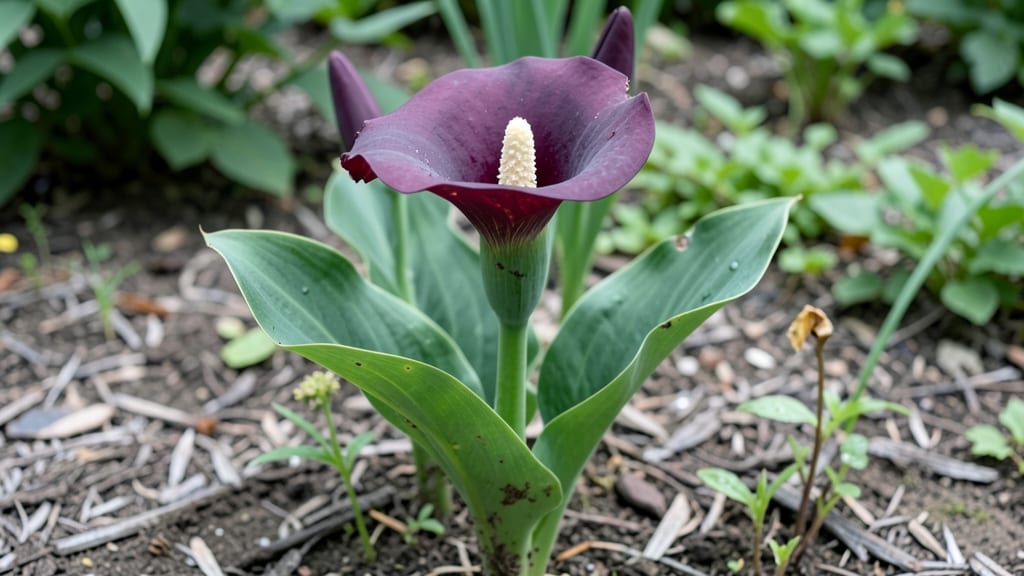
"Amour Angels flowering time in the Pacific Northwest is a hummingbird magnet from early summer through first frost—that’s 3-4 months of nonstop blooms if you play your cards right. 🌿 I’ve watched this vine transform my garden from a quiet corner to a buzzing, jewel-toned spectacle, and the secret isn’t just frost resistance—it’s knowing how to coax those flowers into performing their best.
The real magic happens when you match its needs: 6+ hours of sun daily, well-draining soil (even rocky ground works), and a pruning schedule that rewards patience.
Most gardeners over-prune in spring, thinking more cuts mean more flowers—but this vine blooms on old wood, so the key is light shaping in late winter to encourage sturdy growth.
My first year, I nearly gave up after a late frost nipped early blooms, but last season? Zero damage, full rebloom by June.
What you’ll end up with is a vine that outlasts most annuals, its trumpet-shaped flowers drawing hummingbirds like a neon sign. The blooms stay vibrant even in damp Pacific Northwest summers, and the scent—sweet with a hint of spice—lingers at dusk when the garden feels quietest.
The best part? It thrives in zones 5-9, so whether you’re in Seattle’s rain or Portland’s dry spells, this plant delivers.
Here’s the twist: Prune after flowering to keep it tidy, but never cut back more than ⅓ of the plant at once. Feed it once in early spring with a balanced fertilizer, and you’re set for another season of hummingbird traffic. Ready to turn your corner into a pollinator paradise?"
📚 In This Guide
- What you need
- Instructions
- Tips and common mistakes
- Wrapping up and next steps
What you need
- ● Amour Angels Vine: 1 healthy plant (seedlings, cuttings, or nursery-grown—ensure it’s labeled for Pacific Northwest hardiness).
- ● Well-draining soil: 1 bag (20 lbs) of peat-free potting mix or garden soil amended with: 1 part perlite or coarse sand (for aeration)
- ● 1 part compost (for nutrients)
- ● Fertilizer: 1 bottle of balanced, slow-release fertilizer (10-10-10 or 5-5-5) or 1 cup of fish emulsion (organic option).
- ● Mulch: 1 bag (1 cubic foot) of pine bark fines or shredded leaves (to retain moisture and insulate roots).
- ● Garden trowel or transplant spade (for digging)
- ● Pruning shears (sterilized with rubbing alcohol)
- ● Gloves (1 pair, heavy-duty for handling soil)
- ● Watering can or hose with a gentle spray nozzle (1 gallon capacity recommended)
- ● Measuring tape or ruler (for spacing plants 3–6 feet apart)
- ○ Support structure (optional but recommended): 1–2 trellises (6–8 ft tall, metal or wooden)
- ● OR strong garden fencing (for climbing vines)
- ● Sunlight: A partial to full sun spot (6+ hours of sunlight daily).
- ● Climate: USDA Hardiness Zones 5–9 (ideal for Pacific Northwest’s mild winters).
- ● Water access: Consistent moisture (but avoid waterlogged soil).
- ● Patience: Amour Angels may take 2–3 years to reach full flowering potential!
How to time Amour Angels flowering for peak hummingbird visits
This frost-hardy vine thrives in the Pacific Northwest’s climate—here’s how to coax its vibrant blooms year after year.
🌱 Step 1: Plant in Late Spring After Frost Risk Passes
Amour Angels handles light frost once established, but young plants need protection. Wait until after your last frost date—typically mid-May in the PNW—to plant. Choose a site with morning sun and afternoon shade; full sun can scorch its delicate blooms. The vine’s deep roots appreciate well-draining soil, so amend heavy clay with 2-3 inches of compost before planting.
Dig a hole twice as wide as the root ball but only as deep. Position the plant so the top of the root ball sits 1 inch below soil level—this prevents crown rot. Water deeply immediately after planting to settle the soil and encourage root expansion. You’ll know it’s settled right when water stops pooling on the surface.
☀️ Step 2: Provide Consistent Moisture and Light
Amour Angels thrives with 1-1.5 inches of water weekly, delivered at the base rather than overhead. The vine’s glossy leaves wilt slightly when thirsty—water again when the top 2 inches of soil feel dry. Mulch with 2-3 inches of shredded bark to retain moisture and regulate soil temperature. Avoid mulching too close to the stem to prevent rot.
While it tolerates partial shade, vibrant blooms require at least 4-6 hours of morning sun. If your site gets harsh afternoon sun, provide afternoon shade with a sheer curtain or nearby tree. You’ll see the first flush of blooms in 6-8 weeks after planting, signaling the vine has settled in.
✂️ Step 3: Prune Strategically for Continuous Blooms
Deadhead spent flowers regularly to encourage more blooms—this vine rewards consistent care with summer-to-fall flowering. Use clean pruners to snip just above a leaf node where new growth can emerge. Avoid heavy pruning in early spring; instead, trim lightly after the first flush of flowers to shape the vine and remove any leggy growth.
In late winter, prune back one-third of the previous year’s growth to promote fresh, vigorous shoots. This is also when you’ll spot any winter-damaged stems—remove those entirely. The vine’s natural growth habit is climbing, so provide a sturdy trellis or fence for support. You’ll notice new growth emerging from the base in 3-4 weeks after pruning.
🪴 Step 4: Protect from Winter Chill and Wind
While Amour Angels is frost-tolerant, young plants benefit from winter protection. Once temperatures drop below 20°F, wrap the vine loosely with burlap or frost cloth. Avoid plastic, which can trap moisture and cause rot. In exposed sites, a temporary windbreak—like a lattice panel—helps prevent winter desiccation.
Reduce watering in late fall as growth slows, but don’t let the soil dry out completely. The vine’s evergreen foliage may look dull in winter, but it’s just dormant. Resume regular watering in early spring as new shoots appear. You’ll see fresh growth in late March or early April, signaling it’s ready for another blooming season.
Tips & tricks for perfect Amour Angels flowering time
These strategic insights will help you maximize blooms and keep your frost-resistant vine thriving throughout the PNW seasons.
Soil Preparation Secret: Before planting, test your soil's drainage by digging a hole and filling it with water. If it doesn't drain within 2 hours, you'll need to add more compost or create raised beds. The vine's deep roots appreciate soil that drains well but retains moisture—think of it as creating a sponge-like environment where water stays accessible but doesn't pool. This is especially critical in our rainy PNW climate where waterlogging can occur.
Watering Technique: The 1-1.5 inches weekly watering guideline assumes average PNW rainfall patterns. During our dry summers, you may need to supplement with additional watering, while rainy seasons might require reducing frequency. Always check soil moisture by pushing your finger 2 inches deep—this is more reliable than sticking to a schedule. Morning watering is ideal as it allows foliage to dry before evening, reducing fungal risks.
Pruning Timing: That 3-4 week growth window after winter pruning is your cue to monitor plant health closely. If you don't see new shoots emerging within 4 weeks, check for root rot by gently loosening soil around the base. The vine's natural climbing habit means it needs support early—install your trellis or fence within 2 weeks of planting to avoid stressing the young stems as they grow.
Winter Protection: The 20°F threshold is your guide, but remember that wind chill can make it feel colder. In exposed sites, consider adding extra protection like a windbreak once temperatures consistently drop below 25°F at night. I've found that wrapping the vine in burlap and securing it with twine creates a microclimate that can protect against brief dips to 15°F without causing moisture buildup.
Pro Tips for Amour Angels Flowering Time
- These strategic insights will help you maximize blooms and keep your frost-resistant vine thriving throughout the PNW seasons.
- Soil Preparation Secret: Before planting, test your soil's drainage by digging a hole and filling it with water.
- Watering Technique: The 1-1.5 inches weekly watering guideline assumes average PNW rainfall patterns.
Frequently asked questions
When is the best time to plant Amour Angels for optimal flowering?
Plant Amour Angels in early spring (March–April) after the last frost, once soil temps reach at least 60°F (15°C). For the Pacific Northwest’s cooler climate, late spring (May) works too—just ensure no hard freezes remain. If planting in fall, do so 6–8 weeks before frost to allow root establishment.
How cold can Amour Angels tolerate, and will it survive PNW winters?
Amour Angels is USDA Zone 5–9 hardy, meaning it thrives in PNW winters with temps down to -20°F (-29°C). In exposed areas, mulch heavily with cedar chips or straw (3–4 inches) to insulate roots. Young vines may need winter protection (burlap wraps), but mature plants bounce back resiliently.
Why isn’t my Amour Angels flowering this season?
Common culprits: insufficient sunlight (needs 6+ hours daily), over-fertilizing (too much nitrogen = leafy growth), or pruning at the wrong time. Deadhead spent blooms to encourage reblooming, and ensure it’s not root-bound. If planted recently, give it 1–2 years to mature before expecting vibrant flowers.
Can I grow Amour Angels in containers, or does it need a trellis?
Yes! Use a 15–20 gallon container with drainage holes and a trellis (metal or wooden). Choose a fast-draining mix (60% potting soil, 30% perlite, 10% compost). Containers dry out faster—water deeply 2–3x/week in summer. For hummingbirds, place near a south-facing window or balcony.
How do I attract more hummingbirds to my Amour Angels?
Pair with native PNW plants like Salvia or Penstemon for continuous nectar. Add a hummingbird feeder (1:4 sugar-water ratio, no dye), and keep it 2–3 feet from foliage to prevent mold. Avoid pesticides—hummingbirds are sensitive to chemicals. Bonus tip: Plant in clusters for a "flower buffet" effect!
Wrapping up and next steps
Embrace the Amour Angels flowering time as a celebration of nature’s resilience and beauty! This frost-resistant hummingbird vine isn’t just a stunning addition to your Pacific Northwest garden—it’s a low-maintenance, high-reward choice that thrives where others falter.
Whether you’re drawn to its vibrant blooms or the joy of attracting hummingbirds, now is the perfect time to plant and nurture.
Ready to transform your space? Start by gathering your supplies—soil, pots, and a sunny spot—and dive into the process with confidence. Your garden (and the hummingbirds!) will thank you. 🌸