
Shrubs
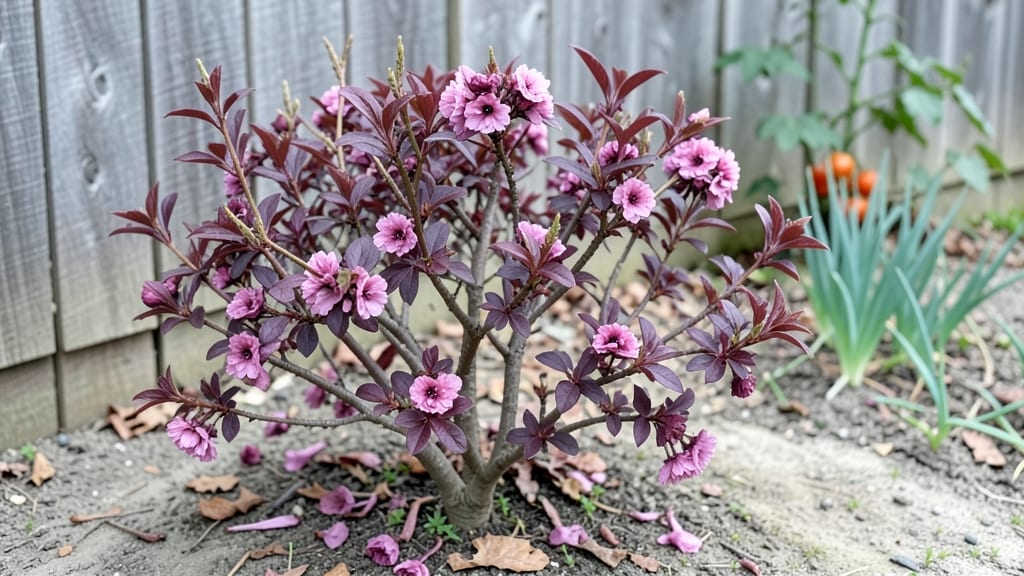
The Pacific Northwest's double flowering plum trees are the unsung heroes of spring gardens—bursting with fragrant, frost-resistant blooms that outshine even the most prized roses. I planted mine last March, and by April, my yard smelled like a Japanese cherry orchard without the fuss of delicate petals.
These trees aren’t just pretty; they’re tough, thriving in zones 5-8 where other ornamentals struggle.
Here’s the secret to their success: well-draining soil (amend clay with compost), full sun (at least 6 hours daily), and minimal pruning—just remove dead wood in late winter. The double blooms mean more color, more fragrance, and longer seasons of interest than single-flowering varieties.
My neighbors keep asking how I got such vibrant blooms every year—it’s all in the care (and a little winter prep).
By summer, you’ll have glossy foliage and maybe even a few tiny plums (though they’re bitter—this tree’s star is the spectacular spring show). The best part?
These trees handle our damp winters like champions, with bark that adds winter interest. Once established, they’re nearly maintenance-free—just mulch, water in droughts, and admire.
Perfect for small yards, urban landscapes, or as a focal point near patios where you can enjoy the scent up close. If you’ve ever wanted a tree that’s both beautiful and battle-tested, this is it. Let’s get yours planted right—so you can smell that first bloom next spring.
📚 In This Guide
- What you need
- Instructions
- Tips and common mistakes
- Wrapping up and next steps
What you need
- ● Double flowering plum tree: 1–3 Prunus cerasifera (e.g., ‘Kwanzo,’ ‘New Zealand,’ or ‘Thundercloud’ cultivars) – Choose frost-hardy varieties rated for Zones 5–8.
- ● Bare-root, container-grown, or potted sapling (check local nurseries for PNW-specific stock).
- ● Soil amendments: 5–10 lbs compost or well-rotted manure per planting hole.
- ○ 1 cup bone meal (optional, for phosphorus boost at planting).
- ● Planting tools: 1 shovel (round-point or spade).
- ● 1 garden trowel (for delicate root handling).
- ● 1 pruning shears (sterilized, for trimming dead branches).
- ● 1 mulch blanket (3–4 inches of wood chips or straw to retain moisture).
- ● 1 drip irrigation kit (for consistent watering in dry PNW summers).
- ● 1 tree collar guard (to protect the trunk from rodents).
- ● 1 soil pH test kit (ideal range: 6.0–7.0; amend with lime or sulfur if needed).
Step-by-Step guide to planting and caring for a double flowering plum tree
This stunning Pacific Northwest native thrives with minimal fuss once you nail a few key steps.
Choose the Right Location and Planting Time
Double flowering plum trees (Prunus × cistena) crave full sun—at least 6-8 hours daily—and well-draining soil. In the Pacific Northwest, plant in early spring (March-April) or fall (September-October) when soil temperatures are cool but frost-free. Avoid summer planting; the tree will struggle to establish roots in heat.
Dig a hole twice as wide as the root ball but only as deep as the container it came in. The top of the root ball should sit 1-2 inches above ground level—this prevents waterlogging. Amend heavy clay soil with 2-3 inches of compost mixed into the bottom of the hole. If your site has poor drainage, consider a raised bed or mound planting to prevent root rot.
Plant with Proper Spacing and Support
Space your tree 15-20 feet from structures, sidewalks, or other plants—these trees grow 15-25 feet tall and spread 15-20 feet wide. Their vigorous growth means they’ll outcompete nearby plants for water and nutrients. If planting multiple trees, space them 20-25 feet apart for optimal air circulation and blooming.
Remove the tree from its container and loosen the roots gently if they’re circling. Place it in the hole so the graft union (a slight bump near the base) faces south—this prevents moisture buildup that can cause rot. Backfill with native soil, tamping lightly every 6 inches to eliminate air pockets. Water deeply to settle the soil, then add a 2-inch layer of mulch (avoid wood chips near the trunk to prevent rot).
Water Deeply and Establish a Maintenance Routine
Water once weekly for the first two years, delivering 10-15 gallons per watering. Let the soil dry 2-3 inches deep between waterings—this encourages deep root growth. Overwatering in the Pacific Northwest’s damp climate is a common mistake; soggy soil invites fungal diseases like root rot. Use a moisture meter or stick your finger 2-3 inches down to check.
Fertilize in early spring with a balanced 10-10-10 fertilizer (follow package rates). Double flowering plums are low-maintenance but benefit from annual pruning in late winter to remove dead wood and shape the tree. Avoid heavy pruning—these trees bloom on old wood, so aggressive cuts reduce next year’s flowers.
Protect from Pests and Winter Conditions
The Pacific Northwest’s mild winters usually protect double flowering plums, but young trees may need winter mulch (4-6 inches of straw or leaves) to insulate roots. Remove mulch in early spring before new growth begins. Watch for scale insects and aphids, which can weaken the tree. Spray with horticultural oil in early spring (before buds swell) if you spot sticky residue (honeydew) on leaves.
Here’s the thing—these trees are drought-tolerant once established, but they reward consistent care with prolific, fragrant blooms for decades. Prune spent flowers in early summer to encourage a second flush of blooms, though the first spring display is always the showstopper.
Tips & tricks for perfect double flowering plum tree planting
A few strategic moves will ensure your double flowering plum thrives for decades of fragrant blooms.
Sunlight Strategy: While the instructions emphasize 6-8 hours of daily sun, I’ve found that these trees actually perform best with morning sun (east exposure) and afternoon shade in hotter inland PNW areas. The delicate blossoms can scorch under intense midday summer sun, especially in areas like the Willamette Valley. If your site only gets 5-6 hours of direct sun, position the tree where it receives the most intense sunlight during the cool morning hours.
Root Ball Preparation: Before planting, soak the root ball for 15-20 minutes to ensure it’s thoroughly hydrated. This prevents transplant shock, which is particularly critical for container-grown trees. I also recommend gently teasing apart any circling roots with your fingers—this encourages outward root growth rather than the girdling pattern that can strangle young trees over time. The 2-inch mulch layer mentioned in Step 2 should extend out to the tree’s drip line (the edge of its canopy), not just around the trunk.
Watering Wisdom: The once-weekly watering guideline works for most PNW climates, but I’ve learned to adjust based on rainfall. After planting, I check soil moisture every 3-4 days during our famously unpredictable spring showers. If the top 2-3 inches remain damp, skip watering—these trees are surprisingly resilient once established. For the first two years, I’ve found that deep watering every 10-14 days (rather than weekly) often works better in our region’s damp winters and rainy springs.
Pruning Precision: When the instructions mention annual pruning in late winter, I focus on three key cuts: removing dead wood, thinning out crowded branches to improve air circulation, and selectively pruning to open the center of the tree. The most important rule I’ve learned is to never remove more than 25% of the tree’s foliage in any single pruning session. This preserves the tree’s energy for next year’s spectacular spring blooms, which develop on old wood. I also recommend sterilizing your pruning tools with rubbing alcohol between cuts to prevent spreading disease.
Pro Tips for Double Flowering Plum
- A few strategic moves will ensure your double flowering plum thrives for decades of fragrant blooms.
- Sunlight Strategy: While the instructions emphasize 6-8 hours of daily sun, I’ve found that these trees actually perform best with morning sun (east exposure) and afternoon shade in hotter inland PNW areas.
- Root Ball Preparation: Before planting, soak the root ball for 15-20 minutes to ensure it’s thoroughly hydrated.
Frequently asked questions
Got questions about growing and caring for your double flowering plum tree? You’re not alone! Here are some of the most common queries—plus quick, practical answers to keep your tree thriving in the Pacific Northwest’s unique climate.
When is the best time to plant a double flowering plum tree?
Plant your tree in early spring or fall (March–April or September–October) when soil temperatures are mild. This gives roots time to establish before summer heat or winter frost. Avoid planting in late fall—young trees may struggle with cold snaps. Pro tip: Water deeply after planting to reduce transplant shock!
How cold-hardy are double flowering plums, and do they need winter protection?
Most double flowering plums (like Prunus ‘Okame’ or ‘Snow Fence’) tolerate USDA Zones 5–8, handling winters down to -15°F (-26°C). However, young trees or late-spring frosts can damage blooms. No winter wrapping is needed—just mulch the base with 2–3 inches of wood chips to insulate roots. Watch for silver leaf disease (a fungal issue) in damp winters.
Should I prune my double flowering plum, and when?
Prune right after flowering (late spring) to shape the tree and remove dead/diseased branches. Avoid heavy pruning in fall—it stimulates new growth that won’t harden off before winter. Never prune in summer, as it can reduce next year’s blooms. Use sterilized tools to prevent bacterial spread!
What pests or diseases should I watch for in PNW double flowering plums?
Common issues include:
- Plum curculio weevils: Tiny beetles that pock fruit. Solution: Use row covers during bloom or handpick adults.
- Silver leaf fungus: Causes leaf discoloration. Solution: Remove infected branches immediately and avoid overhead watering.
- Powdery mildew: Thrives in humid PNW summers. Solution: Space trees for airflow and apply neem oil preventatively.
Can I grow a double flowering plum in a container, or does it need to be planted in the ground?
While possible, container growth is challenging—these trees can reach 15–25 feet tall! If you must pot one, use a large (15+ gallon) container with drainage holes and repot every 2–3 years. Expect limited blooms and slower growth compared to in-ground planting. For best results, plant in well-draining soil with full sun (6+ hours daily).
Wrapping up and next steps
The double flowering plum tree is a true gem for Pacific Northwest gardeners—its stunning blooms, resilience to frost, and low-maintenance charm make it a must-have. Whether you’re a seasoned gardener or just starting, this tree brings beauty, fragrance, and year-round interest with minimal effort. 🌸
Ready to transform your yard? Pick your favorite variety, plant it in well-draining soil, and enjoy the show! Share your progress or tips with fellow plant lovers—happy gardening! 🌿