
Flowers
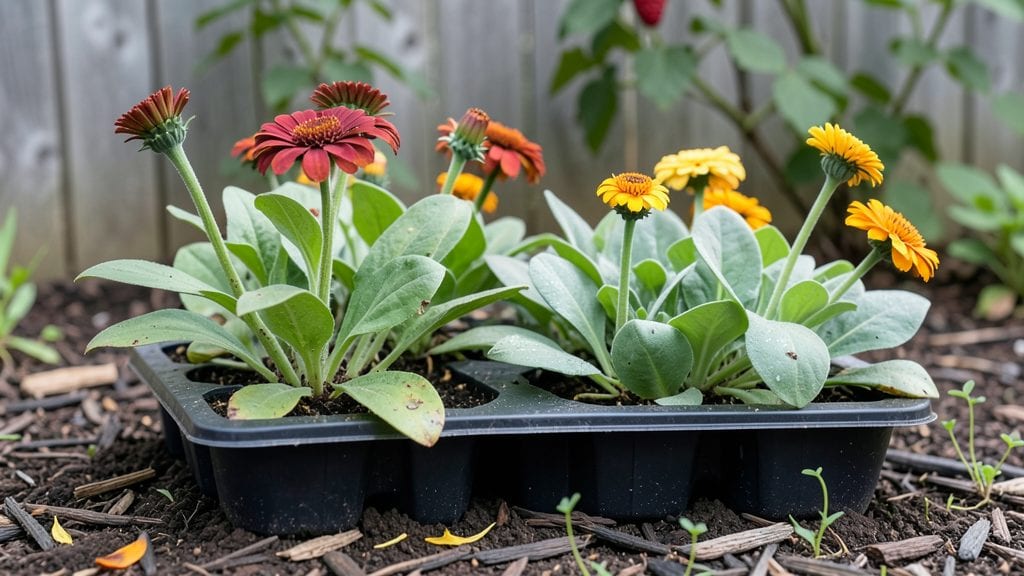
Annual flower flats turn any space into a nonstop color show without the endless pruning or deadheading. 🌸 I used to dread seasonal flowers—too much upkeep, too little payoff—but these shallow trays changed everything. They’re the lazy gardener’s secret: just plant, water, and watch them bloom from spring through fall.
The magic starts with the right mix of heat-loving annuals like petunias and vinca alongside cooler-season picks like pansies. A 6-inch-deep tray with drainage holes and lightweight potting mix keeps roots happy while preventing soggy soil.
Plant in clusters for fullness, and you’ll have blooms within 3-4 weeks—no waiting around for sluggish growth.
What you’ll love most is the low-maintenance beauty: no weeds, no pests (thanks to elevated edges), and flowers that last 8-10 weeks with minimal care. Swap out flats seasonally for a fresh look, or keep them going all year in mild climates.
The only pruning you’ll do is snipping a few spent blooms—hardly a chore.
Perfect for patios, porches, or even windowsills—these flats work in any sunny spot. Whether you’re dressing up a deck or filling gaps in garden beds, they’re the easiest way to add bold color without the fuss. Let’s get planting!
📚 In This Guide
- What you need
- Instructions
- Tips and common mistakes
- Wrapping up and next steps
What you need
- ● Annual flower flats: 1–2 flats (10" x 20" or similar size) filled with a mix of petunias, geraniums, impatiens, or marigolds (or your preferred annuals). Opt for pre-planted flats for convenience!
- ● Potting soil: 1–2 bags of high-quality, well-draining all-purpose potting mix (1–2 cubic feet per flat). Look for mixes labeled for container gardening.
- ● Containers: 1–4 large, shallow containers (e.g., window boxes, hanging baskets, or raised planters) with drainage holes. Size should match your flats (e.g., 10"–12" width for standard flats).
- ● Watering can or hose with a gentle spray nozzle: 1 unit. Ensure it delivers even moisture without disturbing the soil.
- ● Fertilizer: 1 bottle of balanced liquid fertilizer (e.g., 10-10-10 or 20-20-20) or slow-release granules for annuals.
- ● Pruning shears: 1 pair of sharp, clean shears (for minimal trimming—though annuals rarely need heavy pruning!).
- ○ Gloves (optional but recommended): 1 pair of gardening gloves to protect your hands from soil and thorns.
- ● Trowel or small shovel: 1 unit for transplanting or adjusting soil if needed.
- ● Mulch (e.g., pine bark or decorative stones): A small bag to retain moisture and add aesthetic appeal.
- ● Support stakes or cages: 1–2 units for tall annuals like snapdragons or sunflowers (if included in your flat).
- ● Plant labels: 10–20 labels to track varieties (especially useful if mixing colors or types).
- ● Spray bottle with water: 1 small bottle for gentle misting on hot days.
- ● Reflective mulch or heat mats: For extended-season gardening in cooler climates (e.g., early spring or fall).
Step-by-step instructions for creating stunning annual flower flats
Here’s how to build vibrant, low-maintenance flower displays that keep blooming all season.
🌱 Step 1: Select the Right Flat and Soil Mix
Choose a shallow, wide garden flat (at least 12x18 inches) with drainage holes to prevent root rot. I prefer 18-inch-wide flats because they give you space for 4-6 plants without overcrowding. Fill it with a well-draining potting mix—never garden soil, as it compacts and suffocates roots. Mix in 20% perlite or vermiculite to improve aeration, especially if your area gets heavy rain.
Moisten the mix until it’s evenly damp but not soggy—think of a wrung-out sponge. Press it down lightly to eliminate air pockets, but don’t compact it. The goal is a loose, fluffy medium that roots can easily penetrate. If you’re planting in containers without holes, add a 1-inch layer of gravel at the bottom first to ensure excess water drains away.
🌿 Step 2: Choose Complementary Annuals for Year-Round Blooms
Pick 4-6 varieties with staggered bloom times and similar light needs. For full sun, I recommend petunias, zinnias, and marigolds—they thrive in heat and rebloom prolifically. For partial shade, try impatiens, begonias, and lobelia—they’ll keep flowering even when others fade. Space plants 6-8 inches apart to allow airflow and reduce disease risk.
Dig holes twice as deep as the root ball but no deeper—this prevents burying stems, which can rot. Gently tease apart roots if they’re circling tightly, then place each plant so the top of the root ball sits just below soil level. Fill gaps with additional mix, pressing lightly to secure plants without compacting.
💧 Step 3: Water Deeply and Establish a Consistent Routine
Water deeply right after planting—soak the soil until water runs out the drainage holes. This encourages roots to grow downward instead of staying shallow. After the initial watering, let the top ½ inch of soil dry out before watering again. Overwatering is the fastest way to kill annuals, especially in flats where drainage can be inconsistent.
Place your flat in its final location within 24 hours of planting to minimize transplant shock. If you’re moving it from a nursery pot, harden off seedlings first by exposing them to outdoor conditions for 3-5 days before full placement. Mulch with ½ inch of shredded bark to retain moisture and suppress weeds—just avoid piling it against stems.
☀️ Step 4: Feed and Maintain for Continuous Blooms
Apply a balanced, water-soluble fertilizer (10-10-10) every 2-3 weeks once flowers appear. I mix it at half-strength to avoid burning tender roots. For extra vigor, switch to a bloom-boosting formula (like 5-10-10) mid-season. Deadhead spent blooms weekly—this redirects energy to new flowers instead of seed production. Pinch back leggy stems to encourage bushier growth.
Rotate your flat quarter-turn weekly if placed on a patio or balcony. This prevents plants from leaning toward the light and ensures even growth. Watch for pests like aphids or spider mites—spray with neem oil at the first sign, as annuals are more vulnerable than perennials. If leaves yellow, check for overwatering or nutrient deficiencies—adjust accordingly.
✂️ Step 5: Extend the Season with Simple Care
As summer wanes, reduce watering slightly but keep soil moist—annuals need less in cooler weather. In fall, replace faded plants with cool-season varieties like pansies or snapdragons for winter color. If frost threatens, move flats to a sheltered spot or cover with frost cloth for a few more weeks of blooms.
At season’s end, compost spent plants unless they show signs of disease (discard those separately). Clean flats with soapy water and store them dry for next year. The key to year-round color? Rotate varieties—plan your next flat while the current one still blooms, so you’re always ahead of the season.
Tips & tricks for perfect annual flower flats
These simple yet game-changing strategies will help you create vibrant, low-maintenance flower displays that keep blooming all season long.
Soil Mix Mastery: The secret to thriving annuals lies in that perfect 20% perlite or vermiculite mix. This isn't just about drainage—it's about creating an airy environment that prevents root suffocation. I've found that mixing in 1 part coconut coir with the potting soil adds extra moisture retention without compacting. For containers without drainage holes, that initial 1-inch gravel layer is non-negotiable—it's what prevents soggy roots that lead to root rot.
Plant Placement Precision: When arranging your 4-6 plants in that 18-inch-wide flat, think about the "rule of thirds" for visual balance. Place your tallest varieties (like zinnias) toward the back if your flat has depth, and shorter ones (like lobelia) toward the front. The 6-8 inch spacing isn't just about aesthetics—it's crucial for airflow that prevents fungal diseases. I always make sure the top of each root ball sits just below soil level; anything higher risks drying out, while anything deeper risks rotting.
Watering Wisdom: That initial deep watering after planting is your foundation—aim for water running out the drainage holes like a gentle rain. The key to maintaining this is checking the top ½ inch of soil between waterings. I've learned the hard way that annuals in flats dry out faster than in-ground plants. For containers without holes, I use a moisture meter to avoid guesswork. Remember, overwatering kills faster than underwatering—especially in those shallow flats where roots can't seek deeper moisture.
Seasonal Transition Strategy: As you approach that 24-hour placement window after planting, start thinking about your seasonal rotation. Keep a planting calendar with your cool-season varieties (like pansies) already selected. When your summer annuals start fading, you'll have everything ready to swap them out in just a few hours. I've found that mid-September is the perfect time to transition—give your new plants 3-5 days of hardening off before the first frost hits.
Pro Tips for Annual Flower Flats
- These simple yet game-changing strategies will help you create vibrant, low-maintenance flower displays that keep blooming all season long.
- Soil Mix Mastery: The secret to thriving annuals lies in that perfect 20% perlite or vermiculite mix.
- Plant Placement Precision: When arranging your 4-6 plants in that 18-inch-wide flat, think about the "rule of thirds" for visual balance.
Frequently asked questions
Got questions about annual flower flats? You’re not alone! Here are some of the most common concerns—and their easy solutions—to help you get the most vibrant, low-maintenance blooms all year.
What’s the best way to plant annual flower flats for maximum impact?
Plant in well-draining soil with a mix of compost for nutrients. Space plants slightly closer than their tag suggests (since they’ll spread) and water thoroughly after planting. For a polished look, arrange flats in odd-numbered groupings (3, 5, or 7) and vary heights for visual interest. Pro tip: Use a level tray underneath to catch overflow and keep your patio or porch clean!
How often should I water annual flower flats?
Water when the top inch of soil feels dry—usually every 2–3 days in hot weather, but adjust for rain or shade. Flats dry out faster than in-ground plants, so check daily during heatwaves. Troubleshooting: If leaves wilt, soak the soil deeply and trim any browned foliage to encourage new growth.
Can I reuse annual flower flats year after year?
Clean them thoroughly after the season by scrubbing with soapy water, disinfecting with a 1:10 bleach-water mix (rinse well), and letting them dry in the sun. Store them in a dry place until next year. Alternative idea: If flats get damaged, swap them for hanging baskets or window boxes for a fresh look!
How do I keep pests away from my annual flower flats?
Prevent pests with neem oil spray or insecticidal soap, applied weekly. Remove chewed leaves promptly and encourage beneficial insects like ladybugs. Quick fix: For aphids, blast them off with a strong stream of water from your hose.
What’s the best way to overwinter annual flower flats?
Most annuals won’t survive winter, but you can extend their life by moving flats to a sheltered spot (like a garage or under an eave) and watering sparingly. For tropical varieties, bring them indoors near a sunny window. Fun fact: Some annuals, like pansies or snapdragons, tolerate light frost—check their hardiness zone!
Wrapping up and next steps
Annual flower flats are your ticket to effortless, vibrant gardens—no pruning, no fuss, just year-round color! Whether you're a busy gardener or a beginner, these easy-care plants bring beauty with minimal upkeep. Start small, experiment with colors, and watch your outdoor space transform with zero stress. 🌸
Ready to dive in? Pick your favorite annuals, grab a flat, and plant today! Your garden’s next masterpiece is just a few seeds away. Happy gardening! 🌱