
Flowers
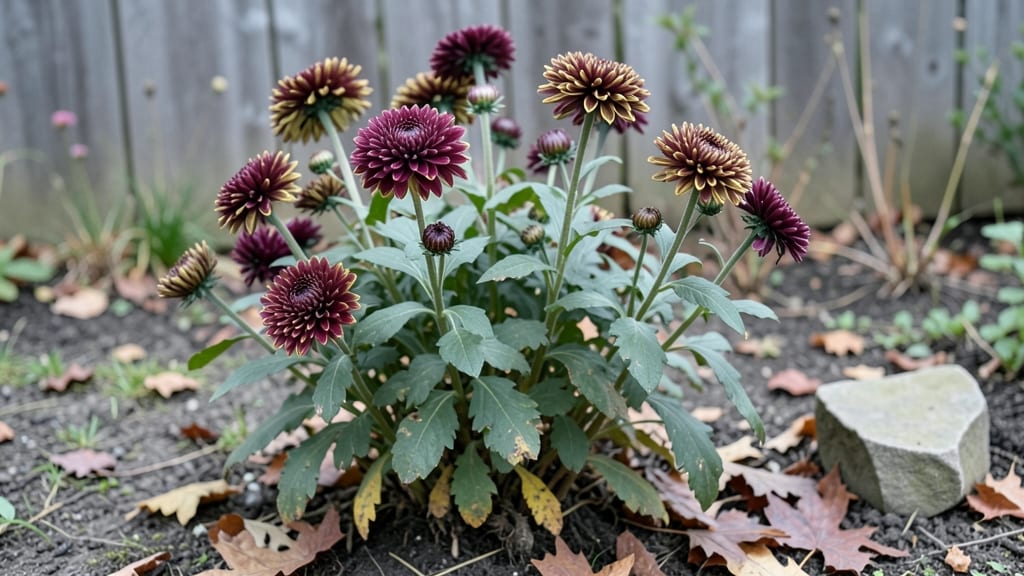
When autumn flowers burst into color in the Pacific Northwest, your garden becomes a living painting—deep reds, golden yellows, and blush pinks that last until frost. 🌿 I’ve spent years chasing these late-season blooms, and the secret isn’t just picking the right flowers but understanding how to coax them through damp, chilly air.
Some, like hardy chrysanthemums, thrive in the region’s mild autumns, while others, such as asters, dance with frost on their petals.
The magic happens with the right prep: well-draining soil, a splash of compost, and strategic planting to catch the last sunlight. Most of these flowers need full sun to partial shade, and their roots appreciate a little extra moisture as summer fades.
My go-to varieties—sedum, dahlias, and ornamental kale—bring structure and texture, while asters and black-eyed Susans add wild charm. Even in Zone 7-9, a little mulch keeps roots cozy through early chills.
By late October, your garden will hum with pollinators still searching for nectar, and the scent of woody stems and spicy blooms will linger in the crisp air. The best part?
These flowers don’t just survive autumn—they shine in it, turning a sleepy yard into a seasonal showstopper. Let’s pick the perfect palette for your region’s late-season glow.
Whether you’re filling containers on a patio or designing a full border, these flowers adapt beautifully. Just remember: deadhead spent blooms to encourage new growth, and don’t cut back perennials until spring. The Pacific Northwest’s autumn garden isn’t just about color—it’s about extending the season’s magic until the first snowflakes.
📚 In This Guide
- What you need
- Instructions
- Tips and common mistakes
- Wrapping up and next steps
What you need
- ● Autumn-blooming flowers: Choose from Pacific Northwest favorites like asters, chrysanthemums, goldenrod, sedum, or late-blooming dahlias (1-3 plants per variety, depending on desired coverage). Opt for hardy, cold-tolerant varieties rated for USDA Zones 6-9.
- ● Well-draining potting soil: 1-2 5-gallon bags (mix with 20% perlite or sand for better drainage).
- ● Containers or garden beds: Containers: 5-10 gallon pots with drainage holes (1 per plant).
- ● Garden beds: Ensure 6+ inches of loose, amended soil (remove weeds/rocks first!).
- ● Slow-release fertilizer: 10-10-10 NPK ratio (1 tbsp per plant at planting time).
- ● Mulch: 2-3 inches of shredded bark or straw (helps retain moisture and insulate roots).
- ● Garden trowel or small shovel (for transplanting).
- ● Pruning shears (to trim dead foliage or shape plants).
- ● Watering can or hose with a gentle spray nozzle (avoid overwatering!).
- ○ Gloves (optional but recommended for handling thorny plants like roses or blackberry lilies).
- ● Epsom salt (1 tbsp dissolved in water monthly for magnesium boost).
- ● Decorative stones or pebbles (for container gardens).
- ● Plant markers (to label varieties if testing new flowers).
- ● Lightweight row cover (for frost-prone areas to extend blooming season).
How to create a stunning autumn flower display in the Pacific Northwest
Fall’s vivid colors don’t require a magic touch—just the right late-season blooms and a few smart placement tricks.
🌿 Step 1: Select Pacific Northwest-Native Late-Season Flowers
Focus on hardy varieties that thrive in the region’s cool, damp climate. Sedum (autumn joy or ‘Matrona’) delivers deep pink blooms for weeks, while Japanese anemones add soft white or pink flowers that dance in light breezes. Goldenrod and aster bring bold yellows and purples, and toad lilies (Tricyrtis) offer unique spotted blooms that last until frost.
I always include shrubs like viburnum for structure and ornamental grasses (like Miscanthus sinensis) for movement. These plants handle the PNW’s frequent rain and cooler temps better than tender annuals. Check local nurseries for varieties that perform well in your specific microclimate—some coastal areas stay milder than inland spots.
☀️ Step 2: Plant for Layered Color and Seasonal Interest
Arrange flowers by height, starting with tall grasses and sedum at the back (3-4 feet tall), then medium shrubs like viburnum (2-3 feet), and finishing with anemones and asters in front (1-2 feet). This creates depth and lets light reach all plants. Space them 18-24 inches apart to allow airflow and prevent fungal issues from the region’s humidity.
Add mulch (like shredded bark) to retain moisture and regulate soil temperature. In the PNW, fall rains can leach nutrients quickly, so I top-dress with compost after planting. Water deeply once a week unless we’ve had steady rain—overwatering in cool weather leads to root rot.
🌱 Step 3: Extend the Season with Careful Pruning and Deadheading
Remove spent blooms from sedum and asters to encourage more flowers, but leave the seed heads on toad lilies and grasses for winter interest. Cut back Japanese anemones after they fade, but leave the foliage until spring—they’re semi-evergreen and provide texture. For viburnum, prune in early spring to shape, but avoid cutting in fall when birds rely on berries.
Here’s the thing—PNW autumns can be unpredictable. If frost threatens early, move tender pots (like salvia or heuchera) to a sheltered spot. I’ve learned the hard way that leaving them out too long risks blackened leaves overnight. Watch your local forecast and act when temps drop below 35°F for more than a few hours.
🪴 Step 4: Add Containers for Flexibility and Extra Color
Use 10-12 inch pots with well-draining mix (half potting soil, half perlite) for pansies, snapdragons, or chrysanthemums—these thrive in cool weather and add pops of color where ground plants might struggle. Place containers near patios or entryways so you can enjoy the blooms up close. I like mixing heuchera (for foliage) with ornamental kale (for texture) in the same pot for year-round interest.
Group odd-numbered pots (3 or 5) together for a natural, balanced look. Elevate them on cinder blocks or saucers to prevent water pooling in rainy weather. In the PNW, containers dry out faster than ground beds, so check soil moisture daily during dry spells—stick your finger in; if the top inch feels dry, water until it runs out the drainage holes.
Tips & tricks for perfect autumn flower displays
Here's how to elevate your Pacific Northwest autumn garden with just a few smart strategies that make all the difference.
Local Variety Matters: When selecting plants, prioritize native PNW varieties like toad lilies and Japanese anemones—they're already adapted to our cool, damp climate and require less fuss. For coastal areas, look for varieties that tolerate more moisture, while inland spots can handle slightly drier conditions. I always check with local nurseries about microclimate-specific recommendations, as even a few miles can make a difference in plant performance.
Layering Secret: The key to that "wow" factor in Step 2 is creating visual depth through height layers. Start with your tallest plants (3-4 feet) like sedum and Miscanthus grasses at the back, then work your way forward to medium shrubs (2-3 feet) like viburnum, and finish with lower-growing anemones and asters in front. This arrangement not only looks stunning but also ensures all plants get adequate sunlight throughout the day.
Frost Protection Strategy: The 35°F threshold mentioned in Step 3 is critical for tender plants. I've learned this the hard way—leaving salvia or heuchera pots outside when frost is forecast can turn your beautiful display into a sad, blackened mess overnight. Keep an eye on your local weather app and move containers to sheltered spots (like against a south-facing wall) before temperatures drop. A simple frost cloth can also buy you extra protection if frost is predicted.
Container Care: For those 10-12 inch pots in Step 4, the well-draining mix (half potting soil, half perlite) is non-negotiable—it prevents root rot from our frequent fall rains. I've found that adding a layer of small pebbles at the bottom of containers improves drainage even further. And remember, odd numbers (3 or 5 pots) create more natural-looking groupings than even numbers, which can look too structured.
Pro Tips for Autumn Flowers In Season
- Here's how to elevate your Pacific Northwest autumn garden with just a few smart strategies that make all the difference.
- Local Variety Matters: When selecting plants, prioritize native PNW varieties like toad lilies and Japanese anemones—they're already adapted to our cool, damp climate and require less fuss.
- Layering Secret: The key to that "wow" factor in Step 2 is creating visual depth through height layers.
Frequently asked questions
about autumn flowers in the Pacific Northwest’s late-season bloom can help you plan your garden or outdoor adventures with ease. Here are some common queries—and their answers!When is the best time to see autumn flowers in the PNW?
The peak season for autumn flowers like mums, asters, and sedum typically runs from mid-September to early November, depending on elevation and microclimates. Coastal areas may see blooms linger into December, while inland regions (like the Cascades) often peak earlier. Check local nurseries for updates!
Can I still plant autumn flowers after Labor Day?
Yes! Many hardy autumn flowers—such as pansies, sweet alyssum, and ornamental kale—thrive when planted through early October. Just ensure they get 6+ hours of sunlight and use well-draining soil. For perennials like asters, late-summer planting gives roots time to establish before winter.
How do I protect autumn flowers from early frost?
Use frost cloths or row covers for tender blooms (like cranberries or sensitive mums) when temps drop below 28°F. For container plants, move them to sheltered spots or wrap pots in bubble wrap. Mulch around perennials to insulate roots—straw or shredded leaves work well!
Are there low-maintenance autumn flowers for busy gardeners?
Try sedum, Russian sage, or coneflowers—they’re drought-tolerant and require minimal care. For instant color, ornamental grasses (like fountain grass) or evergreen shrubs (e.g., skimmia) add texture with almost no upkeep. Just deadhead spent blooms to encourage reblooming!
What if my autumn flowers aren’t blooming as expected?
Check these fixes:
- Light: Most autumn flowers need full sun (6+ hours). Move pots or prune nearby shade trees.
- Water: Overwatering can stunt blooms—let soil dry slightly between waterings.
- Fertilizer: Use a low-nitrogen, high-phosphorus feed (like 5-10-10) in early fall to boost flowering.
- Deadheading: Snip spent blooms regularly to redirect energy to new flowers.
Wrapping up and next steps
Autumn in the Pacific Northwest is a breathtaking spectacle, and these late-season blooms prove that nature’s color palette never fades—it simply transforms. From the delicate asters to the fiery sedum, each flower tells a story of resilience and beauty.
Whether you’re a gardener, a photographer, or simply a lover of seasonal charm, now is the perfect time to embrace the harvest of color.
Ready to dive deeper? Plan your next garden visit or start a small autumn floral arrangement with these seasonal stars—your outdoor space (or home) will thank you! 🌿🍂