
Flowers
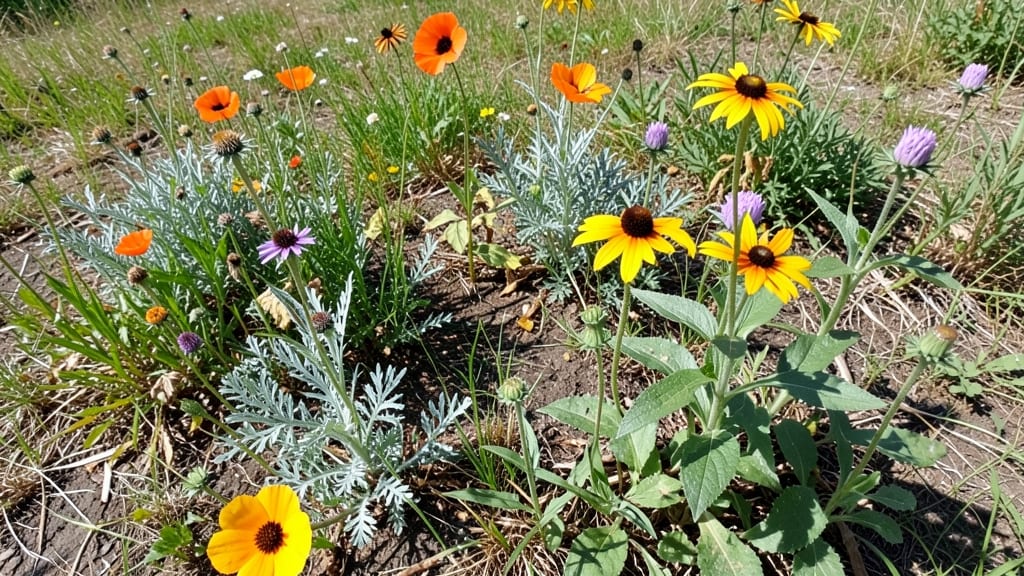
Frost-resistant wildflower seeds transform your Pacific Northwest garden into a vibrant, low-maintenance haven that thrives through winter rains and cool summers. 🌿 I’ve grown these tough beauties for years, and the secret lies in choosing native varieties like yarrow, checkermallow, and Pacific coast iris—plants that not only survive but explode with color when spring arrives.
The best part? You don’t need fancy equipment or endless hours of prep. A simple rake, a sunny spot, and a light sprinkle of seeds in early fall or spring is all it takes.
These wildflowers handle our region’s damp soils better than many ornamentals, and they’ll reward you with blooms from early spring through late summer—no fuss, no chemicals, just pure, pollinator-friendly beauty.
Imagine your garden buzzing with bees by May, butterflies sipping nectar from June to September, and those stubborn winter winds softened by swaying stems and delicate petals. The best varieties even self-seed, so once established, your wildflower meadow becomes self-sustaining.
Ready to turn that patch of grass into a thriving ecosystem? Let’s get those seeds in the ground.
Whether you’re working with a sunny meadow, a shady woodland edge, or even a small container, these frost-loving wildflowers adapt effortlessly. The key is timing—plant in fall for early blooms next year, or wait until spring for a burst of color by summer.
Either way, you’ll end up with a garden that’s as resilient as it is stunning.
📚 In This Guide
- What you need
- Instructions
- Tips and common mistakes
- Wrapping up and next steps
What you need
- ● Wildflower seeds: Choose Pacific Northwest frost-resistant varieties like Lupine, Yarrow, Checker Mallow, or Pacific Coast Iris. Aim for 1-2 lbs per 1,000 sq ft for a lush meadow.
- ● Garden soil: Well-draining, slightly acidic soil (pH 6.0-7.0). Amend with compost if your soil is heavy or clay-like.
- ● Watering can or hose: With a gentle spray nozzle to avoid disturbing seeds.
- ● Garden rake: For leveling soil and creating a fine seedbed (avoid clumps).
- ● Garden gloves: To protect your hands while handling seeds and soil.
- ○ Optional: Seedling trays (if starting indoors).
- ● Mulch (straw or wood chips) to retain moisture and suppress weeds.
- ● Row markers or flags to track seed placement.
- ● Sunlight: Most PNW wildflowers thrive in full sun (6+ hours/day). Test your garden’s light exposure before planting.
- ● Timing: Plant seeds in early spring (March-April) or late summer (August-September) for best frost resilience.
- ● Weather check: Avoid planting during rain or wind to prevent seed displacement.
Step-by-Step guide to planting frost-resistant wildflower seeds in the Pacific Northwest
Here's how to create a thriving wildflower meadow that survives the region's wet winters and cool summers.
🌱 Step 1: Prepare the Soil for Optimal Germination
Clear your planting area of weeds and debris, then loosen the top 2-3 inches of soil with a rake or hoe. The Pacific Northwest's dense clay soils need extra aeration to let roots establish. I like to work the soil when it's slightly damp—it crumbles easily and won't stick to tools. Add a thin layer of compost if your soil is particularly heavy or compacted.
For larger meadow areas, consider using a mechanical aerator to create furrows 1/4 inch deep—this is perfect for scattering tiny wildflower seeds. The key here is to avoid disturbing the soil too deeply; wildflower roots are often shallow and delicate. Once prepped, let the soil settle for a day before planting to prevent seeds from washing away during the region's frequent spring rains.
💧 Step 2: Scatter Seeds Strategically for Natural Spread
Wildflower seed mixes contain varying sizes, so I use a seed spreader for even distribution. Walk in a grid pattern, overlapping passes slightly to avoid bare spots. For 4 square feet of area, use about 1/4 pound of seed mix—this density gives you the best chance of establishing a diverse meadow. After scattering, lightly press seeds into the soil with a board or rake to ensure good soil contact.
Don't cover seeds with more than 1/8 inch of soil—most wildflower seeds need light to germinate. The Pacific Northwest's cool, moist climate means seeds can take 2-4 weeks to sprout. Keep the area moist but not soggy during this time, watering gently with a sprinkler or soaker hose. You'll see the first tiny green shoots when the soil temperature reaches 50°F—watch for this as your signal to reduce watering.
☀️ Step 3: Establish Maintenance Routine for First-Growth Season
Once seedlings reach 2-3 inches tall, reduce watering to once weekly unless we have a prolonged dry spell. The Pacific Northwest's summer droughts can stress young plants, so I always check soil moisture by feeling the top inch—if it's dry, that's your cue to water. Avoid overhead sprinkling after germination to prevent fungal diseases common in our damp climate.
Let the flowers go to seed in their first year—they'll produce more seeds than you can scatter by hand. In late fall, cut back the plants to 2 inches above ground level to prevent seed drop and improve next year's growth. This is also when I add a 1-inch layer of mulch (like straw) to protect emerging seedlings from winter rains and frost. The mulch will break down naturally, enriching the soil for next season.
⏰ Step 4: Plan for Long-Term Meadow Care and Expansion
By the second year, your wildflower meadow should be well-established. I recommend mowing in early summer before seeds form to control spread and maintain diversity. Set your mower to 4-6 inches to leave enough foliage for photosynthesis while keeping the area tidy. Avoid fertilizing—wildflowers thrive in poor soil and need minimal nutrients to maintain their natural beauty.
For larger areas, consider planting in stages over 2-3 years to create a more natural, layered look. Each year, add new seed mixes to fill gaps and introduce different species. The Pacific Northwest's frost-resistant varieties will reward you with vibrant blooms from early spring through fall, attracting pollinators and creating a sustainable ecosystem right in your yard.
Tips & tricks for perfect Pacific Northwest wildflower meadows
Creating a thriving wildflower meadow in our region's challenging climate takes a few smart strategies—and I've learned these the hard way after watching seeds wash away or struggle to establish.
Soil Prep Secret: In Step 1, when loosening that top 2-3 inches, focus on creating a fine, crumbly texture rather than breaking up large clumps. The Pacific Northwest's clay soils can become compacted again quickly, so I like to add a handful of sand to the compost mix—this improves drainage while still providing nutrients. For rocky areas, use a garden fork to gently lift rocks rather than force them out, which can damage shallow wildflower roots.
Timing Tip for Seed Scattering: Step 2 mentions using 1/4 pound of seed mix for 4 square feet, but here's what nobody tells you: scatter seeds on a calm, overcast day. Windy conditions can blow seeds away before they have a chance to establish. I've also found that planting in late summer (August-September) gives seeds a head start before winter rains arrive—this is when our region's frost-resistant varieties really shine.
Watering Wisdom: The 2-4 week germination window in Step 2 can be tricky with our unpredictable weather. I've discovered that using a soaker hose set on a timer for 10 minutes twice daily keeps soil consistently moist without creating puddles. Once you see those first shoots at 50°F soil temperature, switch to watering only when the top inch feels dry—this prevents fungal issues that thrive in our damp climate.
Mulch Makeover: That 1-inch layer of mulch in Step 3 is gold, but here's my upgrade: use straw instead of wood chips. Straw breaks down more slowly, providing longer-term protection against winter rains while still allowing water to penetrate. I also create small "mulch donuts" around each plant cluster—this keeps moisture right where it's needed without smothering the young seedlings.
Pro Tips for Wild Flowers Seeds
- Creating a thriving wildflower meadow in our region's challenging climate takes a few smart strategies—and I've learned these the hard way after watching seeds wash away or struggle to establish.
- Soil Prep Secret: In Step 1, when loosening that top 2-3 inches, focus on creating a fine, crumbly texture rather than breaking up large clumps.
- Timing Tip for Seed Scattering: Step 2 mentions using 1/4 pound of seed mix for 4 square feet, but here's what nobody tells you: scatter seeds on a calm, overcast day.
Frequently asked questions
When is the best time to plant wildflower seeds in the PNW?
The ideal window is late summer to early fall (August–October) for frost-resistant varieties. This gives seeds time to germinate before winter, while avoiding summer drought. For spring blooms, sow in late winter or early spring (February–March), but protect seedlings from late frosts.
How much water do wildflower seeds need after planting?
Keep soil consistently moist (not soggy!) for the first 2–3 weeks. After germination, reduce watering to once a week (or when soil feels dry 1 inch deep). Native PNW wildflowers thrive with less water once established—mimic natural rainfall patterns to avoid overwatering.
Can I plant wildflower seeds in shaded areas?
Most PNW wildflowers prefer full sun (6+ hours/day), but some shade-tolerant varieties like Pacific bleeding heart (Dicentra formosa) or sword fern (Polystichum munitum) work in partial shade. For full shade, opt for wild ginger (Asarum caudatum) or salal (Gaultheria shallon)—though blooms may be sparser.
Will deer or rabbits eat my wildflowers before they bloom?
Yes! Deer and rabbits adore tender seedlings. Protect young plants with chicken wire cages or repellents like hot pepper spray. Once established (after 2–3 months), most wildflowers become less appealing. For extra defense, choose toxic or bitter-tasting varieties like lupine (Lupinus spp.) or yarrow (Achillea millefolium).
What if my wildflowers don’t grow? Troubleshooting tips
No germination?
Check seed viability (test a few in damp paper towel) or ensure soil temps are 50–70°F.
Sparse blooms?
Thin seedlings to 12–18 inches apart for better airflow/nutrients.
Weeds taking over?
Hand-pull early or use mulch (straw or wood chips) to suppress weeds.
Frost damage?
Most PNW natives are hardy, but young shoots may need light row covers in harsh winters.
Pro tip: Patience is key! Many wildflowers take 2–3 years to reach full bloom—but the wait is worth it for a low-maintenance, pollinator-friendly meadow.
Wrapping up and next steps
Transforming your Pacific Northwest garden with wildflower seeds is easier—and more rewarding—than you think! These frost-resistant varieties not only thrive in your climate but also bring vibrant color, wildlife support, and low-maintenance beauty to your outdoor space.
Whether you're a seasoned gardener or a curious beginner, now is the perfect time to start sowing.
Ready to take the next step? Grab your seeds, pick a sunny spot, and let nature do the rest! 🌸 Start small with a wildflower patch or go bold with a full meadow—your garden (and pollinators) will thank you.