
Flowers
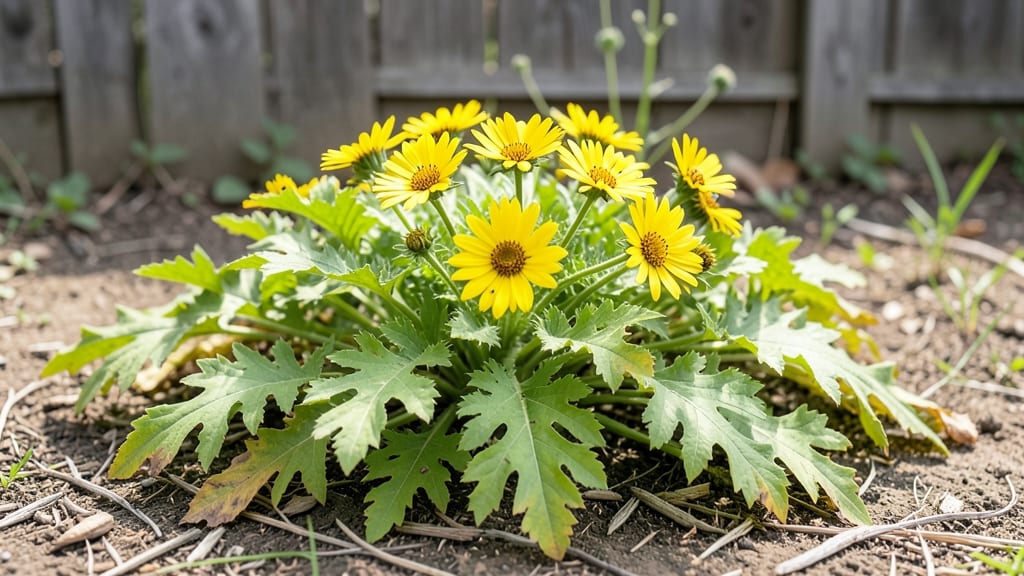
Growing Berlandiera lyrata, the chocolate flower, is like inviting a Pacific Northwest native to your garden—it thrives where others falter. 🌿 This hardy perennial, with its velvety foliage and rich, cocoa-scented blooms, is the secret weapon for attracting hummingbirds even after the first frost.
Unlike fussy annuals, it returns year after year, rewarding patience with fragrant, deep amber flowers that smell like a warm cup of cocoa.
Here’s the beauty of it: Berlandiera lyrata asks for almost nothing in return. It’s happy in full sun to partial shade, tolerates poor, dry soil, and even handles light frosts—making it perfect for Pacific Northwest gardens where other tender perennials struggle.
The key is mimicking its natural habitat: well-draining soil and minimal fuss. Once established, it spreads gently, creating a lush ground cover that hummingbirds can’t resist.
You’ll know you’ve done it right when your garden becomes a hummingbird hotspot, with these chocolate-scented blooms drawing in pollinators from dawn till dusk. The foliage stays fragrant even when not in bloom, adding a subtle, earthy aroma to your garden.
Best of all, it’s drought-tolerant once rooted, so watering becomes a non-issue after the first growing season.
Whether you’re filling a sunny border, repairing a slope, or simply want a low-maintenance perennial that hummingbirds adore, this is the plant for you. Let’s get it growing—your garden (and the hummingbirds) will thank you.
📚 In This Guide
- What you need
- Instructions
- Tips and common mistakes
- Wrapping up and next steps
What you need
- ● Berlandiera lyrata seeds – 10–20 seeds (or 1–2 young plants from a nursery). Look for organic, non-GMO seeds for best results.
- ● Well-draining potting mix – 2–3 gallons (or enough to fill your chosen containers). Use a blend of 50% cactus/succulent mix and 50% perlite or coarse sand for optimal drainage.
- ● Containers or garden bed – For pots: 5–7 inch diameter containers (at least 2–3 per seedling). Ensure they have drainage holes!
- ● For in-ground planting: A sunny spot with 6+ hours of sunlight daily and sandy, well-drained soil (amend clay soil with compost/sand).
- ○ Slow-release fertilizer – 1–2 tbsp of a balanced, low-nitrogen fertilizer (e.g., 5-5-5 or 10-10-10). Optional but helpful for faster growth.
- ● Basic gardening tools – Trowel or small hand shovel
- ● Spray bottle (for misting seeds)
- ○ Gloves (optional but recommended)
- ● Watering can or spray nozzle – A gentle spray setting is ideal for seedlings.
- ○ Grow lights (optional) – If starting indoors before the last frost, a full-spectrum LED grow light (12–16 hours/day) helps seedlings thrive.
- ○ Mulch (optional) – A thin layer of gravel or fine pebbles around plants to retain moisture and deter weeds.
- ○ Hummingbird feeder (optional but fun!) – Place near mature plants to attract pollinators and enjoy the show! 🐦⬛💖
- ● Start seeds indoors 6–8 weeks before the last frost (typically late February–March).
- ● Transplant outdoors after soil warms to 50°F+ (late April–May in most PNW regions).
- ● Mature plants can handle light frosts but may need mulch or row covers in harsh winters.
Step-by-Step instructions for growing Berlandiera lyrata chocolate flowers
This hardy perennial thrives with minimal fuss—here’s how to coax its velvety blooms and attract hummingbirds year after year.
🌱 Step 1: Choose the Perfect Planting Spot
Berlandiera lyrata adores full sun and well-draining soil, making it a perfect fit for the Pacific Northwest’s climate. Select a location receiving at least 6-8 hours of direct sunlight daily—even partial shade can result in fewer blooms. The plant tolerates a range of soil types but performs best in slightly alkaline conditions, which you can achieve by adding a handful of crushed limestone to the soil if yours leans acidic.
I always test the soil first with a simple pH kit—aim for a range of 6.5-7.5. If your garden soil is heavy clay, mix in 2-3 inches of compost and a generous layer of coarse sand or perlite to improve drainage. Poor drainage leads to root rot, and this plant won’t tolerate soggy feet. Amend the soil in a 12-inch diameter circle around your planting site to ensure roots have room to spread.
🌿 Step 2: Plant at the Right Time and Depth
Spring is the ideal time to plant Berlandiera lyrata in the Pacific Northwest, once soil temperatures reach at least 50°F. Dig a hole twice as wide as the root ball but only as deep—planting too deep suffocates the roots. Gently remove the plant from its container and loosen any circling roots with your fingers. This encourages outward growth rather than a tangled mess.
Place the plant in the hole and backfill with native soil, pressing lightly around the base to eliminate air pockets. Water deeply to settle the soil and encourage root contact. Mulch with 2-3 inches of organic mulch (like straw or wood chips) to retain moisture and regulate soil temperature. Avoid piling mulch directly against the stem—keep it 2 inches away to prevent rot.
☀️ Step 3: Water and Fertilize for Optimal Growth
Berlandiera lyrata is drought-tolerant once established, but young plants need consistent moisture to root well. Water deeply once a week during the first growing season, providing about 1 inch of water per week. Check soil moisture by sticking your finger 2 inches deep—if it feels dry, it’s time to water. Overwatering is the biggest mistake here; this plant despises soggy conditions.
Fertilize lightly in early spring with a balanced, slow-release fertilizer (10-10-10 ratio). Apply only half the recommended dose—too much nitrogen promotes leafy growth at the expense of those prized chocolate-scented blooms. I skip fertilizer after the first year unless the plant looks particularly weak. Berlandiera lyrata is a low-maintenance beauty that rewards patience over pampering.
✂️ Step 4: Prune and Deadhead for Continuous Blooms
Pruning encourages bushier growth and prolongs the flowering season. After the first flush of blooms fades, cut back spent stems to just above a set of healthy leaves. This redirects the plant’s energy into producing more flowers rather than seeding. I always use clean, sharp pruners to avoid tearing the stems—ragged cuts invite disease.
Deadhead regularly throughout the season by snipping off individual spent blooms at the base. This not only keeps the plant looking tidy but also signals the plant to produce more flowers. Berlandiera lyrata blooms prolifically from early summer through fall, so you’ll have plenty of opportunities to trim. In late fall, cut back the entire plant by one-third to promote fresh, vigorous growth in spring.
🪴 Step 5: Overwinter for Next Year’s Blooms
The Pacific Northwest’s frost isn’t a problem for Berlandiera lyrata—this plant is hardy down to Zone 4. However, a little winter prep ensures it returns stronger each year. In late fall, apply a 2-inch layer of mulch around the base of the plant to insulate the roots. This protects against temperature swings and keeps the soil moist during winter’s dry spells.
Resist the urge to prune back heavily in fall—leave the stems intact to provide some insulation. In early spring, remove the old mulch and add fresh compost to replenish nutrients. Berlandiera lyrata is a perennial that rewards long-term care, and with minimal winter attention, it’ll burst into bloom year after year. The chocolate-scented flowers will have hummingbirds flocking to your garden by mid-summer, and you’ll know you’ve done it right.
Tips & tricks for perfect Berlandiera lyrata chocolate flower growth
Turn your Pacific Northwest garden into a hummingbird haven with these insider tips that'll make your Berlandiera lyrata thrive like a pro.
Sunlight Secret: While 6-8 hours of direct sunlight is ideal, I've found that morning sun paired with afternoon shade works surprisingly well in hotter microclimates. The plant's velvety leaves actually protect the roots from overheating during those intense afternoon rays. Just avoid complete shade—those chocolate-scented blooms need their full sun fix to develop properly.
Soil Science: The 6.5-7.5 pH range is crucial, but don't stress about perfect measurements. I've successfully grown these with pH as low as 6.0 by adding extra crushed limestone (about 1/2 cup per plant) and monitoring the soil's response over a few weeks. The key is consistency—once you hit that sweet spot, maintain it with annual compost additions. Heavy clay soil? Mix in perlite at a 1:1 ratio with compost for that perfect drainage.
Planting Precision: That twice-as-wide hole in Step 2 is non-negotiable, but here's the pro move: loosen the native soil around the edges of the hole before planting. This creates a natural transition zone that encourages roots to spread outward rather than circling the root ball. I also make it a point to water the plant thoroughly right after planting—this helps settle the soil and eliminates air pockets that could suffocate new roots.
Watering Wisdom: The once-a-week rule works for most Pacific Northwest gardens, but I've learned to adjust based on rainfall. After a heavy rain week, I'll skip watering entirely and check soil moisture at the 2-inch mark. If it's still damp, the plant is telling you it's happy. For container-grown Berlandiera lyrata, you'll need to water every 3-4 days during summer—those pots dry out much faster than garden soil.
Pro Tips for Berlandiera Lyrata Chocolate Flower
- Turn your Pacific Northwest garden into a hummingbird haven with these insider tips that'll make your Berlandiera lyrata thrive like a pro.
- Sunlight Secret: While 6-8 hours of direct sunlight is ideal, I've found that morning sun paired with afternoon shade works surprisingly well in hotter microclimates.
- Soil Science: The 6.5-7.5 pH range is crucial, but don't stress about perfect measurements.
Frequently asked questions
How cold-hardy is Berlandiera lyrata in the Pacific Northwest?
The chocolate flower thrives in USDA Zones 5–9, making it perfect for PNW gardens! While it tolerates light frosts (down to 10°F/-12°C), mulch its roots in winter for extra protection. Young plants may need winter blankets in colder microclimates.
When is the best time to plant Berlandiera lyrata seeds?
Sow seeds indoors 8–10 weeks before last frost (early spring) or directly outdoors after soil warms to 60°F/15°C (late spring). Germination takes 14–21 days—keep soil consistently moist but not soggy. For faster results, try rooting cuttings in summer!
Why isn’t my chocolate flower blooming?
Blooms may lag due to poor light (needs full sun), over-fertilizing (use low-phosphorus feed), or immature plants (first-year seedlings focus on roots). Deadhead spent blooms to encourage more flowers, and ensure well-draining soil—Berlandiera lyrata hates soggy feet!
Can I grow Berlandiera lyrata in containers?
Use a 5–7 gallon pot with drainage holes and a fast-draining mix (cactus/succulent soil works). Place in full sun and water only when soil is dry. Container-grown plants may bloom earlier and attract more pollinators—just repot every 2–3 years.
What are some low-maintenance alternatives to chocolate flowers?
If Berlandiera lyrata seems high-maintenance, try these PNW-friendly perennials:
- Penstemon spp. (beard tongues): Drought-tolerant, hummingbird magnets.
- Echinacea purpurea (coneflower): Thrives in poor soil, long bloom season.
- Gaillardia aristata (blanket flower): Heat-loving, self-seeds easily.
- Lavandula spp. (lavender): Fragrant, deer-resistant, and pollinator-friendly.
Wrapping up and next steps
Growing Berlandiera lyrata, or chocolate flower, is a rewarding journey that brings beauty, fragrance, and a buzzing hummingbird haven to your Pacific Northwest garden—without the fuss of frost-sensitive blooms! 🌿 With its hardy nature and minimal care needs, this sun-loving perennial is perfect for both beginners and seasoned gardeners alike.
Whether you’re drawn to its velvety petals, chocolatey scent, or the joy of attracting pollinators, now’s the time to plant your seeds or cuttings and watch your garden transform.
Ready to dive in? Start by prepping your soil this weekend—then, in just a few months, you’ll be sipping tea under a canopy of fragrant blooms. Happy gardening! 🌸