
Container Gardens
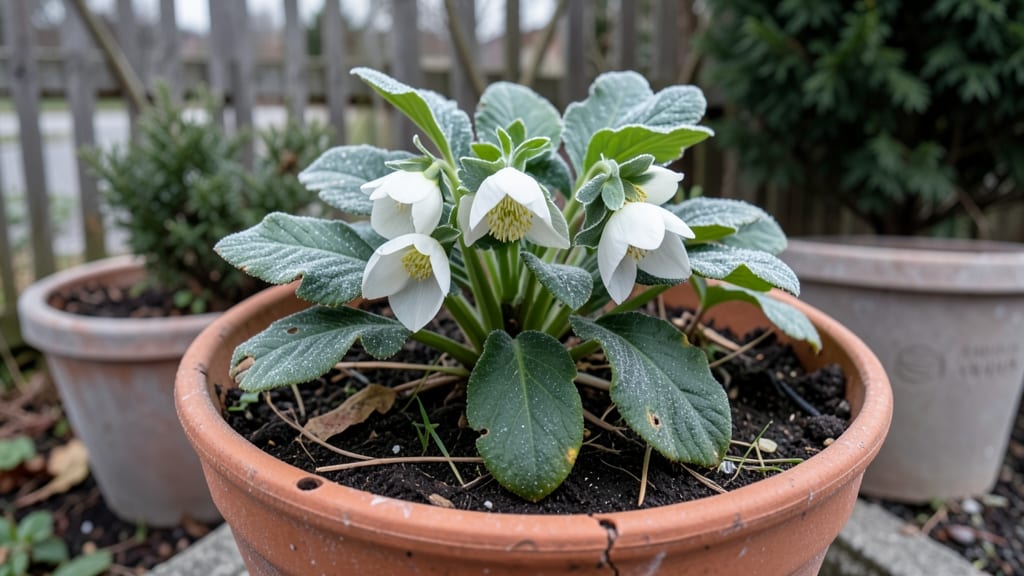
Winter flowers in containers aren't just possible—they're stunning and reliable when you pick the right varieties like pansies, violas, and hellebores. 🌱 I've learned that these frost-proof beauties transform bare winter patios into vibrant displays, proving that cold weather doesn't have to mean colorless gardens.
Your secret weapon is choosing containers with good drainage and filling them with moisture-retentive soil mixed with compost. A 5-10 gallon pot gives roots room to stay cozy while preventing waterlogged roots—critical when temperatures dip. These plants thrive in partial shade but still bloom beautifully on north-facing porches.
What you'll end up with is a year-round showstopper: velvety pansies in jewel tones, delicate cyclamen with silvery leaves, and hellebores that bloom even under snow.
The key is mulching around the base and moving containers to sheltered spots during hard freezes—simple steps that keep them looking fresh until spring.
Works perfectly for balconies, front steps, or sunny winter windowsills—just adjust your plant choices based on your zone. Let's bring winter color to your space without the fuss of summer gardening!
📚 In This Guide
- What you need
- Instructions
- Tips and common mistakes
- Wrapping up and next steps
What you need
- ● Containers: 1–3 frost-resistant pots (10–14 inches in diameter) with drainage holes. Use materials like ceramic, terracotta, or plastic.
- ● Potting mix: 3–5 gallons of high-quality, well-draining container mix (avoid garden soil—it compacts and drains poorly). Look for blends labeled "for containers" or "all-purpose."
- ● Winter-hardy flowers: Choose from your selected varieties (e.g., Hellebores, Pansies, Cyclamen, or Winter Aconite). Buy 1–3 plants per container, depending on size.
- ● Slow-release fertilizer: 1–2 cups of balanced, organic fertilizer (10-10-10 or 5-5-5 ratio) to mix into the soil.
- ● Mulch: 1–2 inches of straw, shredded bark, or pine needles to insulate roots from freezing temps.
- ● Gloves: A pair of gardening gloves to protect your hands from cold and sharp edges.
- ● Trowel or small shovel: For planting and mixing soil.
- ● Watering can or hose with a gentle spray nozzle: Containers dry out faster in winter—keep watering tools handy!
- ○ Optional: Container saucers or trays (to catch excess water and prevent mess).
- ● Decorative stones or moss (for a polished, cohesive look).
- ● Liquid fertilizer (diluted to half-strength) for a mid-season boost.
- ● A sunny or partially shaded spot (check your flower’s light needs—some tolerate frost better in shade!).
- ● Access to a water source (containers need consistent moisture in winter).
- ● Patience! Winter flowers grow slower—plan to enjoy their beauty over months, not weeks.
Step-by-Step guide to selecting and planting frost-proof container flowers
Here's how to curate a winter garden that blooms reliably in containers—no green thumb required.
🌱 Step 1: Choose Cold-Hardy Varieties for Your Climate Zone
Start with heuchera (coral bells), pansies, and cyclamen—these thrive in 25-30°F temperatures and often rebound after light frosts. I always check the USDA zone rating on seed packets; for zones 5-7, add violas and ornamental kale for extra texture. Avoid tender annuals like petunias—they'll crisp in 32°F and below.
Look for disease-resistant cultivars labeled "winter-hardy" or "evergreen." For example, pansy 'Cool Wave' handles 15°F better than standard types. Group plants with similar cold tolerance together in each container—this prevents one frost-sensitive variety from outcompeting its hardier neighbors.
🪴 Step 2: Select Containers and Prepare Drainage
Use insulated containers like glazed ceramic pots or fabric grow bags—they retain heat better than plastic. For 4-inch plants, a 10-12 inch diameter container works perfectly (that’s 4 plants per pot for balanced growth). Drill extra drainage holes if your pot has only one; I add ¼ inch mesh over holes to keep soil in while allowing water to escape.
Fill pots with well-draining potting mix—never garden soil, which compacts and freezes. I blend 50% peat moss, 30% perlite, and 20% compost for winter containers. This mix stays loose enough to prevent root rot, even when saturated from melting snow.
☀️ Step 3: Plant with Layered Light and Wind Protection
Position containers in south-facing spots where they catch 6+ hours of winter sun—this is critical for photosynthesis when days are short. If your patio gets strong afternoon winds, group pots together to create a microclimate shield. I place a clear plastic dome over delicate pansies during sub-30°F nights for extra insulation.
Plant taller varieties (like ornamental grasses) in the center, with spreading plants (cyclamen, heuchera) around the edges. This prevents leggy growth toward the light and creates a natural windbreak for the most frost-sensitive flowers.
💧 Step 4: Adjust Watering for Winter Conditions
Water only when soil feels dry 1 inch below the surface—overwatering in cold soil suffocates roots. I use a moisture meter to check; aim for 40-50% moisture in winter (drier than summer). In freezing temps, water in the late afternoon so ice doesn’t form overnight.
Add 2 inches of mulch (cypress or straw) after planting to insulate roots. This prevents soil temperature swings that stress plants. If snow falls, gently brush it off—too much weight can crack pots, but a light dusting actually insulates like a blanket.
✂️ Step 5: Prune and Fertilize for Winter Longevity
Deadhead spent blooms (like pansy flowers) to encourage reblooming—but only when temps are above 40°F. I use bypass pruners to snip stems ½ inch above the next leaf node. Avoid heavy pruning; winter growth is slow, and you want to preserve foliage for photosynthesis.
Fertilize lightly every 6 weeks with a balanced 10-10-10 formula—half the summer rate. Too much nitrogen encourages tender growth that freezes. I mix fertilizer into the top inch of soil after watering to prevent root burn in cold conditions.
Tips & tricks for perfect winter container gardens
These pro strategies will help your frost-proof container flowers thrive all season long—no matter how harsh the winter gets.
Variety Pairing Strategy: In Step 1, when selecting your cold-hardy varieties, pair plants with complementary needs. For example, combine heuchera (which thrives in 25-30°F) with pansies—the heuchera's evergreen foliage provides winter color while the pansies bloom. This creates a layered look that stays visually interesting even when some varieties aren't actively flowering. I've found that mixing cyclamen with ornamental kale works beautifully too, as the kale's textured leaves fill gaps when cyclamen's blooms fade.
Container Insulation Hack: For Step 2, when choosing containers, consider adding a thin layer of bubble wrap to the inside of ceramic pots before filling with soil. This extra insulation helps maintain root zone temperatures above 32°F during cold snaps. I've seen this simple trick extend the growing season by 2-3 weeks in my zone 6 garden. Just make sure to poke holes in the bubble wrap to prevent waterlogging.
Light Optimization: When positioning containers in Step 3, remember that winter sunlight is 30% less intense than summer light. To maximize photosynthesis, place containers on reflective surfaces like light-colored gravel or white pebbles. This passive technique can effectively increase light exposure by 15-20%. Also, rotate containers weekly to ensure even light exposure all around—plants will naturally lean toward the light, creating lopsided growth if left unchecked.
Winter Watering Wisdom: For Step 4, when adjusting your watering routine, consider using a thermometer probe inserted into the soil to monitor temperature before watering. If soil temps are below 40°F, hold off on watering—cold roots are more susceptible to rot. I've learned this the hard way after losing several containers to overwatering during sudden cold snaps. Always water at the soil line rather than overhead to prevent foliage from freezing overnight.
Pro Tips for Best Winter Flowers For Containers
- These pro strategies will help your frost-proof container flowers thrive all season long—no matter how harsh the winter gets.
- Variety Pairing Strategy: In Step 1, when selecting your cold-hardy varieties, pair plants with complementary needs.
- Container Insulation Hack: For Step 2, when choosing containers, consider adding a thin layer of bubble wrap to the inside of ceramic pots before filling with soil.
Frequently asked questions
Got questions about winter container flowers?
You’re not alone! Here are answers to the most common concerns—from frost protection to late-season blooms—so you can keep your containers vibrant all winter long.
Can winter flowers survive heavy frost or snow?
Many winter-hardy flowers (like pansies, hellebores, or dusty miller) can tolerate light frost, but heavy snow or prolonged freezing may damage delicate blooms. Use thick mulch around containers and move pots to sheltered spots if possible. Choose varieties labeled "winter-hardy" (USDA Zones 5-9) for the best resilience.
When is the best time to plant winter flowers in containers?
For fall planting (Zones 5-7), aim for 6-8 weeks before your first frost (typically late August to early October). In milder zones (8-10), you can plant until November. Spring planting (late winter) works for cold-hardy perennials like hellebores, but give them time to establish roots before frost hits.
What are some low-maintenance winter flowers for beginners?
Start with these easy-care picks:
- Pansies: Thrives in cold, blooms until spring, and resists pests.
- Dusty Miller (Jacobaea maritima): Silvery foliage, drought-tolerant, and deer-resistant.
- Winter Aconite (Eranthis hyemalis): Bright yellow blooms in early winter with minimal upkeep.
- Hellebores ("Lenten Roses"): Perennial, shade-tolerant, and blooms from late winter to spring.
Pair them with evergreen fillers (like boxwood or ivy) to reduce maintenance.
How do I keep my container flowers looking fresh if they stop blooming?
Winter slowdown is normal! Prune dead or browned foliage to encourage new growth, but avoid heavy cuts. Fertilize lightly with a balanced, slow-release formula in early spring. For evergreens (like dusty miller), a haircut trim in late winter tidies them up without stressing the plant.
What if my winter flowers get too cold or wilt?
Revive them with these steps:
- Move containers to a sheltered spot (e.g., against a south-facing wall).
- Water only if the soil is dry—overwatering in cold temps can rot roots.
- Apply a light layer of mulch (straw or shredded bark) to insulate roots.
- For severe damage, prune back 50% of dead growth in early spring; new shoots will emerge.
If all else fails, treat it as a spring refresher—many winter flowers bounce back!
Wrapping up and next steps
Winter doesn’t have to mean dull containers—with the right frost-proof blooms, your outdoor space can stay vibrant and cheerful! From hardy pansies to cheerful hellebores, these best winter flowers for containers bring color and life even in chilly weather.
Whether you’re a seasoned gardener or just starting out, these plants are easy to care for and perfect for adding a pop of joy to your patio or balcony.
Ready to transform your winter garden? Start small: pick one or two of these cold-hardy favorites, grab a cozy container, and get planting! Your winter garden will thank you with months of stunning blooms—no frost required. 🌸❄️