
Flowers
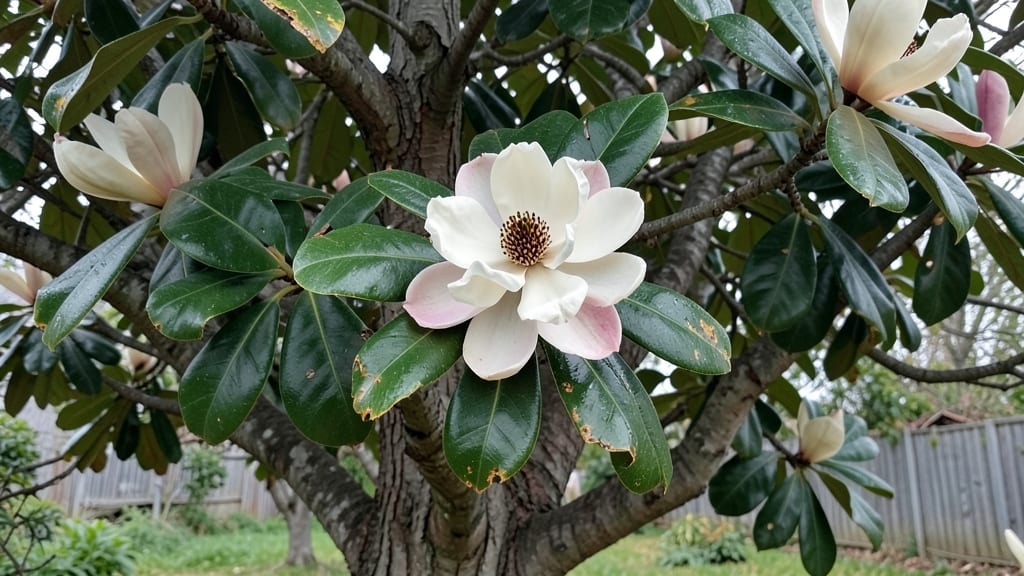
Growing magnolia flowers in Louisiana means embracing the state’s natural rhythm—where humidity and heat actually work with you, not against you. 🌿 I’ve watched my Southern magnolia stand tall through hurricanes, its glossy leaves unfazed, and its creamy blooms arriving like clockwork every spring.
The key? Planting when the soil warms to 60°F (usually late February or March) and choosing varieties that thrive in our sticky summers.
You’ll need well-draining soil—Louisiana’s clay can be tricky, so mix in 2-3 inches of compost before planting—and a spot with partial shade (morning sun, afternoon relief). Sweetbay magnolias handle wet feet better than Southern magnolias, making them ideal for rainier areas.
Water deeply once a week after establishment, but let the roots breathe between soakings; soggy soil is the enemy of these Southern beauties.
By summer’s end, you’ll have a tree that’s disease-resistant, pest-proof (thanks to those thick leaves), and dripping with fragrance that perfumes the whole yard. Prune only to shape—never to "encourage blooms," since magnolias flower on old wood.
The real magic? Watching those football-sized blooms open in April, smelling like a Southern spring long before the azaleas even think about waking up.
Works for city yards, rural homesteads, or even large containers—just pick the right variety for your space. Let’s get that magnolia planted before the heat sets in for good.
📚 In This Guide
- What you need
- Instructions
- Tips and common mistakes
- Wrapping up and next steps
What you need
- ● Magnolia plants: Choose between container-grown (1-3 gallon pots) or bare-root seedlings. Popular Louisiana varieties include Magnolia grandiflora (Southern magnolia), Magnolia virginiana (Sweetbay), or Magnolia stellata (Star magnolia) for smaller spaces.
- ● Well-draining soil: 5-10 bags of organic garden soil mix (e.g., Miracle-Gro Garden Soil) or native Louisiana loam amended with 2-3 inches of compost.
- ● Mulch: 2-3 cubic feet of pine straw or cypress mulch (Louisiana’s native choice!) to retain moisture and regulate temperature.
- ● Fertilizer: Slow-release 10-10-10 NPK fertilizer (1 lb per tree) or Magnolia-specific fertilizer (e.g., Espoma Holly-Tone).
- ● Pruning tools: 1 pair bypass pruners (for small branches).
- ● 1 pruning saw (for thicker stems).
- ● 1 sterilizing solution (e.g., rubbing alcohol) to prevent disease.
- ● Watering supplies: 1 hose with adjustable nozzle or drip irrigation kit (for deep watering).
- ● 5-gallon watering can (for young seedlings).
- ○ Staking (optional but recommended for young trees): 2-3 3-foot wooden stakes + tree ties.
- ● Sunlight: Full sun (6+ hours/day) for most magnolias, though M. virginiana tolerates partial shade.
- ● Spacing: 15-20 feet apart for large varieties (e.g., M. grandiflora).
- ● 8-10 feet for smaller types (e.g., M. stellata).
- ● pH Level: Slightly acidic soil (pH 5.0–6.5). Test with a soil pH kit and amend with sulfur if needed.
- ● Timing: Plant bare-root trees in late fall/winter (Dec–Feb) or container-grown trees in early spring (Feb–March) to avoid Louisiana’s heat stress.
- ● Soil aerator (to improve drainage in heavy clay soil).
- ● Tree guards (to protect young trunks from critters).
- ● Floral wire or twine (for shaping branches during pruning).
- ● Louisiana-native companion plants: Camellias, azaleas, or hydrangeas for a cohesive garden look.
Step-by-step guide to planting and caring for Louisiana magnolias
Here's how to establish these stately trees with confidence—focus on soil, spacing, and seasonal timing.
🌱 Step 1: Choose the Right Location and Prepare the Site
Louisiana magnolias thrive in partial shade to full sun, but they tolerate afternoon shade in hotter climates. I always select a spot with at least 6 hours of morning sunlight—this prevents leaf scorch while keeping the canopy lush. The tree's mature size dictates spacing: plant 15-20 feet apart from other trees or structures to allow for their eventual spread.
Before planting, loosen the soil to a depth of 12 inches with a garden fork. Louisiana magnolias prefer well-draining, slightly acidic soil (pH 5.0-6.5). If your soil is heavy clay, mix in 2-3 inches of organic compost or sand to improve drainage. Avoid amending with fresh manure—it can burn roots and disrupt the soil's natural balance.
🪴 Step 2: Plant Bare-Root or Container-Grown Trees at the Right Time
For bare-root specimens, plant in late fall or early winter (November through February) when the tree is dormant. Soak the roots in lukewarm water for 1-2 hours before planting to rehydrate them. Dig a hole twice as wide as the root ball but no deeper—this encourages roots to spread horizontally rather than settling too low, which can suffocate them.
If using a container-grown tree, plant anytime except in extreme heat or frost. Gently remove the tree from its pot and loosen any circling roots with your fingers. Place it in the hole so the top of the root ball sits level with the surrounding soil—never bury the trunk deeper than it was in the nursery pot. Backfill with native soil, tamping lightly to eliminate air pockets.
💧 Step 3: Water Deeply and Mulch to Retain Moisture
Water the tree deeply immediately after planting, soaking the soil to a depth of 12 inches. This helps settle the roots into their new environment. Over the next 2-3 weeks, water 2-3 times weekly (or more in extreme heat) until new growth appears. Louisiana magnolias are drought-tolerant once established, but young trees need consistent moisture to develop strong roots.
Apply a 3-inch layer of organic mulch (like pine straw or shredded bark) around the base, keeping it 6 inches away from the trunk. Mulch conserves moisture, regulates soil temperature, and suppresses weeds. Replenish mulch annually in late winter to maintain its protective layer. Avoid synthetic mulches—they can suffocate roots and disrupt the soil's natural ecosystem.
☀️ Step 4: Prune Strategically for Health and Blooms
Louisiana magnolias bloom on new wood, so prune in late winter or early spring (February to March) before new growth begins. Remove dead, diseased, or crossing branches first—these compete for energy and can spread infections. Cut back to the main trunk or a healthy lateral branch, making clean cuts at a 45-degree angle just outside the branch collar.
For shaping, limit pruning to no more than 25% of the canopy in any single season. Heavy pruning reduces flowering and stresses the tree. I avoid pruning in fall or early winter—this can stimulate late-season growth that’s vulnerable to cold damage. After pruning, apply a fungicide spray (like copper-based) to prevent infections where cuts were made.
⏰ Step 5: Fertilize Sparingly and Monitor for Pests
Louisiana magnolias are not heavy feeders, but young trees benefit from a balanced, slow-release fertilizer (10-10-10) applied in early spring. Scatter ½ cup of granules around the drip line (the edge of the canopy) and water deeply to activate it. Avoid fertilizing in fall or winter—this encourages tender growth that won’t survive cold snaps.
Watch for scale insects, spider mites, or magnolia bark scale, which are common pests. Treat infestations early with neem oil or insecticidal soap, applying in early morning or late evening to avoid harming beneficial insects. If you notice yellowing leaves or wilting, check for root rot—a sign of overwatering or poor drainage. Adjust your watering schedule and improve soil aeration if needed.
Tips & tricks for perfect Louisiana magnolia planting
A few key strategies will help your Louisiana magnolia thrive with minimal effort—focus on these details for long-term success.
Soil Preparation Secret: Louisiana magnolias despise soggy roots, so if your soil is heavy clay, mix in 2-3 inches of organic compost or sand to a depth of 12 inches before planting. I've seen trees struggle when planted directly into unamended clay—this simple step prevents root suffocation. Test your soil's pH first; aim for 5.0-6.5 using a basic soil test kit from your garden center.
Planting Timing Matters: The 1-2 hour root soak before planting bare-root specimens is non-negotiable—it rehydrates roots that may have dried out during shipping. For container-grown trees, avoid planting during extreme heat or frost, as these conditions stress the tree. I've learned this the hard way: planting in summer heat can cause transplant shock even with perfect soil prep.
Watering Wisdom: After planting, water deeply to settle roots, then maintain 2-3 waterings weekly for the first 2-3 weeks—this establishes strong root systems. The key is consistency: let the top 2 inches of soil dry between waterings. Overwatering is the #1 killer of young magnolias, so always check moisture levels with your finger before watering again.
Pruning Precision: When pruning in late winter or early spring, never remove more than 25% of the canopy in one season. Louisiana magnolias bloom on new wood, so aggressive pruning reduces next year's flowers. I always make cuts just outside the branch collar at a 45-degree angle—this promotes faster healing and prevents disease entry points.
Pro Tips for Magnolia Flower Louisiana
- A few key strategies will help your Louisiana magnolia thrive with minimal effort—focus on these details for long-term success.
- Soil Preparation Secret: Louisiana magnolias despise soggy roots, so if your soil is heavy clay, mix in 2-3 inches of organic compost or sand to a depth of 12 inches before planting.
- Planting Timing Matters: The 1-2 hour root soak before planting bare-root specimens is non-negotiable—it rehydrates roots that may have dried out during shipping.
Frequently asked questions
Got questions about growing magnolia flowers in Louisiana? You’re not alone! Here are some of the most common queries—plus quick, expert-backed answers to help you cultivate these stunning Southern beauties with confidence.
When is the best time to plant magnolias in Louisiana?
The ideal window is late fall to early winter (November–January), when soil is cool but not frozen. This gives roots time to establish before Louisiana’s intense summer heat. If you must plant in spring, do it early (February–March) and water deeply to prevent transplant shock.
How long does it take for a magnolia tree to bloom?
Patience is key! Most magnolias take 3–5 years to produce their first flowers after planting. Dwarf varieties (like ‘Little Gem’) may bloom sooner (2–3 years), while larger species (e.g., Southern Magnolia) can take up to a decade. Pro tip: Healthy soil, regular watering, and minimal stress speed up the process!
Do magnolias need a lot of water in Louisiana’s heat?
Newly planted magnolias need 1–2 inches of water weekly (more in extreme heat). Once established (after 2–3 years), they’re drought-tolerant but appreciate deep watering during dry spells. Watch for: Wilting leaves or crispy edges—signs they’re thirsty!
What pests should I watch for in Louisiana magnolias?
Common culprits include:
- Scale insects: Sticky residue on leaves (use horticultural oil).
- Magnolia scale: White bumps on branches (prune and treat with neem oil).
- Spider mites: Yellowing leaves + webbing (spray with water or insecticidal soap).
Prevent issues with mulch (3 inches) and regular inspections.
Can I grow magnolias in containers in Louisiana?
Yes! Dwarf varieties like ‘Teddy Bear’ or ‘Bracken’s Brown Beauty’ thrive in large containers (15+ gallons) with well-draining soil. Use a mix of potting soil + perlite, and move pots to partial shade in peak summer. Warning: Container-grown magnolias need more frequent watering than in-ground plants.
Wrapping up and next steps
Growing magnolia flowers in Louisiana is a rewarding journey that brings timeless Southern beauty to your landscape with surprisingly little effort! These resilient plants thrive in the state’s climate, offering stunning blooms and lush foliage year after year.
Whether you’re a seasoned gardener or just starting out, your magnolia’s journey is just beginning—so grab your gloves and get ready to watch nature’s masterpiece unfold!
🌱 Next step: Pick your favorite variety, find the perfect spot in your yard, and plant with confidence. Before you know it, your garden will be bursting with fragrant, show-stopping magnolias! 🌸