
Flowers
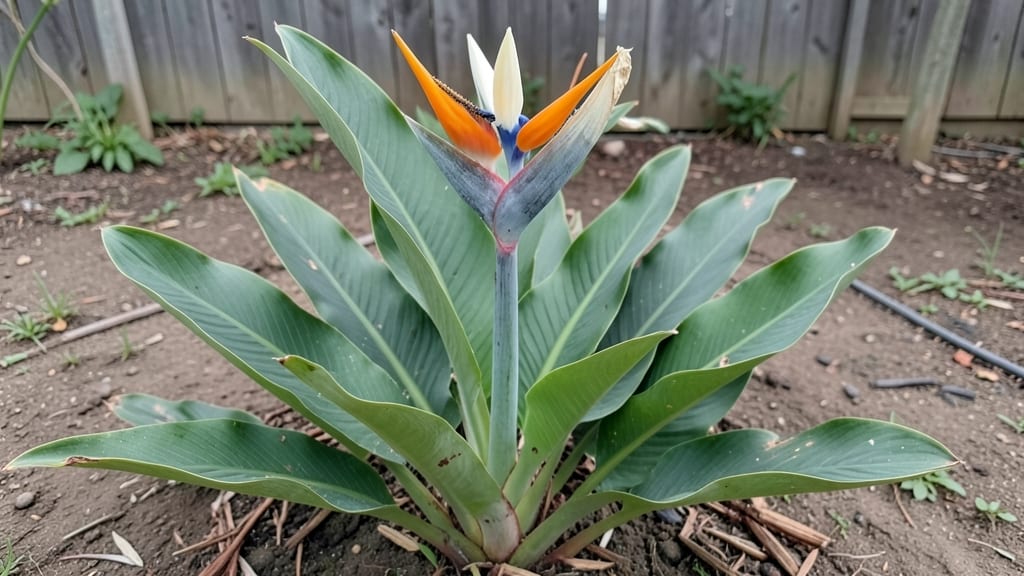
The bird of paradise flower brings bold tropical drama to your Pacific Northwest yard—even when it rains. 🌿 I’ve grown mine through three winters here, and with the right care, it thrives where most tropical plants give up.
The secret lies in mimicking its native South African climate: bright, indirect light and well-draining soil that stays slightly damp but never soggy.
This striking plant needs USDA Zones 9-11 for outdoor survival, but with winter protection (like moving pots indoors or wrapping the trunk), you can push it into Zone 8.
Start with a pot at least 12 inches wide and soil rich in organic matter—think compost mixed with perlite to prevent root rot. Water deeply when the top inch feels dry, but never let it sit in standing water.
By summer, you’ll see those iconic orange-and-blue blooms shooting up like tropical fireworks. The foliage alone is lush and architectural, but the flowers? They’re the showstopper—each one lasts weeks and attracts hummingbirds.
With proper care, your bird of paradise can grow 6-8 feet tall, making it a statement piece in any garden.
Adaptable to containers or in-ground planting, it’s perfect for patios, entryways, or even as a dramatic indoor plant. Just remember: this diva loves warmth, so protect it from frost and drafts. Ready to bring a taste of paradise to your PNW home?
📚 In This Guide
- What you need
- Instructions
- Tips and common mistakes
- Wrapping up and next steps
What you need
- ● Bird of paradis plant: 1 mature plant (3-5 gallons in size) or 1-2 smaller nursery-grown plants (1-gallon pots). Look for healthy, vibrant foliage with no brown or yellow leaves.
- ● Well-draining potting mix: 1 bag (1.5–2 cubic feet) of a high-quality, organic blend (e.g., 60% peat moss or coconut coir, 30% perlite, and 10% compost). Avoid heavy clay soil.
- ● Container or in-ground planting space: For containers: 1 large pot (15–20 gallons) with drainage holes. Terracotta or fiberglass works best for heat retention.
- ● For in-ground: A sunny spot (6+ hours of light) with 6+ feet of vertical space for mature plants. Amend soil with 2–3 inches of compost.
- ● Slow-release fertilizer: 1 bag (10–20 lb) of balanced, organic fertilizer (e.g., 5-5-5 or 10-10-10). Look for one with micronutrients like iron and magnesium.
- ● Mulch: 2–3 bags of organic mulch (e.g., shredded bark or pine needles) to retain moisture and regulate temperature.
- ● Garden gloves: 1 pair (heavy-duty for handling soil and plants).
- ● Trowel or hand shovel: 1 for digging and transplanting.
- ● Watering can or hose with a gentle spray nozzle: 1 for deep watering (avoid overhead spraying to prevent fungal issues).
- ● Pruning shears: 1 pair (sterilized) for trimming dead leaves or stems.
- ○ Soil pH test kit (optional but helpful): Bird of paradis thrives in slightly acidic to neutral soil (pH 6.0–7.0). Adjust with lime (to raise pH) or sulfur (to lower pH) if needed.
- ● Frost cloth or indoor space (for PNW winters): If temperatures dip below 25°F (-4°C), protect your plant or move it indoors near a bright window.
- ● 🌡️ Climate hack: In cooler PNW summers, place your container in a south-facing spot to maximize sunlight. A black pot absorbs heat better than lighter colors!
- ● ✨ Watering pro tip: Water deeply once a week (more in summer) and let the top 2 inches of soil dry out between waterings. Overwatering is the #1 killer of these tropical beauties!
- ● 🎯 Fertilizer schedule: Feed every 2 months during spring and summer. Skip fertilizing in fall and winter.
Step-by-Step instructions for planting and caring for Bird of paradise
Here's how to bring this bold tropical beauty to life in your Pacific Northwest garden.
🌱 Step 1: Choose the Perfect Planting Spot
Bird of paradise thrives in full sun to partial shade, needing at least 6 hours of direct sunlight daily. In the Pacific Northwest's cooler climate, a south-facing location with afternoon shade works best—this prevents leaf scorch while still giving enough warmth. I always test the spot by placing a plant there for a week before transplanting; if it wilts by afternoon, move it to more shade.
This plant loves well-draining soil, so avoid low-lying areas where water pools. Amend heavy clay soil with 3-4 inches of compost before planting to improve drainage. You'll know you've got it right when the soil feels slightly gritty when squeezed—like damp sand rather than packed mud.
🪴 Step 2: Dig and Plant at the Right Depth
Dig a hole twice as wide as the plant's root ball but only as deep as the container it came in. Bird of paradise has shallow roots that spread wide rather than growing deep. Gently remove the plant from its container, loosen any circling roots with your fingers, and place it in the hole so the top of the root ball sits level with the surrounding soil—burying too deep can cause rot.
Backfill with native soil mixed with 1 part compost to encourage root spread. Water deeply right after planting to settle the soil around roots, but don't let water pool at the base. You'll see new growth within 4-6 weeks if the planting depth is correct—look for fresh leaves emerging near the base of the plant.
☀️ Step 3: Water and Fertilize for Strong Growth
Water once a week during the first growing season, giving 1-2 gallons per plant each time. Let the top 2-3 inches of soil dry out between waterings—this plant hates soggy roots. In summer, you may need to water biweekly if temperatures climb above 75°F, but the Pacific Northwest's cooler climate usually keeps watering needs low.
Feed with a balanced 10-10-10 fertilizer in early spring and again in midsummer. Sprinkle ¼ cup around the base of each plant and water deeply to help nutrients reach the roots. You'll notice stronger stems and more vibrant foliage within 6-8 weeks of fertilizing—this is your sign the plant is thriving.
✂️ Step 4: Prune and Protect for Long-Term Beauty
Remove any dead or yellowing leaves by cutting them off at the base with clean pruners. Prune back any leggy stems in early spring to encourage bushier growth. I never cut more than ⅓ of the plant at once—this keeps it from becoming stressed. After pruning, give the plant a light feeding to help it recover quickly.
In winter, protect young plants with 2-3 inches of mulch to insulate roots from freezing temperatures. Mature plants usually handle PNW winters fine, but a thick layer of mulch helps retain moisture and prevents soil temperature swings. Watch for new growth in early spring—this tells you the plant survived winter well.
🌿 Step 5: Encourage Blooms with Proper Care
Bird of paradise flowers best when it gets consistent care and isn't disturbed. Avoid moving the plant once established—it develops a strong root system that dislikes transplant shock. In late winter, apply a high-phosphorus fertilizer (like 5-10-5) to encourage blooming. Sprinkle ½ cup around each plant and water well.
Deadhead spent blooms by cutting the flower stalk back to the base. This redirects the plant's energy into producing new flowers rather than seeding. You'll see new flower buds forming within 8-10 weeks of deadheading—these will eventually bloom into those dramatic orange and blue flowers that make this plant so special.
Tips & tricks for perfect Bird of paradis flower planting
These simple tricks will help your tropical beauty thrive in Pacific Northwest conditions—no green thumb required!
Sunlight Secret: In Step 1, when testing your spot, watch for leaf movement. If leaves curl up by mid-afternoon, you need more shade—this plant's native habitat gets gentle sun, not scorching. I've seen dramatic differences when moving plants just 10 feet closer to shade trees during our summer heatwaves above 75°F.
Root Care: For Step 2, I can't emphasize enough how important that shallow planting is. The root ball should sit level with soil—never buried—because these tropical roots need quick access to oxygen. After planting, I press my thumb into the soil around the edges: if it springs back, drainage is good; if it stays indented, add more compost.
Watering Wisdom: The once-weekly watering in Step 3 might surprise you, but this plant's native South African climate has dry seasons too. Stick your finger 2 inches into the soil—if it feels dry, water deeply. In our cooler PNW summers, I've found that even when temps hit 75°F, the soil stays moist longer than expected, so check before watering.
Bloom Boost: When you deadhead in Step 5, don't just cut the flower—snip the stalk right at the base where it meets the main stem. This might seem drastic, but it forces the plant to put all its energy into producing new flower buds rather than seeding. I've seen plants go from one spectacular bloom to three new buds in just 8-10 weeks after this treatment!
Pro Tips for Bird Of Paradis Flower
- These simple tricks will help your tropical beauty thrive in Pacific Northwest conditions—no green thumb required!
- Sunlight Secret: In Step 1, when testing your spot, watch for leaf movement.
- Root Care: For Step 2, I can't emphasize enough how important that shallow planting is.
Frequently asked questions
How do I keep my Bird of Paradise plant alive in the Pacific Northwest’s rainy climate?
The Bird of Paradise (Strelitzia nicolai) thrives in humidity but dislikes soggy roots. Plant in well-draining soil and ensure the pot has drainage holes. During heavy rain, move it under cover or elevate the pot to prevent waterlogging. A sunny spot (even through rain) keeps it happy—just avoid standing water!
How long does it take for a Bird of Paradise to bloom?
Patience is key! Mature plants (3–5 years old) may finally bloom, producing striking orange-and-blue flowers. In the PNW’s cooler climate, blooms are less frequent but possible with winter protection. Focus on care first—healthy foliage often precedes flowers. Pro tip: Fertilize lightly in spring to encourage growth!
Can I grow Bird of Paradise indoors in the PNW?
Yes! Place it near a bright, south-facing window or use grow lights. Keep it in a pot with drainage and rotate it weekly for even growth. Watch for brown leaf tips—this signals low humidity. A pebble tray with water or a humidifier can mimic its tropical home. Warning: Avoid drafts!
What should I do if my Bird of Paradise’s leaves turn yellow?
Yellow leaves usually mean overwatering or poor drainage. Let the soil dry slightly between waterings and check for root rot. If the pot feels heavy with water, repot in fresh, well-draining mix. Yellowing at the tips? It’s likely underwatering or fluoride buildup from tap water—use filtered water instead.
Are there cold-hardy alternatives to Bird of Paradise for the PNW?
If you love the drama but hate winter risks, try Canna lilies (hardy to Zone 7) or Giant Bird of Paradise (Strelitzia reginae), which tolerates brief cold snaps. For year-round color, Hibiscus or Plumerias (with winter protection) are great substitutes. Pro tip: Mulch heavily to insulate roots!
Wrapping up and next steps
The Bird of Paradis flower brings a taste of the tropics to your Pacific Northwest garden, blending stunning beauty with resilience. Whether you’re drawn to its exotic blooms or its low-maintenance charm, this plant proves that paradise isn’t just a distant dream—it’s a thriving reality in your backyard. 🌺
Ready to transform your space? Start by planting one today—your garden (and future visitors) will thank you! For extra inspiration, explore companion plants or creative container ideas to elevate your tropical oasis even further.