
Flowers
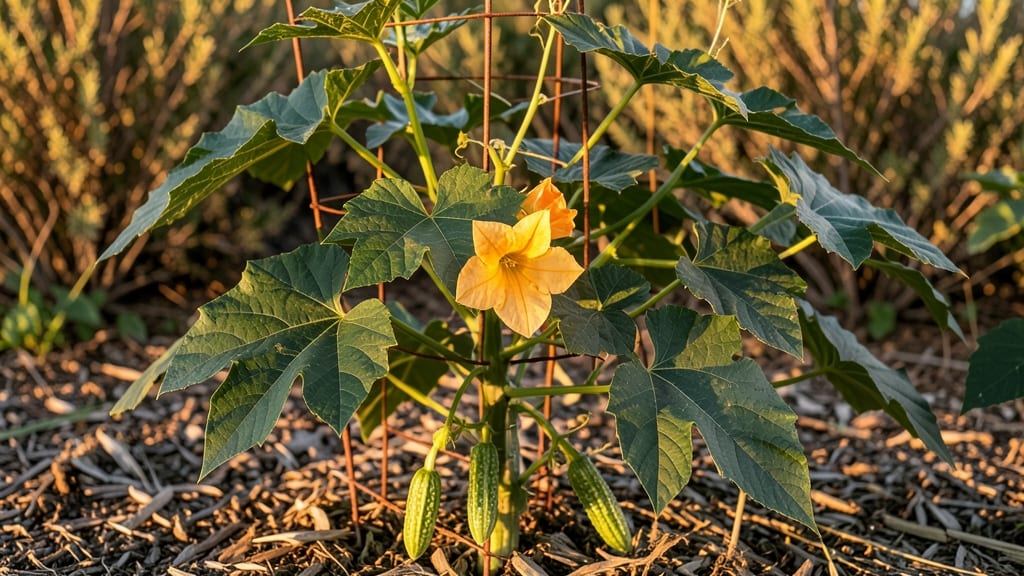
Growing bitter melon flowers is like cultivating a tiny tropical pharmacy in your garden. 🌿 These delicate, star-shaped blooms aren’t just striking—they’re the gateway to the plant’s prized fruit, packed with medicinal benefits.
The key to success lies in mimicking their native jungle conditions, where warmth, humidity, and just the right amount of sunlight coax out those vibrant blossoms.
The plant thrives in well-draining, slightly acidic soil mixed with compost, and it craves warmth—think 70-85°F consistently. A trellis or sturdy support is a must, as these vines can sprawl 10-20 feet if left unchecked.
Watering should keep the soil moist but never soggy, and a light misting in the morning mimics the tropical showers they love. Without proper care, flowers drop prematurely, leaving you with no fruit to harvest.
Once the blooms appear, you’ll notice their unique yellow-orange petals that fade to white as they age. Hand-pollination with a soft brush can boost fruit set, especially in cooler climates where pollinators are scarce.
The flowers themselves are edible—add them to salads for a peppery kick—but their real magic lies in the fruit that follows, which matures in just 60-90 days under ideal conditions.
Common challenges like powdery mildew or aphids can stunt growth, but a neem oil spray keeps pests at bay. For gardeners in cooler zones, starting seeds indoors in late spring ensures a head start before transplanting outdoors after the last frost.
With patience, your bitter melon plant will reward you with a bountiful harvest of both flowers and fruit—nature’s dual-purpose treasure.
📚 In This Guide
- What you need
- Instructions
- Tips and common mistakes
- Wrapping up and next steps
What you need
- ● Bitter melon seeds – 5–10 seeds (organic, non-GMO preferred for best results).
- ● Growing containers – 5–10 gallon pots (with drainage holes) or a sunny garden bed (6+ hours of sunlight daily).
- ● Well-draining potting mix – 1–2 bags of high-quality, organic soil amended with perlite or coconut coir (avoid heavy clay).
- ● Compost or worm castings – 1–2 cups per pot to boost nutrient-rich soil.
- ● Slow-release fertilizer – Balanced 10-10-10 or organic options like fish emulsion (follow package rates).
- ● Trellis or stakes – 4–6 ft tall (bitter melon is a vigorous vine!).
- ○ Gloves – Optional but helpful (bitter melon sap can irritate skin!).
- ● Spray bottle – For misting seedlings (keep soil moist but not soggy).
- ● Pruning shears – Small, sharp pair for trimming vines or dead flowers.
- ○ pH test kit – Optional but useful (ideal pH: 6.0–6.8).
- ● Mulch – Straw or shredded leaves to retain moisture and suppress weeds.
- ● Neem oil or insecticidal soap – For pest control (aphids or spider mites may visit!).
Step-by-step instructions for cultivating bitter melon flowers
Here's how to coax vibrant, edible blooms from this tropical powerhouse—no greenhouse required.
🌱 Step 1: Start Seeds Indoors for Early Growth
Bitter melon thrives in warmth, so begin seeds indoors 8-10 weeks before your last frost date. Use biodegradable seed pots filled with sterile seed-starting mix to prevent damping-off. Plant 2-3 seeds per pot at a depth of ½ inch, as bitter melon seeds need darkness to germinate properly.
Cover the pots with plastic wrap and place them in a warm location (75-85°F)—a seedling heat mat works wonders. Keep the soil consistently moist but never soggy; condensation on the plastic wrap signals you've overwatered. Germination typically occurs in 7-14 days, though some stubborn seeds may take up to 3 weeks.
Once seedlings emerge, remove the plastic wrap and position them under grow lights (14-16 hours daily) to prevent leggy growth. You'll know they're getting enough light when the first true leaves appear compact and dark green, not stretched toward the light source.
☀️ Step 2: Transplant to Larger Pots or Garden Beds
After the last frost, when nighttime temperatures stay above 60°F, transplant your seedlings outdoors. Choose a sunny spot with 6-8 hours of direct sunlight daily—bitter melon flowers need full sun to develop their signature star-shaped blooms. If growing in containers, use 5-gallon pots with drainage holes to accommodate their sprawling vines.
Mix compost or well-rotted manure into the soil to enrich it; bitter melon is a heavy feeder and rewards fertile ground with abundant flowers. Space plants 3-4 feet apart if growing in the ground, or 18 inches apart in containers. Bury the seedling slightly deeper than it was in the pot to encourage root stability.
Water deeply after transplanting to help roots establish, but avoid wetting the leaves to prevent fungal diseases. Mulch around the base with straw or shredded leaves to retain moisture and suppress weeds—this is especially important in hot climates where soil dries out quickly.
🌿 Step 3: Train Vines and Encourage Flowering
Bitter melon vines can grow 10-15 feet long, so provide a trellis or sturdy support to guide their growth upward. Prune side shoots to focus energy on main vines, which produce the most flowers. Pinch back the tips of young plants to encourage bushier growth with more flowering sites.
Fertilize every 3-4 weeks with a balanced organic fertilizer (10-10-10) once flowers appear. Bitter melon flowers are self-pollinating, but you can hand-pollinate for better fruit set by gently brushing stamens with a small brush. Watch for yellow trumpet-shaped flowers—these signal the plant is ready for pollination and eventual fruit development.
If flowering slows in hot weather, provide light shade cloth during peak afternoon sun to prevent stress. You'll know the plant is thriving when it produces new flowers continuously throughout the growing season, even after the first harvest.
✂️ Step 4: Harvest Flowers and Maintain Productivity
Pick flowers in the morning when they're fully open but before they wilt. Use clean scissors to snip stems just above a leaf node, leaving 1-2 inches of stem to encourage more blooms. Bitter melon flowers are edible and prized in tropical cuisines—steam, stir-fry, or use them as a garnish for a unique, slightly bitter flavor.
After harvesting, fertilize again with a low-nitrogen, high-phosphorus blend to promote flowering. Remove any yellowing or diseased leaves immediately to keep the plant healthy. In cooler climates, bring potted plants indoors before the first frost and place them near a south-facing window or under grow lights to extend the growing season.
With proper care, a single bitter melon plant can produce dozens of flowers over its lifespan. The key is consistency—water when the top inch of soil feels dry, fertilize regularly, and provide support. You'll be rewarded with vibrant blooms and medicinally potent fruit all season long.
Tips & tricks for perfect bitter melon flower cultivation
These insider tips will help you transform your tropical garden into a bitter melon flower factory—no botanist degree required.
Seed Starting Secret: The 8-10 week indoor head start is non-negotiable for most climates, but here's the thing: if you're in zone 10+, you can push that to just 4-6 weeks before transplanting. I learned this the hard way after ruining two batches by starting too early in warm climates. Also, those biodegradable seed pots? They're worth every penny—they eliminate the root disturbance that kills so many seedlings during transplant.
Temperature Matters: That 75-85°F range for germination isn't just arbitrary—it's where bitter melon seeds activate their built-in heat-loving machinery. If your home runs cooler, place pots on a heating pad or near a sunny window with a clear plastic cover to trap warmth. Pro move: Use a thermometer to monitor soil temp—it should read consistently in that range for best results.
Lighting Strategy: The 14-16 hours of grow light isn't about making the plants lazy—it's about mimicking the long daylight hours of tropical climates where bitter melon thrives. I use LED grow lights on a timer because they're energy-efficient and won't fry your seedlings like some cheap bulbs. Watch for that "compact and dark green" leaf signal—the moment they start stretching toward light, it's time to adjust your setup.
Flowering Hack: When you see those yellow trumpet-shaped flowers appear, here's what nobody tells you—give them a gentle shake in the morning to encourage self-pollination. For even better fruit set, use a small paintbrush to transfer pollen between flowers. And if flowering slows in summer heat? That light shade cloth isn't just for looks—it prevents the plant from shutting down its reproductive cycle during peak afternoon sun.
Pro Tips for Bitter Melon Flower
- These insider tips will help you transform your tropical garden into a bitter melon flower factory—no botanist degree required.
- Seed Starting Secret: The 8-10 week indoor head start is non-negotiable for most climates, but here's the thing: if you're in zone 10+, you can push that to just 4-6 weeks before transplanting.
- Temperature Matters: That 75-85°F range for germination isn't just arbitrary—it's where bitter melon seeds activate their built-in heat-loving machinery.
Frequently asked questions
Got questions about growing bitter melon flowers? You’re not alone! Here are some of the most common ones—plus quick, practical answers to help you cultivate these edible blooms like a pro.
Can I grow bitter melon flowers indoors?
Yes, but with care! Bitter melon thrives in warm climates, so indoors, you’ll need a sunny spot (6+ hours of light daily), a grow light if needed, and temperatures above 70°F (21°C). Use a large pot with drainage, and keep the soil moist but not soggy. Pro tip: Start with a small plant from a nursery—seeds can be tricky indoors!
How long does it take for bitter melon flowers to bloom?
Patience is key! From seed, expect blooms in 3–5 months under ideal conditions (warmth, full sun, and rich soil). If starting with a young plant, you might see flowers in 2–3 months. Slow growers? Check for pests, poor soil, or lack of sunlight—these can delay flowering.
Are bitter melon flowers edible, and how do I use them?
These delicate, star-shaped blooms are mildly sweet (unlike the bitter fruit) and can be eaten raw in salads, garnished on dishes, or infused in teas. Safety first: Ensure no pesticides were used if foraging wild plants. For a unique twist, try them in stir-fries or as a gourmet garnish—they’re a chef’s secret!
Why aren’t my bitter melon plants flowering?
No flowers? Don’t panic—common culprits include:
- Not enough light: Move to a sunnier spot or add grow lights.
- Temperature stress: Keep soil warm (75–85°F / 24–29°C) and avoid drafts.
- Over-fertilizing: Too much nitrogen = leafy growth, no flowers. Switch to a low-nitrogen, high-phosphorus fertilizer.
- Age: Young plants may need time (wait 2–3 months post-transplant).
What’s a good alternative if bitter melon flowers don’t thrive in my climate?
If your zone is too cold, try these edible, tropical-friendly alternatives:
- Chaya flowers (similar medicinal properties, drought-tolerant).
- Hibiscus flowers (edible, vibrant, and easy to grow).
- Nasturtiums (peppery blooms, pest-repellent, and cold-hardy).
- Passionflower vine (ornamental + edible, thrives in heat).
Wrapping up and next steps
Growing bitter melon flowers is a rewarding journey that blends beauty, nutrition, and even medicinal benefits into your garden! 🌱 Whether you’re drawn to their striking blooms, the potential health perks of the fruit, or the joy of nurturing a tropical plant, this guide has given you all the tools to succeed.
Start small—even a single plant can bring vibrant color and unexpected harvests to your space.
Ready to dive in? Pick a sunny spot, gather your supplies, and plant those seeds or seedlings today! Your garden (and maybe even your health) will thank you. Happy growing! 🌸