
Shrubs
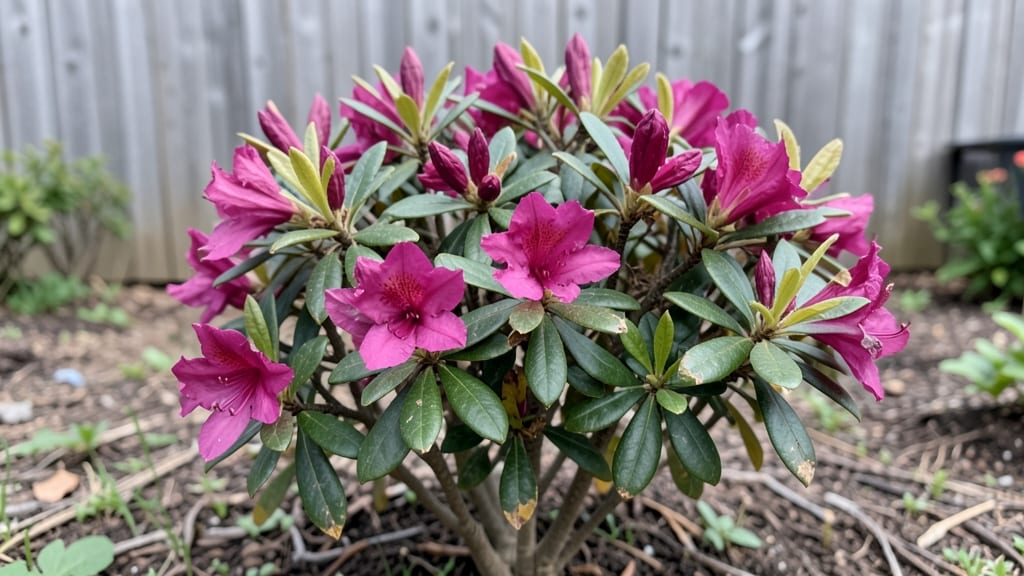
Summer flowering azaleas transform Pacific Northwest gardens into fragrant, jewel-toned showstops—if you time their care just right. 🌸 I’ve learned the hard way that summer isn’t about neglect; it’s when these shrubs demand attention to keep blooms bold and leaves lush.
The key? Balancing water, shade, and feeding to prevent heat stress while encouraging next year’s flowers.
Most gardeners overlook summer pruning, but thinning spent blooms now prevents leggy growth and keeps air circulating—critical for preventing fungal issues in our damp climate. A light feeding with acid-loving fertilizer every 6 weeks and deep watering 2-3 times weekly (not daily) makes all the difference.
Azaleas hate soggy roots but thrive when consistently moist.
By late summer, you’ll see new buds forming for next year’s display if you’ve kept them happy. The secret weapon? Mulching with pine bark to retain moisture and acidify the soil naturally. Pair them with ferns or hydrangeas for shade-loving companions, and watch your azaleas become the neighborhood’s envy.
Heatwaves and spider mites are the two biggest threats—spray leaves with water during heatwaves and introduce ladybugs for pest control. With these adjustments, your azaleas will reward you with vibrant blooms for years to come.
📚 In This Guide
- What you need
- Instructions
- Tips and common mistakes
- Wrapping up and next steps
What you need
- ● Summer flowering azalea plants: 1–3 mature plants (depending on desired size and spacing; Rhododendron varieties like ‘George L. Taber’ or ‘Girard’s Pink’ thrive in PNW climates).
- ● Size: 1–3 gallon containers or bare-root (for fall planting).
- ● Well-draining, acidic soil: Test soil pH (ideal: 4.5–6.0). Adjust with sulfur or peat moss if needed.
- ○ Amendments (optional but recommended): 2–3 inches of organic mulch (pine bark or pine needles) to retain moisture and acidity.
- ● Fertilizer: Acid-loving plant fertilizer (e.g., 10-10-10 or rhododendron-specific blend). Apply twice a year (spring and early fall).
- ● Quantity: Follow package instructions (typically 1–2 tbsp per plant).
- ● Garden tools: Trowel or hand shovel (for planting small containers).
- ● Garden fork or spade (for amending soil in larger areas).
- ● Pruners (sterilized; sharp and clean to avoid disease).
- ● Watering supplies: Hose with a gentle spray nozzle (avoid overhead watering to prevent fungal issues).
- ● Watering can (for container plants or delicate seedlings).
- ○ Optional but helpful: Soil pH test kit (digital or liquid).
- ● Mulch spreader (for even coverage).
- ● Garden gloves (to protect hands from acidic soil).
- ● Best planting time: Early spring (March–April) or fall (September–October) for established roots.
- ● Sunlight: Partial shade (3–6 hours of morning sun; afternoon shade is ideal in hot PNW summers).
- ● Water access: Consistent moisture (especially in first year); azaleas hate soggy roots but despise drought.
- ● Space: 3–5 feet apart (depending on variety; check plant tags for mature size).
Step-by-Step guide to cultivating summer flowering azaleas in the Pacific Northwest
Here's how I transform Pacific Northwest gardens into vibrant, fragrant showcases with these bold bloomers.
🌱 Step 1: Select and Prepare the Perfect Planting Site
Summer flowering azaleas thrive in partial shade—think morning sun with afternoon shade—to protect their delicate blooms from harsh afternoon rays. In the Pacific Northwest's mild climate, choose a location with dappled sunlight or filtered shade from taller trees. The soil should be acidic (pH 4.5-6.0) and well-draining, as these plants despise soggy roots.
I always test the soil pH before planting. If your garden soil is alkaline, amend it with sulfur or peat moss to lower the pH gradually. Dig a hole twice as wide as the root ball but only as deep—planting too deep suffocates the roots. Loosen the sides of the hole with a garden fork to encourage root spread.
🪴 Step 2: Plant with Care and Mulch Strategically
Remove the azalea from its container and gently tease the roots if they're circling. Place the plant in the hole so the top of the root ball sits level with the surrounding soil—never bury the stem. Backfill with the native soil mixed with half organic matter (like compost or peat moss) to improve drainage and fertility.
Water deeply to settle the soil, then apply a 3-inch layer of mulch (pine bark or wood chips work best) around the base, keeping it 2 inches away from the stem. This mulch blanket retains moisture, regulates soil temperature, and slowly acidifies the soil over time. I always check the mulch after heavy rains to prevent waterlogging.
☀️ Step 3: Water and Fertilize for Optimal Bloom Production
Azaleas need consistent moisture—water 1-2 times per week in the first growing season, aiming for 1 inch of water per week. In the Pacific Northwest's damp climate, you'll likely need less in winter but more during dry summer spells. Always water at the base, not overhead, to prevent fungal diseases like powdery mildew.
Fertilize in early spring with an acid-loving plant fertilizer (look for one with high phosphorus for blooms). I use a slow-release granular fertilizer spread around the drip line, then water it in. Avoid fertilizing in late summer or fall—this encourages tender new growth that won't harden off before winter.
✂️ Step 4: Prune and Maintain for Long-Term Health
Prune azaleas right after flowering (late summer) to shape the plant and encourage next year's blooms. Remove dead or crossing branches first, then trim back any leggy growth to maintain a natural, rounded shape. Never cut into old wood—new growth only emerges from this season's stems.
Watch for yellowing leaves, which often signal overwatering or nutrient deficiencies. If leaves drop prematurely, check for aphids or lace bugs on the undersides. I treat infestations with neem oil or a strong spray of water to dislodge pests. In winter, protect young plants from drying winds with a burlap wrap if your area gets particularly cold.
🌿 Step 5: Enjoy and Extend the Season with Strategic Care
To prolong blooming, deadhead spent flowers gently—never cut into the wood. For a second flush of blooms, apply a light fertilizer in early summer. In the Pacific Northwest, azaleas often bloom into early fall, but you can extend their season by planting near late-blooming perennials like asters or sedum for continuous color.
Every 2-3 years, top-dress the soil with 1-2 inches of fresh mulch to replenish organic matter. This keeps the soil acidic and feeds the roots without disturbing them. With this care, your azaleas will reward you with bold, fragrant blooms for decades—just like the ones that line my neighborhood streets.
Tips & tricks for perfect summer flowering azaleas
Here's what I've learned after years of growing these stunning Pacific Northwest bloomers—tricks that make all the difference between good and show-stopping azaleas.
Soil pH Precision: Don't just guess about soil acidity—use a simple soil test kit to confirm that pH is between 4.5 and 6.0. In Step 1, if your test shows alkaline soil, mix in sulfur or peat moss gradually over several months. I've seen azaleas struggle when planted in soil that's even slightly too alkaline, despite all other conditions being perfect. The roots simply can't access the nutrients they need.
Root Ball Placement: When planting in Step 2, the top of the root ball should be level with the surrounding soil—never buried or exposed. I've made the mistake of planting too deep, which suffocates the roots, and too shallow, which leaves them vulnerable to temperature swings. Use a level tool to check before backfilling, and always loosen the sides of the planting hole with a garden fork to encourage those roots to spread outward.
Mulch Maintenance: That 3-inch layer of mulch you apply in Step 2 isn't just for looks—it's a living part of your azalea's care routine. Check it after heavy rains to prevent waterlogging, and refresh it every 2-3 years (as mentioned in Step 5) with 1-2 inches of fresh pine bark mulch. This keeps the soil acidic and prevents weeds from competing with your azaleas for moisture and nutrients. I've noticed my healthiest azaleas always have that consistent mulch blanket.
Watering Wisdom: The 1-2 times per week guideline in Step 3 is perfect for the Pacific Northwest, but timing matters just as much as frequency. Water in the early morning so the foliage has time to dry before evening—this prevents fungal diseases like powdery mildew. I've seen azaleas develop brown spots on leaves when watered late in the day, even when following the weekly guideline. A simple rain gauge helps track that 1 inch of water per week more accurately than eyeballing.
Pro Tips for Summer Flowering Azaleas
- Here's what I've learned after years of growing these stunning Pacific Northwest bloomers—tricks that make all the difference between good and show-stopping azaleas.
- Soil pH Precision: Don't just guess about soil acidity—use a simple soil test kit to confirm that pH is between 4.5 and 6.0.
- Root Ball Placement: When planting in Step 2, the top of the root ball should be level with the surrounding soil—never buried or exposed.
Frequently asked questions
Got questions about summer flowering azaleas?
You’re not alone! Here are answers to the most common queries—from planting to pruning—so you can keep your PNW garden bursting with color all season.
When is the best time to plant summer flowering azaleas in the Pacific Northwest?
Plant them in early spring (March–April) or early fall (September–October) for the best root establishment. Avoid summer heatwaves—azaleas dislike transplant shock when stressed. If you must plant in summer, do it on a cool, cloudy day and keep the soil moist for 2–3 weeks.
How long do summer flowering azaleas bloom, and can I extend the season?
Most summer azaleas bloom for 4–6 weeks, typically from June to August. To prolong blooms:
- Deadhead spent flowers (but leave some seed pods for natural reseeding).
- Water deeply 1–2 times per week during dry spells.
- Mulch with 3–4 inches of organic mulch (like pine bark) to retain moisture.
Why aren’t my summer azaleas flowering this year?
Common culprits include:
- Over-fertilizing with high-nitrogen (use acid-loving plant fertilizer 2x/year: early spring & after blooming).
- Poor soil drainage (azaleas hate soggy roots—amend soil with peat moss or pine fines).
- Too much shade (they need morning sun + afternoon shade in PNW’s hot summers).
- Pruning at the wrong time (never prune after July—it removes next year’s flower buds!).
Give them 1–2 years to adjust if newly planted.
Can I grow summer azaleas in containers? What’s the best setup?
Choose a large container (15+ gallons) with drainage holes and use an acidic potting mix (pH 4.5–5.5). Opt for dwarf varieties like ‘George Lynn’ or ‘Girard’s Pink’. Move containers to partial shade in summer and water daily in heatwaves. Fertilize monthly with azalea-specific feed.
Are summer azaleas deer- or rabbit-resistant? How do I protect them?
While not completely deer/rabbit-proof, their mildly toxic leaves (when ingested in large amounts) often deter browsing. For extra protection:
- Apply physical barriers (chicken wire or fencing) around young plants.
- Use repellents like hot pepper wax or commercial sprays.
- Plant near deer-resistant companions like boxwood, rhododendron, or salal.
Note: If leaves are chewed, prune lightly to encourage bushier growth.
Wrapping up and next steps
Summer flowering azaleas bring vibrant color, fragrance, and low-maintenance beauty to the Pacific Northwest’s gardens—perfect for both beginners and seasoned gardeners! 🌸 Their adaptability, pest resistance, and stunning blooms make them a standout choice for transforming any outdoor space.
Whether you’re drawn to their luxurious foliage or their season-long appeal, these shrubs are a rewarding addition.
Ready to elevate your garden? Start by selecting the right variety for your climate, then dive into planting and care with confidence. Your summer haven awaits—just a few steps away! 🌿