
Flowers
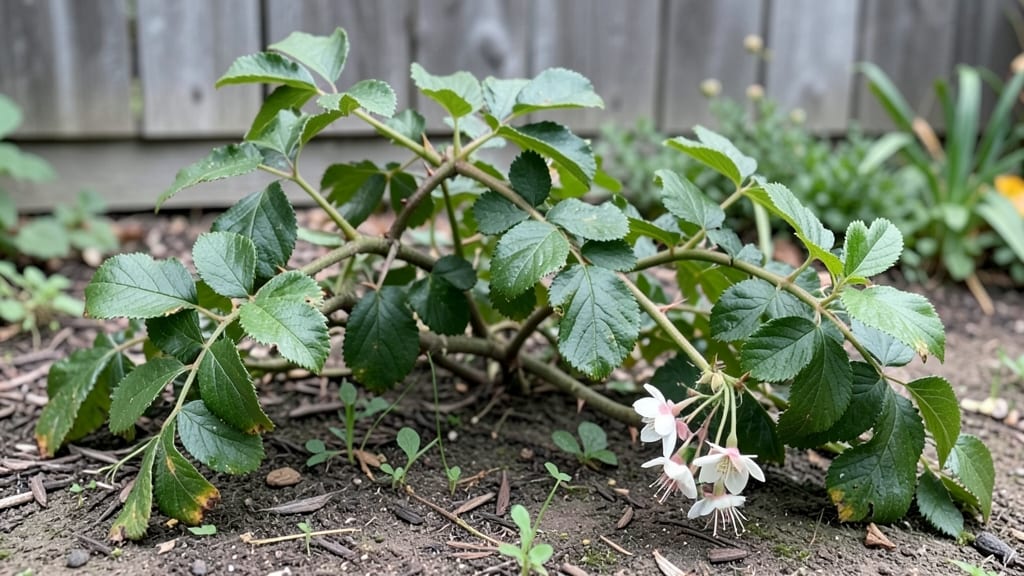
Those delicate blackberry flowers in spring are the secret to your summer harvest—and in the Pacific Northwest, they thrive where many plants fail. 🌸 I’ve watched mine dance in the breeze after years of trial and error, and the key isn’t just the right variety but timing, pruning, and a few unexpected tricks.
The PNW’s cool, damp climate actually works in your favor if you pick the right blackberry type (thornless varieties like ‘Natchez’ or ‘Triple Crown’ bloom reliably here). You’ll need well-draining soil, consistent moisture, and a sunny spot—plus, hummingbirds will become your silent partners in pollination.
The first flush of flowers arrives in early spring, but late frosts can damage them.
With proper care, you’ll see vibrant white or pink blooms transform into sweet, glossy berries by midsummer. The flowers themselves are stunning—fragile and ephemeral—so protecting them from pests and disease early on ensures a bountiful payoff. Prune correctly in winter, and you’ll encourage even more flowers next season.
This guide covers everything from soil prep to troubleshooting wilted blooms, so you can enjoy both the beauty of the flowers and the fruit they produce. Let’s get those berries blooming!
📚 In This Guide
- What you need
- Instructions
- Tips and common mistakes
- Wrapping up and next steps
What you need
- ● Blackberry plants: 1–3 cold-hardy blackberry varieties (e.g., 'Chehalem,' 'Natchez,' or 'Triple Crown'—all thrive in PNW’s Zone 5–9).
- ● Option 1: Bare-root plants (fall or early spring) or potted 1-gallon containers (spring planting).
- ● Option 2: Seeds (if starting from scratch; requires stratification—see tips below!).
- ● Soil amendments: 5–10 lbs compost or well-rotted manure per plant.
- ● 1 cup balanced fertilizer (10-10-10) or organic options like bone meal or fish emulsion.
- ● Mulch: 2–3 inches of straw, wood chips, or pine needles (preserves moisture and protects roots).
- ● Garden trowel or shovel.
- ● Pruners (sterilized with rubbing alcohol).
- ● Measuring tape or ruler (for spacing plants 4–6 feet apart).
- ● Garden hose with spray nozzle (for watering).
- ○ Optional but helpful: Soil pH test kit (ideal range: 5.5–6.5).
- ● Drip irrigation system or soaker hose (for consistent moisture).
- ● Bird netting (to protect flowers from hungry hummingbirds—yes, really!).
- ● Sunlight: Full sun (6+ hours daily).
- ● Water: 1–2 inches per week (drought-tolerant once established, but young plants need consistent moisture).
- ● PNW-specific tips: Choose floricane varieties (they bloom on 2nd-year canes) for reliable flowers.
- ● Plant in late winter/early spring (avoid summer heat stress).
- ● Watch for blackberry rosette virus—remove infected plants immediately!
Instructions for growing blackberry flowers in the Pacific Northwest
Here’s the straightforward method I’ve used for years to grow thriving blackberry flowers that hummingbirds adore—even in our chilly, wet climate.
🌱 Step 1: Select and Prepare the Right Variety for Cold Climates
Choose a Pacific Northwest-hardy variety like ‘Chester,’ ‘Triple Crown,’ or ‘Natchez’—these thrive in USDA Zones 5-8 and produce abundant flowers even after winter. Avoid tender southern varieties that struggle with our damp springs. I always buy 2-year-old bare-root canes in early spring, as they establish faster than younger plants.
Soak the roots in lukewarm water for 2 hours before planting to rehydrate them. This jumpstarts growth and prevents transplant shock. If you’re planting from seed (not recommended for beginners), start indoors 8-10 weeks before last frost—blackberry seeds need warmth to germinate, and our cool springs make direct sowing unreliable.
☀️ Step 2: Plant in Full Sun with Proper Airflow
Blackberries need 6-8 hours of direct sun daily—more sun means bigger flowers and fruit. In the PNW, this often means south-facing slopes or raised beds to avoid winter waterlogging. Amend heavy clay soil with 3-4 inches of compost and a handful of balanced 10-10-10 fertilizer per plant to boost vigor.
Space canes 5-6 feet apart in rows 8-10 feet apart to allow airflow—this prevents fungal diseases like botrytis that thrive in our damp summers. I stake each plant with 6-foot bamboo stakes tied loosely to support the canes as they grow. Plant in early spring (March-April) so roots establish before summer heat arrives.
💧 Step 3: Water Deeply and Mulch for Winter Protection
Water deeply once a week during the first growing season to encourage deep root growth. Blackberries hate soggy roots but need consistent moisture—1-1.5 inches per week is ideal. Once established (after 2 years), they’re drought-tolerant but still produce more flowers with regular watering. I use drip irrigation to keep foliage dry, reducing fungal risks.
Apply 3-4 inches of straw mulch around the base in late fall to insulate roots during our freezing winters. In Zone 6-7, blackberries can survive -10°F, but mulch prevents heaving and keeps soil temps stable. Remove mulch in early spring to let soil warm for new growth.
✂️ Step 4: Prune for Maximum Flower Production
Prune in late winter (February) before buds swell. Remove last year’s canes (they’re done fruiting) and any weak or crossing growth. Keep 4-6 of the strongest canes per plant—they’ll produce 80% of next year’s flowers. I cut back all canes to 2-3 feet tall to encourage bushier growth and more flower clusters.
After flowering (late spring), watch for new primocanes (this year’s growth). These won’t flower until next year, so let them grow unchecked. If they get too leggy, prune back by ⅓ in early summer to redirect energy to fruit production. Always use sterilized pruners to prevent disease spread.
🐝 Step 5: Support Pollinators and Extend the Bloom
Blackberry flowers are hummingbird magnets, but they also need bees for pollination. Plant native PNW pollinator favorites like red currant, salmonberry, or Oregon grape nearby to attract more visitors. Avoid pesticides—even organic sprays can harm pollinators. I hand-pollinate stubborn flowers with a soft paintbrush if hummingbirds are scarce.
To extend blooms into late summer, fertilize lightly with fish emulsion after the first harvest. This encourages a second flush of flowers. Deadhead spent blooms only if you want to redirect energy to fruit—otherwise, let them go to seed for next year’s birds and bees.
Tips & tricks for growing blackberry flowers in the Pacific Northwest
A few pro strategies that'll help your blackberry flowers thrive in our unique climate and keep those hummingbirds buzzing all season.
Root Soaking Secret: That 2-hour lukewarm water soak in Step 1 is non-negotiable for PNW growing. Cold water shocks the roots, while hot water can scald them. I like to use rainwater if possible—it's naturally softer and better for our acidic soils. After soaking, gently shake off excess water before planting to prevent waterlogging in our damp climate.
Sunlight Strategy: The 6-8 hours of direct sun specified in Step 2 is crucial, but don't assume every spot gets equal sunlight. In the PNW, morning sun is gentler than afternoon sun—position your plants to catch that morning glow if possible. If your garden gets afternoon shade, consider using reflective surfaces like white gravel or light-colored walls to bounce extra light onto your blackberries. This can make a noticeable difference in flower size and pollinator attraction.
Pruning Precision: When you're pruning in late winter (Step 4), focus on creating an open center rather than just cutting back length. The goal is to let light and air circulate through the plant—this prevents fungal diseases that thrive in our wet summers. I like to prune on a dry day when temps are above freezing (32°F) to reduce stress on the plant. Sterilize your pruners with rubbing alcohol between cuts to prevent spreading any potential diseases lurking in your garden.
Winter Protection Pro: That 3-4 inches of straw mulch in Step 3 is your best friend against our freezing winters. For extra insulation in Zone 6-7 areas, I often add a layer of evergreen boughs on top of the straw mulch. These boughs create a natural windbreak and help maintain more stable soil temperatures. Just remember to remove them in early spring before new growth begins—you don't want to smother your emerging canes.
Pro Tips for Black Berry Flowers
- A few pro strategies that'll help your blackberry flowers thrive in our unique climate and keep those hummingbirds buzzing all season.
- Root Soaking Secret: That 2-hour lukewarm water soak in Step 1 is non-negotiable for PNW growing.
- Sunlight Strategy: The 6-8 hours of direct sun specified in Step 2 is crucial, but don't assume every spot gets equal sunlight.
Frequently asked questions
Got questions about growing blackberry flowers in the Pacific Northwest? You’re not alone! Here are answers to the most common queries—from planting tips to troubleshooting—so you can cultivate these hummingbird magnets with confidence.
When is the best time to plant blackberry flowers?
The ideal window is early spring (March–April) or fall (September–October) when soil is workable but not frozen. In the PNW’s cooler climate, spring planting gives roots time to establish before summer heat. Pro tip: Avoid planting in late summer—new roots struggle with drought stress.
Are blackberry flowers cold-hardy enough for the Pacific Northwest?
Yes! Most blackberry varieties (especially Rubus species like ‘Chehalem’ or ‘Natchez’) tolerate zones 5–9. In the PNW, mulch heavily with straw or wood chips to protect roots in winter. Everbearing types may need winter protection in colder microclimates (e.g., Eastern WA).
Why aren’t hummingbirds visiting my blackberry flowers?
Check these fixes:
- Timing: Flowers bloom May–June; hummingbirds arrive late April–May.
- Location: Plant near feeders or sunny spots (hummingbirds favor open areas).
- Pests: Aphids or spider mites can deter birds—spray with neem oil if needed.
Can I grow blackberry flowers in containers?
Dwarf varieties like ‘Arapaho’ thrive in 15–20 gallon pots with well-draining soil. Use a mix of potting soil and compost, and place containers in full sun. Warning: Containers dry out faster—water deeply 2–3x/week in summer. Root-bound plants may need repotting every 2–3 years.
What do I do if my blackberry flowers wilt or turn brown?
Common culprits in the PNW:
- Overwatering: Yellow leaves + soggy soil? Improve drainage or reduce watering.
- Fungal issues: Brown spots on leaves? Prune affected areas and apply copper fungicide.
- Heat stress: Wilting in summer? Mulch thicker and water at soil level (not leaves) to prevent scorching.
Are there blackberry flower alternatives for pollinators?
If blackberries are tricky, try these PNW-friendly pollinator magnets:
- Red currant (Ribes sanguineum) – Cold-hardy, berries and flowers.
- Salal (Gaultheria shallon) – Evergreen ground cover with pink blooms.
- Oregon grape (Mahonia aquifolium) – Yellow flowers, thrives in shade.
Wrapping up and next steps
Growing blackberry flowers in the Pacific Northwest isn’t just rewarding—it’s a joyful way to attract hummingbirds and add beauty to your garden! 🌸 With the right location, soil, and care, these hardy plants thrive even in cooler climates.
Whether you’re a beginner or a seasoned gardener, their resilience and stunning blooms make them a must-have for any outdoor space.
Ready to take the next step? Start with a single plant or a small patch, and soon you’ll be enjoying their fragrant flowers—and the buzzing visitors they bring. Happy gardening!