
Flowers
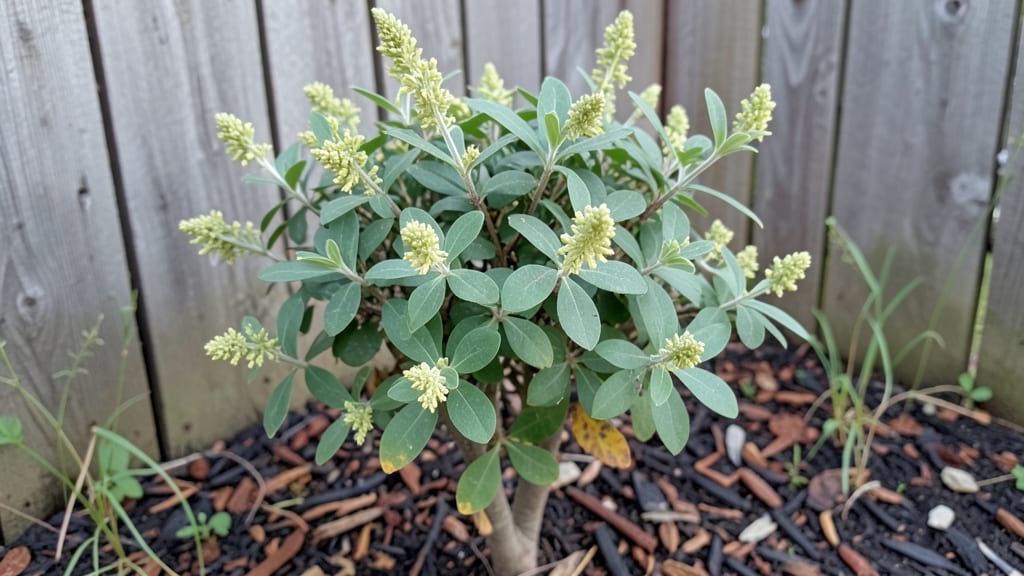
Those greenish yellow flowers—like Ligularia’s bold foliage or Chelone’s delicate blooms—are the Pacific Northwest’s secret weapon for attracting hummingbirds while adding soft, unexpected pops of color to shady gardens. 🌿 I’ve been using them in woodland borders for years, and they never fail to draw curious eyes (and hungry hummingbirds) to my garden.
The key is pairing them with deep purples or whites to make those pale blooms truly sing.
These plants thrive where others struggle—dappled shade, moist soil, and even rocky slopes. Ligularia’s towering stems reach 4-6 feet, while Chelone stays compact at 2-3 feet, making them perfect for layered borders or cottage-style gardens.
Hostas with chartreuse blooms add texture, while Rhododendrons in ‘Greenish Yellow’ cultivars bring early-season interest. The best part? They’re low-maintenance once established, and deer usually leave them alone.
By late summer, your garden will hum with activity as hummingbirds dart between the blooms, and the foliage—often just as striking as the flowers—will keep things lush through fall.
Pair Ligularia with purple asters for contrast, or tuck Chelone near white foamflower for a dreamy woodland effect. The color combinations feel effortless, yet they’re anything but ordinary.
Works equally well in moist shade gardens, rain garden plantings, or even as container accents with ferns and heucheras. Once you try them, you’ll wonder why you didn’t plant more sooner—they’re the unsung stars of shade gardening. Let’s make your garden their next home.
📚 In This Guide
- What you need
- Instructions
- Tips and common mistakes
- Wrapping up and next steps
What you need
- ● Greenish-yellow flowering plants: 1–3 Penstemon spectabilis (Beard Tongue) – drought-tolerant & hummingbird magnet
- ● 1–2 Erigeron speciosus (Oregon Sunrise) – vibrant yellow-green blooms
- ● 1 Lupinus polyphyllus (Lupine) – nitrogen-fixing & pollinator-friendly
- ○ Soil amendments (optional but helpful): 1–2 bags compost (for nutrient-rich soil)
- ● 1 lb perlite or pumice (for drainage, especially in clay-heavy PNW soil)
- ● Planting tools: 1 garden trowel (for transplanting)
- ● 1 hand pruners (for trimming dead blooms)
- ● 1 watering can or hose with gentle nozzle (1–2 gallons capacity)
- ○ Safety & prep: 1 pair gardening gloves (optional but recommended)
- ● 1 mulch (3–4 inches of straw or wood chips to retain moisture)
- ● Knowledge of your USDA Hardiness Zone (7–9 for PNW) 🌡️
- ● 1–2 red feeder (for supplemental nectar—hummingbirds love contrast!)
- ● 1 birdbath or shallow dish (for drinking water)
- ● Native companion plants like Symphoricarpos albus (Snowberry) for layered color
Step-by-Step guide to cultivating Pacific Northwest hummingbird-friendly greenish-yellow blooms
Transform your garden into a hummingbird magnet with these striking, low-maintenance bloomers that thrive in PNW conditions.
🌱 Step 1: Select the Right Greenish-Yellow Varieties for Hummingbirds
Focus on native PNW species like Pacific Dogwood (Cornus nuttallii) or Oregon Grape (Mahonia aquifolium), both of which produce chartreuse-yellow flowers that hummingbirds adore. These plants evolved alongside local pollinators, making them the most reliable choices. Avoid non-native cultivars that may lack nectar or attract pests instead.
For immediate impact, pair them with Western Columbine (Aquilegia formosa), whose nodding, yellow-green flowers drip nectar like a hummingbird buffet. Plant at least 4 plants per variety to create a visible feeding station—hummingbirds prefer abundant, clustered blooms over sparse displays.
☀️ Step 2: Prepare the Planting Site with PNW-Specific Conditions
These flowers thrive in partial shade to dappled sunlight—critical in the PNW's wet, mild climate. Test your site: if leaves scorch by midday, it's too hot; if they stay dark green year-round, it's too shaded. Amend heavy clay soil with 3 inches of compost to improve drainage, as soggy roots will stunt growth.
Dig holes twice as wide as the root ball but only as deep—planting too deeply suffocates roots. Space plants 3-5 feet apart depending on mature size (smaller perennials like columbine need less room). Water deeply after planting to eliminate air pockets, then let the soil settle for 24 hours before mulching.
💧 Step 3: Water and Fertilize for Continuous Blooming
Water deeply 2-3 times per week during the first growing season to establish roots, then taper to once weekly once established. Check soil moisture by pressing your finger 2 inches deep—if it feels dry, water; if damp, wait. Overwatering in the PNW's humid climate leads to fungal diseases like powdery mildew.
Feed lightly in early spring with a balanced, slow-release fertilizer (10-10-10) at half-strength. Avoid high-nitrogen fertilizers—they promote leafy growth at the expense of flowers. Instead, top-dress with 1 inch of compost in late winter to feed roots naturally as it breaks down.
✂️ Step 4: Prune and Maintain for Hummingbird Appeal
Deadhead faded blooms weekly to encourage more flowers—hummingbirds return to gardens with consistent nectar production. For Pacific Dogwood, prune in late winter to remove dead wood and shape the tree, but avoid heavy pruning that reduces next year's bloom potential.
Leave seed pods on Oregon Grape until they ripen—birds and small mammals will disperse seeds, helping your garden spread naturally. Mulch with 3 inches of wood chips to retain moisture and suppress weeds, but keep mulch 6 inches away from stems to prevent rot.
🪴 Step 5: Create a Hummingbird Habitat Beyond Flowers
Add a small water source like a shallow dish with pebbles for perching—hummingbirds bathe frequently. Place it near (but not directly under) your flowers so they can feed and drink without flying far. Avoid windy spots where they'd struggle to hover.
Plant companion species like Red Flowering Currant (Ribes sanguineum) for extra nectar, and include native shrubs for shelter. Hummingbirds nest in dense foliage, so a mix of heights (3-10 feet) creates a safe, layered environment. Monitor for spider mites, which thrive in dry conditions—spray with water if you spot webbing.
Tips & tricks for perfect Pacific Northwest hummingbird gardens
Creating a hummingbird haven in the PNW takes more than just planting flowers—it's about understanding their preferences and mimicking their natural habitat.
Native Plant Pairing: The 4-plant minimum per variety in Step 1 isn't arbitrary—hummingbirds use visual landmarks to locate food sources. For maximum impact, plant Pacific Dogwood and Oregon Grape together in clusters, then add Western Columbine nearby. This creates a layered feeding experience that mimics natural ecosystems, where birds can move between different nectar sources without flying far.
Soil Preparation Secret: That 3-inch compost amendment in Step 2 does more than improve drainage—it introduces beneficial microbes that help roots absorb nutrients more efficiently. For heavy clay soils common in the PNW, mix in a handful of perlite or coarse sand to create pockets for root expansion. The 24-hour settling period after planting prevents root disturbance during early establishment.
Watering Wisdom: The 2-inch soil moisture check in Step 3 is your best indicator of when to water. In the PNW's humid climate, overwatering is more dangerous than underwatering—it creates anaerobic conditions that invite fungal diseases. Water deeply but infrequently to encourage deep root growth, which makes plants more drought-resistant once established.
Pruning Precision: When deadheading weekly as instructed in Step 4, focus on removing only the spent blooms while leaving the stem intact. This preserves the plant's energy reserves and encourages more flowers to develop from the same growth point. For Pacific Dogwood, never remove more than 25% of the canopy in any single pruning session to maintain next year's flowering potential.
Pro Tips for Greenish Yellow Flowers
- Creating a hummingbird haven in the PNW takes more than just planting flowers—it's about understanding their preferences and mimicking their natural habitat.
- Native Plant Pairing: The 4-plant minimum per variety in Step 1 isn't arbitrary—hummingbirds use visual landmarks to locate food sources.
- Soil Preparation Secret: That 3-inch compost amendment in Step 2 does more than improve drainage—it introduces beneficial microbes that help roots absorb nutrients more efficiently.
Frequently asked questions
Got questions about those dazzling greenish yellow flowers that hummingbirds adore? You’re not alone! Here are some of the most common queries—plus quick, practical answers to help you grow, enjoy, and troubleshoot these PNW stunners with confidence.
What are some common greenish yellow flowers that attract hummingbirds?
Top picks for the Pacific Northwest include Penstemon (beardtongue), Lupinus (lupine), Eschscholzia californica (California poppy), and Solidago (goldenrod). These blooms offer nectar-rich rewards while thriving in coastal and mountainous climates. Pro tip: Look for native varieties—they’re low-maintenance and hummingbird magnets!
When is the best time to plant greenish yellow flowers for spring blooms?
For spring blooms, plant bare-root perennials in early fall (September–October) or container-grown plants in late winter (February–March). Annuals like California poppies can be sown directly in fall or spring. Timing tip: Check your USDA zone (PNW = 4–9) and aim for 6–8 weeks before the last frost for optimal root establishment.
Why aren’t my greenish yellow flowers blooming—what am I doing wrong?
Common culprits include over-fertilizing (too much nitrogen = leafy growth, no flowers), poor sunlight (most need 6+ hours/day), or crowded roots. For PNW natives, less is more: Use a balanced, low-phosphorus fertilizer (like 5-5-5) and prune spent blooms to encourage reblooming. Troubleshoot: Yellow leaves? Check for root rot or overwatering.
Can I grow greenish yellow flowers in containers, or do they need garden beds?
Compact varieties like Penstemon ‘Husker Red’ or Lupinus ‘Russell Hybrid’ thrive in containers (12"+ pots) with well-draining soil. Use a mix of potting soil + perlite and place in partial sun. Container hack: Add a slow-release fertilizer at planting time to avoid frequent feedings.
Are greenish yellow flowers safe for bees and butterflies too?
Yes! While hummingbirds love them, these flowers also attract native bees, butterflies, and beneficial insects. For example, Solidago (goldenrod) is a pollinator superstar, and Eschscholzia supports Western tiger swallowtails. Bonus: Plant in clusters to create a “pollinator buffet” and boost biodiversity in your garden.
Where’s the best place to buy PNW-native greenish yellow flowers?
Start with local nurseries (e.g., Swansons or Planting Fields in the PNW) for healthy, region-adapted plants. Online options like Pacific Northwest Native Plant Nursery or Etsy (for seeds) are great too. Pro move: Ask for certified wildflower mixes if you want a low-effort, high-reward pollinator garden.
Wrapping up and next steps
Discovering the greenish yellow flowers of the Pacific Northwest isn’t just about adding a pop of color to your garden—it’s about creating a thriving haven for hummingbirds and pollinators!
These vibrant blooms bring life, movement, and a touch of wild beauty to your outdoor space, all while being low-maintenance and resilient. Whether you’re a seasoned gardener or just starting out, embrace the joy of nurturing these stunning flowers and watch your garden transform into a buzzing, bird-friendly paradise. 🌸
Ready to take the next step? Start small—plant a single Oenothera elata or Erigeron speciosus today, and soon, your garden will be a hummingbird hotspot! Share your progress or ask questions in the comments—we’d love to see (and help) your green-thumb journey! 🌿