
Flowers
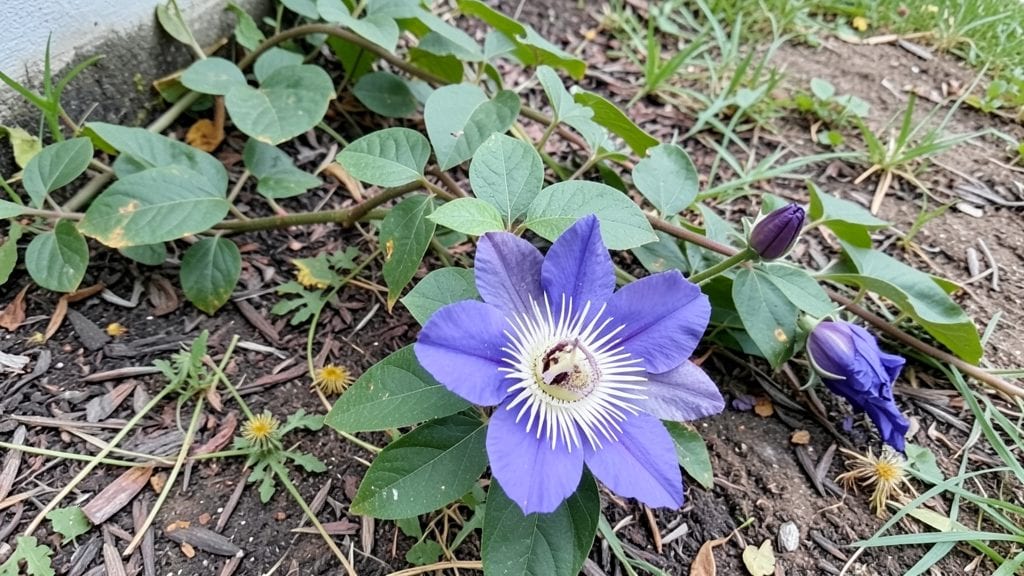
The blue crown passion flower fruit isn't just edible—it's a showstopper with velvety blue blooms that look like intricate lacework. 🌿 I grew mine in a 15-gallon container last summer, and by September, the vines were heavy with those oddly beautiful, egg-shaped fruits.
The key? Mimicking its tropical roots in a way that even small spaces can handle.
This vine thrives in full sun to partial shade, but the real trick is keeping it happy in containers. Well-draining potting mix with added compost is non-negotiable—soggy roots mean no fruit.
I use a trellis or tall cage to guide the vigorous growth, and by mid-summer, you’ll see those signature blooms opening daily. The fruits take about 80 days to mature after flowering, so patience pays off.
Harvest time is pure magic: the fruits start green, ripen to yellow, and develop a papery texture when ready. They’re tart and seedy—think a cross between a guava and a passion fruit—but worth the effort for their ornamental value alone.
Even if you don’t eat them, the blooms attract hummingbirds like crazy, and the vines add drama to any patio or balcony.
Prune back in early spring to encourage bushier growth, and watch for spider mites on dry days—neem oil is your best friend. With the right care, this vine will reward you for years, producing more fruit and flowers than you can handle. Ready to grow one?
📚 In This Guide
- What you need
- Instructions
- Tips and common mistakes
- Wrapping up and next steps
What you need
- ● Blue Crown Passion Flower Plant: 1 healthy Passiflora incarnata (Maypop) or Passiflora caerulea (Blue Passionflower) plant (potted or bare-root)
- ● Ensure it’s disease-free and has strong vines (3–6 inches long is ideal).
- ● Container: 1 large container (15–20 gallons) with drainage holes
- ● Material: Terracotta, fabric grow bags, or plastic (terracotta helps prevent root rot).
- ● Potting Mix: 5–10 gallons of well-draining cactus/succulent mix or a blend of: 60% potting soil
- ● 30% perlite or pumice
- ● 10% compost
- ● Support Structure: 1 trellis, arbor, or sturdy cage (4–6 feet tall) for vines to climb.
- ● Fertilizer: Balanced 10-10-10 fertilizer or organic options like worm castings or fish emulsion.
- ● Watering Can or Hose: With a gentle spray nozzle for hydration without disturbing soil.
- ● Mulch: Shredded bark or straw to retain moisture and regulate soil temperature.
- ● Pruning Shears: For shaping vines and encouraging bushier growth.
- ● Epsom Salt: 1 tablespoon monthly to boost magnesium (great for vibrant blooms!).
- ● Shade Cloth (30–50% coverage): Protects young plants from harsh afternoon sun.
- ● Slow-Release Fertilizer Pellets: Mix into soil at planting for steady nutrition.
How to grow blue crown passion flower fruit in containers
Here's my foolproof method for growing these stunning tropical vines in pots—no greenhouse required.
🪴 Step 1: Select the Right Container and Drainage
Choose a container that's at least 12 inches deep and 18 inches wide for each plant, since Blue Crown passion vines grow aggressively. I prefer unglazed terra cotta pots because they breathe and help prevent root rot. Make sure it has multiple drainage holes—passion vines hate soggy roots, and poor drainage is the #1 reason they fail in containers.
If your chosen pot doesn't have enough holes, drill 3-4 additional ones along the bottom. Line the drainage holes with coarse gravel or broken pottery shards to prevent soil from washing out while still allowing excess water to escape. This layer should be about 1 inch thick—just enough to create that barrier without restricting drainage.
🌱 Step 2: Prepare the Soil Mix for Tropical Growth
Passion vines need well-draining, fertile soil that mimics their native tropical environment. Mix equal parts of potting soil, perlite, and compost—that's 1 part potting soil, 1 part perlite, and 1 part compost for every 2 gallons of mix. The perlite keeps roots aerated, while the compost provides the nutrients these heavy feeders crave.
Fill the pot halfway with this mix and press down lightly to settle it. Don't compact it too much—you want roots to grow easily through the soil. Here's the thing: passion vines are sensitive to soil chemistry, so if your tap water is hard, use rainwater or distilled water for mixing and watering to avoid mineral buildup that can stunt growth.
☀️ Step 3: Plant and Position for Maximum Sunlight
Dig a hole in the center of the pot twice as wide as the root ball but no deeper. Gently remove your Blue Crown passion vine from its nursery pot and place it in the hole, spreading the roots outward. Fill in around the roots with your prepared mix, pressing lightly to eliminate air pockets. Water immediately after planting to help the soil settle and eliminate any gaps.
Position your container in a spot that gets full sun for at least 6 hours daily—passion vines are sun worshippers. If you're in a hot climate, provide afternoon shade to prevent leaf scorch. You'll know your plant is getting enough light when the leaves are deep green and glossy, not pale or yellowing. If the vines start growing leggy and stretching toward the light, they need more sun.
💧 Step 4: Water and Fertilize for Lush Growth
Water your Blue Crown passion vine deeply once a week, allowing the top 2 inches of soil to dry out between waterings. These tropical plants love moisture but can't tolerate soggy roots. Stick your finger in the soil—if it feels dry 1-2 inches down, it's time to water. When watering, pour slowly until it drains freely from the bottom holes, then empty the saucer to prevent root rot.
Feed your plant with a balanced liquid fertilizer (10-10-10) every 2 weeks during the growing season (spring through fall). In late winter, switch to a high-phosphorus fertilizer (5-10-5) to encourage flowering. I like to mix the fertilizer with water and apply it during my regular watering schedule—this ensures the plant gets consistent nutrition without overwhelming it.
✂️ Step 5: Prune and Train for Bushier Growth
Prune your Blue Crown passion vine in early spring before new growth begins. Cut back any dead, diseased, or weak stems to the base. Then, trim the remaining stems back by one-third to encourage bushier growth. This is also the time to remove any suckers growing from the base—focus energy on the main vine for the first year.
As the vine grows, train it along a strong trellis or support structure to keep it contained. Passion vines are aggressive climbers, and without support, they'll sprawl everywhere. Gently tie the main stems to the trellis with soft plant ties every 6-8 inches as they grow. Watch for new growth at the nodes—these are your cues to keep training upward. With proper pruning and support, your vine will produce more flowers and fruit while staying manageable in containers.
Tips & tricks for growing blue crown passion flower fruit in containers
Here's what I've learned after growing these stunning tropical vines for years—tricks that'll help you avoid common pitfalls and get the best results.
Container Size Matters: The 12-inch depth and 18-inch width aren't just suggestions—they're essential for these aggressive growers. I've seen passion vines outgrow smaller containers within months, leading to root-bound stress. If you're using decorative pots, nest them inside sturdy grow pots to provide the needed space while keeping your aesthetic.
Drainage Layer Detail: That 1-inch layer of coarse gravel or pottery shards at the bottom isn't just for show—it's crucial for preventing soil from clogging the drainage holes. I've found that using larger gravel (about ½-inch pieces) works better than small pebbles, as it creates better airflow while still preventing soil loss. This simple adjustment has prevented root rot in every container I've used.
Soil Mix Pro Tip: When mixing your equal parts of potting soil, perlite, and compost, I recommend adding a handful of worm castings to the mix. The extra nutrients help these heavy feeders thrive, especially in container environments where nutrients get depleted faster. This optional boost has noticeably improved my plants' growth and flowering.
Sunlight Strategy: The 6 hours of full sun is non-negotiable, but here's the thing about positioning: if your space gets intense afternoon sun (like 110°F+), move your containers to a spot with morning sun and afternoon shade. I've had plants scorch in just a few hours of peak afternoon heat—watch for crispy leaf edges as an early warning sign.
Pro Tips for Blue Crown Passion Flower Fruit
- Here's what I've learned after growing these stunning tropical vines for years—tricks that'll help you avoid common pitfalls and get the best results.
- Container Size Matters: The 12-inch depth and 18-inch width aren't just suggestions—they're essential for these aggressive growers.
- Drainage Layer Detail: That 1-inch layer of coarse gravel or pottery shards at the bottom isn't just for show—it's crucial for preventing soil from clogging the drainage holes.
Frequently asked questions
Got questions about growing or enjoying blue crown passion flower fruit? You’re not alone! Here are some of the most common queries—and their answers—to help you cultivate (or savor) this tropical gem with confidence.
How long does it take for blue crown passion flower to bear fruit?
Patience is key! With ideal conditions (sunlight, warmth, and proper care), blue crown passion flowers (Passiflora incarna) typically start producing fruit 1–2 years after planting. Some vigorous vines may even fruit sooner if grown from mature cuttings. Prune lightly to encourage fruiting—just avoid over-trimming.
Can I eat the fruit, or is it just ornamental?
Yes, you can eat it—but expect a unique (and polarizing) flavor! The fruit is edible but tart, seedy, and slightly fibrous, often described as a mix of citrus and pineapple with a hint of pepper. Best uses: jams, jellies, or fermented into wine. Note: Always confirm the species—some passion flowers are toxic.
How do I protect my blue crown passion flower in cold climates?
This tropical vine hates frost (below 20°F/-7°C). For container growers:
- Move pots indoors or to a garage before winter.
- Wrap vines in frost cloth or bubble wrap.
- Use mulch around the base for insulation.
- Prune back in spring—it’ll bounce back!
What’s the best container size for blue crown passion flower?
Aim for at least 15–20 gallons of soil volume to support its sprawling roots. Smaller pots (under 5 gallons) will stunt growth and reduce fruiting. Drainage is critical—use containers with holes and a mix of potting soil + perlite. Bonus: Add a trellis early to save space and encourage vertical growth!
Why aren’t my flowers turning into fruit?
Fruits form after pollination, and blue crown passion flowers rely on bees, butterflies, or wind. If you see flowers but no fruit:
Yes! If you love the stunning blue-purple blooms but not the fruit, try:
Pro tip: Morning pollination works best!
Are there non-fruiting varieties I can grow for flowers only?
All still attract pollinators and add tropical flair!
Wrapping up and next steps
The blue crown passion flower fruit isn’t just a stunning vine—it’s a rewarding addition to your container garden that brings beauty, pollinators, and even edible surprises! 🌿 With the right soil, sunlight, and a little patience, you can grow this tropical gem at home, even in small spaces.
Whether you’re drawn to its vibrant blooms or the potential for homegrown fruit, this plant proves that container gardening can be both practical and magical.
Ready to take the next step? Start small—grab a pot, some well-draining soil, and a cutting from a local nursery. Watch your blue crown passion flower thrive, and soon you’ll be sharing its beauty (and maybe even its fruit!) with friends. Happy gardening! 🌱✨