
Planting
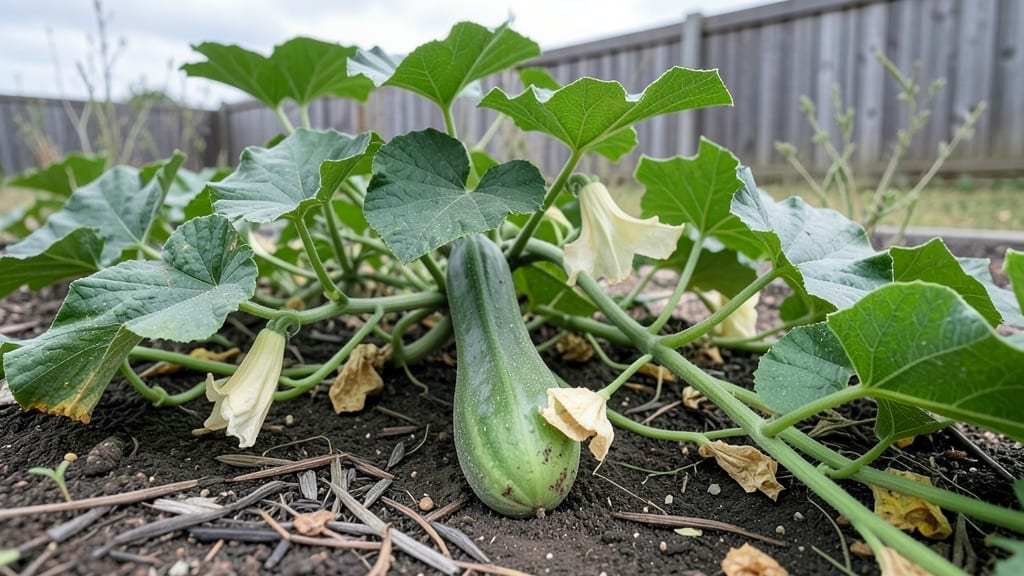
Those delicate bottle gourd plant flowers aren’t just pretty—they’re edible stars of summer teas and garnishes. 🌸 I’ve grown bottle gourds for years, and the first time I sipped tea made from their blossoms, I knew I’d never skip them again.
The key to getting those fragrant, pale-yellow blooms lies in understanding their quirks—from sunlight demands to the surprising way watering affects flowering.
Bottle gourds thrive in full sun and warm soil, but their flowers need extra attention to open reliably. Male flowers appear first and are sterile, while female flowers (with tiny gourds at their base) are the ones you want for both fruit and blooms.
Prune strategically to boost airflow, and watch how consistent moisture—never soggy soil—keeps those blossoms opening daily.
By mid-summer, you’ll have a cascade of edible flowers ready to harvest for tea, salads, or garnishes. The petals pack a mild, slightly sweet flavor that pairs beautifully with mint or chamomile.
Just remember: pick blooms in the morning when they’re freshest, and leave a few to pollinate for those prized gourds.
This works best in zones 4-11, but even in cooler climates, container growing extends the season. The real magic? Those flowers don’t just look stunning—they’re a free, homegrown ingredient that turns ordinary dishes into something extraordinary. Let’s get those blooms thriving!
📚 In This Guide
- What you need
- Instructions
- Tips and common mistakes
- Wrapping up and next steps
What you need
- ● Bottle gourd seeds: 5–10 organic, non-GMO seeds (or 1–2 healthy nursery starts if preferred). Look for heirloom varieties like "White Bush" or "Tromboncino" for best floral yields.
- ● Well-draining potting mix: 10–15 lbs of a lightweight blend (e.g., 60% coconut coir, 30% perlite, 10% compost). Avoid heavy clay soils.
- ● Containers or garden bed: For containers: 5-gallon pots (minimum) with drainage holes—3–5 plants per pot (they’re vining!).
- ● For in-ground: Full-sun spot (6+ hours/day) with 6+ feet of vertical space for trellises.
- ● Trellis or support system: 8–10 ft tall bamboo stakes, wire mesh, or a sturdy A-frame trellis. Bottle gourds are heavy climbers!
- ● Fertilizer: Starting: 1 cup balanced organic fertilizer (5-5-5 NPK) mixed into the soil at planting.
- ● Growth: Liquid seaweed or fish emulsion (every 3–4 weeks) for flowering.
- ● Garden trowel or transplant spade (for digging holes or pots).
- ● Pruning shears (sterilized with rubbing alcohol) for trimming vines and harvesting flowers.
- ● Watering can or hose with a gentle nozzle (bottle gourds hate soggy roots!).
- ○ pH test kit (optional but helpful—aim for 6.0–7.0).
- ● Glove (to protect hands from thorny vines).
- ● Mulch: Straw or shredded leaves to retain moisture and suppress weeds.
- ● Pollinator-friendly plants: Marigolds or borage nearby to attract bees (critical for fruit set!).
- ● Shade cloth (30–50%) for hot climates to protect young plants.
- ● Food-safe spray bottle for misting flowers before harvesting (keeps them fresh longer).
Step-by-step guide to cultivating edible bottle gourd flowers
Here’s how I grow these delicate, edible blooms—perfect for teas and garnishes—with minimal fuss.
🌱 Step 1: Select and Prepare Healthy Vines
Start with a mature bottle gourd (Lagenaria siceraria) vine, ideally one producing both fruit and flowers. Look for vines with 3-4 leaves per section—this signals maturity and vigor. I always choose vines with at least one open flower to ensure they’re actively blooming. Prune any yellowed or damaged leaves to redirect energy toward flower production.
Here’s the thing—bottle gourds are heavy feeders, so I fertilize the base with balanced organic fertilizer (10-10-10) two weeks before flowering begins. Water deeply at the soil line, avoiding the leaves to prevent fungal issues. You’ll know it’s working when new growth appears within 7-10 days and the vine shows fresh, deep green foliage.
☀️ Step 2: Optimize Light and Pollination
Bottle gourd flowers thrive in full sun (6+ hours daily) with temperatures between 70-85°F. If your climate runs cooler, extend the growing season with a floating row cover or move potted vines near a sunny wall. I’ve found that morning sun is ideal—it dries dew quickly, reducing mildew risk on petals.
Pollination is critical for edible blooms. Hand-pollinate by transferring pollen from male flowers (long stems, no swelling at the base) to female flowers (small fruit forming at the base) using a soft paintbrush. Do this early morning when flowers are fully open. You’ll see female flowers develop a tiny gourd within 24-48 hours—this confirms successful pollination.
🌿 Step 3: Harvest Flowers at Peak Edibility
Pick bottle gourd flowers when they’re fully open but still vibrant, typically in the morning after dew dries. Use clean, sharp scissors to cut the stem at a 45-degree angle, leaving 1-2 inches of stem attached. This preserves the flower’s delicate structure and flavor. Harvest every 2-3 days to encourage continuous blooming—overripe flowers lose their delicate texture and bitterness fades.
Store harvested blooms in a paper towel-lined container in the fridge for up to 3 days. For longer storage, gently pat dry and freeze whole flowers in a single layer before transferring to a sealed bag. Thaw in the fridge overnight before using—they’ll retain their aroma and color beautifully.
💧 Step 4: Maintain Vines for Continuous Blooms
After harvesting, water the vine at the soil line (not the leaves) to keep the root zone consistently moist but not soggy. I mulch with 2-3 inches of straw to retain moisture and suppress weeds. Bottle gourds are drought-tolerant once established, but wilting flowers mean it’s time to water—don’t let them dry out completely.
Fertilize lightly every 4-6 weeks with a low-nitrogen, high-potassium blend (like 5-10-10) to support flowering over fruiting. Prune any overly aggressive vines to focus energy on flower production. With consistent care, a single vine can produce dozens of edible blooms over a 6-8 week season.
Tips & tricks for perfect bottle gourd flower cultivation
Here's what nobody tells you about growing these delicate edible blooms—tricks that'll make all the difference between a few flowers and a bountiful harvest.
Vine Selection Secret: Look beyond just leaves when choosing vines. The key is finding vines with at least 3-4 mature leaves per section AND at least one fully open flower. This combination guarantees the vine is both established and actively blooming. I've found that vines with white male flowers and small developing female flowers produce the most consistent blooms. The presence of fruit at the base of female flowers confirms the vine's reproductive health.
Pollination Timing: The 24-48 hour window after hand-pollination is critical for flavor development. During this time, female flowers transform their sweetness and aroma into the edible blooms we harvest. I always pollinate in the early morning when flowers are fully open—this gives the full day for the chemical processes to complete. If you miss this window, the flowers may still open but will be less flavorful and more bitter.
Harvesting Technique: That 45-degree angle when cutting stems isn't just for looks—it creates a larger surface area for water uptake, keeping your harvested flowers fresh longer. I also harvest using clean, sharp scissors rather than my fingers to prevent crushing the delicate petals. The 1-2 inch stem attachment preserves the flower's natural moisture balance, which is crucial for maintaining their delicate texture during storage.
Continuous Bloom Strategy: The 6-8 week season mentioned in the instructions can actually be extended by up to 2-3 weeks if you implement this trick: After your first harvest, prune any overly aggressive vines back by about one-third. This redirection of energy often triggers a second wave of flowering. I've seen vines produce a second flush of blooms when given this mid-season pruning, effectively extending the harvest window.
Pro Tips for Bottle Gourd Plant Flower
- Here's what nobody tells you about growing these delicate edible blooms—tricks that'll make all the difference between a few flowers and a bountiful harvest.
- Vine Selection Secret: Look beyond just leaves when choosing vines.
- Pollination Timing: The 24-48 hour window after hand-pollination is critical for flavor development.
Frequently asked questions
Got questions about growing, harvesting, or using bottle gourd plant flowers? You’re not alone! Here are answers to the most common queries—from timing to troubleshooting—so you can enjoy these delicate, edible blooms with confidence.
When do bottle gourd flowers bloom, and how long do they last?
Bottle gourd flowers typically bloom 45–60 days after planting, depending on climate and care. The fragrant white or yellow blossoms open in the morning and wilt by evening—so harvest them early! With proper pruning, you’ll enjoy continuous blooms for 6–8 weeks during peak season.
Can I use bottle gourd flowers for tea if they’ve been rained on?
No—never use wet flowers for tea or garnishes. Rainwater can introduce bacteria or pesticides. Wait until blooms are fully dry (after sunrise) or harvest under cover. Store them in a paper bag in the fridge for up to 3 days to preserve freshness.
What if my bottle gourd plant isn’t flowering?
Common culprits: lack of sunlight (needs 6+ hours/day), over-fertilizing with nitrogen (switch to phosphorus-rich fertilizer), or stress from pests/drought. Try hand-pollinating flowers with a soft brush if bees are scarce. Prune leggy vines to redirect energy to blooms!
Are there alternatives if I can’t grow bottle gourd flowers?
Try these edible, fragrant blooms for tea/garnishes:
- Jasmine (sweet, floral)
- Rose petals (romantic, antioxidant-rich)
- Chive flowers (mild onion flavor, easy to grow)
- Nasturtiums (peppery, vibrant colors)
Are bottle gourd flowers safe for pets?
No—keep them away from pets!
Bottle gourd flowers (and leaves) contain cucurbitacins, which can cause stomach upset or worse in dogs/cats. Stick to pet-safe garnishes like hibiscus or calendula if sharing with furry friends.
Wrapping up and next steps
Growing bottle gourd plant flowers isn’t just rewarding—it’s a delightful way to elevate your garden’s beauty and culinary potential! 🌸 From sipping their delicate tea to adding them as edible garnishes, these blooms bring versatility and charm to any kitchen or garden.
Whether you're a seasoned gardener or just starting, now’s the perfect time to plant, nurture, and savor the unique flavors and benefits these flowers offer.
Ready to take the next step? Start by selecting healthy seeds or seedlings, then experiment with recipes or tea blends featuring these edible blooms. Your garden—and your taste buds—will thank you!