
Flowers
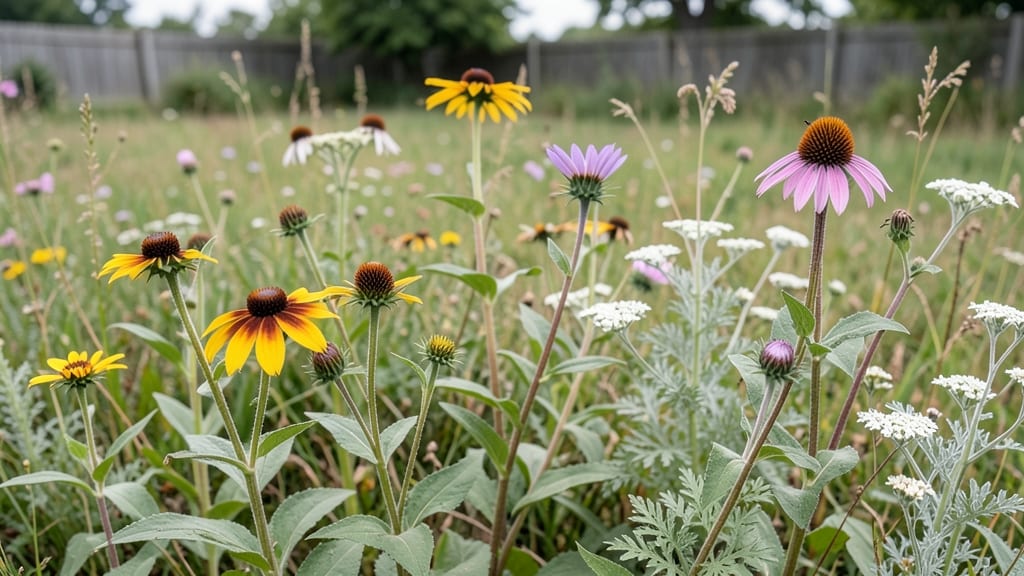
Growing wild flowers in the Pacific Northwest’s damp, cool climate isn’t just possible—it’s a celebration of nature’s rhythms, where the rain and chill become your garden’s greatest partners. 🌿 do most of the heavy lifting.
My first meadow nearly failed when I overwatered, but once I trusted the soil and seasons, the pollinators arrived in droves by early summer.
The beauty of wildflowers lies in their resilience—minimal soil prep, no need for perfect rows, and zero fuss once established.
You'll need a sunny spot (6+ hours of light), well-draining soil (even heavy clay works if amended with compost), and a mix of annuals for quick color and perennials for long-term structure.
Native blends like Pacific Coast Checker Mallow and Yarrow thrive here, while Lupine and Sword Fern add height and texture.
By late spring, you'll have a vibrant, buzzing ecosystem that outshines any manicured lawn. Bees, butterflies, and hummingbirds will make it their home, while the deep roots prevent erosion better than any sod could.
The maintenance? Just occasional weeding and letting dead stems stand through winter for seed heads and shelter. This isn't gardening—it's rewilding.
Works equally well in large meadows or small containers, whether you're restoring a degraded slope or adding a pollinator patch to your balcony. The Pacific Northwest's unique climate makes this the perfect project for gardeners who want beauty without the upkeep. Let's get those seeds in the ground.
📚 In This Guide
- What you need
- Instructions
- Tips and common mistakes
- Wrapping up and next steps
What you need
- ● Wildflower seeds: Choose native PNW varieties like Lupinus polyphyllus (Lupine), Achillea millefolium (Yarrow), or Symphyotrichum subspicatum (Douglas Aster). Aim for 1–2 lbs per 1,000 sq ft for a lush meadow.
- ● Well-draining soil: Test your soil’s pH (ideal: 5.0–7.0) and amend with compost if needed (2–3 inches mixed into the top 6 inches of soil).
- ● Sunlight access: Ensure 6+ hours of direct sunlight daily—wildflowers love open spaces!
- ● Water source: A garden hose with a sprinkler head or drip irrigation system (critical for the first 2 weeks post-planting).
- ● Garden gloves (to protect hands from prickly seeds and soil).
- ○ Handheld or broadcast seed spreader (for even distribution; optional but helpful for large areas).
- ● Rake (with fine teeth to lightly scratch soil before planting).
- ● Hoe or weeding tool (to clear debris and maintain soil health).
- ● Mulch (straw or wood chips) (1–2 inches) to retain moisture and suppress weeds.
- ● Seedling trays (if starting indoors; use biodegradable pots for transplanting).
- ● Pollinator-friendly companion plants like Ceanothus (California Lilac) or Sambucus (Elderberry) for extra biodiversity.
- ● Wildflower seed mix with neonicotinoid-free certification to protect bees.
- ● Bird feeders or baths (to attract pollinators year-round).
Step-by-Step guide to cultivating a Pacific Northwest wildflower meadow
Transform your garden into a thriving pollinator haven with these frost-resistant wildflower strategies.
🌱 Step 1: Select and Prepare the Planting Site
Choose an area with full sun to partial shade—at least 6 hours of sunlight daily—with well-draining soil. The Pacific Northwest’s damp climate means you’ll need to improve drainage in heavy clay soils by amending with 2-3 inches of coarse sand or gravel mixed into the top 12 inches of soil. Test your site by digging a 6-inch hole—if water pools instead of draining within 30 minutes, amend the soil first.
Clear existing vegetation by smothering weeds with black landscape fabric for 4-6 weeks before planting. This suppresses weeds without chemicals and prevents competition for your wildflowers. Mark your planting area with stakes to avoid accidentally tilling or disturbing the soil later.
🌿 Step 2: Choose the Right Wildflower Mix
Select a Pacific Northwest native wildflower mix that includes frost-tolerant species like yarrow, lupine, checkermallow, and blanket flower. These varieties thrive in USDA zones 6-9 and handle the region’s cool, wet springs better than non-native annuals. Avoid mixes with aggressive spreaders like creeping charlie or oxalis—they’ll take over and crowd out your pollinator favorites.
Sow seeds in early spring (March-April) or late summer (August-September) for best results. Scatter seeds thinly—aim for 1-2 pounds of seed per 1,000 square feet—and lightly rake them into the soil with a fine-toothed rake to ensure good soil contact. Press seeds into the soil just enough to cover them, but don’t bury them deeper than ¼ inch, or they may struggle to germinate.
💧 Step 3: Water and Maintain for Establishment
Keep the soil consistently moist (but not soggy) for the first 4-6 weeks after sowing. Water deeply 2-3 times per week, aiming for ½ inch of water per session. Use a soaker hose or drip irrigation to avoid disturbing the soil surface—wildflower seeds are tiny and can wash away with overhead watering. You’ll see first sprouts in 2-4 weeks, depending on species and weather.
Once seedlings reach 2-3 inches tall, reduce watering to once weekly to encourage deep root growth. Avoid fertilizing—wildflowers thrive in low-nutrient conditions and often grow better without added fertilizer. Instead, mulch lightly with ¼ inch of straw to retain moisture and suppress weeds without smothering new growth.
☀️ Step 4: Support Pollinators Through the Seasons
Wildflowers in the Pacific Northwest bloom from early spring to late fall, so plan your mix to provide continuous nectar and pollen sources. Include early bloomers like shooting stars and fawn lilies, mid-season favorites like penstemon and paintbrush, and late-season stalwarts like goldenrod and asters. This ensures pollinators like bees, butterflies, and hummingbirds have food year-round.
Leave dead stems and seed heads standing through winter—they provide shelter for beneficial insects and food for birds. Cut back only in early spring before new growth appears. If you notice yellowing leaves or stunted growth, it may signal overwatering or fungal issues—wildflowers prefer drier conditions once established, so adjust your watering schedule accordingly.
✂️ Step 5: Divide and Renew Over Time
After 2-3 years, some wildflowers may become overcrowded or less vigorous. In early spring, dig up clumps of established plants and divide them with a sharp spade, ensuring each section has roots and foliage. Replant divisions in new areas of your garden or share with neighbors to expand your meadow. This rejuvenates the bed and prevents declining blooms.
To keep your meadow thriving, resow 10-20% of the area annually with new seed mixes. This introduces fresh genetic diversity and ensures continuous blooms as some species naturally decline over time. Keep a simple sketch or photo journal of your meadow’s layout—it helps track which areas need renewal and which varieties perform best in your microclimate.
Tips & tricks for perfect Pacific Northwest wildflower meadows
Creating a thriving pollinator paradise takes more than just scattering seeds—here's what I've learned after establishing three successful meadows in the PNW's challenging climate.
Site Preparation Secret: In Step 1, don't rush the drainage test. The 30-minute water retention check is crucial—if water pools beyond this time, you'll need to amend deeper than just the top 12 inches. I've seen heavy clay soils require up to 18 inches of sand amendment for proper drainage. Consider adding organic matter like composted leaf mold to improve soil structure over time.
Seed Mix Strategy: When selecting your wildflower mix in Step 2, look for blends with at least 30% perennials—they'll establish roots and return year after year, unlike annuals that disappear after one season. I recommend adding 10% biennials like foxglove for early blooms that attract pollinators before perennials mature. The 1-2 pounds per 1,000 square feet guideline assumes a diverse mix—if you're planting mostly perennials, you can reduce to 1 pound per 1,000 square feet.
Watering Wisdom: During the critical 4-6 week establishment period in Step 3, timing matters more than volume. Water in the early morning to allow leaves to dry before evening—this prevents fungal issues that thrive in the Pacific Northwest's damp climate. I've found that using a rain gauge helps track your ½ inch per session target more accurately than eyeballing with a watering can.
Seasonal Planning: For continuous blooms as mentioned in Step 4, create a simple seasonal chart mapping your varieties. Early bloomers like shooting stars (March-April) should make up 20% of your mix, mid-season favorites (May-August) 50%, and late-season stalwarts (September-October) 30%. This ensures pollinators have food throughout the entire growing season, even during our cooler summers.
Pro Tips for Growing Wild Flowers
- Creating a thriving pollinator paradise takes more than just scattering seeds—here's what I've learned after establishing three successful meadows in the PNW's challenging climate.
- Site Preparation Secret: In Step 1, don't rush the drainage test.
- Seed Mix Strategy: When selecting your wildflower mix in Step 2, look for blends with at least 30% perennials—they'll establish roots and return year after year, unlike annuals that disappear after one season.
Frequently asked questions
Got questions about growing wildflowers in the Pacific Northwest? You’re not alone! Here are answers to some of the most common queries to help you create a thriving pollinator paradise—even when frost rolls in.
What’s the best time of year to plant wildflowers in the PNW?
For spring-blooming varieties (like Lupinus or Camassia), plant seeds in late summer or early fall (August–October). Frost-stratification helps them germinate better! For summer-bloomers (e.g., Eschscholzia or Lavandula), sow seeds in early spring (March–April) after the last frost. Pro tip: Native seeds thrive when planted at their natural time—mimic the wild!
How do I protect wildflowers from PNW frost?
Most native wildflowers are frost-hardy, but young seedlings need extra care. Use lightweight row covers or mulch with straw to insulate soil. Avoid heavy mulch, which can smother seeds. Choose late-season bloomers (like Solidago) for extended color after frost. Bonus: Plant in south-facing spots for warmth!
Will wildflowers attract bees and butterflies, or just deer?
Wildflowers are a pollinator magnet! Native species like Ceanothus (California lilac) and Achillea (yarrow) draw bees, butterflies, and hummingbirds. To deter deer, mix in unpalatable plants like Lavandula or Rudbeckia. Avoid planting near veggie gardens—deer love tender shoots! Tip: Add a physical barrier (like fencing) if deer are a problem.
Are there budget-friendly alternatives to buying wildflower seeds?
Collect seeds from local wildflowers (with permission) or swap with gardening groups. Check native plant nurseries for bulk discounts. DIY tip: Save seeds from plants like Daucus carota (wild carrot) or Taraxacum officinale (dandelion)—they’re free and pollinator-friendly!
What do I do if my wildflowers aren’t germinating?
Check these fixes:
- Seed freshness—store seeds in a cool, dry place (most last 1–2 years).
- Soil contact—many wildflowers need light to germinate; press seeds lightly into soil.
- Moisture—keep soil damp but not soggy.
- Patience! Some natives (like Penstemon) take months to sprout. Troubleshoot: Test soil pH—most PNW natives prefer slightly acidic (6.0–7.0).
Wrapping up and next steps
Growing wildflowers in the Pacific Northwest isn’t just about adding beauty to your space—it’s about creating a thriving ecosystem that supports pollinators and defies frost! 🌸 With the right native species, soil prep, and care, you’ll transform even the toughest climates into a vibrant haven.
Whether you’re a beginner or a seasoned gardener, every seed planted is a step toward a greener, buzzing future.
Ready to take the next step? Start small—pick one or two native wildflowers to test your newfound skills, then expand your garden as confidence (and blooms!) grow. Your pollinator friends will thank you!