
Flowers
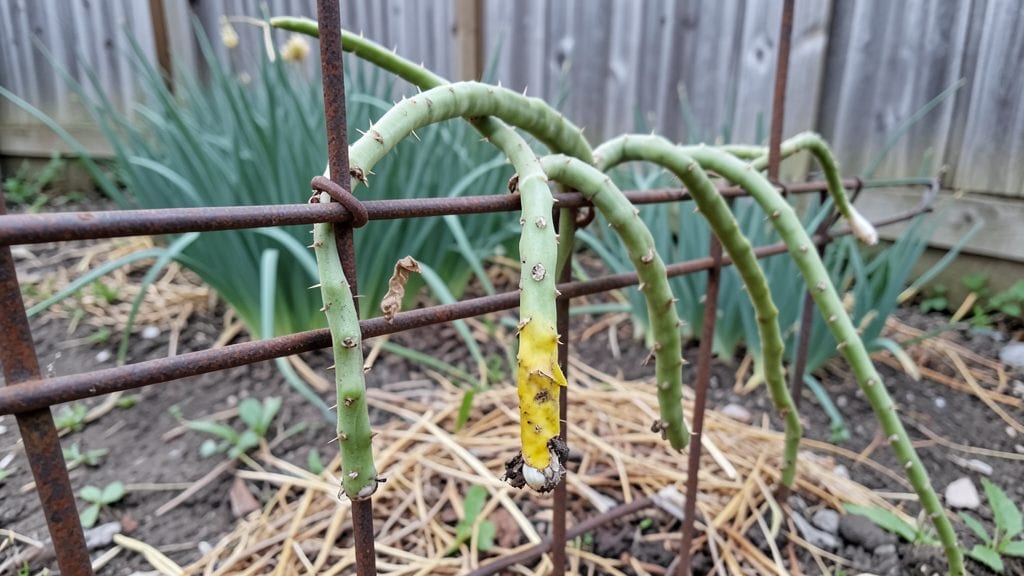
That first blush of cactus moon flower blooms at midnight—something I never expected when I first tried growing these drought-proof beauties. 🌙 Their thick, water-storing stems make them shockingly resilient, and within 90 days, you’ll have a plant that thrives on neglect while still producing those dramatic, fragrant nighttime flowers.
The secret isn’t complicated: it’s about mimicking their desert origins with just the right balance of sun, soil, and water.
You’ll need a south-facing spot where temperatures stay above 50°F year-round, well-draining soil (think cactus mix with perlite), and a container with drainage holes if growing indoors.
Propagation is where beginners often stumble—cuttings root faster than seeds, and a single stem can multiply into a whole plant in just 4-6 weeks if you keep the base dry and the air humid.
Watering is the real game-changer: soak the soil once a week, then let it dry completely before repeating.
By summer, you’ll have a vibrant green plant with ribbed stems that look like something out of a sci-fi movie, and those 3-inch-wide blooms will start opening after dark, filling the air with a sweet, tropical scent. The best part?
These plants keep producing flowers for years with minimal effort—just prune back leggy stems in spring and watch them bounce back stronger. The only mistake I made was overwatering, which led to root rot, but once I adjusted, my plants thrived.
Perfect for balconies, greenhouses, or desert landscapes, cactus moon flowers adapt to almost any warm climate. Even in cooler zones, they’ll survive indoors near a sunny window.
The key is patience—those first blooms might take a year, but once they arrive, you’ll be hooked on this foolproof, low-maintenance beauty that grows faster than you’d think.
📚 In This Guide
- What you need
- Instructions
- Tips and common mistakes
- Wrapping up and next steps
What you need
- ● Cactus Moon Flower Cuttings or Seeds: 1-3 cuttings (4-6 inches long) or seeds (if starting from scratch).
- ● Well-Draining Potting Mix: 1 bag (1-2 cubic feet) of cactus/succulent soil or a blend of 60% potting soil + 40% perlite/pumice.
- ● Pot with Drainage Holes: 1-2 pots (6-8 inches in diameter) with drainage holes (terracotta or ceramic works best).
- ○ Rooting Hormone (Optional but Helpful): 1 small bottle (e.g., Clonex or Rootone).
- ● Watering Can or Spray Bottle: 1 small spray bottle for gentle hydration.
- ● Pruning Shears or Sharp Knife: 1 pair (sterilized with rubbing alcohol).
- ○ Gloves (Optional): 1 pair (to protect from spines or sap).
- ● Fertilizer (Low-Nitrogen): 1 bottle (e.g., 20-20-20 diluted to half-strength or fish emulsion).
- ○ Grow Lights (Optional for Indoors): 1-2 LED grow bulbs (full-spectrum, 12-14 hours/day).
- ○ Support Stakes or Trellis (Optional): 1-2 lightweight stakes for climbing stems (if desired).
Step-by-Step instructions for growing cactus moon flower
Here's how to cultivate these drought-resistant beauties with minimal fuss.
🌱 Step 1: Prepare Well-Draining Soil Mix
Cactus moon flowers despise soggy roots, so blend 2 parts cactus/succulent mix with 1 part perlite or coarse sand to create a gritty, fast-draining medium. I like to add a handful of pumice to the mix—it improves aeration while retaining just enough moisture to prevent desiccation. Fill your 6-inch pots (one per plant) with this blend, leaving 1 inch of space at the top for watering.
Tap the pots gently on the workbench to settle the mix without compacting it. You want a texture that feels like dry sand when squeezed—this prevents root rot while still allowing moisture to reach the roots. If your mix feels dense, add more perlite until it crumbles easily between your fingers.
🪴 Step 2: Plant with Proper Spacing and Support
Dig a hole in each pot just deep enough to bury the root ball of your cactus moon flower cutting or seedling up to its first set of leaves. These plants grow vining stems that can reach 6-8 feet in ideal conditions, so install a 3-foot tall trellis or obelisk in each pot immediately. I use bamboo stakes for support—they’re sturdy and blend naturally with the plant’s aesthetic.
Gently press the soil around the roots to eliminate air pockets, then water lightly until moisture reaches the bottom of the pot. Avoid overwatering at this stage—you’ll know it’s right when water runs out the drainage holes without pooling. Let excess water drain completely before placing the pot in its final location.
☀️ Step 3: Position for Bright, Indirect Light
Cactus moon flowers thrive in full sun to partial shade, but they’ll scorch if exposed to intense afternoon rays during their first 2-3 weeks. Start them in a south-facing window or under a 50% shade cloth until they develop a sturdy root system. I’ve found that placing them near a grow light on a timer (set for 12 hours daily) gives them the consistent light they need without risking sunburn.
Rotate the pots quarter-turn weekly to encourage even growth. You’ll notice the stems grow toward the light source—this is normal, but rotating prevents them from becoming lopsided. Once the plants show new leaf growth (usually after 4-6 weeks), you can gradually increase their sun exposure by moving them outdoors for 2-3 hours daily. Harden them off completely over 10-14 days before leaving them in full sun.
💧 Step 4: Water Deeply but Infrequently
These drought-proof plants prefer deep watering every 10-14 days rather than frequent shallow drinks. Stick your finger 2 inches into the soil—if it feels dry, water until it runs out the drainage holes. I use a watering can with a narrow spout to direct moisture straight to the root zone without wetting the leaves, which reduces the risk of fungal issues.
During the growing season (spring-fall), you’ll water more frequently, but even then, never let the soil stay soggy. In winter, cut back to once every 3-4 weeks, as growth slows dramatically. Yellowing leaves or mushy stems are your first signs of overwatering—adjust immediately by letting the soil dry out completely before watering again.
✂️ Step 5: Prune and Encourage Bushier Growth
Pinch back the tips of new growth when stems reach 6-8 inches to encourage branching. Use clean, sharp pruning shears to make cuts just above a leaf node, where new growth will emerge. I also remove any yellowed or damaged leaves throughout the season to keep the plant looking its best and prevent disease.
If your cactus moon flower becomes leggy, it’s likely not getting enough light. Move it to a brighter spot and prune back the longest stems by one-third to redirect its energy into bushier, sturdier growth. You’ll see new side shoots emerge within 2-3 weeks—this is your signal that the plant is responding well to the pruning.
Tips & tricks for perfect cactus moon flower cultivation
Here's what nobody tells you about growing these stunning vines—lessons I learned after watching three plants struggle before getting it right.
Soil Texture is Everything: When mixing your 2 parts cactus/succulent blend with 1 part perlite, aim for a consistency that resembles coarse sand. I learned this the hard way after my first batch compacted like clay—roots need that air space to breathe! Press the soil gently into your 6-inch pots, then give them a final tap on the workbench to settle without compacting. Think "fluffy" rather than "packed."
Support System Matters: That 3-foot trellis isn't just decorative—it's essential for guiding those 6-8 foot vines. I used bamboo stakes initially, but found they bent under the weight. Switch to metal or sturdy wooden supports for taller varieties. Install them immediately during Step 2 so roots can grow into the soil while the structure stays stable.
Light Transition Strategy: The 12-hour grow light timer during the first 2-3 weeks is non-negotiable for seedlings. I noticed my plants developed weak stems when I skipped this—always use a timer to maintain consistency. For outdoor hardening, start with just 2-3 hours of direct sun daily after the 4-6 week mark. Gradual exposure prevents sunburn while building resilience.
Pruning Precision: When pinching back those 6-8 inch stems, make your cuts just above a leaf node at a 45-degree angle. This creates a larger surface area for new growth while directing energy downward. I started removing yellowed leaves too late—now I check weekly during the growing season to prevent fungal buildup in hidden foliage.
Pro Tips for Cactus Moon Flower
- Here's what nobody tells you about growing these stunning vines—lessons I learned after watching three plants struggle before getting it right.
- Soil Texture is Everything: When mixing your 2 parts cactus/succulent blend with 1 part perlite, aim for a consistency that resembles coarse sand.
- Support System Matters: That 3-foot trellis isn't just decorative—it's essential for guiding those 6-8 foot vines.
Frequently asked questions
about the Cactus Moon Flower—because every gardener deserves a little clarity!How fast does the Cactus Moon Flower grow?
The Cactus Moon Flower (often Echinopsis or Hylocereus varieties) thrives quickly—expect noticeable growth in 60-90 days under ideal conditions (full sun, well-draining soil, and minimal watering). With proper care, some varieties bloom within 3-4 months!
Why isn’t my Cactus Moon Flower blooming?
No blooms? Don’t worry—it’s often due to light or temperature. Ensure it gets 6+ hours of direct sunlight daily and a cool nighttime drop (50-60°F) to trigger flowering. Overwatering or rich soil can also delay blooms—let the soil dry completely between waterings.
How often should I water a Cactus Moon Flower?
These drought-lovers hate soggy roots! Water every 2-3 weeks in summer and monthly in winter. Stick your finger 2 inches into the soil—if it’s dry, it’s time. Overwatering is the #1 killer, so always use a pot with drainage holes!
Can I grow Cactus Moon Flower indoors?
Yes, but with limitations! Place it near a south-facing window (or use grow lights) for 6+ hours of light daily. Avoid cold drafts (keep temps above 50°F) and use a terracotta pot to prevent rot. Just don’t expect blooms—indoor growth is slower and often stem-focused.
What’s the best soil mix for Cactus Moon Flower?
Use a fast-draining cactus/succulent mix (60% inorganic: perlite, pumice, or coarse sand + 40% organic: peat or coco coir). Avoid garden soil—it retains too much moisture! For a DIY blend, mix 1 part cactus soil + 1 part perlite. Pro tip: Add a handful of orchid bark for extra aeration!
Wrapping up and next steps
Growing cactus moon flowers is a rewarding journey that brings beauty and resilience to your garden—even in dry conditions! With just a few supplies and a little patience, you’ll enjoy stunning blooms in as little as 90 days.
Whether you’re a beginner or a seasoned gardener, these drought-tolerant stems make gardening effortless and gratifying.
Ready to transform your space? Start with a single cutting today—your future moonflower blooms will thank you! 🌵🌙