
Flowers
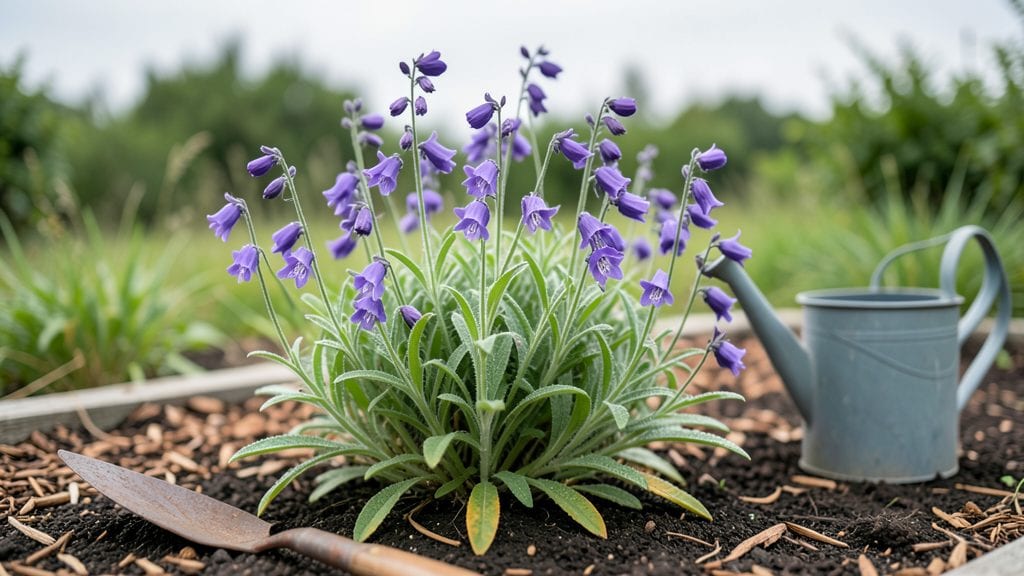
Your Pacific Northwest garden deserves campanula purple flower—those delicate bell-shaped blooms that thrive when others falter. I’ve grown them for years in my Zone 8 garden, and they’re the only plant that blooms cheerfully after our damp, chilly springs.
The secret? Planting them in spots where winter winds don’t scorch, and letting their silvery foliage shine even when flowers fade.
These hardy perennials love morning sun and afternoon shade, making them perfect for under trees or near patios where full sun would scorch. Use well-draining soil—sandy loam works best—and water deeply once a week once established.
Varieties like Campanula persicifolia (peach-leaf bellflower) and Campanula portenschlagiana (trailing bellflower) add height and texture, while deadheading spent blooms keeps them flowering until frost.
You’ll end up with cascading purple spikes that attract bees and hummingbirds while staying nearly pest-free. The foliage even survives light freezes, so you get early spring color before other plants wake up.
Prune back in early spring to encourage fresh growth, and watch them spread slowly but steadily over time.
Works in borders, rock gardens, or as a ground cover—just avoid heavy clay soil. If growth seems slow, check for overwatering or poor drainage. Once happy, these tough beauties reward you with years of low-maintenance color. Let’s get yours planted!
📚 In This Guide
- What you need
- Instructions
- Tips and common mistakes
- Wrapping up and next steps
What you need
- ● Campanula seeds or seedlings: Choose Campanula persicifolia or Campanula rotundifolia (harebell) for purple blooms. Opt for organic, non-GMO seeds if possible.
- ● Well-draining soil: Mix 1 part native soil with 1 part compost (or coconut coir for better moisture retention). Pacific Northwest clay? Amend with perlite or sand (1 part per 3 parts soil).
- ○ Mulch: 2–3 inches of cedar bark or pine needles (optional but helps retain moisture and suppress weeds).
- ○ Balanced fertilizer (optional): A 10-10-10 or 5-5-5 organic fertilizer (follow package rates for application).
- ● Garden trowel or transplant spade (for digging holes 1–2 inches deeper than the root ball).
- ● Gloves (nitrile or leather for durability).
- ● Watering can or hose with a gentle spray nozzle (avoid overwatering!).
- ● Pruners or shears (for deadheading spent blooms or shaping plants).
- ○ pH test kit (optional): Aim for 6.0–7.0 (campanulas prefer slightly acidic to neutral soil).
- ● Sunlight: Partial shade to full sun (6+ hours of light, but morning sun + afternoon shade works best in hot PNW summers).
- ● Watering schedule: Keep soil consistently moist but not soggy (especially during the first 2–3 weeks after planting).
- ● Frost tolerance: Campanulas thrive in USDA Zones 3–8—perfect for PNW’s chilly winters! 🥶
Step-by-Step guide to planting and caring for campanula purple flowers
Here’s how to establish these hardy perennials with minimal fuss—ideal for Pacific Northwest gardens.
Choose the Right Location and Prepare the Soil
Campanula thrives in partial shade to full sun, with morning sun and afternoon shade being ideal in hotter regions. In the Pacific Northwest’s cooler climate, they tolerate full sun as long as the soil stays consistently moist. Test your spot: if it stays damp after rain, full sun works; if it dries out quickly, opt for partial shade.
Work 2-3 inches of compost into the topsoil to improve drainage and fertility. Campanula dislikes soggy roots, so if your soil is heavy clay, mix in 1 part perlite or coarse sand to every 2 parts native soil. Loosen the soil to a depth of 12 inches—this encourages deep root growth, which helps them withstand winter frosts.
Plant Divided Roots or Seeds at the Correct Time
For fastest results, plant bare-root divisions in early spring (March-April) or early fall (September-October). Soak the roots in lukewarm water for 1-2 hours before planting to rehydrate them. Dig holes twice as wide as the root ball but only as deep—the crown (where roots meet stems) should sit just below soil level. This prevents rot while allowing easy access to moisture.
If starting from seed, sow in late spring (May-June) after the last frost. Scatter seeds on the surface—campanula seeds need light to germinate, so don’t cover them. Press them lightly into the soil and mist with water. Germination takes 2-4 weeks in ideal conditions, but be patient—some seeds may take longer, especially in cooler climates.
Water Deeply and Mulch for Winter Protection
Water deeply once a week for the first 4-6 weeks after planting, ensuring the soil is moist 6 inches down. You’ll know it’s right when water runs out the drainage holes but doesn’t pool on the surface. After establishment, campanula is drought-tolerant but blooms best with consistent moisture. Reduce watering in winter unless temperatures drop below 20°F, when a 2-inch layer of mulch (like shredded bark or straw) protects roots from freeze-thaw cycles.
Mulch also suppresses weeds and retains soil moisture. Apply mulch 2-3 inches thick, keeping it 2 inches away from the stems to prevent rot. In the Pacific Northwest, where winters are wet, this extra layer is crucial—it keeps roots from heaving out of the ground during freeze-thaw cycles.
Prune and Fertilize for Long-Lasting Blooms
Deadhead spent blooms throughout the summer to encourage more flowers. Use clean, sharp pruners to cut back stems to the first set of healthy leaves below the dead bloom. This redirecting energy prevents the plant from setting seed and promotes another flush of flowers by late summer. Avoid cutting into old wood—campanula blooms on new growth, so prune lightly.
Fertilize once in early spring with a balanced, slow-release fertilizer (10-10-10). Over-fertilizing leads to lush foliage but fewer blooms. Scatter granules 4-6 inches away from the base and water deeply to activate them. Skip fall fertilization—campanula enters dormancy in late summer, and feeding at this time can encourage tender new growth that won’t survive winter.
Divide Established Plants Every 3-4 Years
Campanula forms dense clumps over time, and dividing them every 3-4 years keeps them vigorous. The best time is early spring before new growth appears. Dig up the entire plant and gently separate it into 3-4 inch sections, ensuring each has 3-5 healthy stems. Replant divisions immediately in prepared soil, watering deeply to help them establish.
This step prevents overcrowding, which reduces flowering and invites pests. You’ll notice older plants with fewer blooms and more bare stems—that’s your cue to divide. Share extras with neighbors; campanula spreads easily and makes a great gift for fellow gardeners in similar climates.
Tips & tricks for perfect campanula purple flower planting
A few key strategies will help your campanula thrive in Pacific Northwest conditions—and prevent common pitfalls that can stunt growth or reduce blooms.
Soil Preparation Insight: In Step 1, when amending heavy clay soil, consider adding a handful of worm castings along with the perlite. This boosts microbial activity while improving drainage—campanula roots will thank you with stronger growth. The 12-inch deep loosening is especially critical in our region's compacted soils, where roots need that extra space to establish before winter.
Planting Timing Secret: For bare-root divisions in Step 2, I've found that planting in late March (rather than early spring) gives roots a head start before summer heat arrives. The 1-2 hour soaking in lukewarm water is non-negotiable—it jumpstarts root hydration and reduces transplant shock. If you're planting in fall, aim for mid-September to allow roots to establish before ground freezes.
Watering Technique: The deep watering in Step 3 deserves special attention. Use a soaker hose placed at the base of the plant rather than overhead watering. This delivers moisture exactly where roots need it (6 inches down) while preventing fungal issues from wet foliage. In our region's humid summers, this simple adjustment can mean the difference between healthy plants and powdery mildew.
Winter Protection Strategy: When applying the 2-3 inch mulch layer in Step 3, consider using cedar chips instead of straw. Cedar naturally repels pests while providing excellent insulation against our region's freeze-thaw cycles. The key is maintaining that 2-inch gap from stems—this prevents rot while still protecting roots from temperatures below 20°F.
Pro Tips for Campanula Purple Flower
- A few key strategies will help your campanula thrive in Pacific Northwest conditions—and prevent common pitfalls that can stunt growth or reduce blooms.
- Soil Preparation Insight: In Step 1, when amending heavy clay soil, consider adding a handful of worm castings along with the perlite.
- Planting Timing Secret: For bare-root divisions in Step 2, I've found that planting in late March (rather than early spring) gives roots a head start before summer heat arrives.
Frequently asked questions
Got questions about growing Campanula purple flowers in your Pacific Northwest garden? You’re not alone! Here are some of the most common queries—and straightforward answers—to help you cultivate these frost-hardy beauties with confidence.
How do I know if my Campanula is thriving?
A happy Campanula shows vibrant, deep purple blooms, lush green foliage, and steady growth. If leaves yellow or flowers wilt quickly, it may need more water or better drainage. Pro tip: Healthy plants often self-seed, so you’ll spot tiny seedlings popping up in spring!
Can Campanula survive PNW winters without extra protection?
These flowers are frost-resistant and thrive in USDA zones 3–9, including the Pacific Northwest. Mulch around the base in late fall to shield roots from extreme cold. Bonus: Their evergreen foliage adds winter interest!
When is the best time to plant Campanula for PNW gardens?
Plant in early spring (March–April) or early fall (September–October) for optimal root establishment. Avoid summer heatwaves, which can stress young plants. If using seeds, start indoors 6–8 weeks before the last frost for a head start!
What if my Campanula flowers don’t open?
Bud blast? Often caused by overcrowding or poor drainage. Thin plants to 12–18 inches apart and ensure well-draining soil. Quick fix: Deadhead spent blooms to encourage more flowers—and watch for bees!
Are there purple Campanula alternatives for shadier spots?
Yes! Try Heuchera (coral bells) or Lobelia for shade-loving purple blooms. For a similar trailing habit, Ajuga (bugleweed) offers deep purple foliage and spikes. Pro tip: Pair with ferns or hostas for a lush, PNW-friendly shade garden!
Wrapping up and next steps
From their stunning purple blooms to their unmatched frost resilience, Campanula flowers are a dream addition to Pacific Northwest gardens! Whether you’re a seasoned gardener or just starting, these hardy beauties bring effortless charm and year-round interest with minimal fuss. 🌿✨
Ready to transform your outdoor space? Start small—plant a few Campanula varieties in your garden this season and watch them thrive! For even more inspiration, explore companion plants or creative ways to incorporate their cascading blooms into your landscape design.