
Pruning
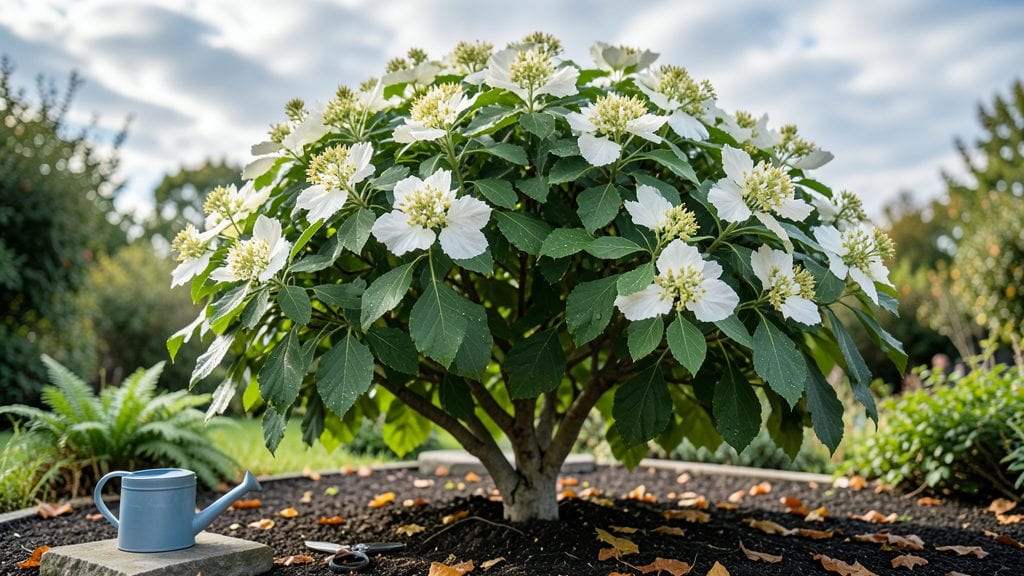
That first flush of white blossoms in early spring is what makes Chinese flower trees worth the effort—and three strategic pruning cuts keep them blooming for years.
I’ve pruned mine for five seasons now, and the difference between a ragged, overgrown mess and a tree that looks like it belongs in a botanical garden comes down to timing and technique.
The secret isn’t complicated: prune in late winter to shape the tree, trim after flowering to encourage new growth, and do a light cleanup in summer to prevent disease. Most gardeners skip the summer cut, which is why their trees look tired by fall.
With these three cuts, you’ll end up with a tree that bursts into bloom every spring and stays lush all summer long.
You’ll notice the change within weeks—new shoots emerge faster, branches fill in more evenly, and the blossoms get thicker each year. The tree becomes a showstopper in your landscape, drawing bees and neighbors alike.
And the best part? You don’t need fancy tools—just sharp pruners, a ladder, and a little patience.
Works for Bradford pears, ornamental pears, and even some crabapple varieties in similar climates. Whether you’re dealing with a young sapling or an established tree, these cuts adapt easily. Let’s get started—your tree’s next great season begins now.
📚 In This Guide
- What you need
- Instructions
- Tips and common mistakes
- Wrapping up and next steps
What you need
- ● Pruning shears: Sharp, bypass-style shears (for small branches, 6–8 inches in length).
- ● Loppers: For medium branches (1–2 inches in diameter), with long handles for leverage.
- ● Pruning saw: A curved-tooth saw for thick branches (2+ inches in diameter).
- ● Disinfectant: 70% isopropyl alcohol or a pruning sealant (to prevent disease spread).
- ● Gloves: Heavy-duty, cut-resistant gloves (to protect from thorns and sap).
- ● Ladder or step stool: Sturdy and tall enough to reach the tree’s highest branches safely.
- ● Trash bags or bucket: For collecting pruned branches and debris (5–10 gallons capacity).
- ● Extension pole pruners: For high branches without a ladder.
- ● Hand pruners with ratchet: For easier cutting of stubborn branches.
- ○ Tree wound dressing: (Optional) Pruning paste for large cuts (controversial but some gardeners swear by it!).
- ● Safety goggles: To protect from flying debris.
- ● Notebook & pencil: To jot down pruning notes or sketch a branch map for reference.
- ● Knowledge of your tree’s current health (check for pests, diseases, or dead branches before pruning).
- ● Weather forecast: Choose a dry, calm day (avoid pruning after rain or during windy conditions).
- ● Time commitment: Allocate 1–3 hours, depending on the tree’s size and your pruning goals.
- ● Safety first! Ensure your workspace is clear of obstacles and you have a spotter if using a ladder.
Instructions for pruning your Chinese flower tree
Here’s how to keep your tree blooming beautifully year-round with just three strategic cuts.
Late Winter Pruning for Structure and Airflow
Prune your Chinese flower tree—also called Chionanthus retusus—in late winter, just as new growth begins to swell. This is the most important cut of the year because it sets up healthy branches for the entire season. Remove any dead, crossing, or weak branches first using sharp pruning shears. You’ll know a branch is dead if it’s brittle, has no leaves, and snaps easily when bent.
Next, thin out the center of the tree to improve airflow and sunlight penetration. Aim to reduce the canopy by about 20-30%—this prevents fungal diseases and encourages stronger blooms. Look for branches growing inward or rubbing against others; these are prime candidates for removal. Always cut just outside the branch collar (the swollen area where the branch meets the trunk) to promote quick healing.
Light Summer Pruning to Encourage Blooms
After the first flush of spring blooms fades, give your tree a second pruning in early summer to shape it and encourage a second round of flowers. This time, focus on trimming back any overly long or leggy branches by about one-third of their length. You’ll notice these branches grow faster than others and often lack flowers—cutting them back redirects the tree’s energy into producing more blooms.
Also, remove any suckers (shoots growing from the base or trunk) and water sprouts (fast-growing vertical shoots). These compete with your tree for nutrients and weaken its overall health. Use clean, sharp pruners to make cuts at a 45-degree angle just above a leaf node or bud. Avoid heavy pruning now—stick to light shaping to avoid stressing the tree before fall.
Fall Cleanup for Winter Readiness
In late fall, after the tree has finished blooming for the season, do a final light pruning to tidy up and prepare for winter. Remove any remaining dead or diseased branches, as well as any branches that are damaged from storms or pests. This is also the time to thin out crowded areas to reduce the risk of winter dieback. Look for branches that are thinner than a pencil—these are more vulnerable to cold and should be pruned back.
Finally, give your tree a final shape adjustment to maintain its natural form. Avoid heavy pruning now, as the tree needs to harden off before winter. Instead, focus on removing only what’s necessary to keep the tree looking neat and healthy. After pruning, apply a thin layer of mulch around the base (but not touching the trunk) to protect the roots from freezing temperatures.
Post-Pruning Care for Healthy Growth
After each pruning session, your Chinese flower tree will need extra care to recover and thrive. Water deeply right after pruning to help the tree heal and reduce stress. Avoid fertilizing immediately after pruning, as new growth can be more susceptible to cold or pests. Instead, wait until spring to apply a balanced, slow-release fertilizer to support the tree’s recovery and prepare for the next growing season.
Keep an eye on your tree in the weeks following pruning. If you notice any signs of stress—like wilting leaves or slow growth—provide additional water and monitor for pests. A healthy Chinese flower tree should bounce back quickly after pruning, with strong new growth and abundant blooms the following year. With these three seasonal cuts, your tree will stay lush, vibrant, and full of flowers year after year.
Tips & tricks for pruning your Chinese flower tree
These simple yet powerful tricks will help you maintain a thriving Chinese flower tree that blooms abundantly all year.
The Timing Secret: Late winter pruning is crucial because it happens just as new growth begins to swell. This timing allows the tree to heal before the growing season kicks in. If you miss this window, wait until early spring when buds start to form—never prune in late fall or winter when the tree is dormant, as this can damage new growth.
Branch Collar Technique: Always cut just outside the branch collar—the swollen area where the branch meets the trunk. This ensures the tree can seal the wound quickly and prevents disease from entering. I learned this the hard way after making cuts too close to the trunk, which led to slow healing and potential infections.
Shape with Purpose: When thinning the canopy in Step 1, aim to create an open center that allows sunlight to reach all parts of the tree. This prevents fungal diseases and encourages stronger blooms. Think of it like creating a natural umbrella shape—wide at the top but open enough for air to circulate.
Sucker and Sprout Strategy: Don't overlook those pesky suckers and water sprouts! These fast-growing shoots compete with your tree for nutrients. In Step 2, remove them completely at the base—don't just trim them back. This redirection of energy helps your tree focus on producing more flowers instead of supporting unwanted growth.
Pro Tips for Chinese Flower Tree
- These simple yet powerful tricks will help you maintain a thriving Chinese flower tree that blooms abundantly all year.
- The Timing Secret: Late winter pruning is crucial because it happens just as new growth begins to swell.
- Branch Collar Technique: Always cut just outside the branch collar—the swollen area where the branch meets the trunk.
Frequently asked questions
Got questions about keeping your Chinese Flower Tree (Chionanthus retusus) in top shape? You’re in the right place! Here are answers to the most common concerns—from pruning timing to troubleshooting tricky growth.
When is the best time to prune a Chinese Flower Tree?
The ideal time is late winter or early spring (just before new growth starts) for shaping and rejuvenation. You can also do light pruning after blooming (summer) to maintain shape, but avoid heavy cuts then—it may reduce next year’s flowers. For year-round blooms, follow the 3-seasonal-cut method in the article!
Can I prune too much? How do I know?
Yes! Prune no more than 1/3 of the tree’s foliage at once—over-pruning stresses the tree and can lead to sparse blooms or dieback. Look for healthy, green leaves after pruning; yellowing or bare branches signal you’ve gone too far. Pro tip: Step back and check the tree’s silhouette—it should still look full, not skeletal!
Why isn’t my Chinese Flower Tree blooming?
Blooms thrive on sunlight, balanced pruning, and proper nutrition. Check these first:
- Light: Needs full sun (6+ hours/day)—move it if shaded.
- Pruning: Avoid heavy cuts in late summer/fall (new growth won’t harden before winter).
- Fertilizer: Use an acidic, bloom-boosting fertilizer (like 10-10-10) in spring.
How do I protect my Chinese Flower Tree in winter?
These trees are hardy to USDA Zones 5-8, but young or potted trees need extra care:
- Wrap the trunk in burlap if temps drop below 10°F.
- Mulch the base with 2–3 inches of wood chips to insulate roots.
- Avoid winter pruning—wait until late February.
Are there alternatives to Chinese Flower Tree for small yards?
If space is tight, consider these low-maintenance, fragrant bloomers:
Tree
Height
Bloom Time
Japanese Snowbell (Styrax japonicus)
15–25 ft
Spring
Fringe Tree (Chionanthus virginicus)
12–20 ft
Spring
Dwarf Fothergilla (Fothergilla gardenii)
3–6 ft
Spring
Wrapping up and next steps
The Chinese Flower Tree (Cercis chinensis) is a stunning addition to any garden, offering vibrant blooms and year-round beauty—but only with the right pruning care! By mastering the three seasonal cuts, you’ll keep your tree thriving, encourage lush foliage, and enjoy seasonal color for years.
Whether you’re trimming for shape, health, or blooms, consistency is key.
Ready to transform your outdoor space? Grab your tools, follow the seasonal guide, and give your Chinese Flower Tree the love it deserves! 🌸 Next, schedule your first pruning session—spring is the perfect time to start!