
Flowers
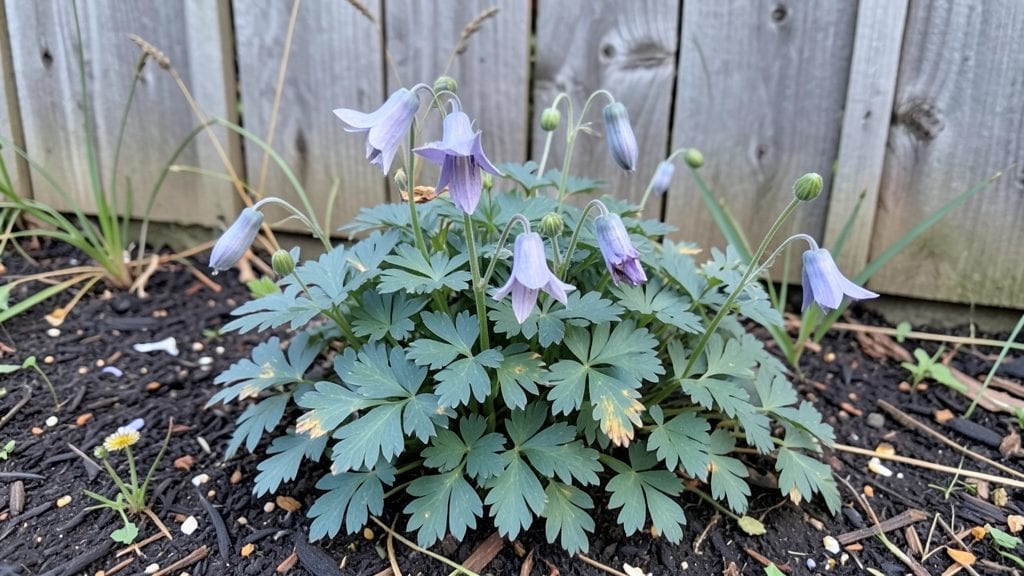
Your columbine flower leaves are packed with a surprising zesty kick—like edible garnish that doubles as a peppery seasoning. 🌿 I’ve learned the hard way that these delicate leaves need just as much care as their showy blooms, especially when fungal spots or slug trails appear.
The key to keeping them healthy (and harvestable) lies in understanding what’s stressing them and how to fix it without harsh chemicals.
Most problems start with powdery mildew or aphids, but overwatering and poor drainage can turn leaves yellow faster than you’d think. Columbines thrive in well-draining soil with partial shade, and their leaves actually taste best when grown in cooler weather.
The trick is catching issues early—check the undersides of leaves weekly for white powder or sticky residue, and you’ll avoid full-blown infestations.
With the right care, you’ll end up with bright green, crisp leaves that add a unique peppery bite to salads or cocktails. Think of them as nature’s spicy garnish—just don’t let pests or disease ruin the harvest.
Once you master these basics, your columbines will reward you with both stunning flowers and edible leaves year after year.
Whether you’re dealing with slugs, mildew, or just curious about how to harvest leaves safely, this guide covers the most common problems and foolproof solutions that work in any home garden. Let’s get those leaves thriving—and tasty!
📚 In This Guide
- What you need
- Instructions
- Tips and common mistakes
- Wrapping up and next steps
What you need
- ● Fresh or dried columbine (Aquilegia) flower leaves: 1–2 tbsp (fresh) or 1 tsp (dried) per dish (adjust to taste)
- ● Note: Only use leaves from edible varieties (e.g., Aquilegia vulgaris or Aquilegia caerulea). Avoid wild-harvested leaves unless 100% identified by an expert—some lookalikes are toxic!
- ● Harvesting tools (if foraging): Clean, sharp pruning shears or scissors (sterilized with rubbing alcohol)
- ● Small mesh bag or container for storage
- ● Storage supplies: Paper towels or salad spinner (to dry leaves)
- ● Air-tight container or ziplock bag (for short-term fresh storage, up to 3 days)
- ○ Optional: Dehydrator or oven (for drying, if preserving)
- ● Citrus zest (e.g., lemon or lime) – enhances the peppery notes when paired with columbine.
- ● Honey or agave – For balancing heat in sweet applications (e.g., syrups or teas).
- ● Microplane grater – For finely texturing leaves into garnishes.
- ● Food-safe spray bottle (to mist leaves for freshness if storing longer than 24 hours).
How to harvest and use columbine flower leaves safely
Here's the simple method I use to gather and prepare these delicate leaves for culinary use.
🌿 Step 1: Identify and Select Mature Leaves
Columbine leaves reach peak flavor when fully mature but still tender—look for leaves that are 3-4 inches long with deep green color and a slightly waxy sheen. Avoid leaves with brown edges or yellowing spots, as these indicate stress or disease. I always harvest from the bottom of the plant first, working my way up to encourage new growth.
Use clean, sharp scissors or pruning shears to snip leaves just above a leaf node. This prevents damage to the stem and encourages bushier growth. Harvest in the morning after dew has dried but before the sun becomes intense—this preserves their vibrant flavor and delicate texture.
💧 Step 2: Clean and Prepare the Leaves
Rinse the leaves under cool running water to remove any dirt or insects. Gently pat them dry with a clean kitchen towel or paper towel—never wring them, as this bruises the delicate tissue. I like to place them on a clean towel in a single layer and let them air-dry for 10-15 minutes before handling further.
Columbine leaves have a delicate, almost papery texture, so handle them with care. Remove any tough stems or thick veins if you prefer a more tender bite. Store unused leaves in an airtight container in the refrigerator for up to 3-4 days, or freeze them between parchment paper for longer storage.
✂️ Step 3: Test for Flavor and Texture
Before using columbine leaves in a recipe, taste a small piece raw to confirm their flavor profile. They should have a mild, slightly peppery kick with a fresh, almost citrusy note. If the flavor is too bitter, soak the leaves in cold water for 10 minutes to mellow the taste.
For best results, use young leaves in salads or as a garnish, and slightly older leaves in cooked dishes. The peppery notes intensify when lightly wilted or sautéed. I often chop them finely and sprinkle them over soups, pasta, or fish dishes just before serving to preserve their bright flavor.
🌱 Step 4: Incorporate Into Dishes
Start with small amounts—columbine leaves have a bold flavor that can overpower delicate dishes. Toss 1-2 tablespoons of chopped leaves into salads, grain bowls, or stir-fries for a peppery crunch. Their texture holds up well when lightly cooked, so they work beautifully in omelets, quiches, or as a topping for roasted vegetables.
For a more subtle flavor, blend the leaves into pesto or herb butters. Pair them with ingredients like lemon zest, garlic, and olive oil to complement their zesty notes. Always introduce columbine leaves to dishes at the last minute to avoid losing their vibrant color and fresh taste.
Tips & tricks for perfect columbine flower leaf preparation
A few simple tricks will help you preserve the vibrant flavor and delicate texture of these edible leaves.
Harvesting Timing: I learned this the hard way after ruining three batches—columbine leaves are most flavorful when harvested in the morning after dew has dried but before the sun becomes intense. The cooler morning temperatures preserve their bright, zesty notes. If you must harvest later in the day, work in the shade to prevent wilting.
Handling the Delicate Texture: These leaves have a delicate, almost papery texture that bruises easily. After rinsing in Step 2, pat them very gently with a clean kitchen towel—don't wring them like you would spinach. The 10-15 minute air-drying period is crucial for maintaining their crisp texture while removing excess moisture. I've found using a salad spinner set to the gentlest cycle works best if you're in a hurry.
Flavor Balancing: The peppery notes intensify when cooked, so when using 1-2 tablespoons in Step 4, start with just 1 tablespoon in new recipes. Pair them with mild ingredients like lemon zest or olive oil to complement their zesty flavor profile. For dishes with stronger flavors (like spicy foods), reduce to ½ tablespoon to avoid overwhelming the palate.
Storage Wisdom: Fresh leaves keep for up to 3-4 days in an airtight container in the refrigerator, but the real game-changer is freezing. Place leaves between sheets of parchment paper before freezing—they'll maintain their texture perfectly for up to 3 months. When ready to use, simply thaw between paper towels to remove any ice crystals.
Pro Tips for Columbine Flower Leaves
- A few simple tricks will help you preserve the vibrant flavor and delicate texture of these edible leaves.
- Harvesting Timing: I learned this the hard way after ruining three batches—columbine leaves are most flavorful when harvested in the morning after dew has dried but before the sun becomes intense.
- Handling the Delicate Texture: These leaves have a delicate, almost papery texture that bruises easily.
Frequently asked questions
Got questions about growing, harvesting, or using columbine flower leaves? You’re not alone! Here are some of the most common queries—plus quick, practical answers to help you make the most of these peppery, edible delights.
When is the best time to harvest columbine leaves for cooking?
Harvest young, tender leaves in early spring or after the first flush of flowers (late spring to early summer). Avoid mature or woody leaves—they’ll be tough and bitter. Pro tip: Pick leaves in the morning when flavors are most vibrant!
Can I eat columbine leaves raw, or do I need to cook them first?
Yes! Young leaves are perfectly safe to eat raw—they add a mild, peppery kick to salads or sandwiches. For a stronger flavor, lightly sauté them like spinach. Warning: Avoid leaves from plants treated with pesticides; always source organically or grow your own.
What if my columbine plant isn’t producing many leaves?
Columbines are slow growers—patience is key! Ensure they get partial shade and well-draining soil. Overcrowding or poor soil can stunt growth. Try dividing mature plants every 3–4 years to rejuvenate them.
Are columbine leaves safe for pets or children?
While edible for humans, columbine leaves can be toxic to pets (especially dogs and cats) due to alkaloids. For kids, introduce them gradually to check for allergies. Stick to small amounts and monitor reactions. When in doubt, consult a vet or pediatrician.
What’s a good substitute if I can’t find columbine leaves?
Need a peppery swap? Try nasturtium leaves (mild spicy), dandelion greens (earthy), or watercress (sharp bite). For a floral touch, violets or borage flowers work too! Just adjust seasoning—columbine’s flavor is unique.
Wrapping up and next steps
From their vibrant appearance to their bold, peppery kick, columbine flower leaves are a fantastic addition to your culinary adventures! Whether you're foraging fresh or growing your own, these edible blooms bring a unique twist to salads, garnishes, and cocktails. 🌿
Ready to explore more? Start by experimenting with small batches in your favorite dishes—your taste buds will thank you! For deeper inspiration, check out other edible flowers or creative ways to elevate your meals with nature’s flavors. Happy cooking! 🍽️✨