
Transplanting
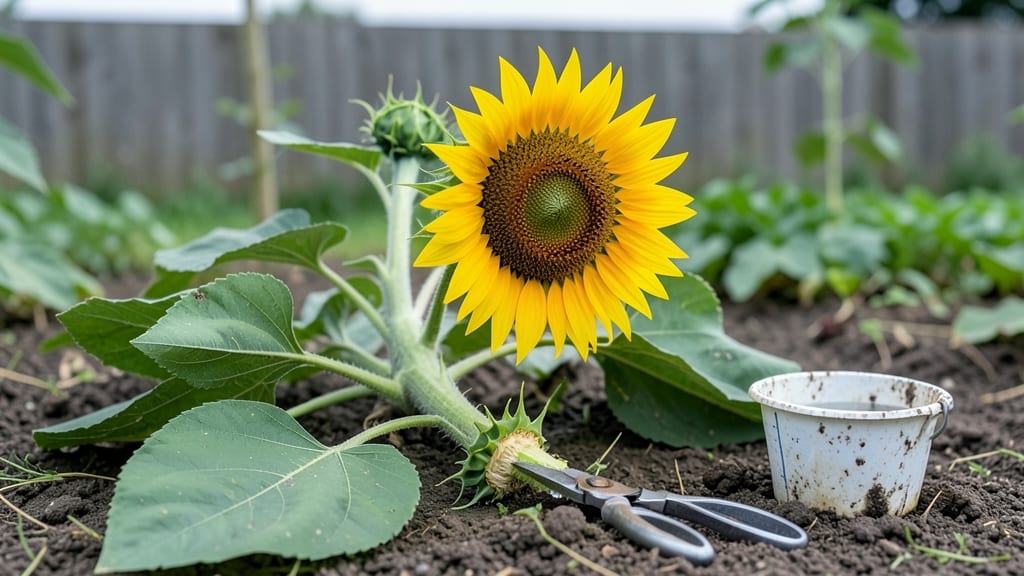
The Cutting Gold sunflower transforms any Pacific Northwest garden into a hummingbird magnet with its towering, golden blooms. 🌻 Growing this variety means year-round interest—birds flock to the nectar-rich flowers from summer through fall, while your cut stems last weeks in vases.
The secret lies in its drought tolerance and sturdy stems, perfect for both pollinators and bouquets.
Start with well-draining soil and full sun—this sunflower thrives in PNW’s mild summers without wilting. Space plants 18-24 inches apart to prevent crowding, and water deeply but infrequently once established.
A light feeding with balanced fertilizer at planting time ensures strong stems and abundant blooms, while minimal pruning keeps the plant focused on flowering rather than seeding.
By midsummer, you’ll harvest 3-4 foot stems with vibrant yellow petals that dry beautifully for winter arrangements. The real reward? Hummingbirds lingering at your feeder year-round, their iridescent wings catching the light as they sip nectar. This sunflower isn’t just a plant—it’s a living garden ecosystem.
Pair it with lavender for pollinator synergy or let it anchor a wildflower meadow. The key is patience: these sunflowers grow fast, but their impact on your garden’s biodiversity lasts all season. Ready to plant the seeds of a hummingbird haven?
📚 In This Guide
- What you need
- Instructions
- Tips and common mistakes
- Wrapping up and next steps
What you need
- ● Cutting Gold Sunflower Seeds or Cuttings: Seeds: 10–20 seeds (for direct sowing) or 5–10 seeds (for indoor starts).
- ● Cuttings: 3–5 healthy, 4–6 inch stem cuttings with at least 2–3 leaf nodes.
- ● Growing Containers: Seedling trays (72-cell) or individual pots (3–4 inches deep) for starts.
- ● Gallon-sized pots or nursery flats for cuttings (with drainage holes!).
- ● Potting Mix: 1 part seed-starting mix (sterile, lightweight).
- ● 1 part perlite or vermiculite (for drainage).
- ○ Rooting Hormone: (Optional but recommended) 1 small bottle (e.g., Clonex or Dip ‘N Grow).
- ● Pruning Shears or Sharp Scissors: Sterilized with rubbing alcohol.
- ● Spray Bottle: For misting cuttings (fill with water + 1 tsp hydrogen peroxide per cup).
- ● Plastic Wrap or Humidity Dome: To retain moisture around cuttings.
- ● Grow Lights or Sunny Windowsill: 12–16 hours of light daily for seedlings.
- ○ Heat Mat (Optional): For faster germination (70–75°F ideal).
- ● Outdoor Space: Full sun (6+ hours/day) and well-draining soil (amend with compost!).
Step-by-Step guide to Growing Cutting Gold sunflowers for hummingbirds
Here's how to cultivate these striking sunflowers—vibrant, hummingbird magnets—that thrive in Pacific Northwest climates.
🌱 Step 1: Select and Prepare the Planting Site
Choose a location with full sun exposure (6-8 hours daily), even in the PNW's cloudier months. Cutting Gold sunflowers tolerate cooler temperatures but need well-draining soil. Amend heavy clay soil with 2-3 inches of compost to improve drainage and fertility—this prevents root rot during our wet winters.
Clear the area of weeds and loosen the soil to a depth of 12 inches with a garden fork. The goal is loose, aerated soil that allows roots to establish quickly. If your soil tests acidic (common in the PNW), add pelletized lime to raise the pH to 6.0-6.8—sunflowers prefer slightly acidic to neutral soil.
🌱 Step 2: Plant Seeds at the Right Depth and Spacing
Sow seeds ½ inch deep and 6 inches apart in rows spaced 18-24 inches apart. Planting too deep delays germination, while shallow planting exposes seeds to drying winds. I like to use a small hand trowel to create individual holes—this ensures consistent depth and prevents overcrowding.
After planting, water gently but thoroughly to settle the soil around the seeds. Keep the soil consistently moist (not soggy) until germination, which typically occurs in 7-14 days when soil temperatures are above 50°F. If your spring is cool, consider using a row cover to warm the soil and speed up sprouting.
☀️ Step 3: Provide Consistent Water and Support
Water at the base of the plants in the morning to allow foliage to dry, reducing fungal diseases like powdery mildew—a common issue in PNW's humid summers. Aim for 1-1.5 inches of water weekly, adjusting for rainfall. You'll know moisture is right when the top 2 inches of soil feel dry to the touch.
As stems grow, they'll need staking. Install 6-foot bamboo stakes or a sturdy trellis near each plant when stems reach 12 inches tall. Tie stems loosely with soft garden twine—tight bindings restrict growth. Cutting Gold sunflowers can reach 5-6 feet tall, so support prevents them from toppling in wind or rain.
✂️ Step 4: Encourage Blooms and Maintain Hummingbird Appeal
Remove any side buds that form below the main flower head to direct energy into one large, showy bloom. This also prevents overcrowding and ensures each plant produces a single, spectacular flower. Watch for buds that swell but don't open—this can signal nutrient deficiency, so side-dress with balanced fertilizer (10-10-10) at half-strength.
Deadhead spent blooms promptly to encourage continuous flowering. Hummingbirds return daily for nectar, so prolonged seed heads signal the end of the food supply. Cut stems back to 6 inches above ground level after the first bloom fades—this often triggers a second flush of flowers in late summer.
⏰ Step 5: Prepare for Winter and Next Season
After the first frost blackens the foliage, cut back stems to 2 inches above ground level. Leave the cut stems in place—they provide winter interest and protect the base from erosion. In early spring, remove old stems and add 2-3 inches of mulch around the base to retain moisture and suppress weeds.
Mark the location with stakes or flags—sunflowers have deep taproots that can take years to establish fully. In subsequent years, you may see volunteer seedlings popping up nearby, indicating successful root systems. These can be transplanted or left to grow naturally for a more informal look.
Tips & tricks for perfect Cutting Gold sunflowers
These game-changing tips will help you cultivate sunflowers that thrive year-round in the Pacific Northwest—especially when dealing with our unique climate challenges.
Soil Prep Secret: In Step 1, when amending your soil with 2-3 inches of compost, consider mixing in a handful of coarse sand if you have heavy clay. This improves drainage without compromising fertility—critical for preventing root rot during our wet winters. I've found that adding a thin layer of gravel at the bottom of planting holes also helps with water flow in compacted soils.
Germination Timing: The 7-14 day germination window in Step 2 can feel like an eternity, especially in cool springs. To speed things up, soak seeds overnight before planting—this kickstarts the process. Also, plant slightly deeper (up to ¾ inch) if your soil is very dry, as extra moisture helps trigger germination faster. Just be sure to mark those deeper locations so you don't overwater later.
Watering Wisdom: For Step 3's 1-1.5 inches weekly target, I recommend using a rain gauge or tuna can to measure rainfall—our PNW skies can be deceiving. Water deeply but infrequently to encourage deep root growth, which helps these sunflowers withstand our occasional drought periods. The "top 2 inches dry" test works well, but in summer heat, you might need to water every 4-5 days instead of weekly.
Staking Strategy: When installing your 6-foot bamboo stakes in Step 3, place them slightly off-center from the main stem. This gives the plant room to grow toward the light while still providing support. I've also found that tying stems with soft fabric strips instead of twine prevents stem damage as they grow thicker—especially important for our windy coastal areas.
Pro Tips for Cutting Gold Sunflower
- These game-changing tips will help you cultivate sunflowers that thrive year-round in the Pacific Northwest—especially when dealing with our unique climate challenges.
- Soil Prep Secret: In Step 1, when amending your soil with 2-3 inches of compost, consider mixing in a handful of coarse sand if you have heavy clay.
- Germination Timing: The 7-14 day germination window in Step 2 can feel like an eternity, especially in cool springs.
Frequently asked questions
When is the best time to plant Cutting Gold sunflowers for hummingbirds?
Plant Cutting Gold sunflowers in early spring (after the last frost) or late summer for a fall bloom—just as hummingbirds migrate through the Pacific Northwest! These sunflowers thrive in cool climates, so don’t wait until summer heat sets in. For year-round blooms, stagger plantings every 2-3 weeks.
How long does it take for Cutting Gold sunflowers to bloom and attract hummingbirds?
Expect blooms 60–70 days after planting, depending on soil warmth and sunlight. Hummingbirds will visit as soon as flowers open, but deadheading spent blooms (removing faded flowers) encourages non-stop regrowth. Pro tip: Plant near feeders to create a "buffet" effect!
Can I grow Cutting Gold sunflowers in containers, or do they need a garden bed?
Yes! These sunflowers adapt well to large containers (12"+ diameter) with drainage holes. Use lightweight potting mix and place them in full sun (6+ hours/day). Just ensure containers are sturdy—their tall stems (up to 5–6 feet) can tip over in windy PNW conditions. Add a stake for support if needed.
Why aren’t hummingbirds visiting my Cutting Gold sunflowers?
Check these fixes:
- Location: Plant near shrubs or fences for perching spots.
- Water: Keep soil moist but not soggy—hummingbirds love nectar-rich flowers.
- Pests: Spider mites or aphids can deter birds. Spray with water or use neem oil.
- Timing: Hummingbirds feed at dawn/dusk. Observe their flight paths!
Are there alternatives to Cutting Gold sunflowers for hummingbird gardens?
Pair Cutting Gold with these PNW-friendly hummingbird magnets:
Plant
Bloom Time
Why It Works
Bee’s Bliss Zinnia
Summer–Fall
Long, tubular flowers = easy sipping for hummers!
Coral Bells (Heuchera)
Spring–Summer
Drought-tolerant and attracts early-season visitors.
Salvia (Scarlet Sage)
Summer–Fall
High nectar production; thrives in cool, wet climates.
Pro tip: Mix heights and colors to create a layered "hummingbird highway" in your garden!
Wrapping up and next steps
Creating a cutting gold sunflower haven in your Pacific Northwest garden is a rewarding way to attract hummingbirds year-round! 🌸 These vibrant blooms not only bring beauty but also support local wildlife while thriving in your climate. Whether you're a seasoned gardener or just starting, your efforts will flourish—literally.
Ready to take the next step? Start small—plant a few cuttings this season and watch your garden transform. Share your progress with fellow gardeners, and soon, you’ll be the go-to spot for hummingbirds in the neighborhood! 🐦⬛✨