
Flowers
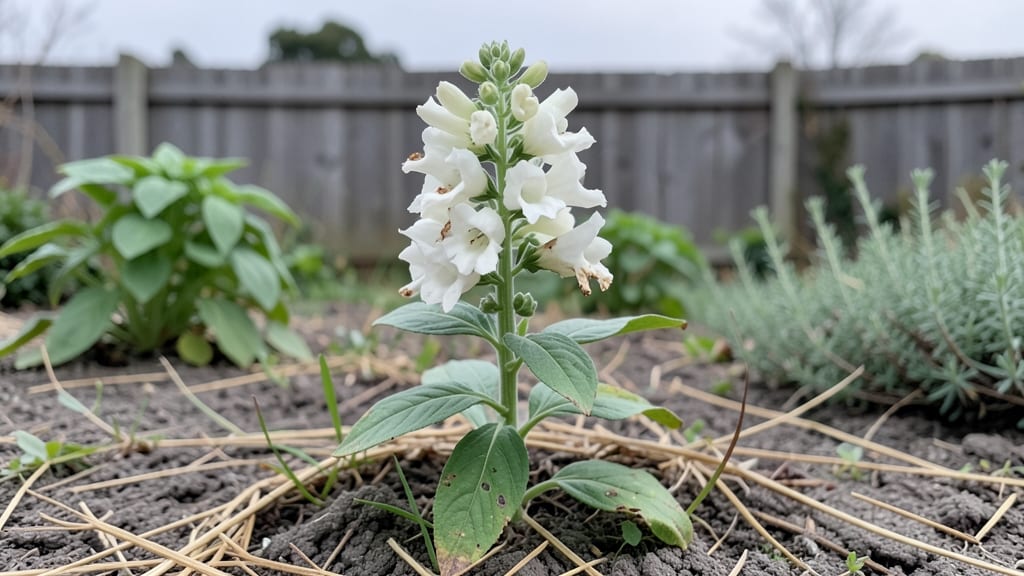
Growing white snapdragons in the Pacific Northwest means frost-resistant blooms that thrive when others falter. ✨ These elegant flowers stand tall through winter's chill, their crisp white petals adding drama to any garden—especially when planted in partial shade where summer heat would scorch other varieties.
The secret to their hardiness starts with well-draining soil mixed with compost, and a spot that gets morning sun but afternoon shade. They're surprisingly low-maintenance once established, needing only consistent moisture and an occasional feeding with balanced fertilizer. My plants have rebloomed reliably for years with minimal fuss.
You'll love how they attract pollinators while staying disease-resistant in damp climates. Their 3-4 foot spikes create vertical interest, and the blooms last from early summer through fall's first frost. The key is spacing them 12-18 inches apart at planting to prevent mildew in our humid summers.
Perfect for cottage gardens, border plantings, or even container growing. Their ability to handle our region's cool, wet springs makes them the ultimate PNW workhorse—beautiful without the high-maintenance drama of tropical annuals.
📚 In This Guide
- What you need
- Instructions
- Tips and common mistakes
- Wrapping up and next steps
What you need
- ● White snapdragon seeds (e.g., Antirrhinum majus varieties like 'Alaska' or 'Cupid White') – 1 packet (50-100 seeds) for a small patch or 3-5 packets for a full border.
- ● Seed-starting mix – 10-15 lbs (sterile, well-draining potting soil).
- ● Transplant trays or biodegradable pots – 50-100 cell trays (if starting indoors).
- ● Garden soil – Amended with 2-3 inches of compost per square foot for optimal drainage.
- ● Organic fertilizer (balanced, 10-10-10 or fish emulsion) – 1-2 lbs for transplanting.
- ● Trowel or transplant spade – For digging and precision planting.
- ● Watering can or hose with a gentle spray nozzle – Snapdragons hate soggy roots!
- ● Garden gloves – To protect your hands from prickly stems.
- ○ Row cover or frost cloth (optional but highly recommended for PNW’s chilly springs).
- ○ Stakes or cages (optional) – Tall varieties may need support as they grow.
- ● Sunlight: Full sun (6+ hours/day)—snapdragons thrive in bright, open spaces.
- ● Hardiness Zone: Zones 3-9 (perfect for the PNW’s frost-resistant perennials!).
- ● Well-draining soil: Avoid waterlogged areas—snapdragons hate soggy feet!
- ● Patience: Germination takes 7-21 days—stay consistent with moisture!
Step-by-Step instructions for growing white snapdragons in the Pacific Northwest
Here's how to cultivate these frost-hardy beauties—perfect for PNW climates and pollinator gardens.
🌱 Step 1: Choose the Right Variety and Planting Time
For the Pacific Northwest, select Antirrhinum majus varieties bred for cold tolerance, like 'White Giant' or 'Alpine White'. Plant seeds 6-8 weeks before your last frost date—typically mid-March to early April in most PNW regions. Snapdragons thrive in cooler weather, so don't wait until summer heat arrives.
Start seeds indoors under grow lights if your spring is damp and cool, as seedlings need 12-16 hours of light daily to prevent leggy growth. If sowing directly outdoors, wait until soil temperatures reach at least 50°F—cold, wet soil slows germination and invites rot. I like to test soil moisture by squeezing a handful; it should hold together but not feel soggy.
🪴 Step 2: Prepare Soil and Plant Seeds Correctly
Snapdragons prefer well-draining, slightly alkaline soil with a pH of 6.5-7.5. Amend your garden bed with 2-3 inches of compost and mix in a handful of bone meal (about 1 tablespoon per square foot) to boost phosphorus for strong root development. Work the amendments into the top 6 inches of soil—this ensures roots have access to nutrients without competing with weeds.
Sow seeds ¼ inch deep in rows spaced 12-18 inches apart. I use a seed spacing tool to maintain even depth—snapdragons hate being crowded, and over-sowing leads to weak, spindly stems. After planting, cover seeds lightly with soil and mist the area until the surface looks damp but not wet. A fine spray bottle prevents seed displacement.
☀️ Step 3: Provide Consistent Moisture and Light
Keep soil evenly moist but never waterlogged—snapdragons are drought-tolerant once established, but seedlings need consistent moisture to prevent wilting. Water at the base of plants in the morning to allow foliage to dry before evening, reducing fungal risks. You'll know moisture is right when the soil surface feels slightly damp to the touch but doesn’t glisten.
Place seedlings in full sun to partial shade—6+ hours of sunlight daily produces the most vibrant blooms. In the PNW’s cooler summers, afternoon shade helps prevent leaf scorch. If growing in containers, rotate pots quarter-turn weekly so plants grow upright instead of leaning toward the light. Watch for first true leaves (the second set after cotyledons)—this signals it’s time to thin seedlings to 6 inches apart for better airflow.
✂️ Step 4: Fertilize and Deadhead for Continuous Blooms
Feed plants with a balanced, water-soluble fertilizer (10-10-10) every 4-6 weeks starting when flowers first appear. I dilute the fertilizer to half-strength—too much nitrogen promotes leafy growth at the expense of blooms. Snapdragons are light feeders, so over-fertilizing leads to weak stems that flop in rain or wind.
Deadhead spent blooms by pinching off the flower stem just above the next set of leaves—this encourages more flowers and prevents seed pods from forming. I do this every 2-3 days during peak bloom season (late spring to early fall). Mulch with 2 inches of straw or wood chips to retain moisture, suppress weeds, and protect roots from winter frosts. In the PNW, snapdragons often survive winters with minimal protection, but a light layer of mulch ensures they bounce back stronger in spring.
⏰ Step 5: Overwinter and Prepare for Next Season
In fall, cut back stems to 2-3 inches above ground level once flowering slows. This prevents disease buildup in old growth and redirects energy to root development. Snapdragons are perennial in USDA zones 7-10, but in cooler PNW zones (6-7), they may need light winter protection. I mound 4-6 inches of straw around the base of plants in late November, then remove it in early spring once new growth appears.
Divide mature clumps every 3-4 years in early spring to rejuvenate plants. Dig up the entire clump, separate into 3-4 inch sections with roots attached, and replant immediately. This prevents overcrowding and ensures vigorous blooms. Mark your calendar for late winter seed collection—if you let some flowers go to seed, you’ll have free plants for next year’s garden.
Tips & tricks for perfect white snapdragon cultivation
These essential tips will help you grow thriving white snapdragons that thrive in the Pacific Northwest's unique climate.
Variety Selection: While 'White Giant' and 'Alpine White' are excellent choices, consider 'Cupcake' series for compact growth—ideal for containers or small gardens. These dwarf varieties reach just 12-18 inches tall while producing abundant blooms. For pollinator gardens, mix in 'Rocket' series which attracts bees with their vibrant white flowers and long blooming season.
Lighting Strategy: The 12-16 hours of daily light for seedlings is non-negotiable—use a timer for your grow lights to maintain consistency. In Step 1, if your home lacks sufficient natural light, supplement with LED grow lights placed just 6 inches above seedlings. I've found that maintaining this light distance prevents leggy growth while ensuring proper photosynthesis for strong stems.
Soil Preparation: For Step 2, test your soil's pH before amending—PNW soils often test acidic. If your soil measures below 6.5, add powdered lime at a rate of 2 pounds per 100 square feet, working it into the top 6 inches. This adjustment prevents nutrient deficiencies that can stunt growth. I also recommend adding a handful of perlite to your compost mix for improved drainage without compromising moisture retention.
Winter Protection: In Step 5, when mounding straw for winter protection, create a small depression in the center to prevent water pooling. The 4-6 inches of straw should extend beyond the plant's base to protect against freezing winds. For extra insurance in harsh winters, cover plants with frost cloth after the first hard frost—this allows light penetration while preventing ice buildup on foliage.
Pro Tips for Snapdragon Flower White
- These essential tips will help you grow thriving white snapdragons that thrive in the Pacific Northwest's unique climate.
- Variety Selection: While 'White Giant' and 'Alpine White' are excellent choices, consider 'Cupcake' series for compact growth—ideal for containers or small gardens.
- Lighting Strategy: The 12-16 hours of daily light for seedlings is non-negotiable—use a timer for your grow lights to maintain consistency.
Frequently asked questions
Got questions about growing white snapdragons in the Pacific Northwest? You’re not alone!
Here are answers to the most common ones to help you cultivate these frost-hardy beauties with ease.
How cold can white snapdragons tolerate?
White snapdragons (Antirrhinum majus) are surprisingly resilient! They can handle light frosts down to 20–25°F (-6 to -4°C) once established, making them ideal for PNW gardens. Young plants may need winter protection (like mulch or row covers) until they’re well-rooted in spring.
When is the best time to plant white snapdragons in the PNW?
For spring blooms, sow seeds indoors 8–10 weeks before your last frost (typically late February to early March in the PNW). Direct-sow outdoors after frost danger passes (mid-April to May). For fall color, plant seeds in late summer (August) for blooms before winter.
Do white snapdragons spread or need staking?
These perennials don’t spread aggressively but may flop in windy PNW conditions. For taller varieties (2–3 ft), use light stakes or cages early in the season. Deadhead spent blooms to encourage more flowers—they’ll reward you with nonstop color!
What pests or diseases should I watch for?
White snapdragons are generally pest-resistant, but keep an eye out for:
- Aphids: Spray with water or neem oil if clusters appear.
- Powdery mildew: Improve airflow and avoid overhead watering.
- Slugs: Use beer traps or diatomaceous earth in damp PNW climates.
Rotate planting locations yearly to prevent soil-borne issues.
Can I grow white snapdragons in containers?
Choose 5–7 inch pots with drainage holes and a well-draining mix (add perlite or sand). Dwarf varieties (12–18 inches tall) work best. Place containers in full sun to partial shade and water consistently—containers dry out faster than garden beds.
Pro Tip:
For longer blooms, pinch back young plants to encourage bushier growth. In the PNW’s mild winters, mulch heavily to protect roots from freezing temps. Happy growing!
Wrapping up and next steps
Growing white snapdragons in your Pacific Northwest garden is a rewarding way to add charm, resilience, and beauty to your outdoor space—especially with their frost-proof nature! Whether you’re a seasoned gardener or just starting, these flowers thrive with minimal fuss, offering elegance and pollinator support year after year. 🌸
Ready to transform your garden? Start by choosing the right variety and prepping your soil—then watch your white snapdragons bloom with joy! Share your progress with fellow gardeners or experiment with companion plants for a stunning display. Happy growing! ✨