
Flowers
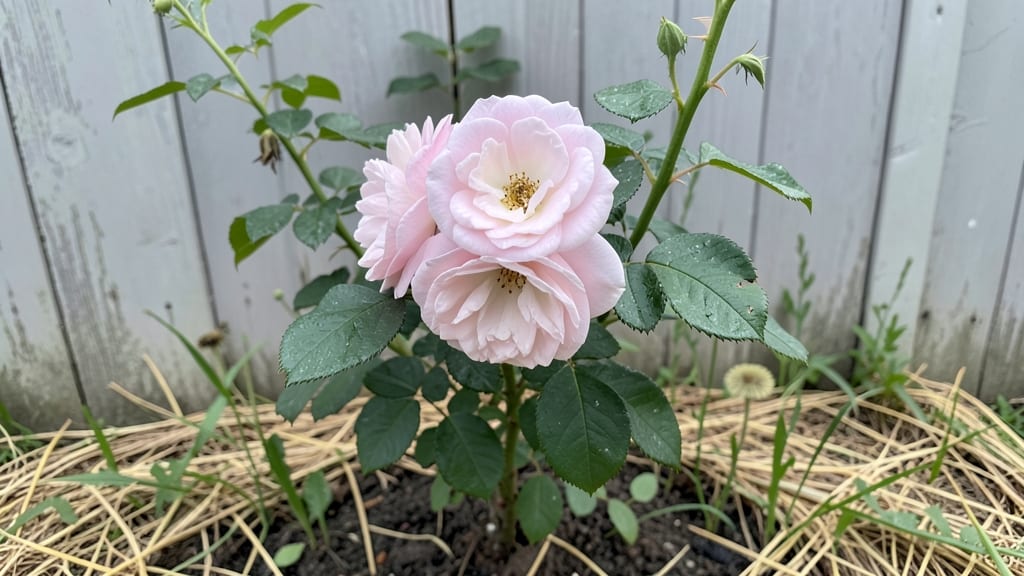
There’s nothing like the scent of David Austin flowers drifting through a Pacific Northwest garden on a misty morning—it’s pure romance in bloom. 🌸 These roses aren’t just pretty; they’re the stars of cottage gardens, romantic borders, and even modern landscapes, where their velvety petals and intoxicating fragrance steal the show.
Unlike your typical roses, David Austins thrive in our cooler, wetter climates, offering seasons of interest from early spring to late fall.
The real magic happens when you pair them with the right companions. Plant them alongside lavender for a fragrant hedge, or tuck them near catmint and salvia to create a pollinator paradise.
Their classic colors—soft pinks, creamy whites, and deep crimsons—blend seamlessly with native ferns, hydrangeas, and even grasses for a garden that feels timeless yet effortlessly chic. The key? Give them room to breathe and a spot where their scent can linger.
What you’ll love most is how these roses transform a space into a sensory escape. Imagine strolling past a border where ‘Gertrude Jekyll’ spills over a stone wall, her petals releasing waves of myrrh and spice, or ‘Munstead Wood’ climbing a trellis, its clusters of blush-pink blooms perfuming the air.
The fragrance isn’t just noticeable—it’s memorable, turning every visit into a little moment of joy. And with the right pruning (just a light shape-up in early spring), they’ll reward you with lush, repeat blooms all season long.
Whether you’re designing a dreamy cottage garden, a modern pollinator haven, or a simple border along your driveway, David Austin roses deliver effortless elegance. They’re the kind of plants that make neighbors stop and smile—and that’s a harvest no one can resist. Ready to create your own fragrant masterpiece?
📚 In This Guide
- What you need
- Instructions
- Tips and common mistakes
- Wrapping up and next steps
What you need
- ● David Austin rose bushes (choose 3–5 varieties for a fragrant mix): 1–2 Gertrude Jekyll (vibrant orange-red, highly fragrant)
- ● 1–2 Munstead Wood (deep pink, classic scent)
- ● 1–2 Graham Thomas (golden-yellow, honey-like fragrance)
- ● 1–2 Cecile Brunner (pale pink, delicate aroma)
- ● Well-draining soil (amend with compost if your soil is heavy or clay-heavy—common in the PNW!)
- ● Organic mulch (4–6 inches of wood chips or straw to retain moisture and suppress weeds)
- ● Balanced fertilizer (10-10-10 or rose-specific formula, applied in early spring and mid-summer)
- ● Rose food (high in phosphorus for blooms, like Espoma Rose-Tone)
- ● Compost or aged manure (5–10 gallons per plant to enrich soil before planting)
- ● Garden trowel or spade (for digging holes)
- ● Pruning shears (sterilized with rubbing alcohol)
- ● Garden hose with spray nozzle (for watering)
- ● Gloves (heavy-duty for thorns!)
- ● Measuring tape or ruler (to ensure proper spacing)
- ○ Optional but helpful: Rose trellis or obelisk (for climbing varieties like New Dawn)
- ● Drip irrigation system (to keep roots consistently moist)
- ● Pest control spray (neem oil or insecticidal soap for aphids)
- ● A sunny spot (6+ hours of direct sunlight daily—PNW gardens may need west-facing slopes to maximize sun)
- ● Protection from strong winds (use fences or windbreaks if your garden is exposed)
- ● Knowledge of your last frost date (plant after mid-April in most of the PNW)
- ● Patience! David Austin roses thrive with 2–3 years of establishment before reaching peak fragrance.
Step-by-step guide to planting and caring for David Austin flowers
Here's how I bring the legendary fragrance and romance of David Austin roses into Pacific Northwest gardens.
🌱 Step 1: Choose the Right Varieties for Your Climate
David Austin roses thrive in the Pacific Northwest's mild, moist climate, but some varieties handle our cooler summers better than others. I always opt for English Apothecary or Gertrude Jekyll—both bloom prolifically even when temperatures hover in the 60s°F during summer. These varieties also resist black spot, a common fungal issue in our damp springs.
Look for bare-root plants in early spring when they're just beginning to show signs of new growth. The buds should be plump but not swollen—this indicates they're ready to be planted. If you're buying potted roses, check that the roots are dense but not circling the pot, as this can strangle new growth.
☀️ Step 2: Select the Perfect Planting Spot
David Austin roses need 6+ hours of sunlight daily, but they also appreciate afternoon shade in the hottest months. I plant mine where they get morning sun and afternoon shade from nearby trees or a north-facing wall. This balance prevents the flowers from wilting in our occasional heatwaves while still giving them enough light to bloom abundantly.
Ensure the spot has well-draining soil—David Austin roses hate soggy roots. If your garden soil is heavy clay, amend it with 2-3 inches of compost mixed into the top 12 inches of soil. The roses will reward you with stronger stems and more fragrant blooms when they have good drainage.
🪴 Step 3: Plant with Care for Long-Term Health
Dig a hole twice as wide as the root ball but only as deep as the plant's roots. This encourages the roots to spread out rather than grow downward, which can weaken the plant. Gently loosen the roots if they're circling—this prevents them from strangling themselves as they grow.
Place the rose in the hole so the graft union (the bulge near the base of the stem) sits about 2 inches above soil level. This protects the plant from future soil splashing, which can spread disease. Backfill with native soil mixed with a handful of bone meal for extra phosphorus—this supports strong root development and abundant blooms.
💧 Step 4: Water and Mulch for Pacific Northwest Conditions
Water deeply right after planting to settle the soil and remove air pockets. Then, water every 2-3 days until new growth appears—about 3-4 weeks. After that, water once a week unless we have a dry spell, then increase to every 2 days. The key is to keep the soil consistently moist but not waterlogged.
Apply a 3-inch layer of mulch around the base, keeping it 6 inches away from the stem. I use cedar chips because they suppress weeds and retain moisture while allowing air to reach the roots. Replenish the mulch in early spring to protect the roots from temperature swings and retain moisture during our dry summers.
✂️ Step 5: Prune and Maintain for Continuous Blooms
Prune in early spring, just as new growth begins to appear. Remove any dead or diseased wood first, then cut back last year's growth by about one-third. This encourages bushier growth and more blooms. I also shape the plant to open it up—this improves airflow and reduces the risk of fungal diseases.
Deadhead spent blooms regularly to encourage more flowers. David Austin roses are repeat bloomers, so removing faded blooms redirects the plant's energy into producing new ones. Fertilize lightly in early spring with a balanced rose fertilizer—this supports steady growth without overstimulating leafy growth at the expense of flowers.
Tips & tricks for perfect David Austin roses in the Pacific Northwest
These simple strategies will help you cultivate fragrant, thriving David Austin roses that stand out in our unique climate.
Variety Selection Matters: When choosing between English Apothecary and Gertrude Jekyll, consider your garden's microclimate. English Apothecary handles cooler summers better, while Gertrude Jekyll often produces slightly larger blooms. Both varieties resist black spot, but if your garden gets particularly damp, English Apothecary might be your best bet.
Soil Preparation Secret: The 2-3 inches of compost mixed into the top 12 inches of soil is crucial for drainage, but don't stop there. I also add a handful of perlite to the mix—this creates tiny air pockets that prevent waterlogging while still retaining moisture. This is especially important in our rainy springs.
Pruning Precision: When cutting back last year's growth by one-third in Step 5, look for outward-facing buds. These will grow into branches that open up the plant's center, improving airflow and reducing fungal risks. Make cuts at a 45-degree angle just above an outward-facing bud for the best results.
Watering Wisdom: The key to that consistent moisture is checking soil depth. Stick your finger 2-3 inches into the soil—if it feels dry, it's time to water. In our Pacific Northwest summers, I often find I need to water every 2 days rather than once a week, especially if we have a heatwave. The mulch helps, but don't rely on it completely.
Pro Tips for David Austin Flowers
- These simple strategies will help you cultivate fragrant, thriving David Austin roses that stand out in our unique climate.
- Variety Selection Matters: When choosing between English Apothecary and Gertrude Jekyll, consider your garden's microclimate.
- Soil Preparation Secret: The 2-3 inches of compost mixed into the top 12 inches of soil is crucial for drainage, but don't stop there.
Frequently asked questions
What makes David Austin roses different from traditional roses?
David Austin roses blend the romantic fragrance of old-fashioned roses with the hardy, disease-resistant traits of modern hybrids. Unlike traditional roses, they often have repeating blooms and softer, more layered petals, making them perfect for Pacific Northwest gardens where milder fragrances thrive. Their compact growth also suits smaller spaces!
Are David Austin flowers cold-hardy enough for the Pacific Northwest?
These roses are bred for resilience, handling USDA Zones 5-9—ideal for PNW’s cool, wet climates. Their thick canes and disease resistance mean they rarely need winter protection beyond a light mulch. Just ensure well-draining soil to prevent root rot in rainy seasons.
When is the best time to plant David Austin roses in the PNW?
Plant in early spring (March–April) or fall (October–November) for best root establishment. Avoid summer heatwaves—bare-root roses planted in mild PNW springs (like Seattle’s April) have 6–8 weeks to harden before summer. Container-grown roses can go in year-round, but spring/fall is still ideal.
Can I grow David Austin flowers in containers or small gardens?
Yes! Many varieties (like 'Gertrude Jekyll' or 'Munstead Wood') thrive in containers 18–24" deep with well-draining soil and regular pruning. Choose compact climbers for trellises or bush types for borders. Just ensure 6+ hours of sun and consistent watering—containers dry out faster!
Why aren’t my David Austin roses blooming as much as expected?
Common culprits: over-pruning (cut only dead/crossing canes in late winter), poor soil (amend with compost), or nutrient deficiency (feed with rose-specific fertilizer in spring/early summer). Black spot (a fungal disease) can also stress plants—prune for airflow and spray preventatively with neem oil.
What’s a great low-maintenance alternative to David Austin roses?
Try David Austin’s own shrub roses (like 'The Alchemist') for fragrance without fuss, or perennials like peony (Paeonia lactiflora) or lavender (Lavandula) for PNW-friendly color. For climbers, clematis (e.g., 'Jackmanii') offers minimal pruning and bold blooms.
Wrapping up and next steps
Transforming your Pacific Northwest garden with David Austin flowers is more than just a gardening project—it’s an invitation to create a fragrant, timeless retreat. These roses blend beauty, resilience, and intoxicating scents, making them the perfect choice for gardeners who crave romance and low-maintenance elegance. 🌹✨
Ready to dive in? Start by selecting a few varieties that suit your garden’s conditions, then gather your tools and supplies. Plant with confidence, knowing each bloom will reward you with years of joy—and don’t forget to share your progress with fellow gardening enthusiasts!
Whether you’re a seasoned pro or a beginner, every step brings you closer to a garden that feels like a dream.