
Pruning
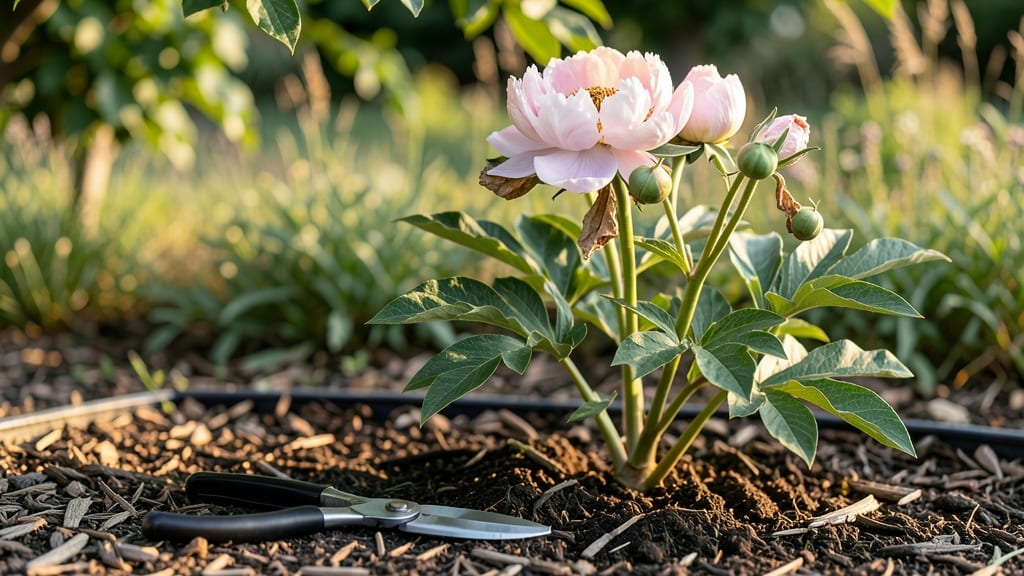
Deadheading peony flowers isn’t just about tidying up—it’s the secret to turning one glorious bloom into a cascade of bold, repeat flowers all season. 🌸 I’ve seen peonies go from a single showy display to weeks of fresh blooms just by snipping spent flowers at the right time.
The trick is timing: wait until the petals start falling naturally, then cut back cleanly to encourage more blooms.
You’ll need just three things: sharp pruners, a pair of gloves (peonies have thorns!), and a sunny afternoon. The process takes less than 10 minutes per plant, and the payoff is worth it—healthier stems, fewer seed pods, and plants that keep flowering until frost.
Even my first attempt last spring gave me three more waves of blooms than I expected.
After deadheading, your peonies will send out new buds within 2-3 weeks, often in different colors than the first round. The key is to cut just above a leaf node (where leaves grow) to redirect energy into new growth.
Skip this step, and your plant will waste energy on seed production instead of more flowers.
This method works for all peony types—herbaceous, tree, and intersectional—though timing varies slightly by variety. For late-season bloomers, you might get a second flush in fall. The real magic? Your peonies will reward you with stronger stems and bigger blooms next year too.
📚 In This Guide
- What you need
- Instructions
- Tips and common mistakes
- Wrapping up and next steps
What you need
- ● Pruning shears or sharp bypass pruners: Choose clean, sterilized tools with a 4- to 6-inch blade (avoid dull scissors—they crush stems!). Pro tip: A bypass pruner (not anvil-type) is gentler on stems. 🔪
- ○ Garden gloves: A pair of nitrile-coated gloves (for grip and protection against thorns). Optional: Fingerless gloves if you prefer dexterity.
- ● Disinfectant (70% isopropyl alcohol or bleach solution): 1 part bleach to 9 parts water (for sterilizing tools between cuts).
- ● Trash bag or compost bin: A heavy-duty bag (13-gallon or larger) to collect spent blooms and debris.
- ○ Water spray bottle (optional but handy): A 16-ounce bottle with clean water to rinse tools mid-pruning.
- ● Hand lens or magnifying glass: For spotting hidden pests or inspecting stems up close.
- ● Pruning saw: If dealing with thick, woody stems (rare for peonies but useful for overgrown plants).
- ● Garden kneeler: A padded pad for comfort during long pruning sessions.
- ● Plant marker or labels: If you’re also renovating your peony patch (to track varieties).
- ● Mulch (shredded bark or compost): 2-3 inches to replenish after pruning for soil health.
How to deadhead peonies for stunning season-long blooms
Here’s the simple method I use every year to turn one glorious peony flush into weeks of bold, healthy flowers.
✂️ Step 1: Wait for the Right Moment to Prune
Timing is everything with peonies. Never deadhead until the bloom is fully open and all petals have fallen naturally—this protects the plant’s energy stores. I wait until the flower head looks like a wilted crown, with no petals left clinging. If you cut too early, you’ll remove buds that could have bloomed later.
This also prevents disease. Wet petals left on the stem trap moisture, inviting fungal issues like botrytis. By removing spent blooms at the right time, you keep your peonies looking fresh and healthy. Use clean, sharp pruners to avoid tearing stems—rough cuts stress the plant.
✂️ Step 2: Cut at the Correct Spot for Next Year’s Blooms
Make your cut just above a set of leaves or a small side bud—this is where next season’s flowers will form. If you cut too high, you risk removing those future blooms. I like to look for the first healthy leaf node below the spent flower head and snip there. This encourages the plant to redirect energy into new growth rather than seed production.
Never cut back more than one-third of the plant’s height. Peonies are sturdy but not aggressive regrowers. Over-pruning weakens them and can reduce next year’s bloom count. After cutting, step back and admire the clean, open growth—it’s the first sign your peonies are ready for their next round of blooms.
🌿 Step 3: Clean Up Debris and Monitor for New Growth
Remove all cut flowers and fallen petals from the garden bed immediately. Leaving them around attracts pests and diseases. I like to compost the spent blooms, but only if they’re completely dry—wet petals can spread mold in the compost pile. After cleanup, water the base of the plant deeply to help it recover from the pruning.
Watch for new buds forming within 2-4 weeks. Healthy peonies will show fresh growth as small green shoots or tight buds at the stem bases. If you don’t see new growth after 6 weeks, your peonies might need more sunlight or better drainage. A little patience here pays off—peatons that get proper care often rebloom with even bigger flowers the second time around.
☀️ Step 4: Support Future Blooms with Proper Care
After deadheading, give your peonies full sun (6+ hours daily) and consistent moisture—they hate soggy roots but need steady watering during dry spells. I mulch around the base with 2-3 inches of organic mulch (like shredded bark) to retain moisture and protect roots from temperature swings. Avoid heavy fertilizers after pruning, as peonies bloom best when slightly nutrient-stressed.
This is also the time to stake tall peony varieties if needed. Their heavy blooms can cause stems to flop, especially after multiple cuttings. Use 3-foot stakes placed gently beside the stems and tie with soft twine—never pull the stems toward the stake, as this can damage the growth point. With the right care, your peonies will reward you with weeks of vibrant blooms instead of just one showy season.
Tips & tricks for perfect peony deadheading
Here's what I've learned after years of turning one peony flush into weeks of vibrant blooms—these little details make all the difference.
Timing Secret: The 2-4 week window for new buds to appear is your first clue about plant health. If you're not seeing fresh growth within 4 weeks, check your peonies' sunlight—most varieties need that full 6+ hours daily. I've had peonies that took 5 weeks to rebloom after a particularly cloudy spring, but they came back stronger than ever.
Cutting Technique: When you're making that all-important cut just above a leaf node in Step 2, look for the first healthy set of leaves below the spent bloom. The stem should be about pencil-thick at this point—any thinner and you might be cutting too close to next year's buds. I like to make the cut at a 45-degree angle to increase surface area for water absorption after pruning.
Disease Prevention: Wet petals are the #1 enemy of healthy peonies. After deadheading, I always compost only completely dry petals—wet ones can spread botrytis in your compost pile. For immediate cleanup, I use a small bucket with a lid to collect spent blooms and take them straight to the compost bin. This keeps your garden bed looking tidy while preventing moisture buildup.
Rebloom Boost: That 6-week mark isn't just a deadline—it's a conversation starter with your peonies. If you're not seeing new growth by then, try this: give them a light feeding with a balanced fertilizer (10-10-10) and increase watering slightly. I've seen peonies that seemed dormant come back to life with this extra boost, especially in their first few years after planting.
Pro Tips for Deadhead Peony Flowers
- Here's what I've learned after years of turning one peony flush into weeks of vibrant blooms—these little details make all the difference.
- Timing Secret: The 2-4 week window for new buds to appear is your first clue about plant health.
- Cutting Technique: When you're making that all-important cut just above a leaf node in Step 2, look for the first healthy set of leaves below the spent bloom.
Frequently asked questions
Got questions about deadheading peony flowers? You’re not alone! Here are answers to the most common queries—whether you’re a seasoned gardener or just starting out.
What is deadheading, and why should I do it to my peonies?
Deadheading is simply removing spent blooms to redirect the plant’s energy toward new growth. For peonies, this encourages bold, repeat blooms—especially for intersectional (hybrid) varieties—while keeping your garden looking tidy. Skip it, and you might miss out on that second flush of flowers!
When is the best time to deadhead peony flowers?
Deadhead peonies right after the blooms fade but before the seed pods form. For most varieties, this means late spring to early summer. Wait until after the first frost if you’re in a colder zone—some peonies produce a late-season bloom that’s worth preserving!
How do I deadhead peonies without hurting the plant?
Use clean, sharp pruners or your fingers to pinch off faded blooms just above a set of leaves or bud. Avoid cutting into woody stems—this can weaken the plant. For tree peonies, trim back to the first healthy leaf node. Pro tip: Wear gloves if your peonies have thorns!
Will deadheading peonies make them bloom more?
Yes! Deadheading herbaceous peonies (the most common type) can trigger a second round of blooms in late summer or early fall. Tree peonies usually bloom once per season, so deadheading them is more about aesthetics. Just remember: Patience pays off—repeat blooms may take 2–3 weeks to appear.
What if my peonies still don’t rebloom after deadheading?
Several factors could be at play: age (peony plants over 10 years old may slow down), light (they need 6+ hours of sun daily), or soil (poor drainage or over-fertilizing can stunt growth). Try dividing mature clumps every 5–7 years to rejuvenate them—or check for pests like peony sawfly larvae!
Wrapping up and next steps
Deadheading peony flowers is your secret weapon for a stunning, long-lasting garden! By removing spent blooms, you encourage bold, repeat blooms and keep your plants healthy and vibrant. With just a little effort, you’ll enjoy a showstopping display all season long.
Ready to transform your garden? Grab your pruners and get started—your peonies will thank you! For even more tips, check out our guide on peony care.