
Flowers
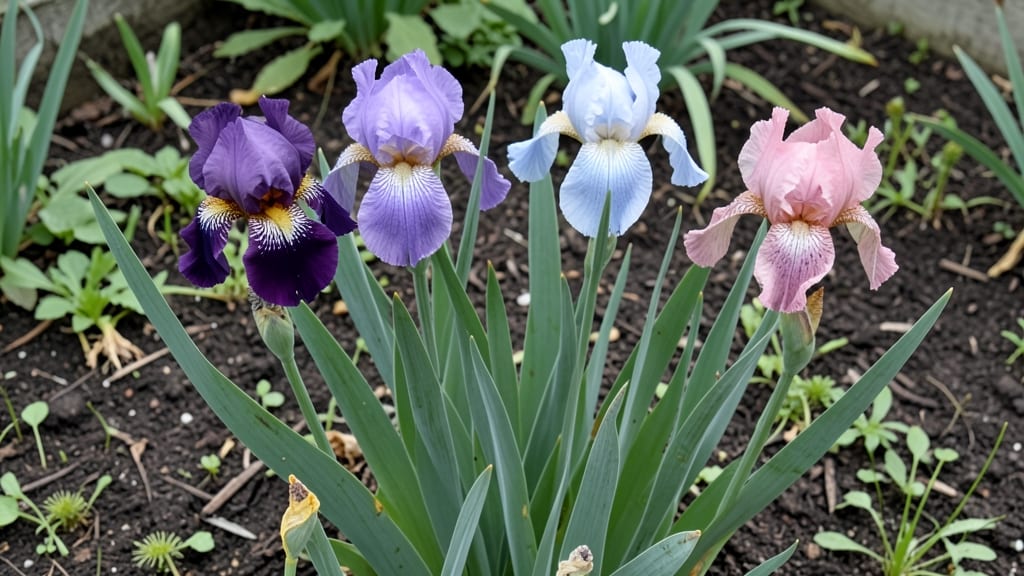
Growing different colored iris flowers is like painting your garden with bold strokes—each hue brings its own drama while attracting bees, butterflies, and hummingbirds. 🌸 I’ve watched my purple irises fade into sunset golds and deep blues transform into electric violets, all while my garden buzzes with life.
The secret isn’t just planting them; it’s arranging them so their colors pop against each other and the landscape.
Start with a mix of bearded irises (classic, reliable blooms) and siblings (like Japanese or Louisiana irises) for height and texture contrast. Plant in clumps of three or five for maximum impact—odd numbers create natural movement.
Pair purples with silver foliage (like lamb’s ear) or fiery reds (like daylilies) to make the irises sing. My favorite combo? Blue irises against warm brick walls or yellow irises beside deep green hostas.
What you’ll love most is how these flowers evolve season to season—some irises change color as they age, creating a dynamic show. The fragrance alone draws pollinators, but the visual drama? Irresistible. Whether you’re lining a path or anchoring a border, irises deliver year-after-year wow with almost no upkeep.
Pro tip: Deadhead spent blooms to encourage reblooming, and divide clumps every 3-4 years to keep them vigorous. The best part? Irises thrive in full sun to partial shade, so they fit almost anywhere. Ready to make your garden a pollinator paradise?
📚 In This Guide
- What you need
- Instructions
- Tips and common mistakes
- Wrapping up and next steps
What you need
- ● Iris bulbs or rhizomes: Choose 5–10 bulbs/rhizomes in your preferred colors (e.g., purple, blue, yellow, white, or rare bicolors). Opt for Iris germanica (bearded iris) or Iris sibirica for variety.
- ● High-quality potting soil or garden soil: 2–3 cubic feet, amended with compost (irises love well-draining, slightly sandy soil).
- ● Organic fertilizer: A balanced 10-10-10 or phosphorus-rich 5-10-10 blend (1–2 tbsp per plant). Pro tip: Use slow-release granules for long-term growth! 💡
- ● Mulch: 1–2 inches of pine bark, straw, or gravel to retain moisture and suppress weeds.
- ● Garden trowel or transplant spade (for digging holes 6–12 inches deep).
- ● Pruning shears (to trim dead foliage after blooming).
- ● Watering can or hose with a gentle spray nozzle (irises hate soggy roots!).
- ● Garden gloves (rhizomes can be sharp!).
- ● Measuring tape or ruler (to space plants 12–24 inches apart).
- ● Stakes or rings (to support tall stems if needed).
- ● Slow-release plant food tablets (for minimal maintenance).
- ● Pollinator-friendly companions: Lavender, catmint, or salvia to attract bees and butterflies!
- ● Decorative rocks or pebbles (for a polished, drought-resistant look).
How to create a stunning iris flower color contrast display
Here’s how to design a vibrant, pollinator-magnet iris border that blooms in bold contrast.
🌿 Step 1: Select Complementary Iris Varieties
Choose iris types with opposing hues—like deep purple with bright yellow or blue with white—to create striking visual impact. Bearded irises (like 'Blue Flag' or 'Black Gamecock') offer the widest color range, while Siberian irises add delicate lavender or pink accents. I recommend pairing three colors per border: one dominant, one secondary, and one accent shade.
Space varieties 12-18 inches apart to allow mature rhizomes room to spread. Dig planting holes 3 inches deep and position rhizomes so the top is exposed—this prevents rot. Group 3-5 rhizomes per color in clusters to create bold patches. Avoid mixing colors too closely; instead, use 12-inch strips of each variety for cleaner contrast.
☀️ Step 2: Plant in Full Sun with Well-Draining Soil
Iris thrives in 6+ hours of direct sun daily, so choose a south- or west-facing bed. Amend heavy clay soil with 2-3 inches of coarse sand or perlite to improve drainage—waterlogged rhizomes rot quickly. The ideal soil pH is 6.0-7.0; test your soil and adjust with lime or sulfur if needed.
After planting, water deeply to settle the soil, then let it dry slightly before watering again. Overwatering now encourages fungal growth. Mulch with 2 inches of bark chips, keeping it 3 inches away from rhizomes to prevent moisture buildup. This layer suppresses weeds while maintaining airflow.
💧 Step 3: Maintain Moisture and Fertility for Vibrant Blooms
Water once weekly during the first growing season, aiming for 1 inch of moisture per week. Reduce watering in late summer to encourage dormancy. Fertilize in early spring with a balanced 10-10-10 formula (use ½ teaspoon per plant) to support robust foliage and blooms. Avoid high-nitrogen fertilizers—they promote leafy growth at the expense of flowers.
Deadhead spent blooms by snipping stems 2 inches above the ground to redirect energy to next year’s flowers. In late summer, cut back yellowed foliage to 3 inches tall but leave some leaves to photosynthesize for rhizome strength. This step ensures next year’s color contrast remains as bold as the first.
✂️ Step 4: Divide and Refresh Every 3-4 Years
Iris rhizomes multiply rapidly, so dig up and divide clumps when they produce fewer than 3 flower stalks per bunch. The best time is late summer, after blooming but before frost. Use a sharp spade to lift rhizomes, then separate sections with 3-4 healthy fans of leaves each. Replant immediately in fresh soil, spacing them 12 inches apart.
Discard old, woody rhizomes—they won’t rebloom. This refreshes your display and prevents overcrowding, which dulls color intensity. After replanting, water lightly for 2 weeks to establish roots before resuming normal care. Your iris border will reward you with even more vibrant contrast in the following season.
Tips & tricks for perfect iris color contrast displays
Creating a bold iris border isn't just about planting flowers—it's about strategic color placement and plant care that brings out their natural vibrancy.
Color Theory for Maximum Impact: When selecting your three-color palette in Step 1, aim for colors that sit opposite each other on the color wheel—purple with yellow or blue with orange. This creates the most striking visual contrast. I've found that adding a single white iris variety (like 'White Swan') as an accent can make the other colors appear even more vibrant by providing a neutral contrast point. Pro tip: Avoid planting colors too close together—those 12-inch strips create clean, intentional blocks of color that pop.
Soil Preparation Secret: In Step 2, don't just amend the planting holes—improve the entire bed. Work 6-8 inches of coarse sand or perlite into the top 6 inches of soil before planting. This creates a drainage layer that prevents the classic iris problem of rhizome rot. I've seen gardeners skip this step and end up with weak, sparse blooms after just two seasons. The pH test is crucial too—if your soil tests outside 6.0-7.0, adjust gradually over time rather than all at once, which can shock the plants.
Watering Wisdom: That weekly watering guideline in Step 3 is perfect for most climates, but here's the key: water deeply but infrequently. Let the top 2-3 inches of soil dry completely between waterings. I've noticed that many gardeners overwater in spring, thinking the plants need more moisture when they're actually establishing roots. The "1 inch per week" guideline assumes average rainfall—adjust for your local climate by checking soil moisture with your finger before watering. In late summer, reduce to every 2-3 weeks to encourage dormancy.
Maintenance Timing: The deadheading and cutting back steps in Step 3 are critical for next year's blooms, but timing matters. Wait until flowers have completely faded before snipping—this ensures all the energy has moved from the blooms to the rhizomes. For cutting back foliage, I've found that doing it in early September (rather than late summer) gives the rhizomes more time to store energy before winter. This small adjustment has dramatically improved my iris displays in subsequent years.
Pro Tips for Different Colored Iris Flowers
- Creating a bold iris border isn't just about planting flowers—it's about strategic color placement and plant care that brings out their natural vibrancy.
- Color Theory for Maximum Impact: When selecting your three-color palette in Step 1, aim for colors that sit opposite each other on the color wheel—purple with yellow or blue with orange.
- Soil Preparation Secret: In Step 2, don't just amend the planting holes—improve the entire bed.
Frequently asked questions
Got questions about adding vibrant different colored iris flowers to your garden? You’re not alone! Here are some of the most common queries—and their answers—to help you grow with confidence.
Can I plant different colored iris flowers together in the same garden bed?
Iris flowers thrive when planted in clusters, and mixing colors creates stunning visual contrast. Just ensure they’re the same species (e.g., bearded irises) for compatibility. Space them 12–24 inches apart to prevent overcrowding and allow airflow for disease prevention.
How long does it take for iris flowers to bloom after planting?
Patience pays off! If planting bare-root irises, expect blooms in 1–2 years. Container-grown irises may flower within their first season. For fastest results, choose established plants (2+ years old). Mulch well and fertilize lightly in early spring to encourage robust growth.
What’s the best way to extend the blooming season of my iris flowers?
Timing is key! Deadhead spent blooms before seed pods form to redirect energy to foliage. In fall, cut back yellowed leaves but leave 3–4 inches for next year’s growth. For a longer show, plant early and late-blooming varieties (e.g., ‘English’ irises bloom in late spring/early summer, while ‘Japanese’ irises shine in summer).
Are some iris colors more attractive to pollinators than others?
Yes! Purple, blue, and yellow irises are pollinator magnets, especially for bees and butterflies. Darker hues (like deep violet) may attract hummingbirds. Avoid white irises if you want maximum buzz—while still pretty, they’re less visible to pollinators. Pair with native companion plants like lavender or coneflowers for a pollinator paradise!
Why aren’t my iris flowers opening, even though the stalks are tall?
Don’t panic! Overly tall stalks with unopened buds often signal stress or improper care. Check for:
- Sunlight: Irises need 6+ hours of full sun daily.
- Water: Too much moisture causes rot; too little stunts growth.
- Fertilizer: Use a low-nitrogen, high-phosphorus blend in early spring.
- Pests: Iris borers or slugs can damage foliage—inspect leaves for holes or chew marks.
Wrapping up and next steps
From vibrant purples to sunny yellows and deep blues, different colored iris flowers bring unmatched beauty and pollinator magic to any garden! 🌸 Whether you're a seasoned gardener or just starting, these striking blooms offer endless possibilities—just pick your favorites, prep your soil, and let nature do the rest. Ready to transform your outdoor space?
Your next step? Plant a few iris varieties this season and watch your garden buzz with life! Share your progress or ask questions in the comments—we’d love to see (and help with) your pollinator-friendly paradise. 🌿