
Pests
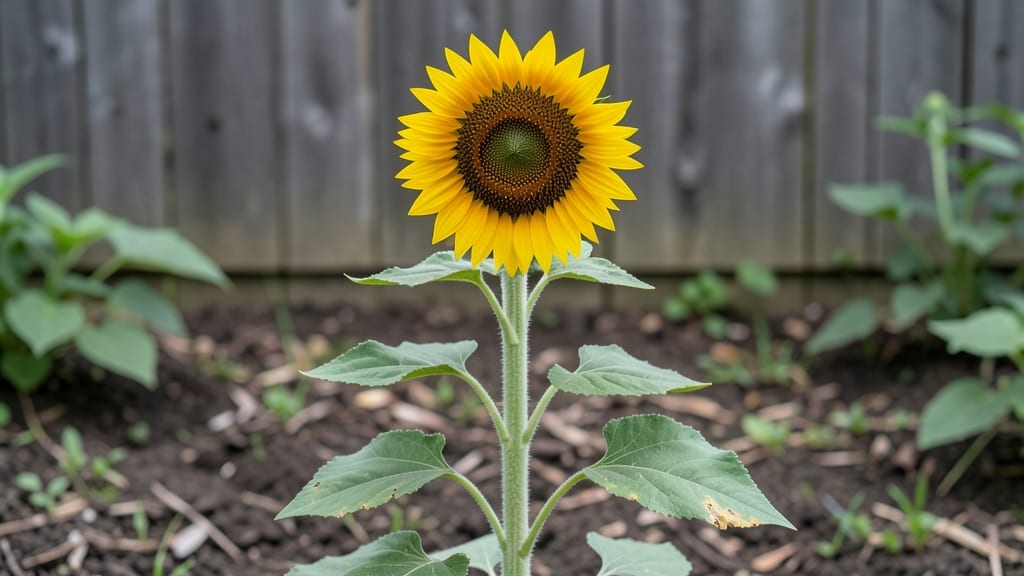
Double-headed sunflowers turn your garden into a sunlit spectacle with their stunning double blooms—and they’re tougher than you’d think. 🌻 I’ve grown these giants for years, and the secret to their bold, two-faced beauty isn’t just luck; it’s the right varieties, a little extra care, and knowing when to step in.
The first time I saw one split into two perfect faces, I knew I’d never go back to single-headed sunflowers again.
The best part? These sunflowers handle frost like champs, often surviving light freezes and bouncing back with even more vigor. You’ll need well-draining soil, full sun, and consistent watering—but no fancy equipment.
Start with varieties like ‘Russian Giant’ or ‘Moulin Rouge,’ which reliably produce multiple blooms. Plant seeds deep (1 inch) and thin seedlings to 12 inches apart for maximum impact.
By midsummer, you’ll be surrounded by towering stems reaching 10+ feet, each crowned with two sun-drenched faces. The blooms attract pollinators like crazy, and the seeds are just as productive as single-headed types.
Even if your first batch doesn’t double up, don’t worry—patience and the right techniques will get you there.
Works in almost any climate (zones 2-11) and thrives in containers or garden beds. Once you master the basics, you can experiment with spacing, fertilizing, and even training them as living trellises. Let’s get those seeds in the ground!
📚 In This Guide
- What you need
- Instructions
- Tips and common mistakes
- Wrapping up and next steps
What you need
- ● Double-headed sunflower seeds: Choose frost-resistant varieties like ‘Russian Giant’ or ‘Mammoth’ (50–100 seeds, depending on desired yield).
- ● Well-draining soil: A mix of garden soil, compost (20–30%), and perlite or sand (10%) for aeration.
- ● Containers or garden bed: For containers: 5–10 gallon pots (1 per plant, with drainage holes).
- ● For in-ground planting: A sunny spot (6+ hours of sunlight daily) with loose, fertile soil.
- ● Watering can or hose: With a gentle spray nozzle for seedlings.
- ● Fertilizer: Balanced organic fertilizer (10-10-10 NPK) or compost tea (apply at planting and monthly).
- ● Mulch: Straw or wood chips (2–3 inches) to retain moisture and suppress weeds.
- ○ Stakes or trellis (optional): Tall stakes (6–8 feet) or a lightweight trellis for support (sunflowers can grow 10+ feet!).
- ● Pest control: Neem oil or insecticidal soap (for aphids, beetles, or spider mites).
- ● Row covers (lightweight fabric) to protect young seedlings from pests.
- ● Patience: Sunflowers take 80–120 days to bloom—plan ahead!
- ● Weather awareness: Double-headed varieties thrive in cool climates (USDA Zones 3–9) and tolerate light frost.
- ● Space: Ensure 12–18 inches between plants to prevent overcrowding.
Step-by-Step instructions for growing double-headed sunflowers
These towering beauties thrive with minimal fuss—just follow these simple steps for dramatic two-faced blooms.
🌱 Step 1: Choose the Right Location and Prepare Soil
Sunflowers need full sun (6-8 hours daily) and deep, well-draining soil. Pick a spot with at least 3 feet of space around each plant—their roots grow aggressively. I always test soil moisture by squeezing a handful; if it crumbles easily, it's ready. For heavier clay, mix in 2 inches of compost to improve drainage.
Double-headed varieties like 'Russian Giant' or 'Moulin Rouge' produce their second bloom higher on the stem, so avoid windy areas where stems might snap. A south-facing exposure with afternoon shade in hot climates works best. If your soil feels compacted, loosen the top 6 inches with a garden fork to encourage root growth.
🌱 Step 2: Plant Seeds at the Right Depth and Spacing
Sow seeds 1 inch deep and 6 inches apart in rows 2 feet apart. I like to plant 3 seeds per hole and thin to the strongest seedling after germination—this ensures you won’t lose a spot if one fails. Press seeds gently into the soil; they need good soil contact to germinate.
Wait 7-14 days for germination, depending on soil temperature. Keep soil consistently moist but not soggy during this time. You’ll know moisture is right when the soil surface looks slightly damp but not glistening. If seeds don’t sprout within 2 weeks, they may need warmth—sunflowers germinate best in 70-85°F soil.
☀️ Step 3: Water Deeply and Fertilize for Strong Growth
Once seedlings emerge, water deeply once a week rather than daily. Sunflowers develop deep taproots, so consistent moisture encourages strong stems. I use a soaker hose to avoid wetting leaves, which prevents fungal diseases like powdery mildew.
After the first 4-6 weeks, when plants reach 12 inches tall, side-dress with 2 tablespoons of 10-10-10 fertilizer per plant. This boosts growth without overfeeding. You’ll see faster leaf development and thicker stems after fertilization. Avoid high-nitrogen fertilizers—they promote leafy growth at the expense of blooms.
✂️ Step 4: Support Stems and Monitor for Pests
Tall varieties like 'Russian Giant' often need staking. Install 3-foot stakes at planting and tie stems loosely with soft cloth or plant ties as they grow. This prevents snapping in wind or rain. I check ties weekly—too-tight straps can girdle stems over time.
Watch for aphids or Japanese beetles, which love sunflower leaves. A strong spray of water usually knocks them off, but severe infestations may require neem oil. You’ll spot damage as chewed leaves or sticky residue on stems. Remove heavily infested leaves immediately to protect the plant’s energy.
🌻 Step 5: Enjoy the Two-Faced Blooms and Harvest
Double-headed sunflowers typically bloom 80-100 days after planting. The second bloom appears 2-4 weeks after the first, often on a separate stem. Cut the first bloom when petals fully open for fresh bouquets, leaving the second to mature.
For seeds, let the second bloom dry completely on the stem. Once the back of the flower turns brown, cut the head and hang it upside down in a dry, dark place for 2 weeks. Rub seeds free and store in a cool, dry spot. You’ll have vibrant blooms and seeds for next year’s garden!
Tips & tricks for perfect double-headed sunflower growth
These simple tricks will help your double-headed sunflowers thrive and produce those stunning two-faced blooms you're dreaming of.
Sunlight Secret: While 6-8 hours of daily sun is ideal, place your sunflowers in the sunniest spot you have—even if it's less. Sunflowers are incredibly resilient and will still produce blooms with as little as 4-5 hours of sunlight. Just expect slightly smaller stems and flowers. In Step 1, if you're unsure about sunlight exposure, observe your garden throughout the day before planting.
Germination Hack: The 7-14 day germination window can feel like forever! To speed things up, soak seeds in warm water for 4-6 hours before planting in Step 2. This mimics natural rainfall and can help seeds sprout in as little as 5-7 days. Just make sure to plant them immediately after soaking—they'll germinate faster.
Fertilizer Timing: When you're ready to fertilize in Step 3, don't rush the 4-6 week mark. Wait until you see those first true leaves (the second set after the initial seed leaves) appear. This ensures your plants are established enough to handle the nutrient boost. Too early fertilization can burn tender seedlings.
Staking Strategy: For Step 4, I recommend installing your 3-foot stakes at planting time regardless of how tall your sunflowers appear. The stems grow surprisingly fast, and you'll appreciate not having to bend over to stake them later. Use soft plant ties and check them weekly—they should be snug but not tight enough to cut into the stem.
Pro Tips for Double Headed Sunflower
- These simple tricks will help your double-headed sunflowers thrive and produce those stunning two-faced blooms you're dreaming of.
- Sunlight Secret: While 6-8 hours of daily sun is ideal, place your sunflowers in the sunniest spot you have—even if it's less.
- Germination Hack: The 7-14 day germination window can feel like forever!
Frequently asked questions
Got questions about growing or caring for double-headed sunflowers? You’re not alone! Here are some of the most common queries—and their answers—to help you cultivate these striking two-faced giants with confidence.
Why do some sunflowers grow double heads?
Double-headed sunflowers often develop due to genetic quirks or environmental factors like pruning early in growth. Some varieties (like ‘Russian Giant’ or ‘Moulin Rouge’) are bred for this trait, while others may split heads if they experience stress or damage. If you’re growing from seed, check for hybrid or heirloom strains known for multiple blooms!
How long does it take for double-headed sunflowers to bloom?
Most double-headed sunflowers follow the same timeline as single-headed varieties: 60–90 days from seed to full bloom, depending on the cultivar and growing conditions. Start seeds indoors 4–6 weeks before the last frost for a head start. Pro tip: Plant in well-draining soil and provide full sun (6+ hours daily) to speed up growth!
What pests or diseases threaten double-headed sunflowers?
Double-headed sunflowers face the same pests as their single-headed cousins, including aphids, spider mites, and sunflower moths. Watch for:
- Chewing damage (cutworms, beetles)
- Yellowing leaves (powdery mildew, fungal issues)
- Stunted growth (root rot from overwatering)
Can I grow double-headed sunflowers in containers?
Yes! Just choose a large container (12+ inches deep) with drainage holes and a balanced potting mix. Dwarf varieties like ‘Teddy Bear’ or ‘Moulin Rouge’ thrive in pots, while giant types may need staking. Pro tip: Place containers in full sun and water deeply 2–3 times per week (more in heatwaves). Container-grown sunflowers may produce slightly smaller double heads but are perfect for patios!
What can I do if my sunflower only grows one head?
Don’t worry—it’s not a failure! Some sunflowers naturally produce single blooms, especially if they’re overcrowded or nutrient-deficient. To encourage a second head:
- Prune the first bloom when it’s half-open (use clean scissors to snip just above a leaf node).
- Fertilize with a low-nitrogen, high-phosphorus blend (like 5-10-10) to promote flowering.
- Ensure full sun and consistent watering (1–1.5 inches per week).
Wrapping up and next steps
The double-headed sunflower isn’t just a stunning garden showstopper—it’s a resilient, low-maintenance plant that rewards patience with two bold blooms per stem! Whether you’re battling pests, chilly weather, or curious critters, these giants thrive with minimal fuss. 🌻✨
Ready to grow your own? Start by gathering your supplies, then plant with confidence—your garden (and Instagram feed) will thank you! Next, explore our step-by-step planting guide to turn those seeds into double the drama.