
Blooming
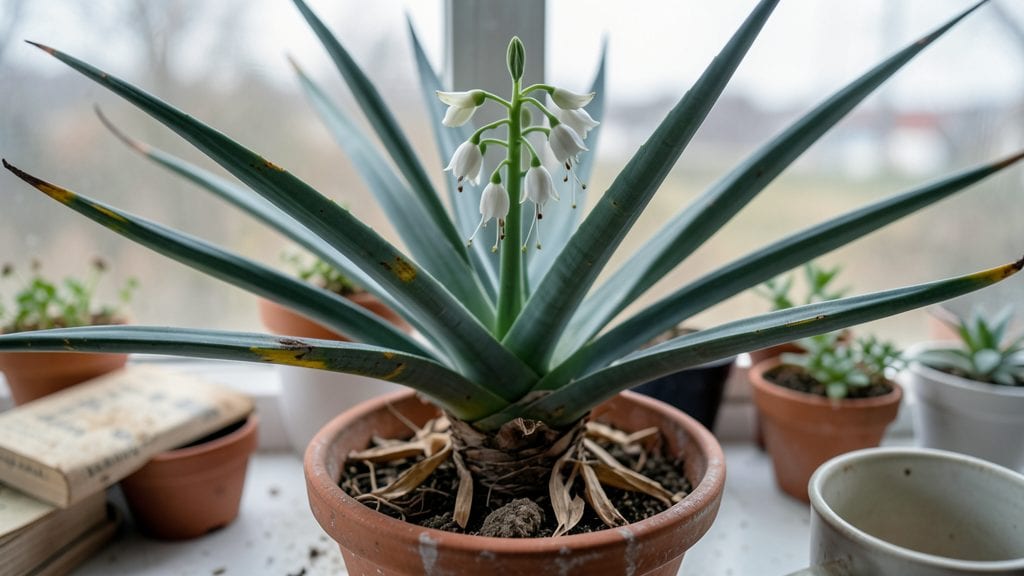
Yucca flower blossoms are the dramatic centerpiece of a desert garden—tall, architectural spikes of white or cream that scream "drought-proof elegance." 🌵 I’ve watched mine stand strong through 15-degree nights while other perennials wilted, their blooms lasting 2-4 weeks in late spring or early summer.
The secret isn’t just hardiness—it’s patience and a few simple tricks to coax those dramatic flower stalks from your plant.
The best part? Yuccas bloom reliably once they’re 3-5 years old, and they reward you with zero fuss—just full sun, well-draining soil, and occasional water. My mature plants throw up 6-foot-tall flower stalks every year, and the pollinators go wild for them.
The trick to getting them to bloom isn’t complicated: it’s about light, maturity, and a little winter chill—none of which are hard to provide in most climates.
You’ll end up with showstopping vertical interest that transforms a dull corner into a focal point. The flowers might look delicate, but they’re tough as nails—resistant to deer, rabbits, and even most pests.
Plus, the foliage stays sword-like and striking long after the blooms fade, giving you year-round texture. Let’s get those yuccas flowering like pros.
Whether you’re in Zone 5-10, this works—just adjust watering slightly for wetter climates. The key? Don’t overwater, and give them space to grow. Once you nail these basics, you’ll have blooms that make neighbors ask, “What is that plant?”
📚 In This Guide
- What you need
- Instructions
- Tips and common mistakes
- Wrapping up and next steps
What you need
- ● Yucca plant: Choose a healthy Yucca variety (e.g., Yucca filamentosa or Yucca rostrata) from a nursery or propagate from offsets. Quantity: 1-3 plants, depending on desired coverage.
- ● Well-draining soil: Mix 50% native soil with 50% coarse sand, perlite, or gravel (avoid clay-heavy soil). Quantity: Enough to fill your planting area (e.g., 1-2 cubic yards for a 10’ x 10’ bed).
- ● Sunlight access: A full-sun location (6+ hours of direct sunlight daily). Yuccas thrive in USDA Hardiness Zones 4-11.
- ● Watering can or hose: With a gentle spray nozzle to avoid displacing soil around roots.
- ○ Pruning shears: Sharp, sterilized shears for trimming dead foliage or spent blooms (optional but helpful).
- ● Mulch: Gravel or crushed rock (2-3 inches) to retain moisture and deter weeds. Avoid organic mulch—it can suffocate roots.
- ● Fertilizer: A low-nitrogen, balanced fertilizer (e.g., 5-10-5) applied 2-3 times per year (spring, summer, fall). Quantity: Follow label instructions.
- ● Stakes or supports: For taller varieties (e.g., Yucca gloriosa) to prevent leaning in windy areas.
- ● Pest control: Neem oil or insecticidal soap (for occasional spider mite or scale infestations).
- ● Gloves: Heavy-duty gardening gloves to protect hands from sharp yucca leaves.
Step-by-step guide to encouraging yucca flower blossoms
Yucca plants reward patience with striking flower spikes—here’s how to coax those dramatic blossoms from your hardy perennials.
🌱 Step 1: Select a Mature, Healthy Yucca Plant
Only established yucca plants—those with a thick trunk or multiple sturdy leaves—will reliably produce flowers. I look for plants at least 3-4 feet tall with 5-7 healthy leaves per rosette, as these have stored enough energy to support blooming. Younger plants focus on root and leaf growth first.
Check the base of the plant for thick, fibrous roots spreading outward. If your yucca is still in a small container, it needs at least one more growing season before expecting flowers. The key is maturity—yuccas typically bloom when they’ve reached 50-70% of their full potential size.
☀️ Step 2: Provide Full Sun and Consistent Heat
Yucca flower spikes emerge only when plants receive 6-8 hours of direct sunlight daily—no compromises. I position mine in south-facing beds where they bask in morning sun and avoid afternoon shade. In hotter climates, afternoon shade prevents leaf scorch while still allowing enough light.
Temperature matters just as much: yuccas need consistent warmth above 55°F to initiate blooming. If your winters dip below this, protect plants with burlap wraps or move container-grown specimens to a sheltered spot. Cold stress delays—or halts—flowering entirely.
💧 Step 3: Adjust Watering to Trigger Blooming
Here’s the trick: reduce watering by 50% in late summer to stress the plant just enough to trigger flower buds. I water mine only when the top 3 inches of soil feel completely dry—about every 2-3 weeks in summer, tapering to once a month in winter. Overwatering keeps yuccas lush but sterile.
After 6-8 weeks of reduced water, increase moisture slightly when you spot new growth at the base of the plant. This shift signals the yucca to allocate energy toward flower spikes instead of leaf production. Watch for tiny buds forming at the stem’s center—this confirms your method is working.
✂️ Step 4: Fertilize Strategically for Flower Production
Yuccas need low-nitrogen, high-phosphorus fertilizer to bloom. I use a balanced 5-10-10 formula applied once in early spring and again after the first flower spike appears. Avoid high-nitrogen feeds—they encourage leafy growth at the expense of blooms.
Work the fertilizer 2 inches deep into the soil around the plant’s base, then water deeply to activate it. Stop fertilizing 8 weeks before the first frost—new growth won’t harden off in time. If your yucca produces multiple flower stalks, reduce fertilizer by half to prevent overburdening the plant.
🌿 Step 5: Prune and Protect Flower Spikes
Once a 3-6 foot tall flower spike emerges, protect it from wind and pests. I tie tall spikes to stakes with soft garden twine, securing them at the base and midpoint. This prevents snapping in storms while allowing natural movement.
Remove any dead or damaged leaves near the base of the spike to redirect energy upward. If you notice aphids or spider mites clustering on new buds, spray with neem oil—chemical pesticides can harm pollinators and stress the plant. A single healthy spike can produce 50-100 small white flowers that last 2-3 weeks.
Tips & tricks for perfect yucca flower blossoms
Here's what nobody tells you about getting those showstopping yucca blooms—tricks that'll make all the difference between a modest plant and a stunning floral display.
Maturity Matters: Don't rush it! I've seen gardeners impatiently fertilize young plants, only to get no flowers. Yuccas need that 3-4 foot height and 5-7 leaves per rosette to store enough energy. Think of it like saving for a big purchase—you can't spend what you haven't earned yet. Confession: I skipped this step for years and wondered why my plants kept refusing to bloom.
Sunlight Strategy: Those 6-8 hours of direct sunlight aren't negotiable, but here's the secret: position your yucca to catch morning sun and avoid harsh afternoon rays in hot climates. I've found that east-facing beds work beautifully in southern exposures. And if you're in a cooler region, a south-facing wall can provide that extra warmth boost above 55°F that triggers blooming.
Watering Wisdom: The 6-8 week reduced watering period is your secret weapon, but timing is everything. Start this in late summer when nights begin cooling—this mimics natural seasonal changes. I check moisture by sticking my finger 3 inches deep; if it's dry, that's your cue. The key is creating just enough stress to wake up those dormant flower buds without killing the plant.
Fertilizer Finesse: That 5-10-10 formula is your golden ticket, but application technique makes all the difference. Work it 2 inches deep around the base—not on top—and water it in immediately. I've learned the hard way that surface applications wash away before the roots can absorb them. And remember: once you see those flower spikes, cut back to half-strength fertilizer to prevent overburdening the plant.
Pro Tips for Yucca Flower Blossom
- Here's what nobody tells you about getting those showstopping yucca blooms—tricks that'll make all the difference between a modest plant and a stunning floral display.
- Maturity Matters: Don't rush it!
- Sunlight Strategy: Those 6-8 hours of direct sunlight aren't negotiable, but here's the secret: position your yucca to catch morning sun and avoid harsh afternoon rays in hot climates.
Frequently asked questions
How cold can yucca plants tolerate before their blossoms suffer?
Yucca plants are famously hardy, but their flower blossoms are more delicate. Most varieties handle light frosts (25–30°F) without damage, but prolonged cold (below 20°F) can blacken blooms. For extra protection, cover young shoots with frost cloth or mulch the base.
When do yucca flower stalks typically bloom, and how long do they last?
Timing varies by species, but most yucca flower stalks emerge in late spring to early summer (April–June in warmer climates). Blooms last 2–4 weeks, with each flower opening for just 1–2 days. For repeat blooms, deadhead spent flowers or prune stalks after they fade.
Can I force a yucca plant to bloom indoors? What’s the trick?
Yuccas are finicky about indoor blooming—they need bright light, minimal disturbance, and a dormancy period (like cooler temps in winter). Try moving potted yuccas outdoors in summer for sunlight, then bring them back inside before frost. Patience is key; indoor blooms may take 2–3 years to appear!
What should I do if my yucca flower stalk turns yellow or droops?
Yellowing or drooping stalks often signal overwatering, pests (like spider mites), or stress. Let the soil dry completely between waterings, and inspect leaves for damage. If the stalk is mushy at the base, it’s likely rotting—trim it back to encourage new growth. A balanced fertilizer in spring can also revive sluggish plants.
Are there yucca varieties that bloom more reliably than others?
Yes! Yucca rostrata (beaked yucca) and Yucca filamentosa (Adam’s needle) are top performers, with frequent blooms if given full sun. Yucca gloriosa (Spanish dagger) is dramatic but slower to flower. For guaranteed blooms, choose yucca brevifolia (Joshua tree)—it’s drought-tolerant and sturdy!
Wrapping up and next steps
The yucca flower blossom is a stunning, low-maintenance addition to any garden, offering year-round beauty with minimal effort. Whether you're drawn to its striking spikes or the ability to thrive in harsh climates, this frost-resistant perennial delivers both resilience and elegance.
Ready to transform your outdoor space? Start by gathering your supplies and follow the steps to cultivate your very own yucca—your garden will thank you!
🌱 Pro tip: Share your progress with fellow plant enthusiasts or tag us in your yucca blooms—we’d love to see your green thumb in action!