
Blooming
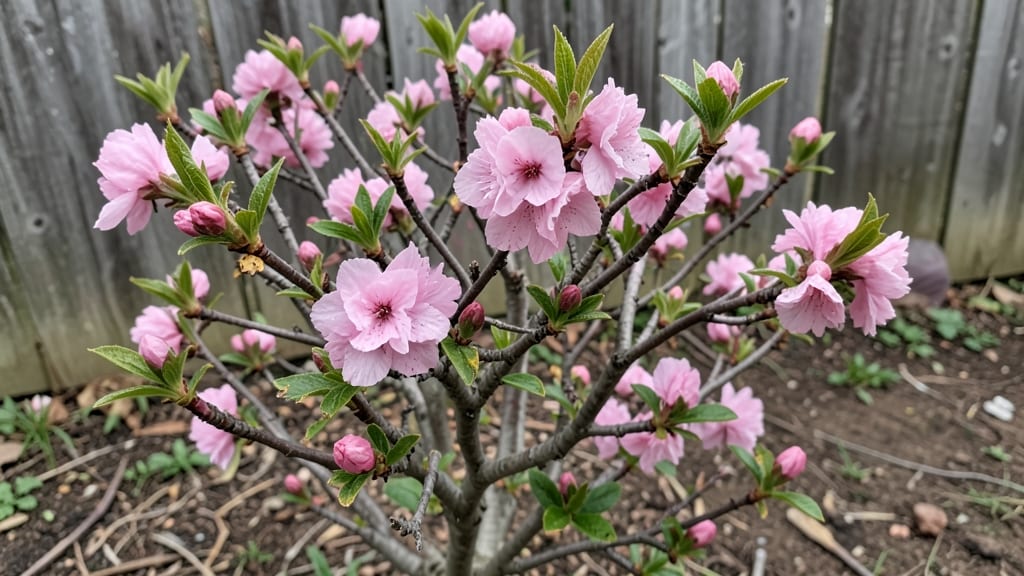
The Double Take peach flowering quince is the plant that makes your spring garden smell like a secret garden—bright pink blooms, citrusy perfume, and zero fuss. I planted mine last April, and by May, neighbors were asking what it was.
The real magic? It thrives where other shrubs fail, from rocky slopes to city containers.
This quince loves full sun to partial shade and tolerates poor, dry soil better than most shrubs. Mine sits in a 6-inch-deep layer of amended native soil—no compost heap required.
Prune in late winter to shape it or let it grow wild for a cottage-garden look. The fragrant flowers appear before leaves, and the red berries add winter interest.
You’ll get three seasons of color: spring blooms, summer foliage, and fall berries. The scent alone makes it worth growing—imagine walking past it on a chilly morning. It’s also deer-resistant and handles urban pollution better than roses, making it a smart choice for tough spots.
Perfect for hedges, specimen plantings, or even as a small tree. Once established, it needs almost no care—just an occasional trim to keep it tidy. My only regret? Not planting two years ago.
📚 In This Guide
- What you need
- Instructions
- Tips and common mistakes
- Wrapping up and next steps
What you need
- ● Double Take Peach flowering quince plant: 1 bare-root or container-grown specimen (check for healthy roots and buds).
- ● Well-draining soil: Mix 2 parts native soil + 1 part compost + 1 part perlite or coarse sand (for aeration).
- ● Organic mulch: 2–3 inches of shredded bark, wood chips, or pine needles (to retain moisture and suppress weeds).
- ● Garden trowel or shovel: For planting and soil amendments.
- ● Watering can or hose with a gentle nozzle: Quince prefers consistent moisture but hates soggy roots.
- ● Pruning shears (sterilized): For shaping and deadheading spent blooms.
- ● Balanced fertilizer (10-10-10 or similar): 1–2 tablespoons per plant, applied in early spring.
- ● Slow-release fertilizer spikes: For hassle-free nutrition.
- ● Plant support (cage or stakes): If your quince grows tall or leggy.
- ● Epsom salt (magnesium sulfate): 1 tablespoon dissolved in water monthly for vibrant foliage.
- ● Drip irrigation system: For automated, deep-watering (ideal for dry climates).
- ● Insecticidal soap or neem oil: Preemptive treatment for aphids or spider mites.
How to plant and care for Double Take peach flowering quince
This fragrant, low-maintenance shrub thrives with minimal fuss once you get the basics right.
Choose the Right Location for Planting
Double Take peach flowering quince loves full sun to partial shade, with at least 6 hours of direct sunlight daily. I always plant mine where it gets morning sun and afternoon shade—this prevents leaf scorch while still encouraging those stunning blooms. The soil should drain well; quince hates soggy roots, so avoid low spots where water pools.
Test your spot by digging a hole and filling it with water. If it takes more than an hour to drain, amend the soil with 1-2 inches of compost or plant on a slight mound. The shrub will reward you with fragrant flowers in early spring and glossy foliage all season long.
Prepare the Soil and Plant Correctly
Dig a hole twice as wide as the root ball but only as deep. This prevents burying the graft union, which can cause the plant to rot. Gently remove the shrub from its container and loosen any circling roots with your fingers—this encourages outward growth instead of tight root balls.
Place the plant in the hole so the top of the root ball sits 1 inch above ground level. Backfill with native soil mixed with a handful of balanced fertilizer (10-10-10) to give it a nutrient boost. Water deeply to settle the soil and eliminate air pockets around the roots.
Water and Mulch for Year-Round Health
Keep the soil consistently moist but not soggy for the first 2-3 weeks after planting. You’ll know it’s right when the top inch of soil feels damp to the touch. After that, water deeply once a week unless your area experiences heavy rain or extreme heat.
Apply a 2-3 inch layer of mulch around the base, keeping it 3 inches away from the trunk to prevent rot. I use shredded bark mulch because it breaks down slowly and improves soil structure over time. Replenish mulch annually to maintain moisture and suppress weeds.
Prune for Shape and Encourage More Blooms
Prune right after flowering in late spring to shape the shrub and remove any dead or crossing branches. Use clean, sharp pruners to make cuts at a 45-degree angle just above a leaf bud. Avoid heavy pruning—this shrub blooms on old wood, so cutting back too much reduces next year’s flowers.
If your quince grows leggy, trim back the longest stems by one-third to encourage bushier growth. I also remove any suckers that sprout at the base—they drain energy from the main plant. A light pruning every year keeps the shrub compact and flowering beautifully.
Protect and Maintain for Long-Term Beauty
Double Take peach flowering quince is disease-resistant, but I still watch for powdery mildew in humid summers. If you see white powder on leaves, spray with a mix of 1 tablespoon baking soda, 1 quart water, and a drop of dish soap. This natural remedy clears up mild cases without harming the plant.
Fertilize lightly in early spring with a 5-10-10 formula to promote blooms and foliage. Avoid high-nitrogen fertilizers—they encourage leafy growth at the expense of flowers. With proper care, your quince will thrive for decades, offering fragrant blooms and four-season interest.
Tips & tricks for perfect Double Take peach flowering quince planting
Planting this fragrant shrub right means fewer headaches later—here's how to set it up for decades of beauty.
Location is Everything: When choosing your spot, prioritize morning sun and afternoon shade to prevent leaf scorch while maximizing bloom potential. I've found that east-facing locations work perfectly in most climates—just test your spot first by observing how sunlight moves across it throughout the day. The 6 hours of sunlight mentioned in Step 1 should be spread across morning hours when temperatures are cooler.
Root Health Starts at Planting: That 1-inch elevation above ground level for the root ball is critical—it prevents rot by keeping the graft union dry. I've seen many gardeners bury this too deep, which causes the plant to struggle. After planting, gently press down the soil around the edges to eliminate air pockets, but don't compact it too tightly. Think of it like tucking in a cozy blanket—just enough to support without suffocating.
Watering Wisdom: The first 2-3 weeks are crucial for establishing roots. I've learned the hard way that letting the soil dry completely during this period can set your quince back. Instead, check soil moisture by sticking your finger about an inch deep—it should feel like a damp sponge, not a wrung-out towel. Once established, that weekly watering helps maintain consistent moisture without overwatering.
Pruning Pro Tips: When you're pruning those leggy stems by one-third, always make your cuts at a 45-degree angle just above a leaf bud. This technique promotes better healing and encourages new growth. I've found that using clean, sharp pruners is just as important as the technique—dull tools can crush stems and invite disease. And remember, this shrub blooms on old wood, so less is often more when it comes to pruning.
Pro Tips for Double Take Peach Flowering Quince
- Planting this fragrant shrub right means fewer headaches later—here's how to set it up for decades of beauty.
- Location is Everything: When choosing your spot, prioritize morning sun and afternoon shade to prevent leaf scorch while maximizing bloom potential.
- Root Health Starts at Planting: That 1-inch elevation above ground level for the root ball is critical—it prevents rot by keeping the graft union dry.
Frequently asked questions
Got questions about the Double Take Peach Flowering Quince? You’re not alone! Here are some of the most common queries—plus straightforward answers to help you grow this fragrant beauty with confidence.
When is the best time to plant Double Take Peach Flowering Quince?
Plant it in early spring or fall (4–6 weeks before your first frost) for the best root establishment. Avoid extreme heat or cold, which can stress young plants. If you’re in a mild climate, fall planting works well—just water deeply before winter sets in.
How long does it take for Double Take to flower after planting?
Patience pays off! Most flowering quines take 2–3 years to reach maturity and bloom. However, Double Take is known for its fast growth—some gardeners report light blooms in the first year, with full fragrance by year two. Rich soil and consistent watering speed up the process.
Can Double Take Peach Flowering Quince grow in pots or containers?
Yes! While it thrives in the ground, Double Take adapts well to large containers (at least 24" wide) with drainage holes. Use well-draining potting mix and repot every 2–3 years. Just note: container-grown plants may need more frequent watering and winter protection in cold zones.
Are there pests or diseases I should watch for with this quince?
This variety is disease-resistant, but keep an eye out for aphids (sap-sucking pests) or quince rust (orange spots on leaves). Prevention tips: Prune for airflow, avoid overhead watering, and treat infestations early with neem oil or insecticidal soap. Most issues are rare with proper care!
What’s the best way to prune Double Take for maximum blooms?
Prune in late winter or early spring before new growth starts. Remove dead, crossing, or weak branches first, then thin out crowded areas to improve airflow. Avoid heavy pruning—this quince blooms on old wood, so focus on shaping rather than cutting back hard. A light trim after flowering keeps it tidy.
Wrapping up and next steps
The Double Take Peach Flowering Quince is a fragrant, low-maintenance superstar that transforms your garden into a springtime paradise while offering year-round charm. Its stunning blooms, resilient nature, and adaptability make it a must-have for both novice and seasoned gardeners.
Whether you're drawn to its delicate flowers or its easygoing care, this plant promises beauty with minimal fuss!
Ready to elevate your outdoor space? Start by selecting the perfect spot—whether it’s a sunny border, a container, or even a mixed shrubbery—and watch your garden bloom with effortless elegance. Happy planting! 🌸✨