
Flowers
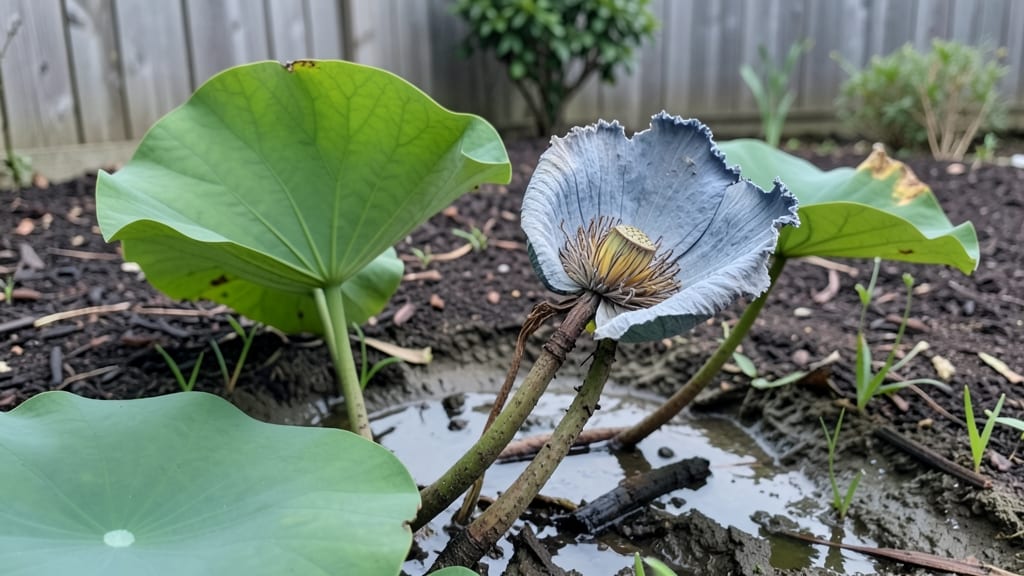
There's something magical about dried blue lotus flowers—those delicate, papery blooms that hold onto their mystery even after drying. ✨ I first discovered them in a small pottery shop where they were used to scent tea, and now I can't imagine my garden decor without them.
Their deep blue hue and intricate petals transform any arrangement into something sacred and timeless.
Preserving them is simpler than you'd think: just harvest fully bloomed flowers, lay them flat to dry in a dark, airy space, and wait a few weeks. The result? Lightweight blooms that keep their shape and color for years, perfect for wreaths, centerpieces, or even framed art.
They bring a sense of tranquility to any space, whether indoors or out.
Imagine a summer wreath hanging on your front door, its blue petals catching the light as guests arrive, or a vase of dried lotus blooms on your dining table, filling the air with subtle floral notes.
These aren't just decorations—they're conversation starters, mood boosters, and a nod to nature's quiet beauty. Ready to bring that serenity into your world?
The best part? They work in any setting—from rustic farmhouse decor to modern minimalist spaces. A single bloom can anchor a bouquet, or a handful can create an entire statement piece.
Whether you're crafting a seasonal centerpiece or adding a touch of elegance to your garden, dried blue lotus flowers are the secret ingredient you never knew you needed.
📚 In This Guide
- What you need
- Instructions
- Tips and common mistakes
- Wrapping up and next steps
What you need
- ● Fresh blue lotus flowers: 10–20 blooms (depending on desired quantity; ensure they’re fully open and vibrant).
- ● Drying agent: Silica gel crystals (1–2 lbs, food-grade if using for tea).
- ● OR a dehydrator (set to 95–115°F/35–46°C).
- ● Air-tight storage: Glass jars with lids (quart-sized) or resealable bags with silica packets.
- ● Pruning shears or sharp scissors (to trim stems cleanly).
- ● Tweezers (for delicate handling of petals).
- ○ Optional: Food-safe parchment paper (for dehydrator drying).
- ● Essential oils (like lavender or citrus) for scent infusion (tea use only).
- ● Wire or floral tape (for decorative arrangements).
- ● Access to sunlight or a dehydrator (no direct heat sources like ovens).
- ● Patience! Drying takes 3–7 days (depending on method).
- ● Allergy note: Wear gloves if sensitive to plant resins.
Step-by-step instructions for harvesting and drying blue lotus flowers
Here's how I transform fresh blue lotus blooms into sacred, long-lasting decorations or tea.
🌿 Step 1: Harvest Blooms at Peak Freshness
Pick fully open blue lotus flowers in the early morning when petals are still crisp and dew-covered. The buds should feel firm but yield slightly when gently pressed—this ensures they're ready for drying. I always harvest with clean, sharp scissors to avoid damaging stems, which helps preserve the flower's integrity.
Remove any wilted petals or brown edges immediately. These parts won't dry evenly and can attract pests. Place harvested blooms in a clean, breathable container like a woven basket or paper bag to allow air circulation while you prepare them for drying. Never store them in plastic—they'll sweat and develop mold within hours.
☀️ Step 2: Choose Your Drying Method
For air drying, bundle stems together with twine and hang them upside down in a dark, well-ventilated space like a closet or pantry. The upside-down position prevents petals from touching surfaces and keeps them closed during drying. I like to place a small fan nearby to gently circulate air—this cuts drying time from 3-4 weeks to about 10-14 days.
For faster results, use a food dehydrator set to 95°F. Arrange flowers in a single layer on the dehydrator trays, ensuring petals don't overlap. Run the dehydrator for 6-8 hours until petals feel crisp to the touch. Test by gently pressing a petal—it should crumble slightly but not feel damp.
🪴 Step 3: Complete the Drying Process
Once flowers are fully dry, remove them from their drying location and gently brush off any dust or debris. Store them in a sealed glass jar or airtight container lined with silica gel packets to absorb any remaining moisture. This prevents the delicate petals from absorbing humidity and becoming brittle over time.
I like to organize dried lotuses by color and size, placing them in small muslin bags for easy access. Keep them away from direct sunlight—UV rays can fade the vibrant blue hue over time. With proper storage, your dried blue lotus flowers will retain their beauty for 1-2 years.
✂️ Step 4: Prepare for Use in Tea or Decor
For tea, gently crush dried petals with a mortar and pestle or your hands until they resemble fine confetti. Steep 1 teaspoon of petals in 1 cup of hot water for 5-7 minutes. Strain carefully and enjoy the delicate floral aroma. Never boil the petals—high heat destroys their subtle flavors.
For decorative purposes, arrange dried lotuses in small bowls, framed displays, or floating in clear vases. Their natural shape makes them perfect for meditation spaces or as centerpieces. If you notice any petals curling or darkening, they've absorbed too much moisture—return them to the silica-lined container immediately.
Tips & tricks for perfectly dried blue lotus flowers
Here's what I've learned over years of working with these sacred blooms to ensure your dried lotuses stay vibrant and perfect for tea or decoration.
The Harvest Factor: Timing is everything when harvesting—morning dew makes all the difference. I've ruined batches by picking too late in the day when petals start wilting. The slight give when gently pressed is your golden cue that they're ready. Also, never harvest after rain—the extra moisture can cause mold during drying.
Drying Method Mastery: For the dehydrator method at 95°F, I arrange flowers with stems facing downward to prevent petals from sticking to trays. The 6-8 hour window is critical—any longer risks over-drying, which makes petals brittle. If using air drying, I've found that a small fan on low speed cuts that 3-4 week process to about 10-14 days without damaging delicate petals.
Storage Wisdom: That 1-2 year storage promise only holds if you follow this: use glass jars with tight-sealing lids and silica gel packets. I've seen beautiful blue lotuses lose their color in weeks when stored in regular containers. Keep them in a cool, dark place—natural light fades those stunning blues faster than you'd think. For tea use, I store petals separately from decorative blooms to prevent crushing.
Tea Preparation Tip: When crushing petals for tea, work in small batches. I've tried making a whole cup's worth at once and ended up with bitter, over-crushed petals. The 5-7 minute steeping time is perfect—any longer extracts bitterness. For extra flavor, I add a pinch of honey after steeping to complement the delicate floral notes.
Pro Tips for Dried Blue Lotus Flower
- Here's what I've learned over years of working with these sacred blooms to ensure your dried lotuses stay vibrant and perfect for tea or decoration.
- The Harvest Factor: Timing is everything when harvesting—morning dew makes all the difference.
- Drying Method Mastery: For the dehydrator method at 95°F, I arrange flowers with stems facing downward to prevent petals from sticking to trays.
Frequently asked questions
Got questions about dried blue lotus flowers? You’re not alone! Here are some of the most common inquiries—plus quick, practical answers to help you make the most of these stunning blooms.
What’s the best way to store dried blue lotus flowers to keep them fresh?
Store them in an airtight container (like a glass jar) in a cool, dark place—away from humidity or direct sunlight. A silica gel packet can absorb moisture and extend their lifespan for 6–12 months. Avoid plastic bags to prevent mold!
How long does it take for fresh blue lotus flowers to dry completely?
Drying time depends on your method:
- Air-drying (hanging): 1–2 weeks
- Oven-drying (low heat, 170°F): 3–6 hours
- Dehydrator:** 4–8 hours
Can I use dried blue lotus flowers in tea? If so, how much should I use?
Steep 1–2 dried flowers (or ½ tsp petals) in hot water (180°F) for 5–7 minutes. For a milder flavor, reduce steeping time. Pro tip: Pair with chamomile or honey for a soothing herbal blend. Avoid excessive use—moderation ensures a gentle, aromatic experience.
Are there alternatives to dried blue lotus flowers for decor or crafts?
Yes! Try these budget-friendly swaps:
- Dried lavender or rose petals (for floral arrangements)
- Silk or paper lotus flower replicas (for long-lasting decor)
- Dried hibiscus or pomegranate flowers (for vibrant pops of color)
Why do my dried blue lotus flowers smell musty or develop mold?
Musty odors or mold usually mean excess moisture. Check for:
- Condensation in storage containers (use a desiccant)
- Humid environments (store in a dry closet or pantry)
- Improper drying (ensure flowers are fully dehydrated before storing)
Wrapping up and next steps
The dried blue lotus flower is more than just a stunning decorative piece—it’s a versatile treasure for tea ceremonies, spiritual rituals, and home decor. Whether you’re brewing a calming herbal infusion or adding a touch of elegance to your space, these sacred blooms bring beauty and tranquility. 🌸✨
Ready to explore their magic? Start by sourcing high-quality dried flowers or growing your own—then experiment with teas, crafts, or meditation. Your journey with blue lotus awaits!